Full article · 7 min read
Extinction and Survival: Why Vanishing Species Are Part of Life’s Story
Extinction sounds like a catastrophe because, for any given species, it is. But on the scale of Earth’s history, extinction is not unusual at all. Species arise through speciation and disappear through extinction, and this turnover has been happening throughout the history of life. In fact, nearly all animal and plant species that have ever lived on Earth are now extinct.
That idea is both unsettling and strangely clarifying. Life on Earth is not a stable list of creatures preserved forever. It is a constantly changing process, shaped by the appearance of new species, changes within species, and the loss of old ones. Extinction is not an exception to evolution’s story. It is one of its recurring themes.
Extinction as the usual fate of species
Evolution produces biodiversity, but it does not guarantee permanence. A species may survive for a long time, adapt to changing conditions, and spread across a wide area, yet extinction still remains its ultimate fate.
This is because evolution is not working toward a final, protected state. Species exist within ecosystems, where they interact with physical conditions, food supplies, predators, competitors, and potential mates. When conditions shift, survival can become harder. If a species cannot persist through those changes, it disappears.
Scientists distinguish between the continuous, lower-level pattern of extinction and the dramatic surges called mass extinctions. The lower-level pattern is part of the normal background of life on Earth. Species regularly vanish, even while others originate. One possible cause of these ongoing extinctions is competition for limited resources. If one species outcompetes another, the less successful one may be driven to extinction.
What makes a mass extinction different
A mass extinction is not simply extinction happening one species at a time. It is a spike in losses that drastically reduces diversity in a relatively short interval of geological time.
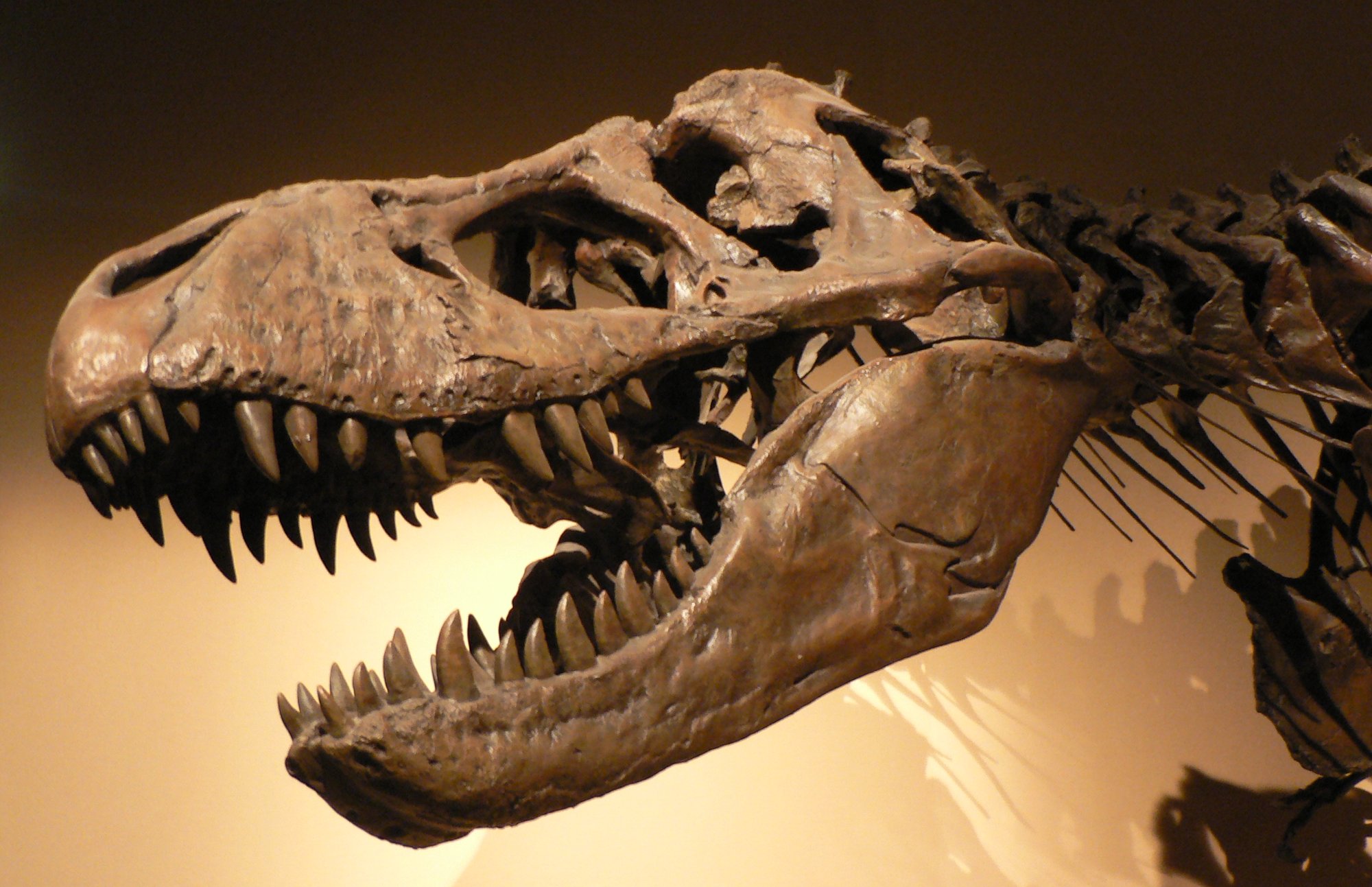
One famous example is the Cretaceous–Paleogene extinction event, the event best known for the extinction of the non-avian dinosaurs. But an even more severe event came earlier: the Permian–Triassic extinction event. That crisis drove approximately 96% of all marine species to extinction.
That figure is staggering. Marine species are species that live in the oceans, and losing about 96% of them means the event devastated entire marine ecosystems on a vast scale. When extinction reaches that magnitude, it does more than remove a few branches from the tree of life. It reshapes the whole structure.
Mass extinctions are especially important because they do not simply act as a fine-tuned filter favoring one small trait over another. Instead, they can wipe out huge amounts of diversity in a comparatively nonspecific way. Afterward, the surviving lineages may undergo bursts of rapid evolution and speciation.
Speciation is the process by which one species diverges into two or more descendant species. In other words, extinction removes many existing forms, and the survivors may later diversify into new ones. Loss and renewal are deeply linked in the long history of life.
The fossil record shows both loss and change
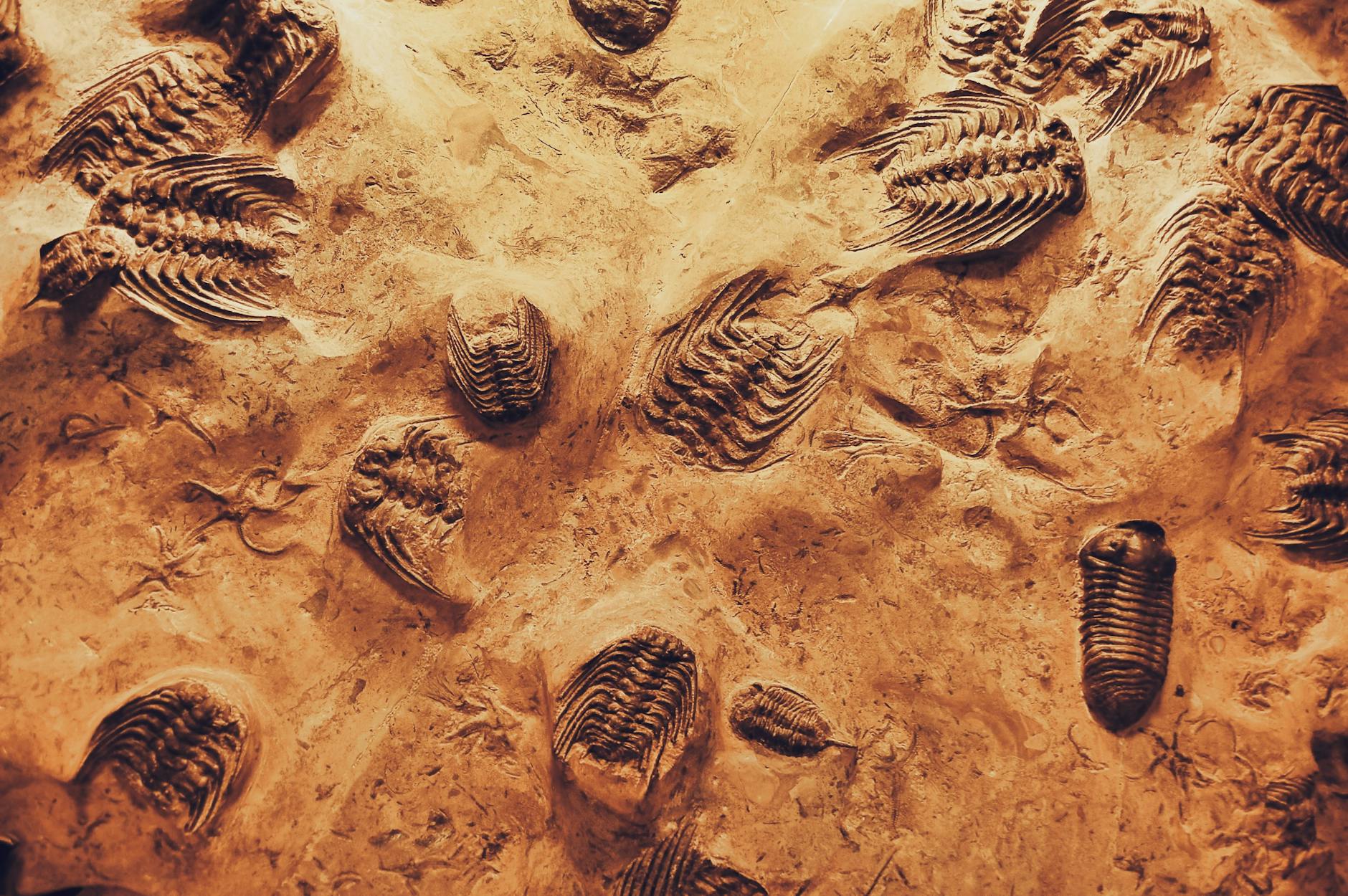
The fossil record preserves evidence that life has changed through time. It includes a progression from early traces of life to microbial mat fossils and later fossilised multicellular organisms. It also records repeated appearances of new forms and the disappearance of others.
This matters because extinction is not just a modern fear. It is written into the deep past. Entire groups that once dominated particular environments are gone. The living world we see now is only the current stage in a much longer process.
More than 99% of all species that ever lived on Earth are estimated to be extinct. Yet life as a whole has persisted, diversified, and repeatedly produced new forms. That contrast is one of the most striking facts in biology: the biosphere endures, but individual species usually do not.
The Holocene extinction: a mass extinction in progress
There is a major difference between ancient extinction crises and the one unfolding now: this one is associated with humanity’s expansion across the globe over the past few thousand years.
This ongoing event is called the Holocene extinction. It is described as an ongoing mass extinction associated with human expansion. Present-day extinction rates are estimated to be 100 to 1000 times greater than the background rate.
The background rate means the more typical rate of extinction outside the sharp spikes of a mass extinction. So when current extinction is described as 100–1000 times greater than background, it means species are vanishing far faster than would normally be expected.
Human activities are now the primary cause of this ongoing extinction event. Global warming may further accelerate it in the future.
That places the modern world in a remarkable and troubling position. Extinction is natural in the long history of life, but the current pace is not simply business as usual. It is a severe acceleration linked to one species: us.
Why extinction matters to evolution
It might seem as though extinction is only about endings, but in evolutionary terms it also shapes what comes next.
Evolutionary history is built from three broad patterns: the formation of new species, changes within species, and extinction. Without extinction, the composition of life would be entirely different. Extinction removes lineages, opens ecological space, and changes the balance of ecosystems.
An ecosystem is a system in which organisms interact with one another and with the physical environment. When many species disappear, those interactions are disrupted. Food chains shift. Habitats change in function. Opportunities may open for surviving groups.
This is why mass extinctions can be followed by rapid evolutionary change. Survivors may expand into roles that were previously occupied by extinct species. Over long periods, that can transform the visible structure of life on Earth.
Survival does not mean stability
It is tempting to imagine surviving species as the “best” in some simple sense, but evolution is more complicated than that. Natural selection can favor traits that increase survival and reproduction in a particular environment, but environments change. A trait that is beneficial under one set of conditions may become neutral or harmful under another.
Fitness, in evolutionary biology, refers to an organism’s ability to survive and reproduce in a way that contributes genes to future generations. It does not mean strength, virtue, or superiority in any general sense. And it is not fixed forever.
This helps explain why extinction remains possible even for successful species. Survival is always conditional. A species may be well adapted to its current habitat, yet still be vulnerable if the environment changes, resources become scarce, or new pressures emerge.
Earth’s living diversity is still mostly unknown
Even amid enormous loss, life on Earth remains astonishingly diverse. About 1 trillion species are estimated to exist on Earth currently, yet only one-thousandth of 1% have been described.
That means most of life is still unnamed and undocumented. The living world is not just changing; much of it remains scientifically unexplored.
This fact adds another layer to the story of extinction. Some lineages may disappear before they are even identified. Evolution’s history is therefore not only a story of what has been discovered in fossils, genomes, and living organisms, but also of countless branches we have barely begun to notice.
The paradox of life on Earth
Here is the paradox: extinction is ordinary, but the scale of some extinction events is extraordinary. Species are always coming and going, yet mass extinctions radically interrupt that background pattern. Nearly all species that have ever existed are gone, yet the planet may still host about 1 trillion species today.
Life is both fragile and prolific. Individual species can vanish forever, but evolution over vast stretches of time keeps generating novelty, diversity, and new ecological relationships.
Understanding extinction changes how we see survival. Survival is not a permanent victory. It is a temporary success within an ever-changing history of life.
And that is what makes the current moment so significant. We are not merely observers of evolution’s grand pattern. During the Holocene extinction, humanity has become one of the forces shaping which species remain, which vanish, and what kind of biosphere will be inherited by the future.
Sources
Based on information from Evolution.
More like this
More about biology
More about nature
More about science
Swipe through Earth’s biggest survival story — download DeepSwipe and explore the rise, fall, and weird persistence of life.