Full article · 7 min read
Tulip Mania: Why the Rarest Tulips Were So Valuable
The strangest twist in tulip mania is that the most prized flowers were prized because something was wrong with them.
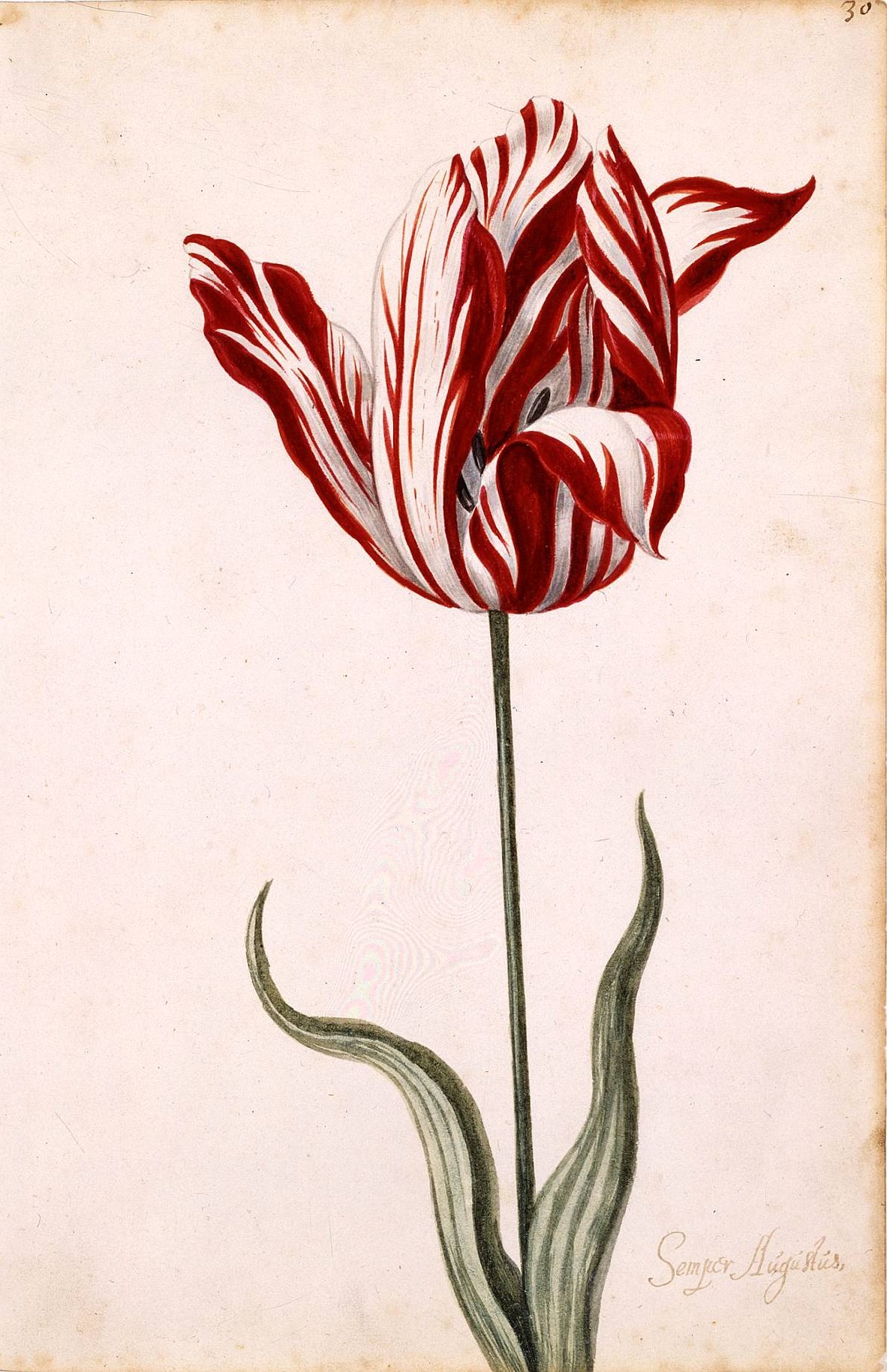
In the Dutch Republic during the 17th century, tulips became fashionable luxury goods just as the country was enjoying extraordinary commercial success. But not all tulips were equal. The most coveted ones were the multicolored varieties with dramatic streaks, flames, and broken bands of color across their petals. These unusual flowers looked exotic and spectacular compared with the single-colored tulips Europeans had known before. Their rarity, beauty, and difficulty of reproduction helped make them especially valuable.
That helps explain why tulip prices could rise so far, so fast. This was not only a story about speculation. It was also a story about status, scarcity, and a flower whose most admired beauty came from a biological flaw.
Why tulips stood out in Europe
Tulips were introduced to Europe in the 16th century, with their arrival often linked to Ogier de Busbecq, ambassador of Charles V to Sultan Suleiman the Magnificent, who sent bulbs and seeds to Vienna in 1554 from the Ottoman Empire. From there, tulips spread to cities such as Augsburg, Antwerp, and Amsterdam.
Their rise in the Netherlands is closely tied to the botanist Carolus Clusius. Around 1593, after taking up a post at the University of Leiden, he established the hortus academicus and planted his tulip collection there. He found that tulips could tolerate the harsher conditions of the Low Countries, and before long the flower’s popularity surged.
Part of the appeal was visual. Tulips looked different from other flowers familiar in Europe at the time because of their intense, saturated petal colors. They arrived just as the newly independent Dutch Republic was growing wealthy through commerce, and that timing mattered. As trade fortunes rose, especially in Amsterdam, tulips became associated with prestige and refined taste.
The flowers everyone wanted most
Dutch growers and collectors classified tulips into different groups. Single-colored tulips of red, yellow, or white were called Couleren. More unusual varieties included Rosen, with white streaks on a red or pink background; Violetten, with white streaks on purple or lilac; and the rarest category of all, Bizarden, with yellow or white streaks on red, brown, or purple.
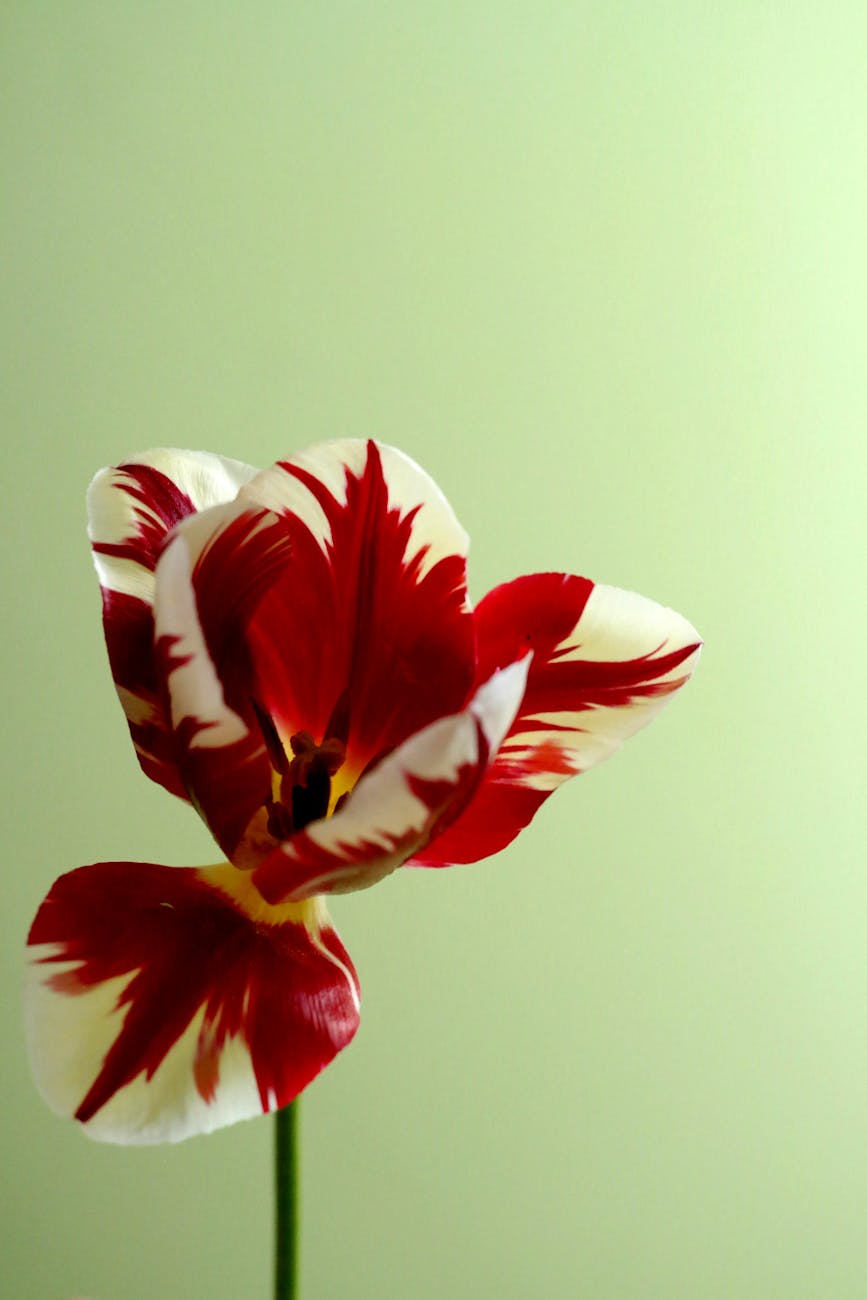
These broken, multicolored tulips were the stars of the market. Their petals showed intricate lines and flame-like streaks that made them look almost painted by hand. The effect was vivid, unusual, and difficult to ignore. In a culture where luxury items signaled taste and success, these flowers stood out as elite possessions.
Growers gave them grand names too. Some varieties were prefixed with titles like Admirael and Generael, while later tulips received even more extravagant names linked to figures such as Alexander the Great and Scipio. The naming itself added to the aura. These were not just garden flowers; they were branded rarities.
The secret behind the “broken” colors
The stunning patterns that made these tulips famous were caused by infection with a tulip-specific mosaic virus called the tulip breaking virus.
The name makes sense once you know what it does. It “breaks” a single petal color into two or more colors, producing the streaked and flamed effect that buyers found so attractive. What looked like a miraculous new variety was, in many cases, the visible result of disease.
That disease did more than alter appearance. It also progressively impaired the tulip’s ability to produce daughter bulbs, the smaller bulbs that grow from the parent bulb and allow growers to propagate more plants. In simple terms, the very tulips people wanted most were also harder to multiply.
This is the key to understanding their value. A flower with unusual beauty is desirable. A flower with unusual beauty that also reproduces poorly becomes even scarcer. Scarcity and visual impact combined to make these bulbs highly sought after.
Beautiful because they were damaged
This is what makes the tulip story so compelling: the market’s favorite flowers were beautiful because they were biologically compromised.
The same virus that created the prized appearance also limited supply by weakening bulb reproduction. That meant growers could not easily flood the market with copies of the most admired flowers. Even when demand rose, supply of the most spectacular tulips stayed constrained.
This gives a more grounded explanation for why certain bulbs became so valuable. People were not merely paying for a flower. They were paying for rarity that was built into the biology of the plant itself.
Some modern economists have argued that price rises in tulips should not automatically be treated as pure irrationality. Other newly introduced flowers, such as hyacinths, also began with very high prices before becoming cheaper as they were propagated more widely. In tulips, however, the most desirable bulbs had a built-in obstacle to easy reproduction, which made their scarcity especially intense.
A luxury flower in a wealthy trading society
Tulips did not become status symbols in a vacuum. Their rise happened during the Dutch Golden Age, when the Dutch Republic was one of the world’s leading economic and financial powers and had the highest per capita income in the world for much of the period from about 1600 to about 1720.
Amsterdam merchants were central figures in the East Indies trade, where a single voyage could reportedly yield profits of 400%. In that environment, luxury consumption and collecting had fertile ground. The tulip became part of a broader culture of wealth, display, and commercial sophistication.
The flower’s timing was perfect. It was new, exotic, brilliantly colored, and linked to a society growing rich through trade. That helps explain why tulips so quickly became coveted luxury items rather than simply pleasant garden plants.
Historian Philipp Blom also suggested that climate may have played a role. He theorized that the Little Ice Age left most other flowers dry and shriveled in colder conditions, while the tulip sustained itself. If so, that would only have sharpened its appeal.
Why rarity turned into soaring prices
Tulip trading developed in ways that amplified fascination with rare bulbs. The flowers bloomed in April and May for only about a week. During their dormant phase, from June to September, bulbs could be uprooted and moved, so actual spot-market purchases happened then. During the rest of the year, traders and florists often used forward contracts, agreements to buy tulips later at the end of the season.
By 1634, rising demand, including demand from the French, drew speculators into the market. Prices for rare bulbs kept climbing through 1636, and by late that year even common bulbs were becoming expensive. At the peak in February 1637, some bulbs sold for more than 10 times the annual income of a skilled artisan.
Yet the rarest tulips had qualities that made this more than a generic craze. They were not ordinary goods. They were luxury items with unusual visual appeal and genuinely limited supply. If a bulb produced a flower with extraordinary broken colors, that bulb represented something hard to replicate and socially prestigious to own.
More than greed alone
Tulip mania is often remembered as a lesson in absurd speculation, and it is widely described as the first recorded speculative bubble. But the story is more nuanced than a simple morality tale about greed.
Research is difficult because reliable price data from the 1630s are limited, and many famous stories come from satirical or biased sources. Modern scholars have challenged the older dramatic account that portrayed the entire Dutch population as gripped by tulip madness and the national economy as shattered by the crash. Studies of surviving contracts suggest the trade was largely concentrated among merchants and skilled craftsmen, and the broader economic fallout appears to have been limited.
Even so, prices undeniably rose and fell dramatically. What matters for understanding the rarest tulips is that buyers were chasing something visually shocking, fashionable, and hard to reproduce. Those broken tulips were not just expensive because people imagined value out of nowhere. They had characteristics that made them unusually desirable in a wealthy culture obsessed with luxury and distinction.
The lasting lesson of the rare tulips
The most famous tulips of the Dutch craze were valuable for a paradoxical reason. Their beauty came from infection, and that same infection reduced their ability to reproduce. They were spectacular because they were damaged, and scarce because they were damaged.
That combination helps explain why certain bulbs became symbols of status and why rare varieties could inspire such intense demand. Tulip mania was not just a frenzy over flowers. It was also a moment when biology, fashion, and commerce collided.
The result was one of history’s most memorable market stories: a luxury flower whose most prized perfection was actually a flaw.
Sources
Based on information from Tulip mania.
More about biology
More about culture
More about history
Chase the rarest ideas, not just the rarest tulips — download DeepSwipe and let curiosity bloom daily.


