Full article · 7 min read
Mesolithic Prehistory After the Ice Age
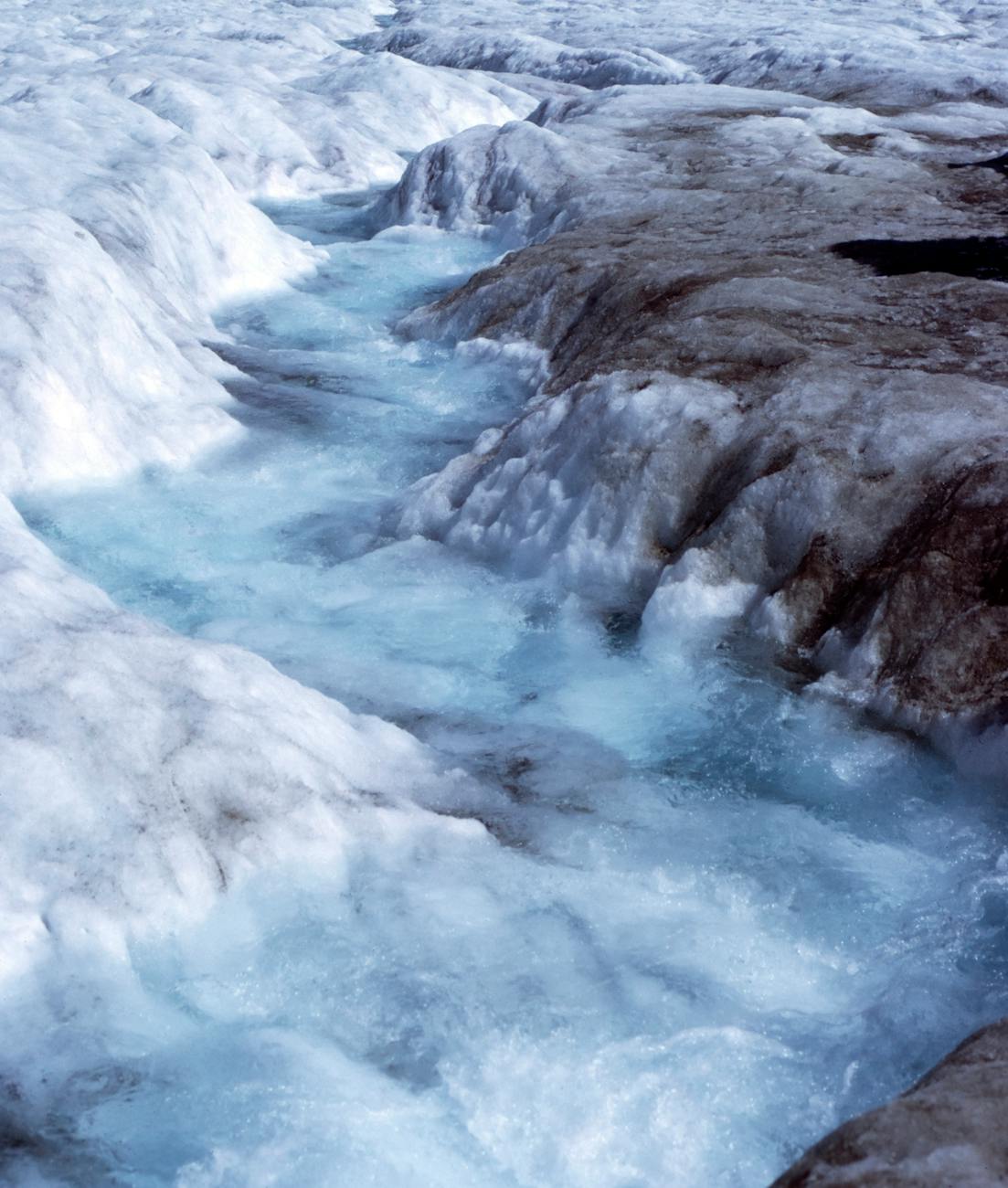
The Mesolithic was a turning point in human prehistory: a long in-between age when the great glaciers of the Pleistocene retreated, climates shifted, and human communities adapted in creative ways. It sat between the Palaeolithic, or Old Stone Age, and the Neolithic, or New Stone Age. That makes it easy to describe in a timeline, but much harder to reduce to a simple story.
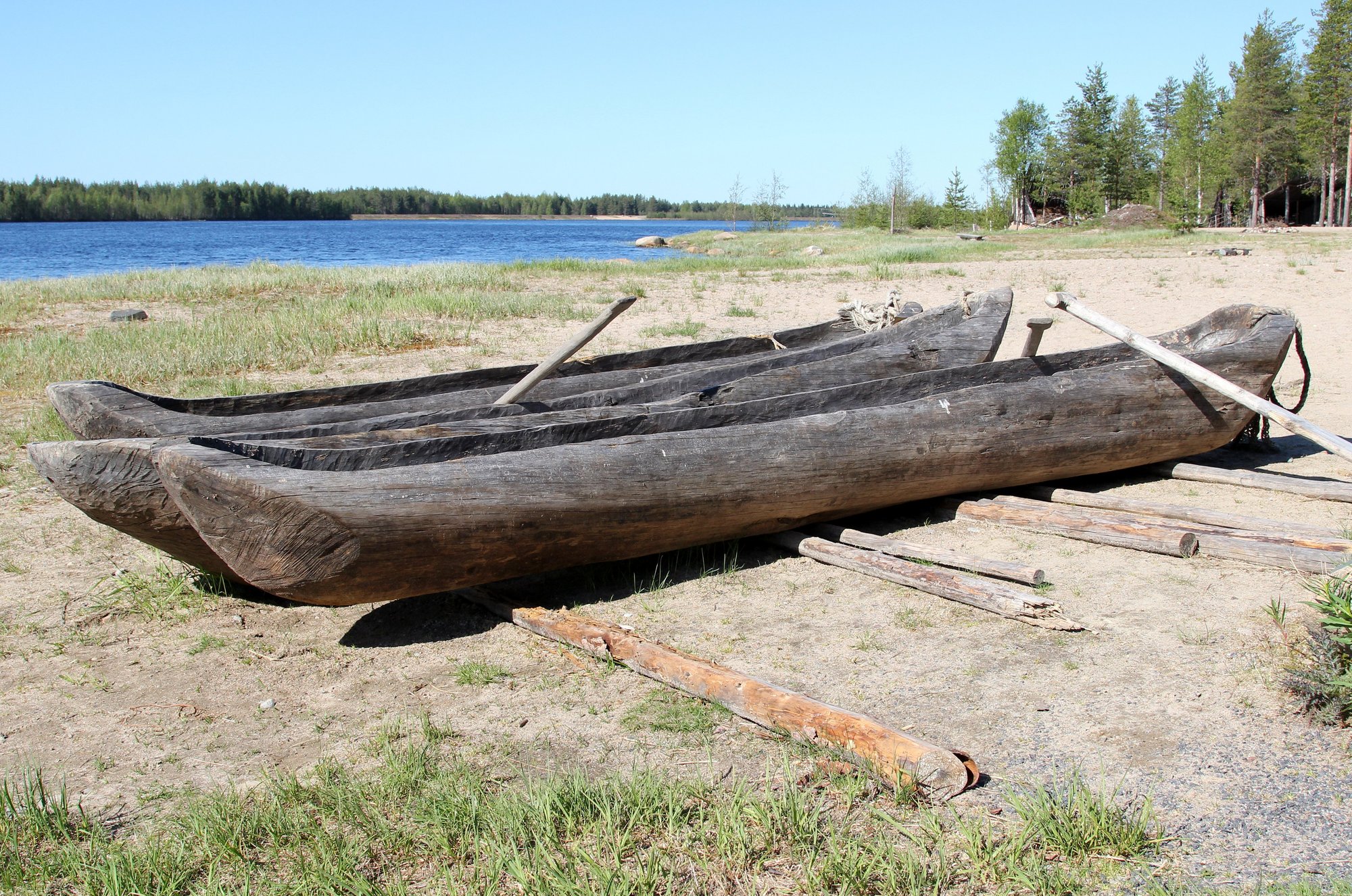
This was not an era of people merely waiting for farming to arrive. In many places, especially in northern Europe, Mesolithic societies developed ways of living that were well suited to warmer landscapes, wetlands, rivers, lakes, and coasts. They made new kinds of tools, used fishing equipment, built canoes and bows, and found ways to thrive in environments transformed by the end of the last Ice Age.
What the Mesolithic actually means
The word Mesolithic means “Middle Stone Age,” from Greek roots meaning “middle” and “stone.” It refers to a period of technological and cultural development between the Palaeolithic and the Neolithic. In practical terms, it began after the retreat of glaciers at the end of the Pleistocene, around 10,000 years before present, and ended with the introduction of agriculture.
That end date did not happen everywhere at the same time. In some regions, especially in the Near East, agriculture had already begun by the end of the Pleistocene, so the Mesolithic there was short and not always clearly defined. In places more strongly affected by the changing climate after the last ice age, the period is much more visible and lasted for thousands of years.
This uneven timing is one of the most important things to understand about prehistory in general. Prehistory did not end everywhere at once, and neither did each of its phases. Human societies moved through these changes region by region, shaped by local conditions.
After the glaciers: a new world emerges
The Mesolithic begins with a dramatic environmental shift. As the glaciers retreated, landscapes opened up and ecosystems changed. In northern Europe, warmer conditions helped create marshlands rich in food resources. These environments mattered enormously. A marshland is a wet, low-lying area that can support fish, birds, plants, and other life in abundance, making it a productive place for human communities.
Because of these rich food supplies, some societies in northern Europe were able to live very successfully without yet becoming full farming communities. This challenges the common assumption that human progress moved in a straight line from hunting to farming as quickly as possible. In some areas, Mesolithic life worked well for a very long time.
The article notes that these environmental conditions encouraged distinctive human behaviors, preserved in the archaeological record through cultures such as the Maglemosian and Azilian. In other words, as the Ice Age faded, people did not respond everywhere in the same way. They adapted according to the opportunities around them.
More than survival: a toolkit for a changing landscape
The Mesolithic is characterized in many areas by small composite flint tools, especially microliths and microburins. Microliths are tiny worked stone pieces, often blades or points, that could be combined into larger tools or weapons. Rather than one large stone point doing all the work, several small pieces could be fitted into a handle or shaft. This made toolkits flexible and efficient.
Microburins are small stone pieces linked to the production of these tool types. Together, they reflect a style of technology suited to precise and adaptable toolmaking.
But Mesolithic technology was not limited to stone. Archaeological finds from some sites include fishing tackle, stone adzes, and wooden objects such as canoes and bows. Fishing tackle includes equipment used to catch fish, while an adze is a cutting tool somewhat like an axe, often used for shaping wood. Canoes and bows suggest skill not just in toolmaking, but in travel, hunting, and the exploitation of rivers and wetlands.
These inventions and techniques show that Mesolithic communities were highly responsive to their surroundings. Waterways were not obstacles; they were routes and food sources. Forests were not just wilderness; they were places for hunting, woodcraft, and settlement.
Why the Mesolithic often seems harder to see
Compared with some other prehistoric periods, the Mesolithic can appear faint in the evidence. Remains from this time are described as few and far between, often limited to middens. A midden is essentially an ancient dump or refuse heap, where communities left behind shells, bones, tools, and other discarded material. Middens may not sound glamorous, but they can reveal a great deal about diet, daily life, and the use of local resources.
The patchiness of the evidence helps explain why the Mesolithic can feel less famous than the ages before and after it. The Palaeolithic offers very deep antiquity and early human milestones, while the Neolithic brings farming, villages, and more permanent settlements. The Mesolithic often sits between them, less monumental but no less important.
In fact, that modest material record may be part of what makes the period so fascinating. It captures people in motion, experimenting with landscapes that were themselves changing rapidly.
Before farming took over
One of the most interesting features of the Mesolithic is that it represents a world where agriculture had not yet fully taken over, yet people were already making sophisticated adaptations. In some places, the arrival of farming was delayed for millennia. Northern Europe is a striking example: rich marshland environments helped support societies so effectively that the transition to the Neolithic came as late as 4000 BCE in some areas.
That matters because it reminds us that agriculture was not simply an instant upgrade adopted everywhere at once. Human groups could flourish through hunting, gathering, fishing, and careful use of local environments. Mesolithic societies were not static or primitive in any simple sense. They were inventive and capable, using the resources available to them in complex ways.
The broader picture of prehistory also supports this. During the Palaeolithic, humans generally lived as nomadic hunter-gatherers, though some groups with abundant resources or advanced food storage developed more settled lifestyles. The Mesolithic continues this story of adaptation, but under new climatic conditions created by the end of the Ice Age.
The first signs of reshaping the environment
The Mesolithic is also important because it contains some of the first signs of deforestation in forested areas. Deforestation means the clearing or cutting down of forests. During the Mesolithic, these signs appear only in early form. The large-scale clearing of land would come more fully in the Neolithic, when agriculture demanded more space.
Even so, these early traces are significant. They show that humans were already beginning to alter landscapes in visible ways before farming became dominant. The world after the Ice Age was not just changing naturally; people were changing it too.
This makes the Mesolithic a key chapter in the long history of human environmental impact. It does not yet have the full-scale agricultural transformation associated with later periods, but it hints at the direction human societies were moving.
A period shaped by region
The Mesolithic cannot be understood as a single universal stage experienced in exactly the same way everywhere. In the Near East, where agriculture emerged early, the period is short and sometimes poorly defined. In some regions with limited glacial impact, the term Epipalaeolithic is preferred instead. In northern Europe, where the retreat of glaciers had major environmental effects, the Mesolithic lasted much longer and stands out more clearly.
This regional variation is part of a wider truth about prehistory. Archaeologists divide human prehistory into periods such as the Stone Age, Bronze Age, and Iron Age, but these labels are modern tools for understanding the past. They help organize evidence, yet the lived reality was always more varied.
The Mesolithic is a perfect example of that complexity. It was a middle age, but not a minor one.
Why Mesolithic life still matters
Mesolithic prehistory reveals human flexibility at a moment of enormous environmental change. As the last Ice Age ended, people did not simply endure a transformed world. They developed new technologies, used wetlands and waterways effectively, and began to leave subtle marks on forests and landscapes.
It was an age of adaptation rather than waiting, of ingenuity rather than pause. Tiny flint tools, fishing gear, bows, canoes, and the first hints of deforestation all point to communities actively shaping their futures long before farming villages became the dominant image of early civilization.
If the Neolithic is often remembered as the age that built a new world, the Mesolithic deserves recognition as the age that learned how to live in one newly made by melting ice.
Sources
Based on information from Prehistory.
More like this
More about archaeology
More about history
More about nature
Glaciers melted, humans adapted, and your curiosity can too — download DeepSwipe and explore the past one smart swipe at a time.


