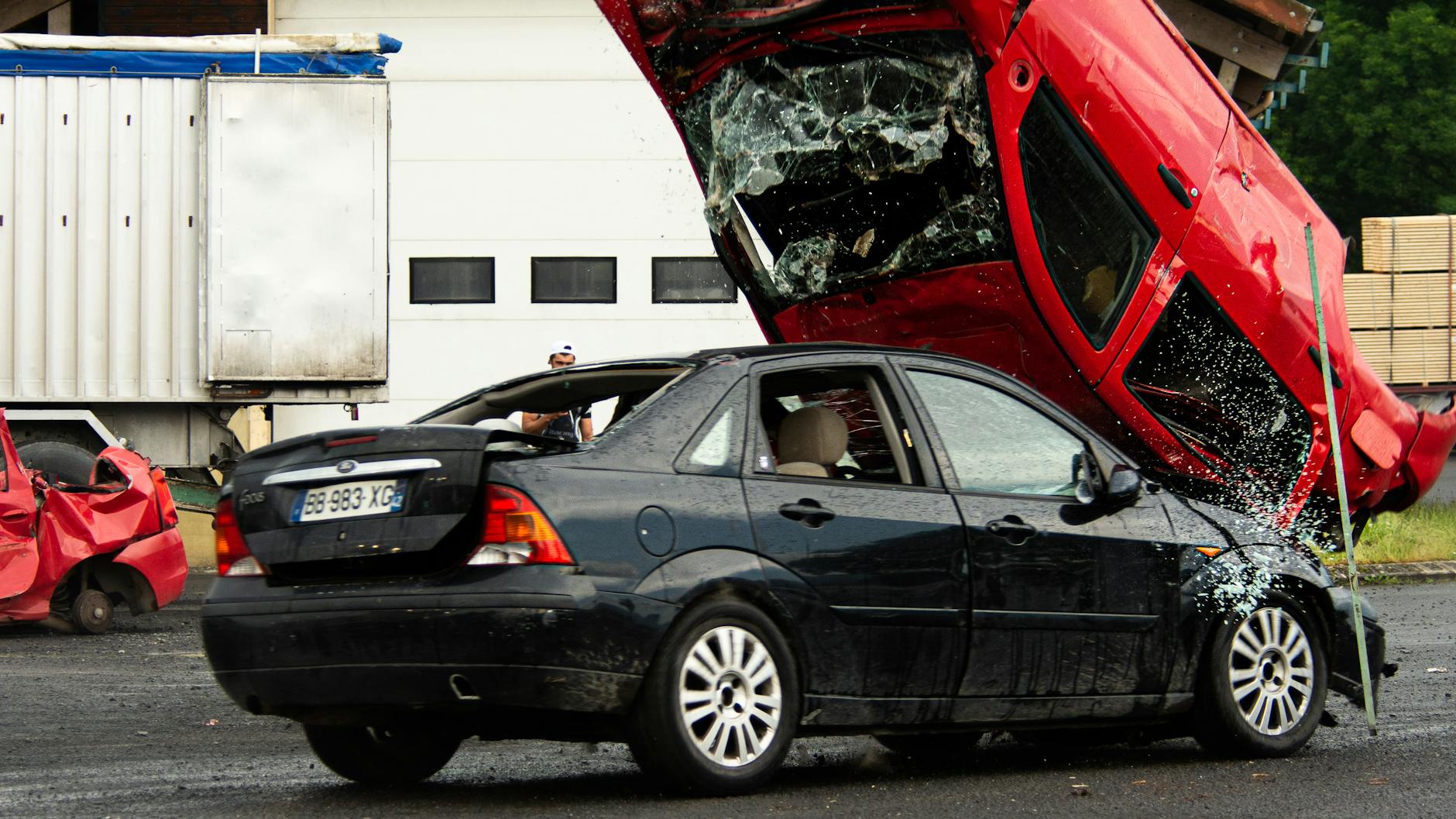
A Single Word Can Rewrite a Memory
You can watch the same car crash as everyone else and still remember it differently because of one verb. Ask whether the cars smashed instead of hit, and memory can start to shift.False Memory: How Questions Change What You Remember
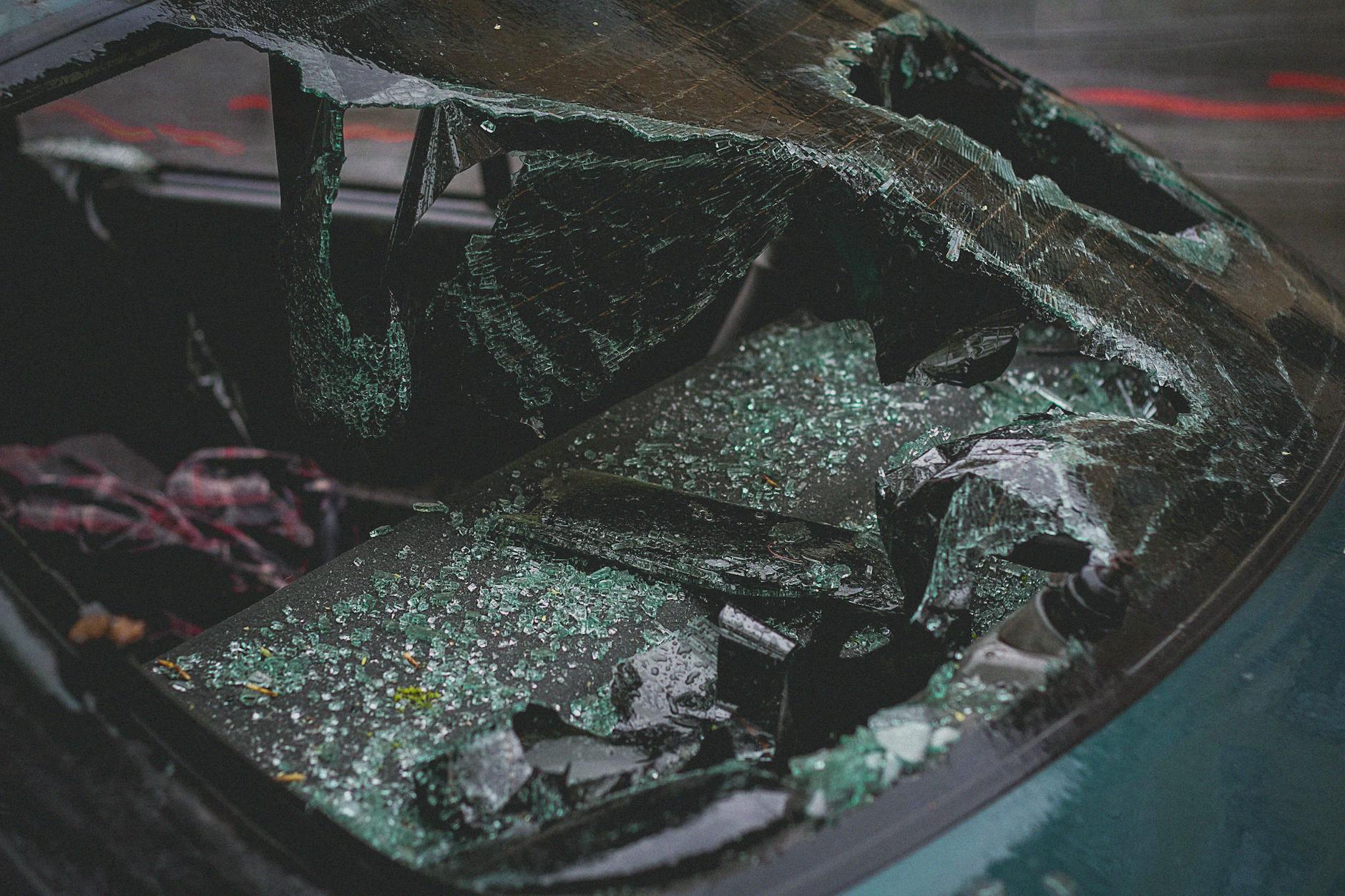
The Question Plants the Scene
When people were asked about cars that smashed into each other, they gave higher speed estimates than people who heard softer words. Later, more of them even remembered broken glass that was never there.False Memory: How Questions Change What You Remember
