Full article · 8 min read
Fukushima’s Longest Shadow: The Meltdown That Nearly Reached the Ground
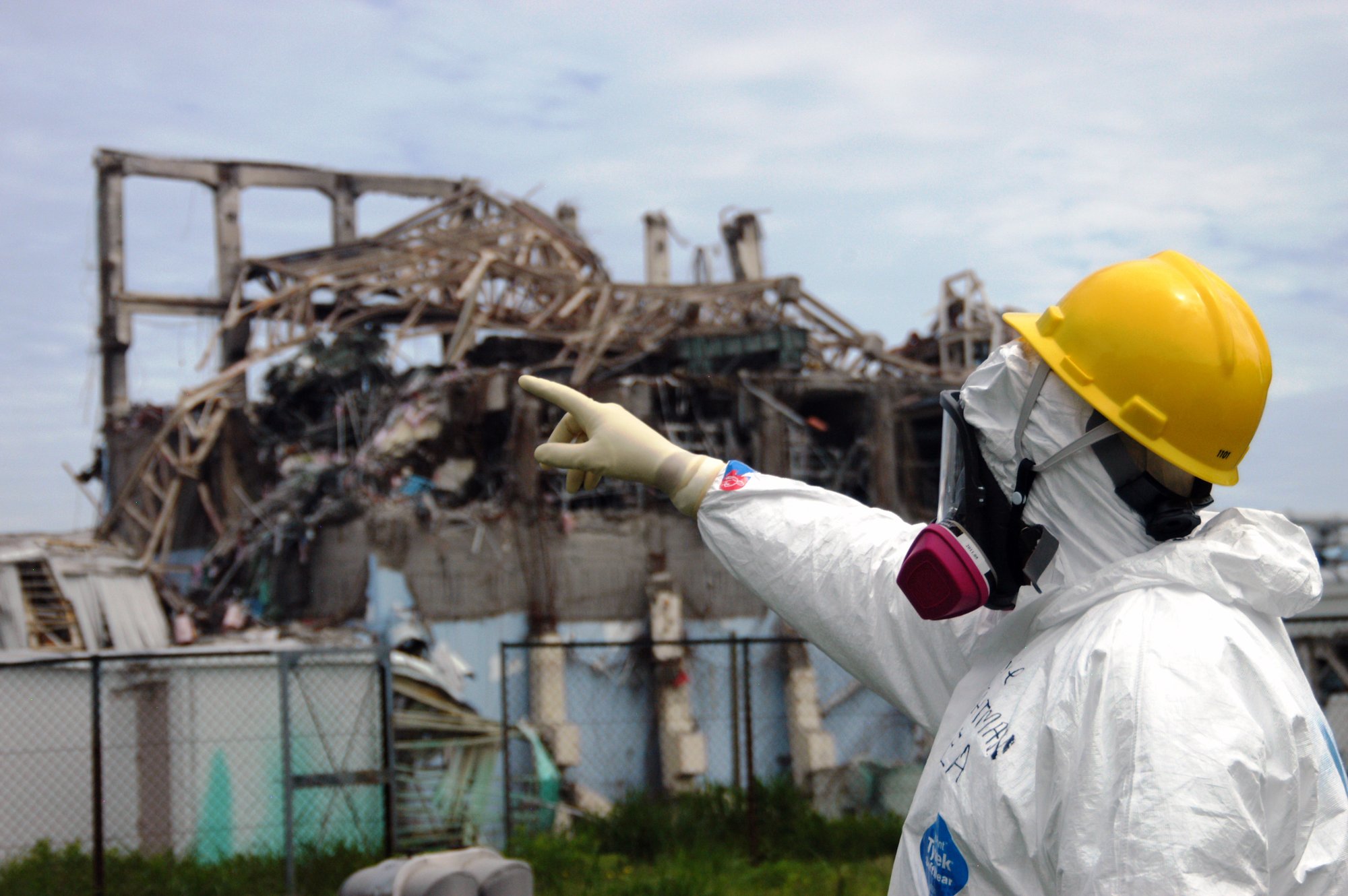
When most people think of Fukushima, they picture the explosions in March 2011. But the most unsettling part of the disaster was not just the dramatic first days. It was what happened inside the reactors afterward: fuel melting, containment being damaged, and a cleanup so difficult that it is planned to continue until about 2050.
One of the starkest findings came from Unit 1. Later analysis suggested that most of the melted fuel did not stay where it was supposed to. It likely escaped the reactor pressure vessel and ended up embedded in concrete at the bottom of the primary containment vessel. A later simulation went even further, estimating that the melted fuel may have eaten into the concrete foundation and come within about 30 centimeters — roughly one foot — of leaking into the ground.
That image captures why the Fukushima nuclear accident did not end when the alarms faded. It became a decades-long struggle with molten fuel debris, damaged structures, contaminated water, evacuation, compensation, and the lingering consequences of a catastrophe judged to be the worst nuclear incident since Chernobyl.
What “meltdown” meant at Fukushima
A reactor pressure vessel is the thick steel container that holds the nuclear fuel. In normal conditions, cooling systems keep that fuel from overheating. At Fukushima Daiichi, the earthquake automatically shut down the reactors that were operating, but shutdown did not mean the danger was over. Even after shutdown, reactors and spent fuel still needed cooling.
The earthquake and tsunami knocked out the electrical grid and severely damaged backup power. Without enough electricity, cooling systems could no longer reliably do their job. That led to overheating, damage to the reactor core, and the release of radioactive contaminants.
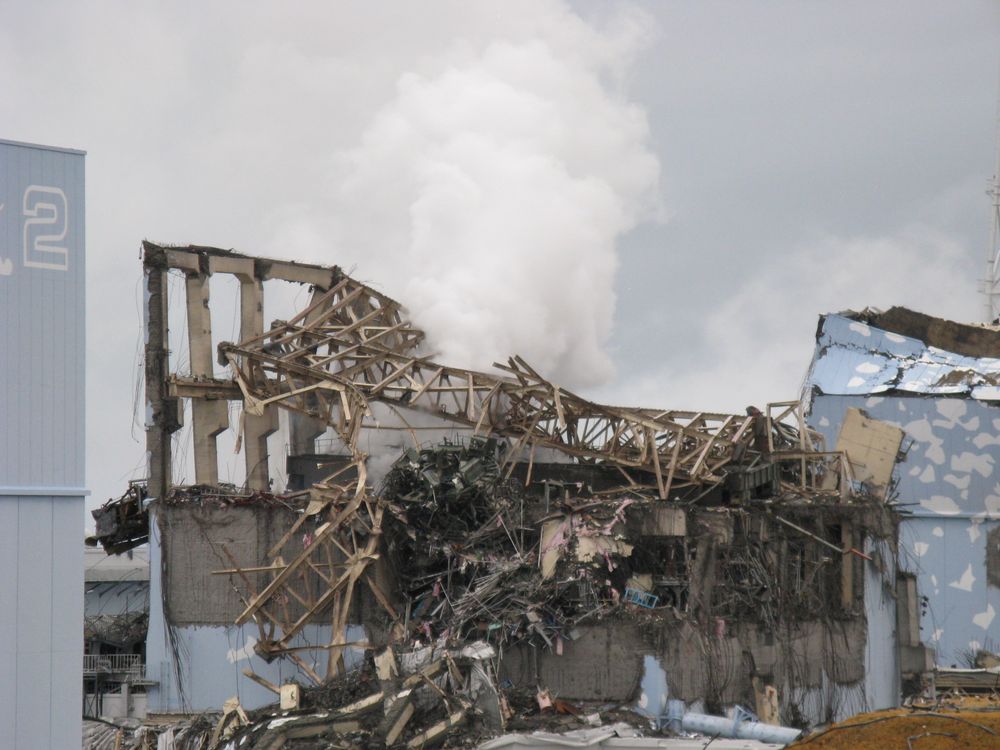
In Unit 1, operators lost the ability to depend on the normal emergency cooling setup. They attempted to use fire protection equipment and later a fire truck to inject water, but pressure problems, equipment failures, hidden connection points under debris, and repeated interruptions slowed the response. A hydrogen explosion then damaged the reactor building, further disrupting emergency measures.
Subsequent analysis in November 2011 suggested that this long period without cooling caused the fuel in Unit 1 to melt. Not only did the core suffer severe damage, but much of the fuel was thought to have escaped the reactor pressure vessel itself.
The terrifying Unit 1 estimate
The most memorable detail from later computer simulations is how close the damage may have come to becoming even worse. In 2013, simulations suggested that the melted fuel in Unit 1 had breached the bottom of the primary containment vessel and partially eaten into the concrete foundation, stopping only about 30 centimeters short of the ground.
That estimate is striking, but it came with an important caveat: the exact condition inside the reactors remained uncertain. A Kyoto University nuclear engineer summed up the problem bluntly by saying that no one could be sure until the inside of the reactors was actually seen.
That uncertainty is one of the defining features of Fukushima’s aftermath. Even with pressure readings, radiation measurements, and simulations, investigators were often reconstructing events inside heavily damaged, highly radioactive structures that were extraordinarily difficult for humans to inspect directly.
Why nobody could see everything clearly
Fukushima was not a simple industrial accident where investigators could walk into the damaged area and inspect every part. Radiation hazards, explosions, broken equipment, flooding, and loss of instrumentation made that impossible in many areas.
Some control room indications stopped functioning during the crisis. Operators in Unit 1 had to infer what was happening from partial information. In Unit 2 and Unit 3, emergency cooling systems worked for a time but later failed after long operation, depleted resources, malfunctioning valves, or lack of power and compressed air. In Unit 4, even though the reactor itself was not fueled at the time, an explosion damaged the building, likely because hydrogen from Unit 3 passed through shared pipes.
As the crisis unfolded, robots were sent in to help assess conditions, but the accident showed how limited robotics still were in such an environment. Machines could take pictures and assist with inspection, but they often lacked the dexterity and robustness needed for the full range of tasks human workers would normally perform. Several specially designed robots later became non-functional because of the intense radioactivity.
That is why uncertainty persisted for years. Some of the most important questions involved places too dangerous, too damaged, or too inaccessible for easy inspection.
Fuel debris: the nightmare at the center of cleanup
One of the key phrases in the long Fukushima recovery is fuel debris. This means melted nuclear fuel mixed with broken metal, structural materials, and other wreckage from inside the damaged reactors.
This is not a matter of simply pulling intact fuel rods from a storage pool. Fuel debris is irregular, hazardous, highly radioactive material lodged inside damaged containment areas. Its location and condition differ from unit to unit. That makes removal slow, technically challenging, and dangerous.
TEPCO plans to remove the remaining molten fuel debris from the reactor containments of Units 1, 2, and 3 by about 2050. That timetable alone shows how different the long aftermath is from the dramatic opening phase of the disaster. The emergency may have begun in days, but the recovery stretches across generations.
Plant management estimated that decontaminating affected areas and decommissioning the plant would take 30 to 40 years from the accident. In other words, Fukushima is not just a historical event from 2011. It is an ongoing industrial, environmental, and social project extending deep into the middle of the 21st century.
A disaster that kept growing after the first week
The explosions at Fukushima became global symbols, but the aftermath spread into many other difficult problems.
There was the challenge of evacuation. At least 164,000 residents of the surrounding area were permanently or temporarily displaced. The displacements were linked to at least 51 deaths, especially among vulnerable hospital and nursing home patients, and caused severe stress and fear. Even ten years later, more than 41,000 people from Fukushima were still living as evacuees.
There was also the issue of contaminated water. Cooling water continued to be pumped into damaged reactors, while groundwater seeped into the structures. Large amounts of water had to be removed, treated, reused, or stored. By October 2019, 1.17 million cubic meters of contaminated water was stored in the plant area. The handling and eventual discharge of treated water became a major international controversy, prompting protests in neighboring countries and criticism from fishing communities and activists.
Then came the enormous cost. In 2016, Japan’s trade ministry estimated cleanup and compensation costs at 20 trillion yen. Later government estimates put decontamination, compensation, decommissioning, and radioactive waste storage costs even higher.
So when people say Fukushima “didn’t end,” that is not a metaphor. The reactors had to be stabilized, damaged fuel had to be understood and eventually removed, water had to be managed every day, communities had to rebuild, and compensation battles continued in court for years.
Why the aftermath became so long
Investigations concluded that the catastrophe was not just a natural disaster. They found failures in safety culture, risk assessment, and oversight. The Fukushima Nuclear Accident Independent Investigation Commission concluded that the accident was foreseeable and preventable. The commission argued that government and company leaders failed in their responsibility to protect society.
Warnings about tsunami risk had existed years before 2011. Studies and internal reports had identified the possibility of much larger tsunami heights than the assumptions being used. Yet necessary protective action was not taken.
That matters because the length of Fukushima’s aftermath was shaped not only by the power of the earthquake and tsunami, but also by earlier decisions about preparedness. Once multiple reactors lost power and cooling, the consequences became much harder to control. And once molten fuel damaged vessels and containment, the cleanup moved into a far more difficult category.
The human meaning of a “long aftermath”
The phrase “long aftermath” can sound abstract, but at Fukushima it meant fractured lives. Surveys of evacuees found worsening health, financial hardship, family separation, sleep problems, and increased stress. Many people were forced to move multiple times as evacuation zones changed. One-third of surveyed families were living apart from their children, and half were living away from other family members they had lived with before the disaster.
The accident also left a legacy of fear, mistrust, and uncertainty. Communication failures in the early weeks damaged confidence in both the government and TEPCO. Key data was mishandled or delayed. Records were not always kept. Even the phrase “core meltdown” was reportedly avoided for a time.
That helps explain why Fukushima is remembered not just as a technological disaster, but as a social one. It exposed how difficult it can be to communicate risk, protect vulnerable people during evacuation, and manage public trust when information is incomplete.
The meltdown that became a decades-long reckoning
Unit 1’s estimated near-breach of the ground remains one of the most haunting images from Fukushima. A melted core may have burned through steel, dropped into containment, eaten into concrete, and stopped only about a foot short of the earth below. Yet even that dramatic picture came with uncertainty, because the destruction was so extreme that investigators could not fully verify everything right away.
That uncertainty is part of the story. Fukushima was not a disaster with a clean ending. It became a prolonged confrontation with damaged reactors that were difficult even to inspect, let alone dismantle.
The explosions made headlines, but the deeper story was what followed: years of analysis, the discovery of just how badly fuel had melted, the realization that cleanup would take 30 to 40 years, and the ongoing plan to remove molten fuel debris by about 2050.
Some disasters are a single terrible event. Fukushima became something else — a disaster whose most important chapter was the one that kept going.
Sources
Based on information from Fukushima nuclear accident.
More like this
More about history
More about science
More about technology
Some stories don’t end in one swipe — they unfold for decades. Download DeepSwipe and dive deeper into the long aftermath of history’s biggest events.