Full article · 6 min read
Copper Age and Bronze Age Prehistory: When Metal Began to Reshape the Human World
Long before written records became common, human societies were already experimenting with materials that would transform daily life. One of the most fascinating turning points came in the age between stone and full bronze technology: the Chalcolithic, also called the Copper Age. It was a transitional world, neither fully Stone Age nor fully Bronze Age, where people still depended heavily on stone tools while beginning to work with copper.
This period matters because it shows that technological change is rarely instant. New inventions often begin as hybrids, with old and new methods existing side by side. In the Copper Age, early metallurgy emerged, but stone tools remained widespread. Then, with the discovery that copper mixed with tin created the harder metal bronze, another major shift began.
What was the Chalcolithic?
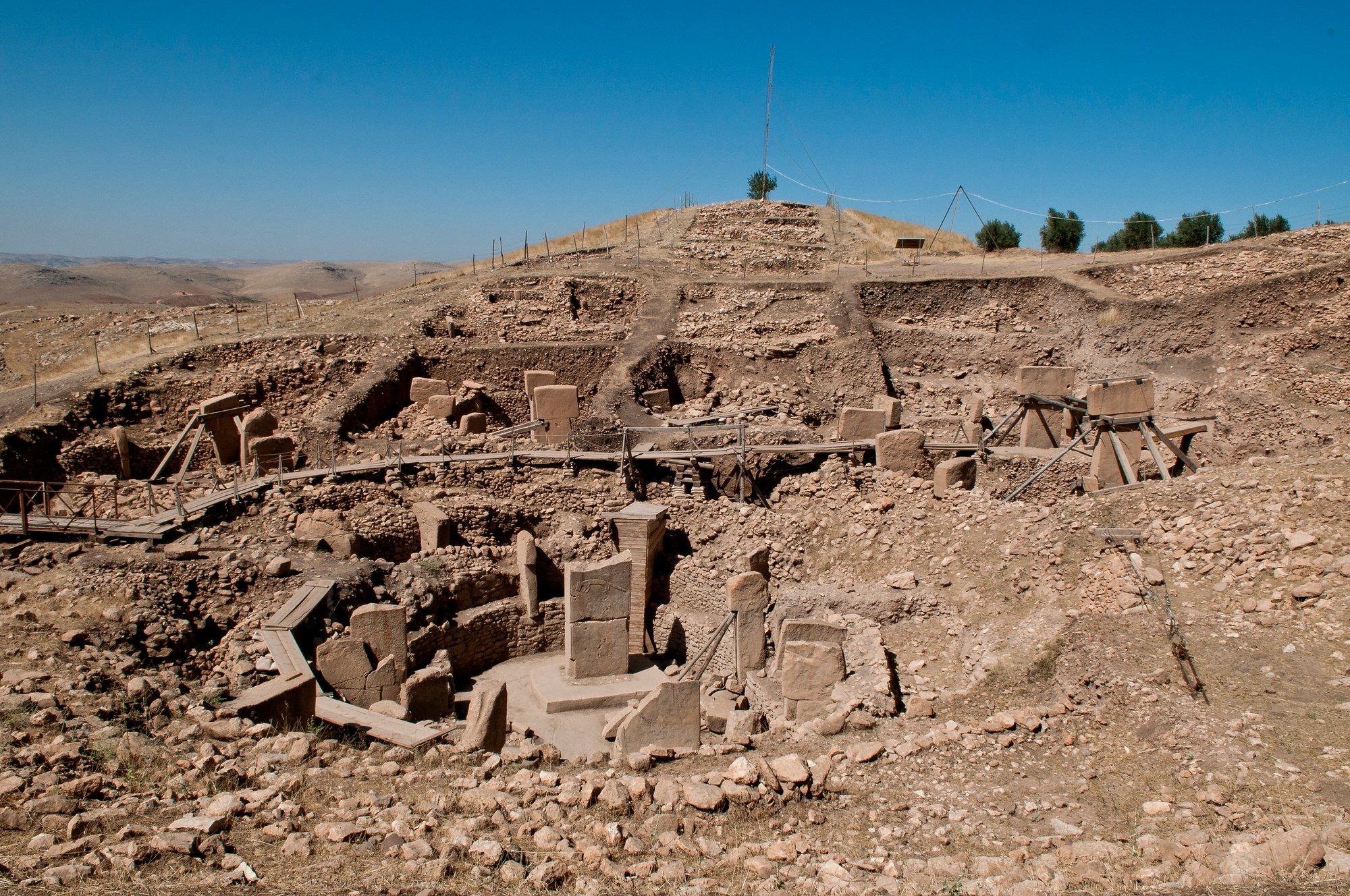
The Chalcolithic, or Copper Age, was a phase in Old World archaeology when early copper metallurgy appeared alongside continued use of stone tools. The term describes a true transition period between the Stone Age and the Bronze Age.
That in-between quality is what makes it so interesting. People had not abandoned older technologies. Instead, some tools and weapons were made of copper, while many everyday items continued to be made from stone. In other words, the Copper Age was still largely Neolithic in character. The Neolithic is the later part of the Stone Age associated with farming, animal domestication, permanent settlements, and early villages.
So despite the arrival of metal, this was not yet a fully metallic world. Communities were still living in ways deeply rooted in earlier prehistoric traditions.
Early copper working did not necessarily spread from one single source
One of the most striking discoveries connected to the Copper Age comes from Serbia. An archaeological site there contains the oldest securely dated evidence of copper making at high temperature, from 7,500 years ago. High-temperature copper making refers to copper smelting, the process of extracting usable metal by heating ore intensely.
This discovery, reported in 2010, pushed back the known record of copper smelting by about 800 years. Even more importantly, it suggests that copper smelting may have been invented independently in separate parts of Asia and Europe rather than spreading from a single birthplace.
That possibility changes how we think about prehistoric innovation. Instead of one center inventing metallurgy and everyone else copying it, different communities may have reached similar breakthroughs on their own. For prehistory, where there are no written records from the people involved, such conclusions come from material evidence uncovered by archaeology.
Why copper was important, even before bronze
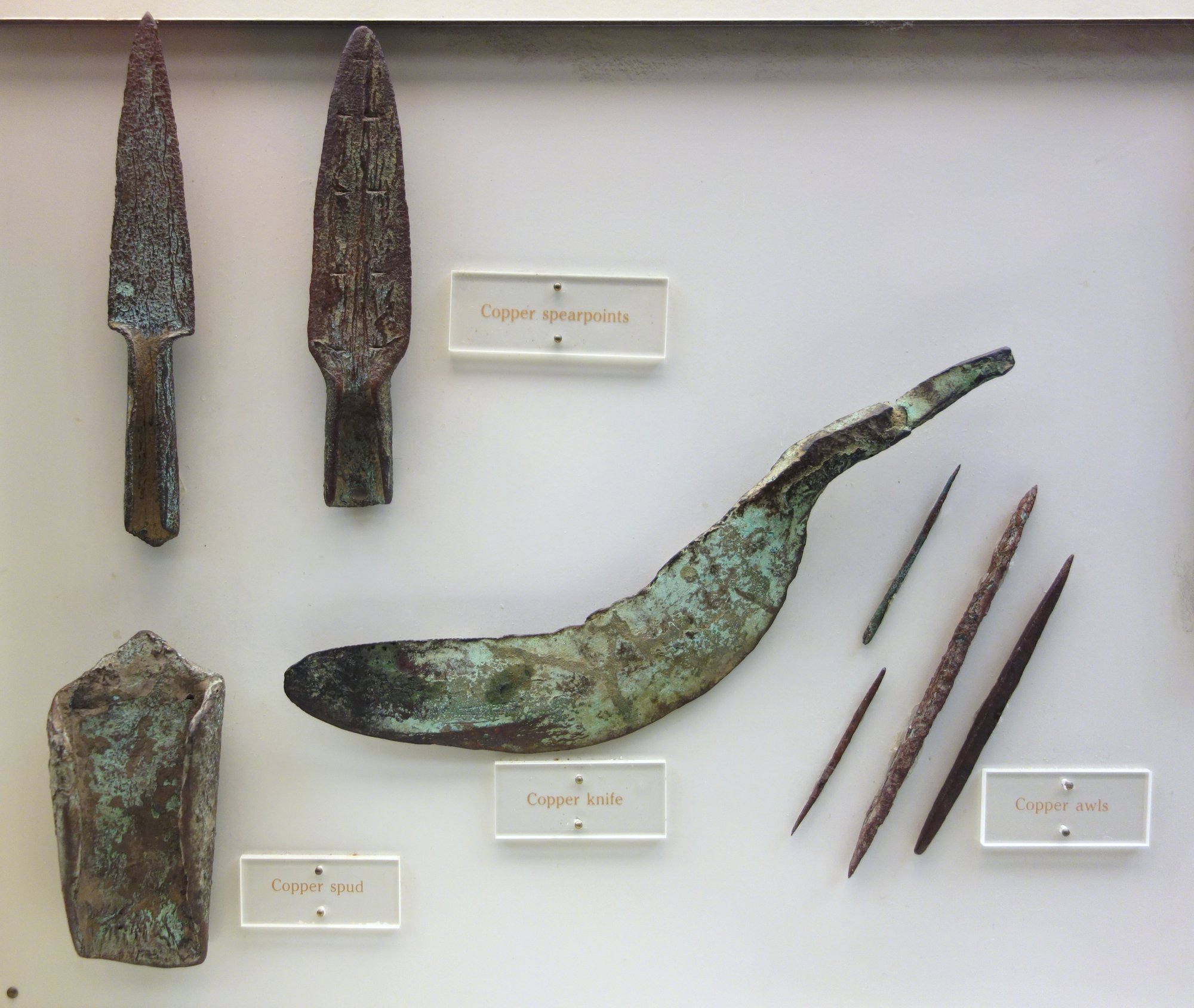
Copper was one of the earliest metals worked by humans, and its appearance marked a major technological development. Yet the Copper Age was not a simple story of stone instantly losing relevance. Archaeological evidence shows that stone tools remained widespread even as copper metallurgy appeared.
This overlap makes sense. Technological change usually unfolds gradually. People keep using familiar materials while experimenting with new ones. In the Chalcolithic, some weapons and tools were made of copper, but the broader material culture still retained much of its Stone Age foundation.
The Middle East offers a particularly important example in discussions of this transition. There, the shift from the Neolithic to the Chalcolithic is characterized in archaeological stone tool assemblages by a decline in high-quality raw material procurement and use. In simpler terms, the stone tool record itself shows changes that match the growing importance of metal.
Bronze: the harder metal that changed everything
The next leap came when people discovered that adding tin to copper produced bronze, a harder metal. This was the foundation of the Bronze Age.
The Bronze Age refers to a period when the most advanced metalworking involved smelting copper and tin from naturally occurring ores and combining them to cast bronze. Smelting means using heat to separate metal from ore, while casting means pouring molten metal into a shape.
This mattered because bronze was harder than copper alone. A harder metal could improve the durability and effectiveness of tools and weapons. In some areas, the invention of writing coincided with the beginnings of the Bronze Age, but for many regions the Bronze Age remained part of prehistory because local societies still did not keep written records.
Tin was rare, and rarity created trade networks
Copper was comparatively common, but tin was rare in the Old World. That rarity had enormous consequences. Because tin deposits were limited, tin often had to be traded or carried considerable distances from the few available mines.
This helped stimulate the creation of extensive trading routes. In effect, bronze was not just a technological achievement. It was also an economic and social one. A metal that required two ingredients, one of them scarce, encouraged contact between distant regions.
That is one reason the story of bronze is also a story of mobility, exchange, and connection. Long-distance trade was not just about luxury. It was built into the material requirements of bronze itself.
Bronze and power
The rise of bronze also had social consequences. In many places as far apart as China and England, the valuable new material was used for weapons, though for a long time it apparently was not widely available for agricultural tools. Much of it seems to have been hoarded by social elites. Some of these bronzes were even deposited in extravagant quantities, including Chinese ritual bronzes, Indian copper hoards, and European hoards of unused axe-heads.
This suggests that metal was not only practical. It could also signal wealth, status, and control. When a material is valuable, difficult to produce, and dependent on long-distance supply, it often becomes tied to power.
By the end of the Bronze Age, large states had arisen in places such as Egypt, China, Anatolia, and Mesopotamia. Their armies imposed themselves on people with different cultures, and these states are often called empires.
The Copper Age as a bridge between worlds
The Chalcolithic is easy to overlook because it sits between two more famous eras: the Stone Age and the Bronze Age. But that is exactly why it deserves attention. It captures a moment when human societies were testing a new material without yet fully reorganizing around it.
People still lived in communities shaped by the Neolithic world of farming and settlement, yet they were also beginning to explore metallurgy. In that sense, the Copper Age was a laboratory of change.
Evidence from Serbia points to surprisingly early and possibly independent copper smelting. Evidence from regions such as the Middle East shows that older stone-based technologies did not vanish all at once. And the emergence of bronze demonstrates how one technical insight, adding tin to copper, could trigger larger shifts in trade, wealth, and political power.
Why this prehistoric transition still fascinates us
Prehistory is the span before societies developed their own writing systems, so understanding these changes depends on archaeology and related sciences. That makes every furnace remain, every metal object, and every tool assemblage especially valuable. These finds are the clues that allow researchers to reconstruct how major transformations unfolded.
The Copper Age and Bronze Age show that human progress is often cumulative. First came stone technologies refined over immense spans of time. Then came copper, still sharing the stage with stone. Then came bronze, harder and more demanding in terms of resources, but powerful enough to reshape exchange networks and social hierarchy.
It was not a clean break. It was an evolving prehistoric experiment, and one of the most important in human technological history.
Sources
Based on information from Prehistory.
More like this
More about history
More about technology
Forge your curiosity into something sharper than bronze — download DeepSwipe and keep exploring history one swipe at a time.