Sources
Based on information from Epidural administration.
4 slides · 2 min read
1 / 4
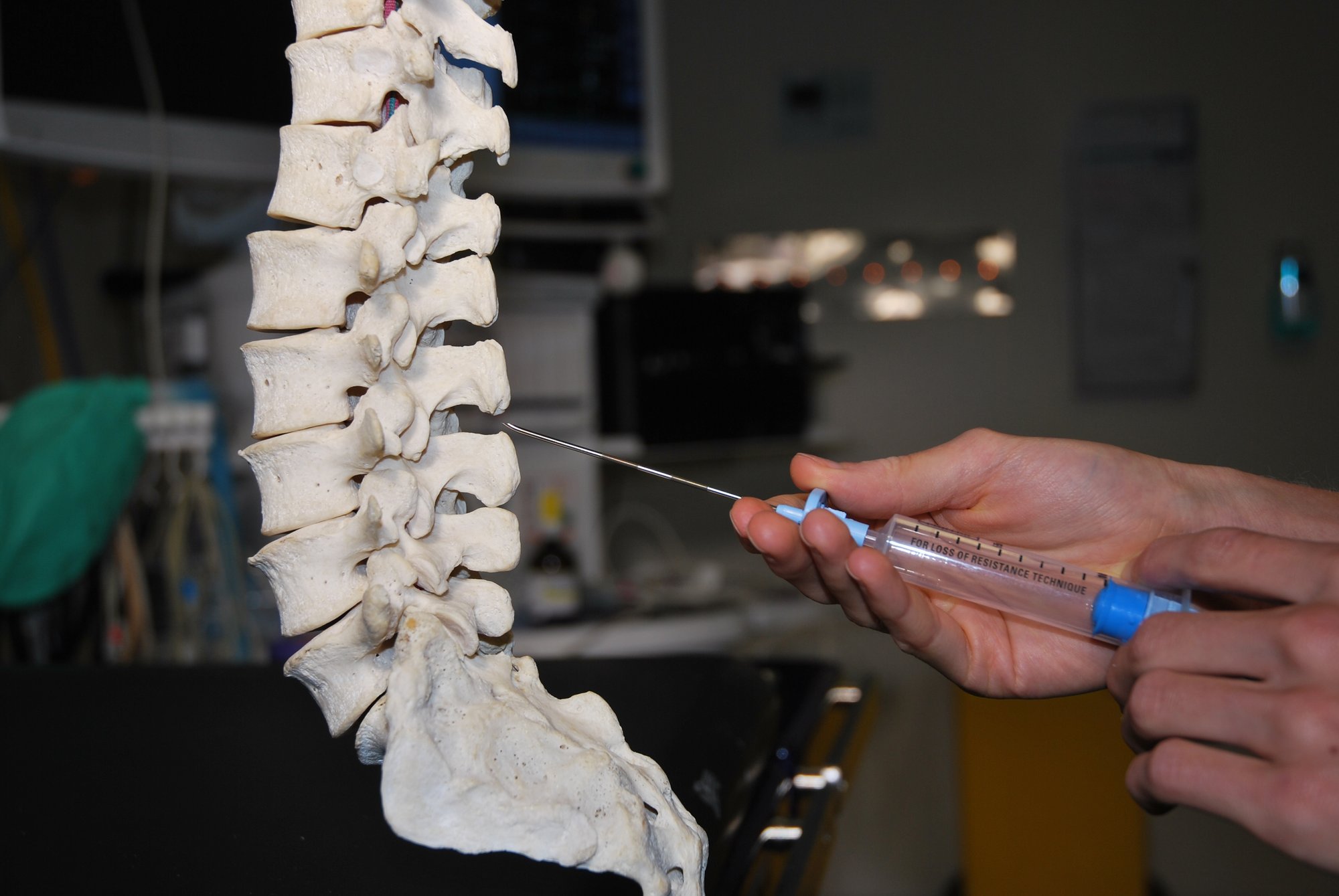
During childbirth, an epidural often takes away pain while still leaving the feeling of pressure. That is why many people can stay aware of labor without feeling the full force of it.
2 / 4
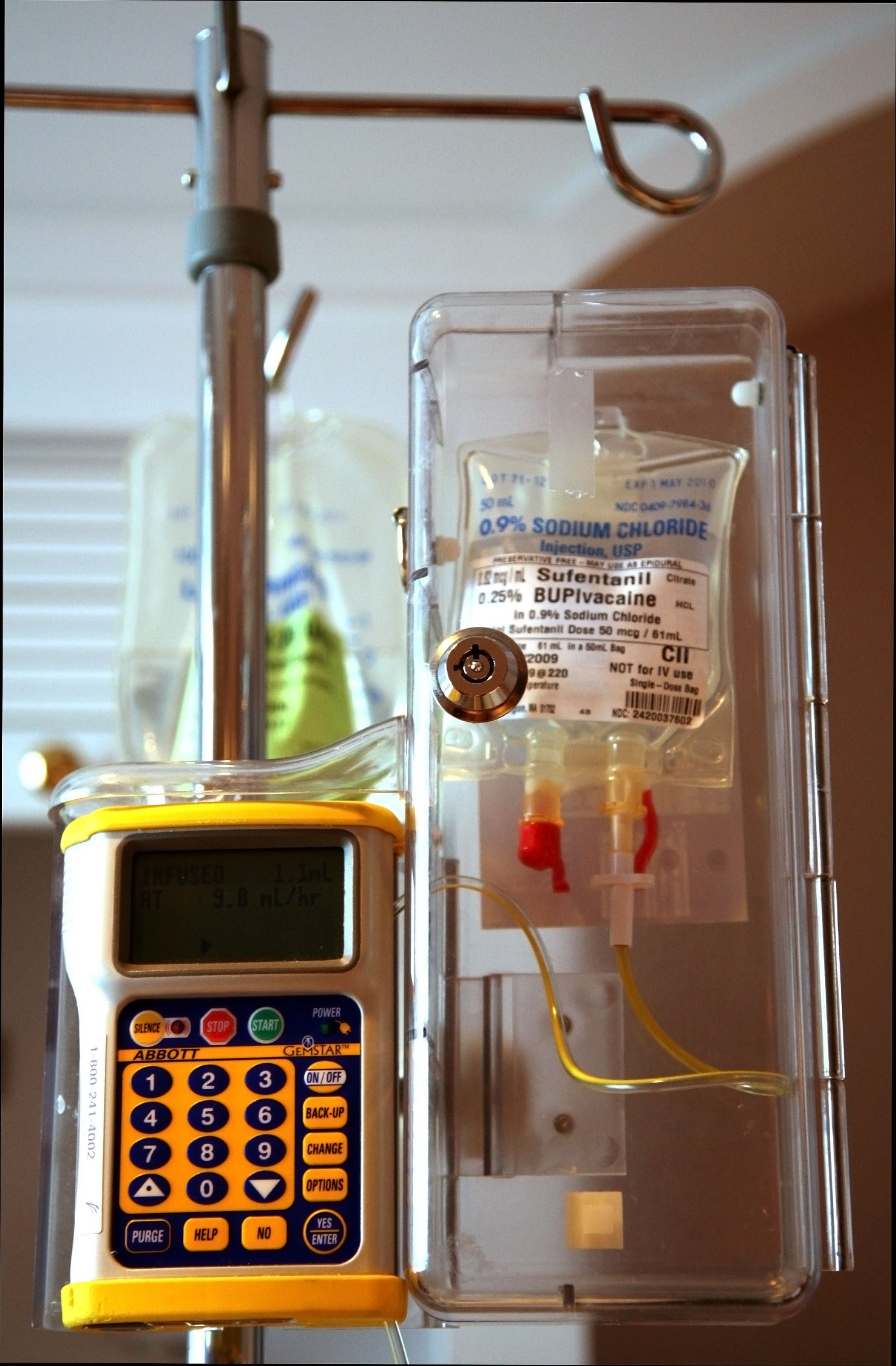
For labor pain, epidural analgesia is considered safer and more effective than painkillers given by mouth or through an IV. It is also linked with fewer cases where newborns need naloxone, a drug that reverses opioid effects, and a lower risk of the mother breathing too fast.
3 / 4
Epidurals can also lengthen labor, increase the need for oxytocin, and raise the risk of fever, low blood pressure, and muscle weakness. They may also reduce how much the mother can move during labor, especially if it is not a low-dose epidural.
4 / 4
Despite old fears, epidural use during labor does not increase overall Caesarean delivery rates. It also does not seem to change a newborn's immediate health overall, and long-term backache is unchanged after epidural use.
Based on information from Epidural administration.