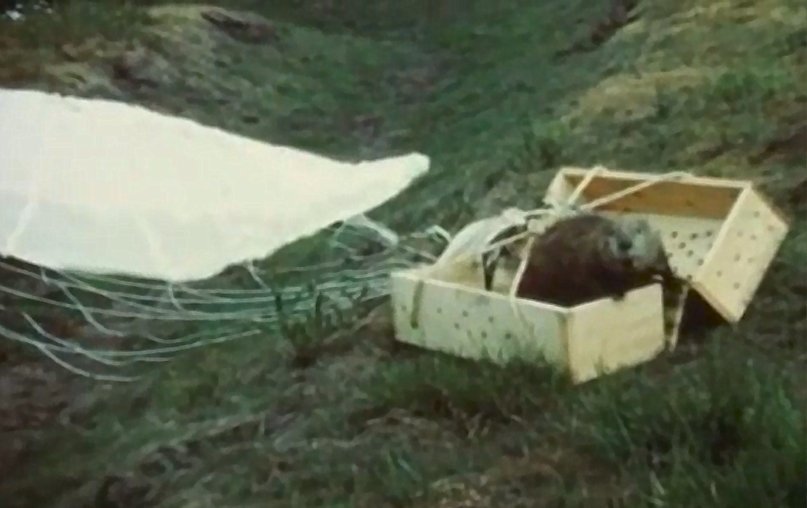
Putting a Price on a Beaver’s Work
Before the Beaver Drop ever reached the skies, Idaho’s game managers sat down with a pencil and paper and did something unusual: they tried to calculate the economic value of a beaver.
For generations, beavers had been hunted mainly for their fur. Trappers thought in terms of pelts and prices, not ponds and wetlands. But by the mid‑20th century, attitudes were shifting. What if a living beaver—busy cutting trees and building dams—was actually worth more than its hide?
A New Kind of Accounting
Since 1936, the United States Department of the Interior had been quietly relocating beavers back into Idaho. Officials knew it wasn’t free. They estimated that it cost about $8 to move one beaver into new habitat, a figure that would equal about $190 in 2025.
Then they looked at the other side of the ledger. A single beaver, over the course of its life, reshaped streams, slowed water, and built ponds that sheltered fish and birds. Those changes reduced erosion, improved water quality, and helped support fisheries and wildlife.
When they translated that work into dollars, the numbers were striking: the estimated value of what one beaver did over its lifetime was about $300, or roughly $6,900 in 2025 terms—far more than the cost of moving it.

From Fur to Ecosystem Services
That calculation captured a bigger shift in thinking. Beavers were no longer just fur-bearing animals; they were partners in managing water. Their dams acted like natural infrastructure—small, self-maintaining structures that governments didn’t have to build or repair.
Beaver ponds slowed floods, stored water that could seep into the ground, and created marshy edges where countless creatures could live. Instead of draining wetlands, Idaho officials were now investing in them, one animal at a time.
A Rationale for Relocation
This economic insight helped explain why Idaho chose relocation over extermination when residents complained. Killing beavers might solve a local inconvenience, but it would also destroy thousands of dollars’ worth of ecological work.
By contrast, moving the animals meant preserving their value while removing them from trouble spots. The question then became: how do you relocate them efficiently and safely across rugged mountain country?
Takeaway
The Beaver Drop is memorable for its parachutes, but it rests on a simple idea: sometimes the cheapest solution is to let nature do the engineering. Once officials counted the beaver’s work as an asset, the animal stopped being a nuisance and became an investment worth saving.