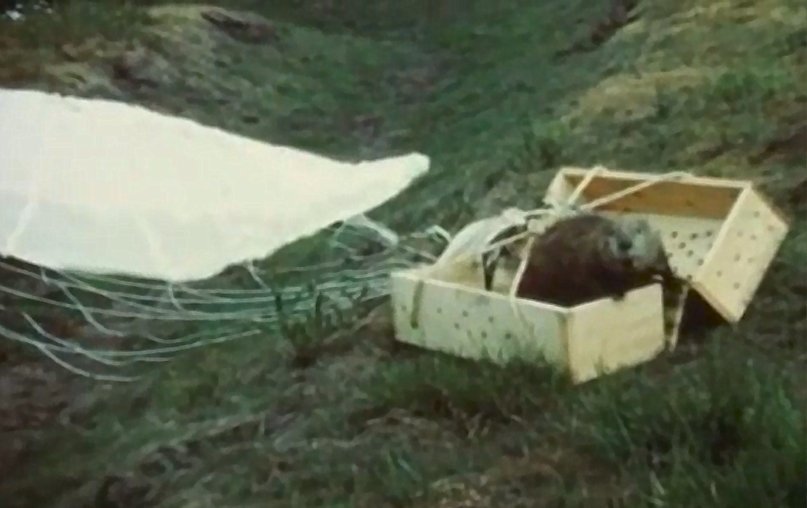
Suburbs vs. Beavers in Postwar Idaho
In the late 1940s, as World War II ended and soldiers came home, Idaho went through a quiet revolution. People left the cities and spread into rural areas in the southwest of the state, building homes closer to rivers, creeks, and lakes. They didn’t arrive alone. They moved right into the middle of beaver country.
Beavers had long shaped Idaho’s waterways, felling trees and building dams that slowed streams and pooled water. Those same talents that made them vital to wetlands began colliding with new human expectations: shade trees in yards, clear drainage ditches, and neatly ordered shorelines.
From Ecosystem Hero to Local Pest
Almost overnight, the Idaho Department of Fish and Game was flooded with complaints. Residents reported trees being cut, culverts blocked, and dams popping up where people wanted open flow. In town, the beaver’s centuries‑old engineering suddenly looked like vandalism.
Yet biologists and game managers knew a different story. Beavers were considered crucial to the health of Idaho’s wetlands. Their dams reduced erosion by slowing fast-moving water, improved water quality by trapping sediment, and created ponds and channels that served as habitats for birds and fish.
There was another complication: beavers had only recently begun to recover. Overhunting during the fur trade era had driven their numbers dangerously low. Since 1936, the U.S. Department of the Interior had been carefully relocating beavers back into Idaho’s landscapes. Each animal cost about $8 to move—a modest investment, considering that the value of a beaver’s work over its life was estimated at $300.

The Dilemma: Kill Them or Move Them?
So when new homeowners wanted their problem animals gone, state officials faced a difficult choice. Exterminating beavers would please residents in the short term, but it would also undercut years of restoration and the ecological services beavers provided.
Instead, they chose a third path: move the beavers. If they could get them out of conflict zones and into empty wilderness where their dam-building would be a blessing rather than a nuisance, everyone might win.
That decision—to treat beavers not as disposable pests but as valuable workers who merely needed a new job site—set the stage for one of the strangest wildlife management schemes in American history.
Takeaway
The Beaver Drop story begins not with airplanes and parachutes, but with a familiar tension: people, pushing into new places, suddenly discovering that nature was already there, busy at work. The solution would prove as imaginative as the problem was ordinary.