On the night of 9–10 March 1945, Tokyo was hit by what became the single most destructive air raid of World War II. It was not an atomic attack. It was a conventional bombing raid that unleashed a vast urban fire, killing tens of thousands of people, injuring many more, and leaving over a million without homes.
The attack has become one of the defining examples of how air power changed modern war. In a matter of hours, a huge section of one of the world’s largest cities was destroyed.
Watch the story on DeepSwipe
Why Tokyo was so vulnerable
Tokyo was especially exposed to fire. Like many Japanese cities at the time, it contained crowded urban districts and large numbers of buildings made from highly flammable materials such as wood and paper. Residential neighborhoods were dense, and industrial and military facilities were often mixed in with civilian housing.
This made firebombing particularly devastating. A firebombing raid is an air attack designed to start many fires at once rather than relying mainly on blast damage. In a tightly packed city, separate fires can merge into a conflagration, meaning a massive, uncontrolled blaze spreading across entire districts.
Japan’s civil defense system was not prepared for destruction on this scale. Firefighting services often lacked modern equipment, many firefighters were volunteers, and civilian shelter construction had been limited. Even before the March 1945 attacks, Japanese cities were known to be highly vulnerable to incendiary bombs, which are bombs intended to start fires.

The shift to firebombing
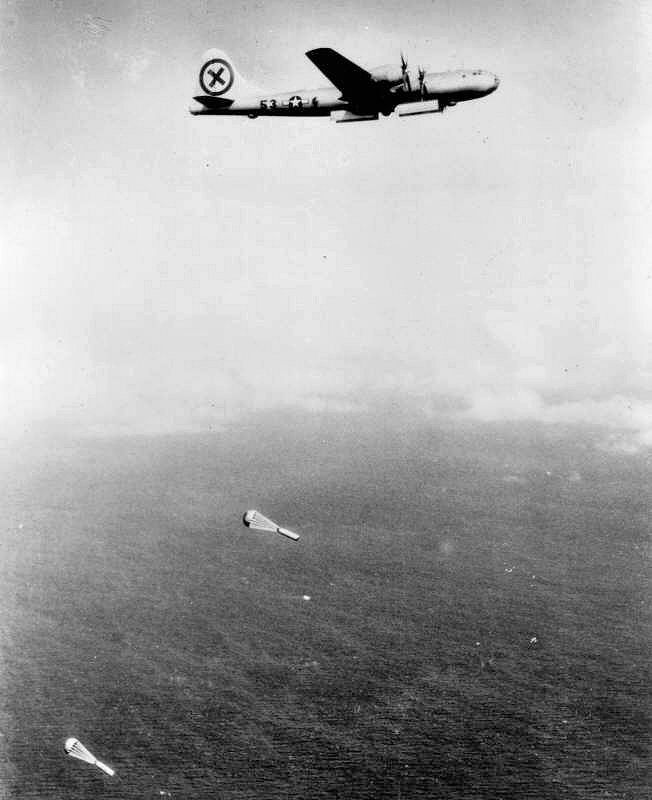
Before early 1945, American B-29 Superfortress bombers had often tried high-altitude daylight bombing against industrial targets. These attacks did not produce the results hoped for. Weather conditions over Japan, including high winds and cloud cover, made accurate bombing difficult. Another problem was that much of Japan’s war-related production was spread across many small workshops and even private homes rather than concentrated only in giant factories.
In response, the United States Army Air Forces changed tactics. Under Major General Curtis LeMay, B-29s increasingly shifted to low-altitude nighttime attacks using incendiary bombs against urban areas. The idea was brutal but straightforward: if war production was scattered through cities, then burning the cities could damage industry as well as housing, transport, and morale.
A large test of this approach came on 25 February 1945, when a firebombing raid on Tokyo burned or damaged about one square mile of the city. Soon after, the strategy expanded dramatically.
Operation Meetinghouse: the night Tokyo burned
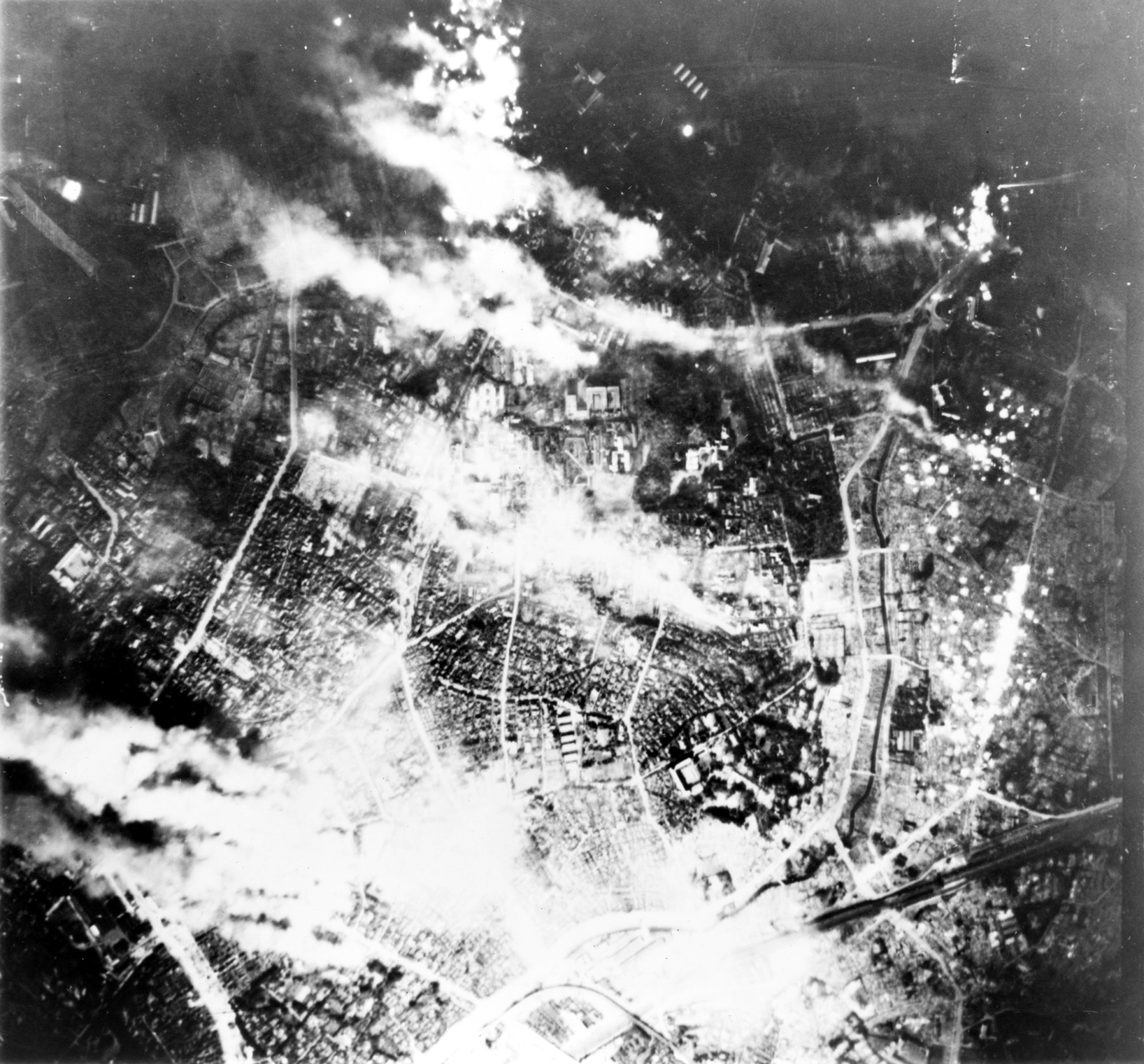
The 9–10 March raid on Tokyo was codenamed Operation Meetinghouse. It was mounted as a maximum-effort attack. On the afternoon of 9 March, 346 B-29s left the Mariana Islands for Tokyo. In the early hours of 10 March, 279 of them bombed the city, dropping 1,665 tons of bombs.
The effect was catastrophic. The raid ignited a massive fire that overwhelmed Tokyo’s civil defenses. About 16 square miles of buildings were destroyed, representing roughly 7 percent of the city’s urban area.
The casualty figures are among the most shocking of the war. Tokyo police and the fire department estimated that 83,793 people were killed, 40,918 were injured, and just over 1 million lost their homes. Postwar estimates for the dead in this single raid have ranged from 80,000 to 100,000.
These numbers help explain why the attack stands apart even in a war filled with devastation. In one night, conventional bombing produced destruction on a scale often associated only with nuclear weapons.
What is a firestorm?
The Tokyo raid is often associated with the idea of a firestorm. A firestorm is not just a large fire. It is a fire so intense that it generates powerful winds and feeds itself, drawing in air and spreading rapidly. Once many fires begin at the same time across a dense urban area, heat and wind can turn separate blazes into one giant destructive system.
In Tokyo, the combination of flammable buildings, tightly packed neighborhoods, and the sheer volume of incendiary bombing helped create exactly this kind of disaster. The city, in effect, became fuel.
Why this raid mattered so much
The Tokyo firebombing showed that a major city could be nearly erased by conventional means alone. That was a terrifying revelation in 1945. It demonstrated that modern air warfare no longer required a direct attack on every factory or military position to inflict enormous damage. Burning the urban fabric itself could cripple production, destroy housing, and create mass civilian casualties.
The attack also caused substantial damage to Tokyo’s war production. More broadly, the bombing campaign against Japan contributed to a large decline in industrial output. Air raids created absenteeism as civilians became afraid to leave home for factories that might be hit next. In city after city, production suffered not only because buildings were destroyed, but because ordinary life was torn apart.
The March raid on Tokyo was also the opening blow in a larger firebombing offensive. In the days that followed, similar attacks struck Nagoya, Osaka, Kobe, and Nagoya again. These raids destroyed large urban areas and killed thousands more.
A turning point in the air war over Japan
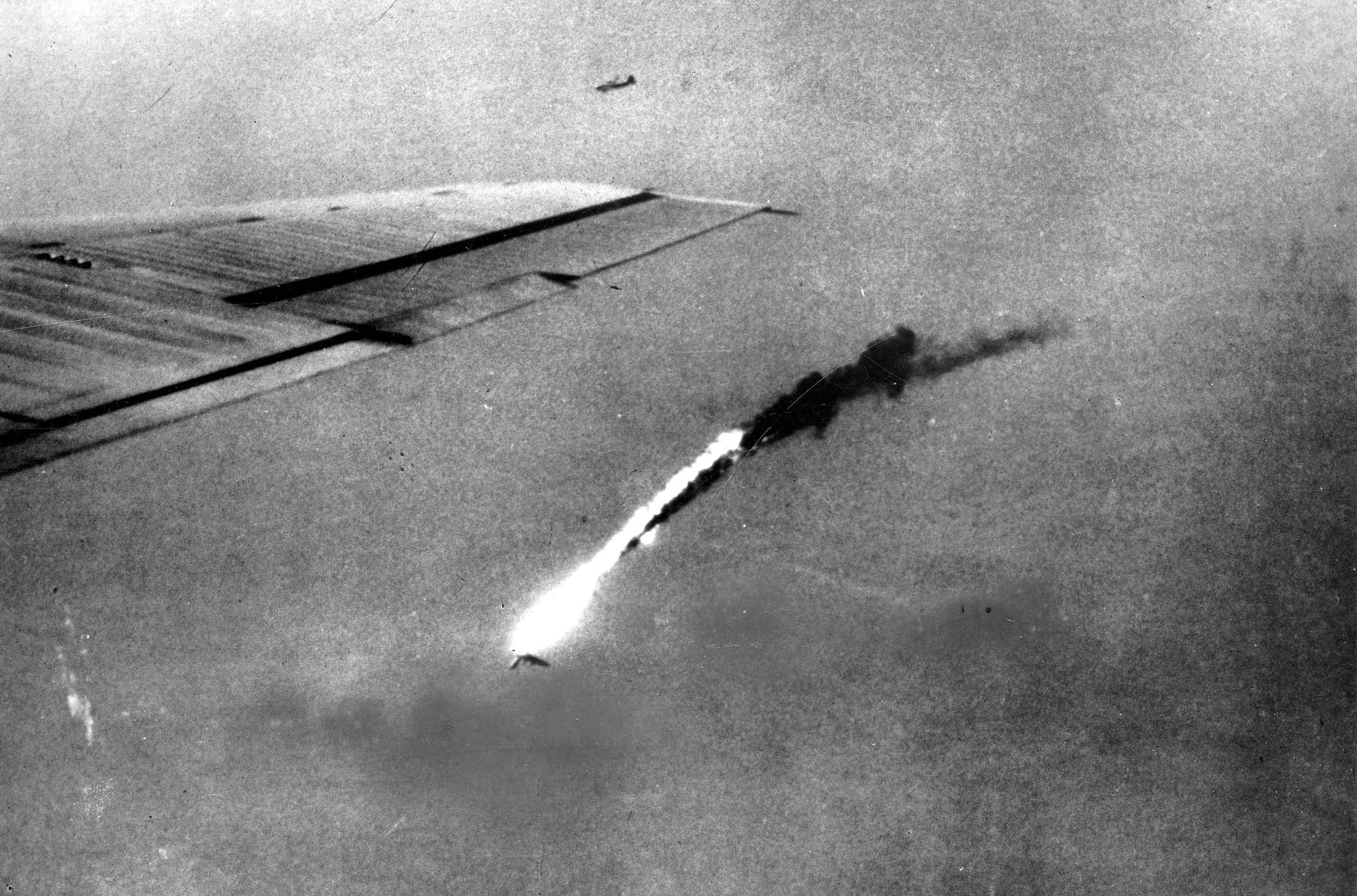
By March 1945, Japan was increasingly unable to defend its cities effectively. Its air defenses suffered from inadequate numbers of suitable fighters, fuel shortages, limited pilot training, weak coordination between army and navy units, and the difficulty of intercepting B-29s. Although resistance still existed, attacks like the one on Tokyo showed that American bombers could inflict severe destruction while suffering relatively few losses.
The consequences went far beyond physical damage. The raids were a major blow to confidence in Japan’s defenses and formed part of the mounting pressure that influenced the government’s eventual decision to surrender in August 1945.
The enduring significance of the Tokyo firebombing
The Tokyo firebombing remains one of the starkest reminders that conventional war can produce extraordinary urban destruction. It did not rely on atomic weapons, yet it killed on a massive scale and erased neighborhoods in a single night.
It also sits at the center of a lasting moral debate. The broader bombing campaign against Japanese cities caused immense civilian suffering, and the destruction of Tokyo on 9–10 March 1945 remains one of the clearest examples of that reality.
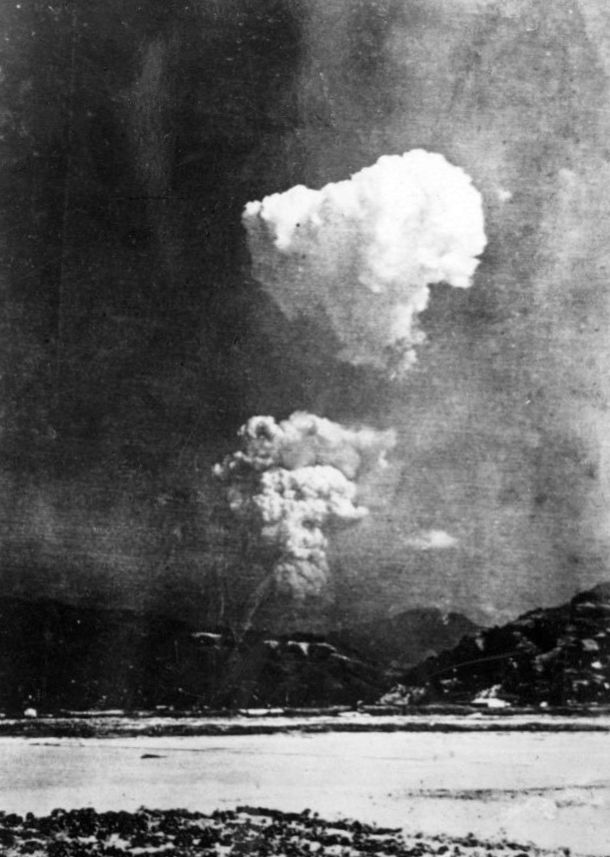
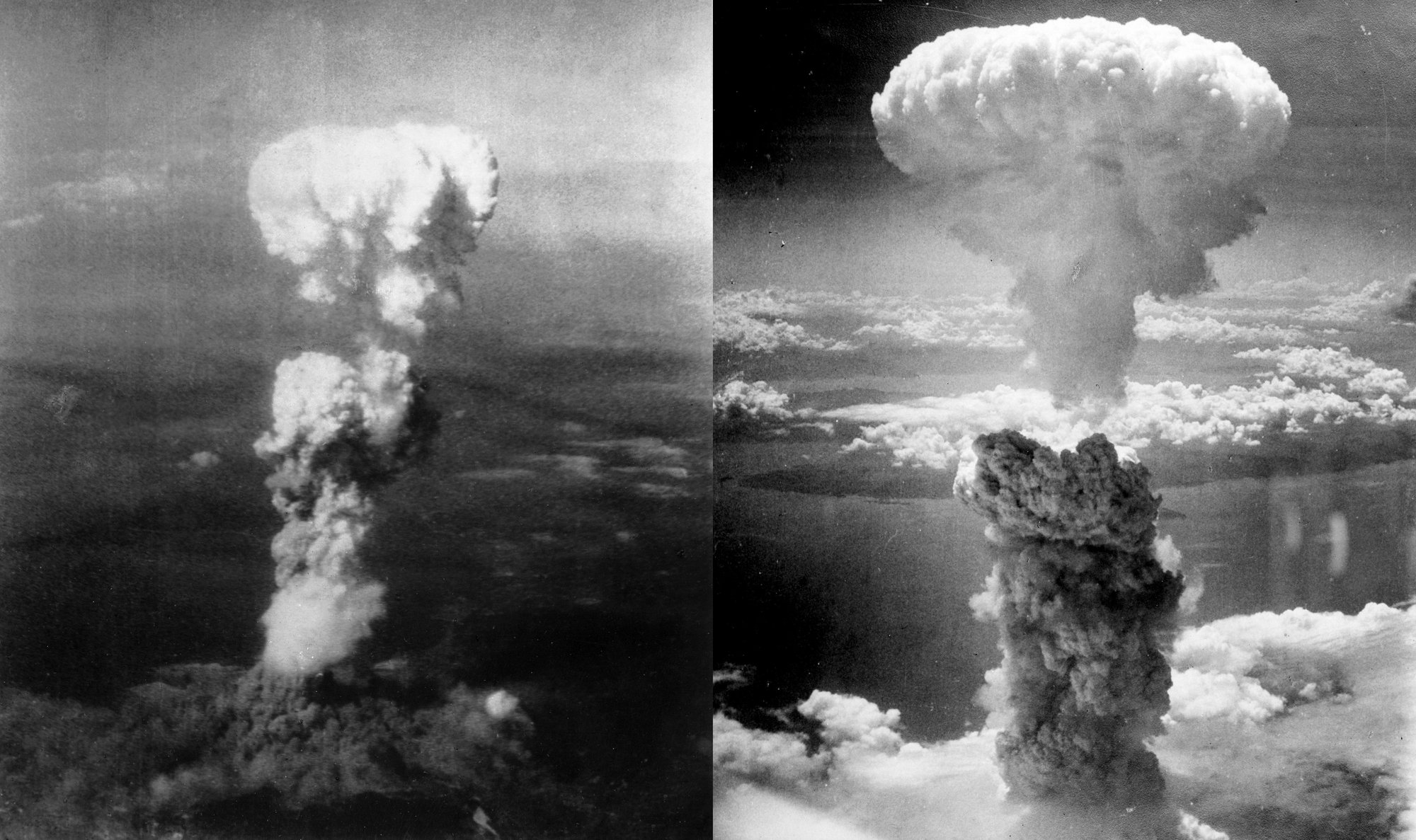
When people think of the end of the war in Japan, they often think first of Hiroshima and Nagasaki. But before those atomic attacks, Tokyo had already shown how fire, dropped from the sky in vast quantities, could devastate a city with horrifying speed.
In that sense, the raid was not only a military event. It was a grim warning about the power of modern bombing and the vulnerability of urban life in total war.