World War II is often remembered through dramatic battles, famous landings, and sweeping offensives. But behind the front lines, another contest was unfolding: a struggle of factories, fuel, transport, and production. In a long war of attrition, victory did not depend only on battlefield skill. It depended on which side could keep building ships, tanks, aircraft, trucks, artillery, and ammunition faster than the enemy could destroy them.
That is where the balance shifted decisively against the Axis powers.
Watch the story on DeepSwipe
From lightning war to attrition
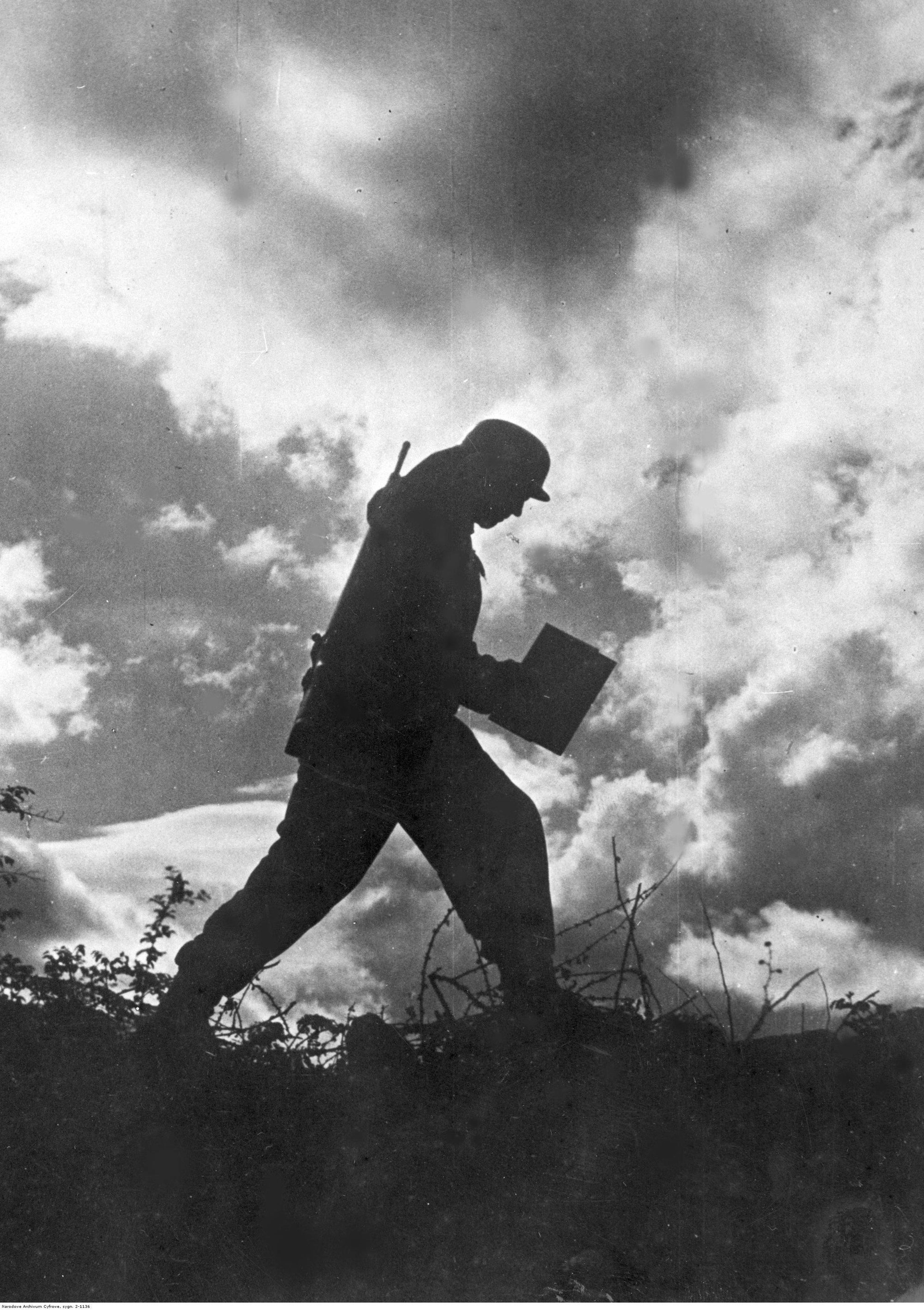
At the start of the war, Germany and Japan achieved stunning early successes. Germany used blitzkrieg, a fast and coordinated form of warfare combining tanks, aircraft, and infantry to break through enemy lines and move rapidly. These attacks brought quick victories in places like Poland and France. Japan also expanded rapidly across Asia and the Pacific, capturing vast territories and inflicting severe losses on Allied forces.
But fast victories are one thing; sustaining a global war is another.
By 1942, the conflict had become a war of attrition. That means a struggle in which each side tries to wear the other down over time through losses in men, machines, and resources. In that kind of war, industrial power becomes crucial. Armies need constant replacement of weapons and vehicles. Navies need new ships and transports. Air forces need a steady stream of new aircraft and trained crews. Even the strongest army can falter if factories cannot keep up.
The war’s industrial dimension became especially decisive once the United States and the Soviet Union were fully in the fight alongside the other Allies.

The Allies had the deeper economic base
Even before the war, the Allies held major advantages in population and economic strength. In 1938, the Western Allies—the United Kingdom, France, Poland, and the British Dominions—had a population about 30 percent larger than the European Axis powers, Germany and Italy. Their gross domestic product, or total economic output, was also about 30 percent higher. If colonies are included, the Allied advantage becomes even larger.
In Asia, China had a much larger population than Japan, though its economy was far less productive. So sheer population alone was not enough. What mattered was the ability to turn people, resources, and industrial capacity into military power.
That became the great Allied strength.
The United States produced about two-thirds of all munitions used by the Allies during World War II. That included warships, transports, warplanes, artillery, tanks, trucks, and ammunition. This was not a minor edge. It meant that Allied forces could replace losses, equip new armies, support multiple fronts, and maintain pressure across Europe, the Atlantic, North Africa, and the Pacific all at once.
The Soviet Union, despite immense human and material losses, also remained a huge source of military manpower and production. Once Germany’s early offensive failed to knock it out, the Soviet Union retained a considerable part of its military potential and eventually pushed back with enormous force.
Why Axis production fell behind
The Axis powers were not weak in industry, but they were outmatched in a long conflict.
Several factors hurt Germany and Japan badly.
First, both were reluctant to employ women in the labour force to the extent needed for total war production. In a modern industrial war, labour is as important as steel. If fewer workers are mobilised into factories, output suffers.
Second, Germany shifted late to a full war economy. A war economy is one in which a country reorganises industry, labour, and resources around military needs. Delaying that shift meant lost time and reduced output during critical years.
Third, neither Germany nor Japan planned to fight a long war of attrition. They aimed for rapid victories. Because of that, they had not fully equipped themselves for a prolonged global struggle. When the war dragged on, the mismatch became increasingly obvious.
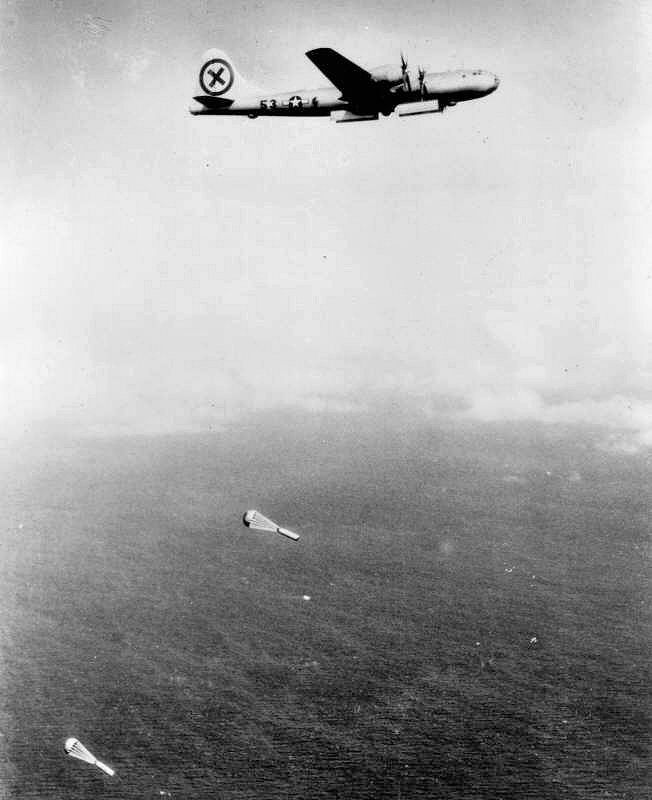
Fourth, Allied strategic bombing damaged Axis production and infrastructure. Strategic bombing means attacks aimed not just at soldiers in battle, but at the enemy’s industrial centres, transport links, and war-supporting economy. In June 1943, the British and Americans began a strategic bombing campaign against Germany intended to disrupt the war economy, reduce morale, and “de-house” the civilian population. One early example was the firebombing of Hamburg, which caused significant casualties and major infrastructure losses in an important industrial centre.
The effect was cumulative. The Axis had to fight on many fronts while also trying to protect factories, transport systems, ports, and fuel supplies from attack.
Industry decides what armies can do
Industrial strength shaped nearly every battlefield outcome in the later war.
A tank army cannot move without trucks, spare parts, fuel, and ammunition. A navy cannot project power without shipyards and transport vessels. An air force cannot survive a grinding campaign without aircraft factories turning out replacements.
This was especially clear in a mechanised war. World War II saw major advances in tanks, aircraft, submarines, radar, carriers, codebreaking, and mass transport. But advanced technology only matters if it can be produced in large numbers and kept in service.
That is why output mattered so much. An attritional war punishes shortages. If one side can lose ships and build more, lose planes and replace them, lose tanks and field new ones, it can absorb shocks that would cripple a weaker industrial opponent.
The Allies reached that position by 1942. Their earlier disadvantages in surprise and speed were increasingly outweighed by the ability to out-produce the Axis.
The turning point after the early Axis surge
Germany’s early blitzkrieg victories in Europe and Japan’s early conquests in Asia created the impression of unstoppable momentum. But those victories masked a deeper problem: rapid offensives consumed huge amounts of matériel, and holding conquered territory required more and more resources.
As the war expanded, the Axis had to fight in more theatres at once. Germany was engaged in Western Europe, the Atlantic, North Africa, the Mediterranean, and above all the Eastern Front after invading the Soviet Union in June 1941. Japan fought across China, Southeast Asia, and the Pacific.
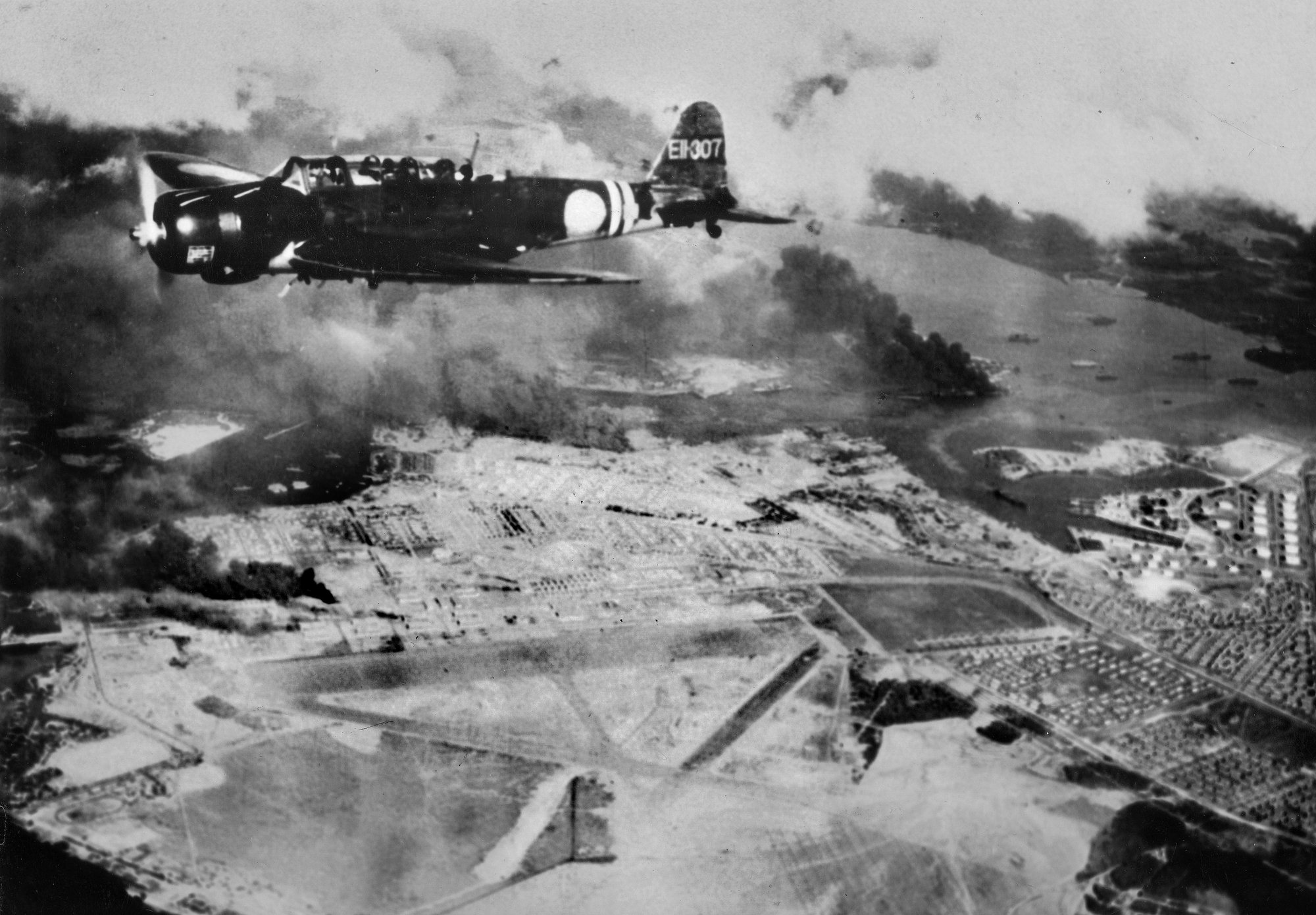
Meanwhile, the Allied side grew stronger. The United States entered the war after Japan attacked Pearl Harbor in December 1941. Germany then declared war on the United States. The Soviet Union was already locked in a massive struggle against the German invasion. With these powers fully engaged, the war became not just a contest of armies, but of total national capacity.
By 1942, the article’s broader pattern is clear: early rapid attacks by Germany and Japan had largely spent their advantage. The war evolved into one of attrition, and in that environment the Allies’ superior access to natural resources, larger productive base, and greater ability to sustain output became decisive.
Production, manpower, and the collapse of Axis momentum
Industrial capacity did not act alone. It worked together with manpower and access to resources.
The article notes that the Allies’ economic and population advantages were partly offset during the initial blitzkrieg phase. But once the war settled into prolonged fighting, these advantages became harder for the Axis to overcome. More population meant more soldiers and workers. More economic output meant more weapons, vehicles, and logistical support. Better access to natural resources meant the industrial machine could keep running.
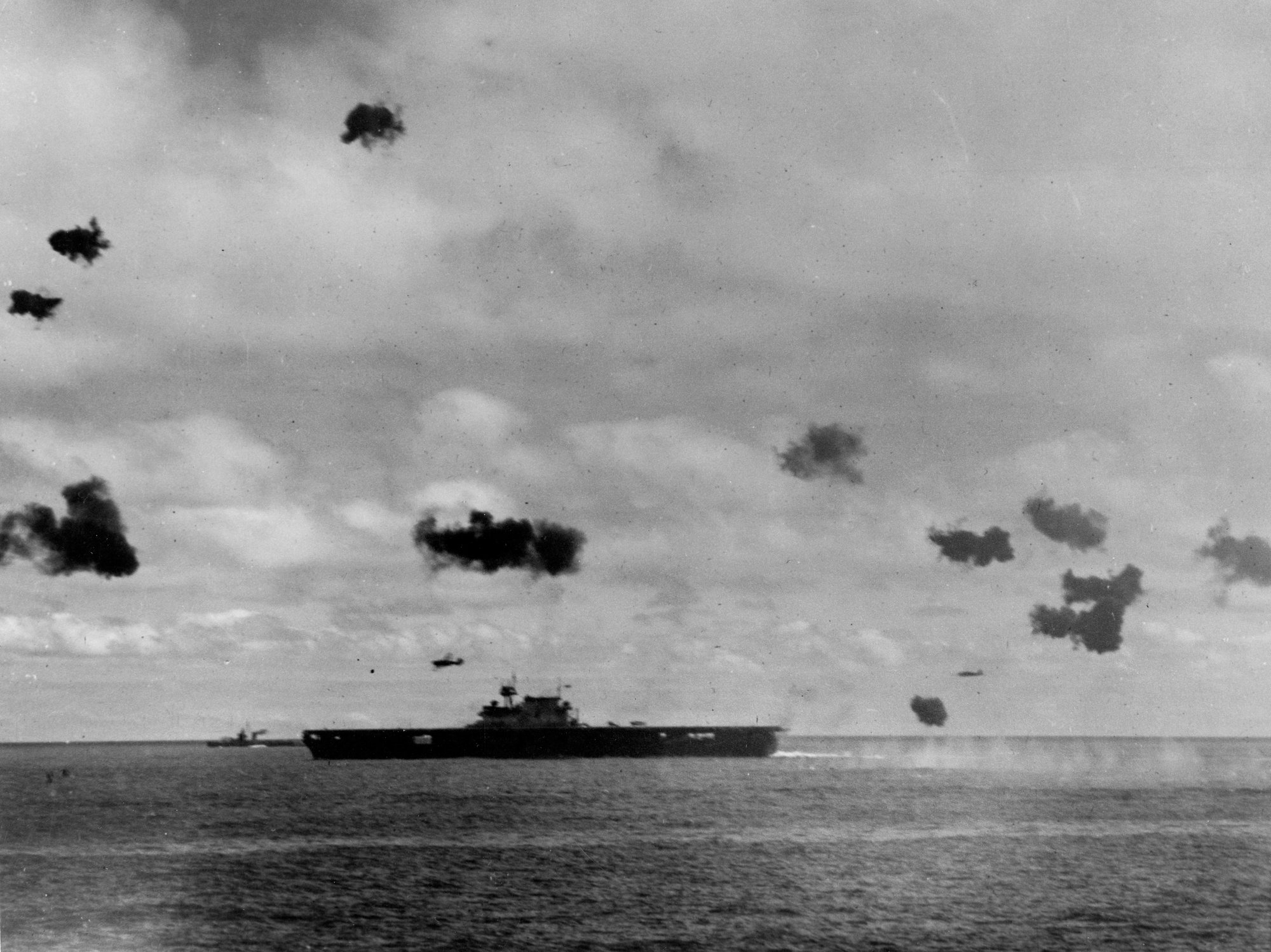
The Axis also faced another burden: fighting defensive campaigns while trying to replace enormous losses. Germany’s failed drive into the Soviet Union, followed by attritional battles such as Stalingrad and Kursk, steadily drained its strength. In the Pacific, Japan’s defeats at Midway and Guadalcanal reduced its ability to keep expanding aggressively. Once momentum broke, replacing ships, aircraft, and trained personnel became increasingly difficult.
By contrast, the Allies could sustain pressure. They fought in North Africa, invaded Italy, bombed Germany, returned to France in 1944, and simultaneously pushed across the Pacific. That kind of global offensive required vast productive power.
A modern war fought by whole economies
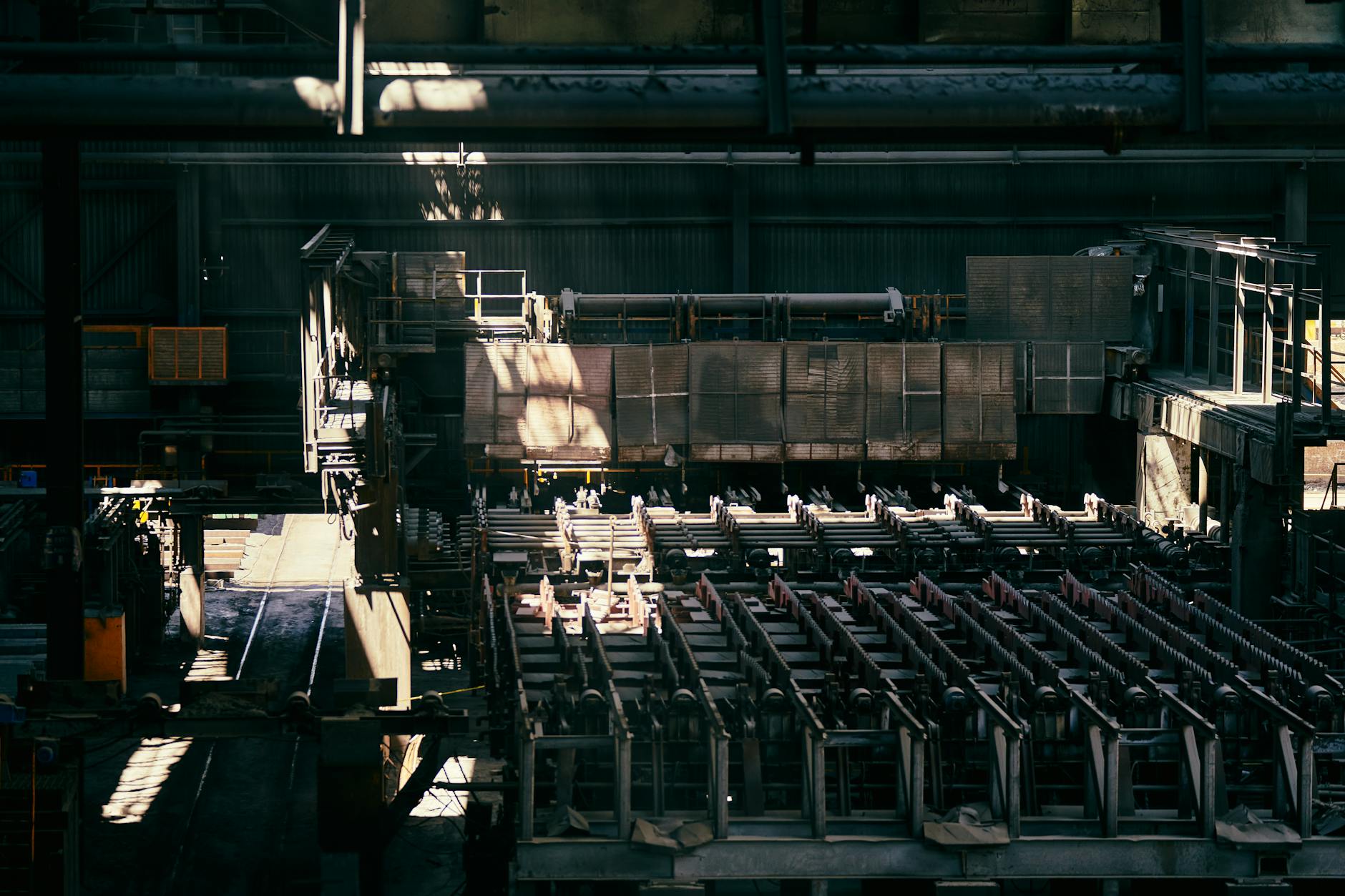
World War II was not decided only by generals or battlefield tactics. It was also decided by mines, assembly lines, shipyards, fuel supplies, transport systems, and labour policy. In a total war, the home front becomes part of the battlefield.
The final outcome reflected that reality. The Axis powers had terrifying military effectiveness early on, especially through blitzkrieg and coordinated offensives. But they were ultimately worn down by enemies who could field more men, replace more losses, and build more of everything that modern warfare required.
Factories did not make victory inevitable on their own. But once the war became a prolonged contest of attrition, industrial production became one of the clearest reasons the Allies gained the upper hand. Firepower wins battles. The ability to keep producing firepower wins long wars.