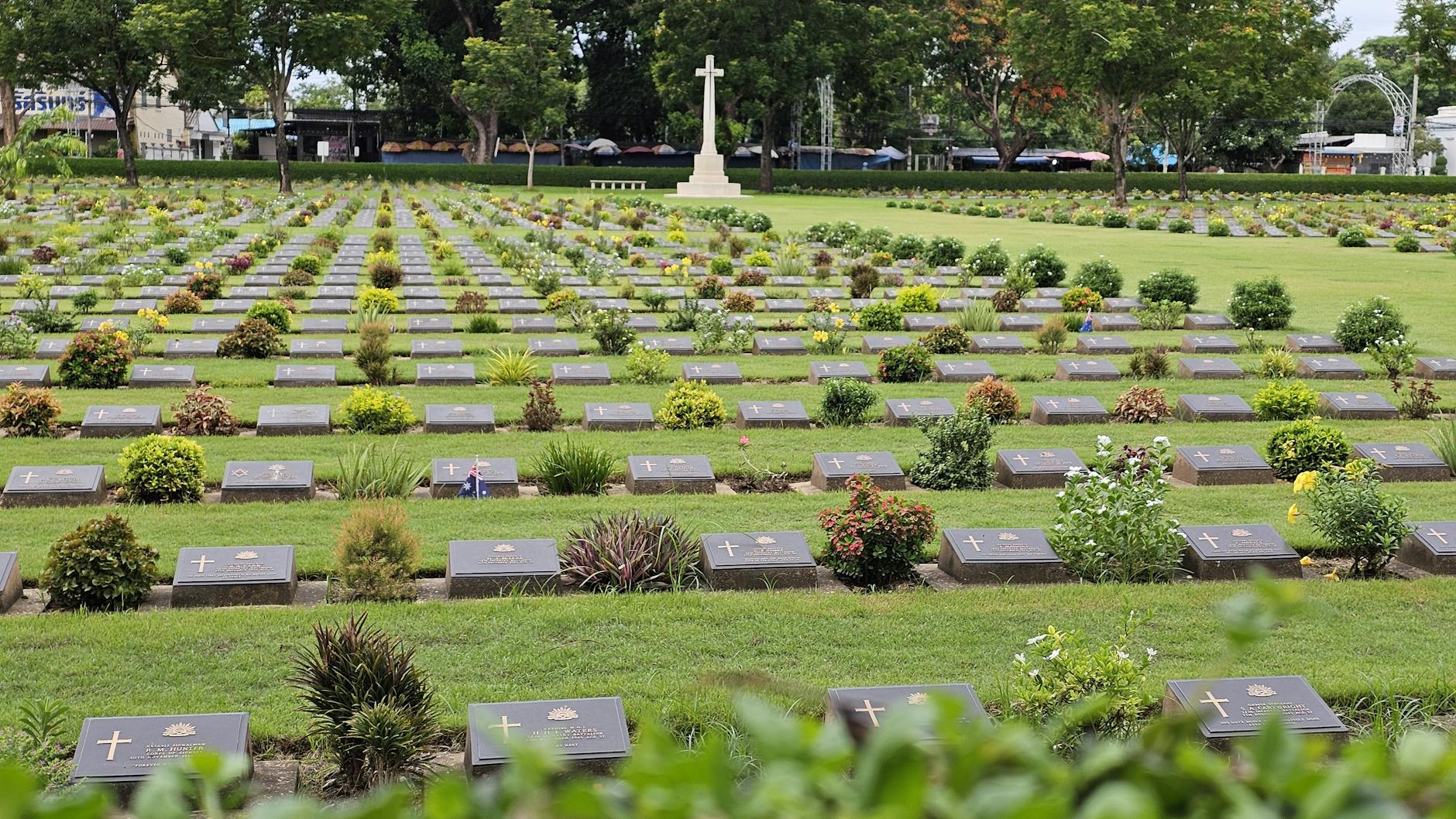
When people picture World War II, they often imagine armies, tanks, fighter planes, and famous battles. But the most shocking reality of the war is that the majority of those who died were not soldiers at all. Out of an estimated 60 to 75 million deaths, about 67% to 80% were civilians.
That fact alone reveals how different World War II was from many earlier major wars. The conflict did not stay on battlefields. It reached cities, villages, prisons, occupied territories, transport routes, and homes. Civilians died not only in crossfire, but also from genocide, mass killings, starvation, disease, bombardment, forced labour, and the brutal conditions of occupation.
Watch the story on DeepSwipe
A war that consumed entire societies
World War II was a global conflict fought between the Allies and the Axis powers from 1939 to 1945, involving nearly all of the world’s countries. Because it was fought across Europe, Asia, Africa, the Atlantic, and the Pacific, the war disrupted civilian life on a staggering scale.
This was not simply a clash of armies. It became a total war, meaning whole economies, industries, and populations were drawn into the struggle. Strategic bombing targeted cities and industrial centres. Occupying armies seized food, raw materials, and labour. Civilian populations were uprooted, starved, imprisoned, deported, or deliberately murdered.
The result was a death toll unlike anything the world had seen before.

Why civilian deaths were so high
Several overlapping forces pushed civilian deaths to extraordinary levels.
First were genocides and deliberate mass killings. Millions died in campaigns designed to exterminate entire groups of people. The most infamous was the Holocaust, in which the Nazis killed about 6 million Jews. The Nazis also killed millions of Slavs, more than 130,000 Romani people, and members of other groups they considered racially inferior. Nearly 300,000 people with mental and physical disabilities were also systematically killed in Germany and occupied territories.
Second were massacres and reprisal killings. In many occupied areas, civilians were murdered in retaliation, as punishment, or as part of terror campaigns. In the Eastern European and Asia-Pacific theatres, the killing of civilians and prisoners of war through massacres and deliberate starvation was especially common.
Third came starvation and disease. At least 20 million people died from deprivation, famine, and disease during the war. In China and the Soviet Union alone, some 10 million to 15 million people died from starvation and disease. Another 8 million to 10 million died this way in India and under Japanese occupation elsewhere in Asia and the Pacific.
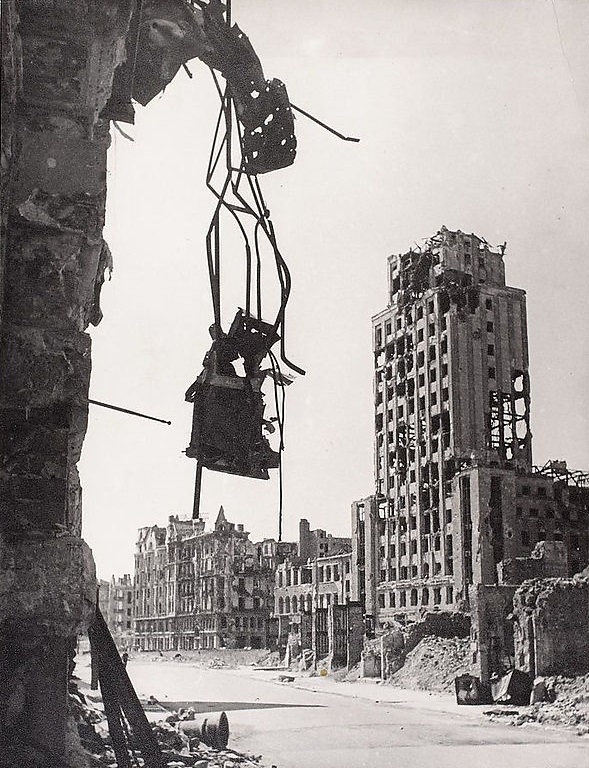
Fourth was aerial bombing. Aircraft made it possible to strike population centres far from the front lines. Millions of civilians died in bombings and in combat zones. Cities became targets not just because they held military infrastructure, but also because bombing campaigns aimed to damage industry, reduce morale, and weaken an enemy’s ability to continue fighting.
The Holocaust and other genocides
No discussion of civilian suffering in World War II can avoid the Holocaust. This was the Nazi genocide of Europe’s Jews, driven by racist ideology. About 6 million Jews were murdered.
But the Holocaust was part of a wider pattern of crimes against humanity. Nazi forces also carried out enormous killings of Slavs and Romani people, and murdered disabled people in Germany and occupied territories. In occupied eastern lands, Nazi racial policy treated local populations with extreme brutality. German advances were often followed by mass atrocities and war crimes.
An estimated 15 million civilians died in genocides and other deliberate killings during the war. These deaths were not accidental by-products of combat. They were often the goal.
Occupation, starvation, and forced labour
Occupation was deadly in itself. In Europe, German authorities extracted huge wealth from occupied countries, seizing industrial goods, military equipment, raw materials, and other resources. In the East, German forces destroyed or confiscated food supplies and massacred civilians in reprisals.
In Asia, Japan presented its occupation as part of a “Greater East Asia Co-Prosperity Sphere,” but Japanese rule was frequently marked by war crimes and harsh exploitation. During Japan’s expansion, many local populations quickly saw occupation bring violence rather than liberation.
Forced labour also killed vast numbers of civilians. Germany, Japan, and the Soviet Union all made extensive use of foreign civilians and prisoners of war as forced labourers. In greater Germany by late 1944, there were 7.6 million foreign workers, including prisoners of war undertaking forced labour, plus about 500,000 slave labourers in concentration camps. Civilians and POWs deported to the Soviet Union were often imprisoned in forced labour camps known as the gulag. The Japanese also conscripted millions of foreign civilians and POWs for labour in Japan and its occupied territories, where they suffered harsh treatment and high death rates.
The deadliest countries for civilians
Civilian losses were not spread evenly. Some countries suffered especially catastrophic losses.
The Soviet Union had the highest overall death toll, estimated at 20 million to 28 million. China followed with at least 15 million dead. Germany lost 6 million to 8.7 million people, and Poland 5 million to 6.5 million.
These totals reflect not only military fighting, but also occupation, siege, famine, disease, massacres, and genocide. On the Eastern Front in particular, the war became extraordinarily destructive. The majority of military deaths in the war were German and Soviet soldiers, including POWs, but civilian deaths there were also immense.
Poland experienced especially severe terror. Besides Polish-Jewish victims of the Holocaust, the Nazis killed an estimated 2.8 million ethnic Poles. In Yugoslavia, civilians were massacred by occupying forces and local collaborators, while resistance and civil conflict also produced atrocities. In Greece, civilian deaths were caused largely by deliberate starvation and reprisal massacres.
Japan’s war in China and Asia
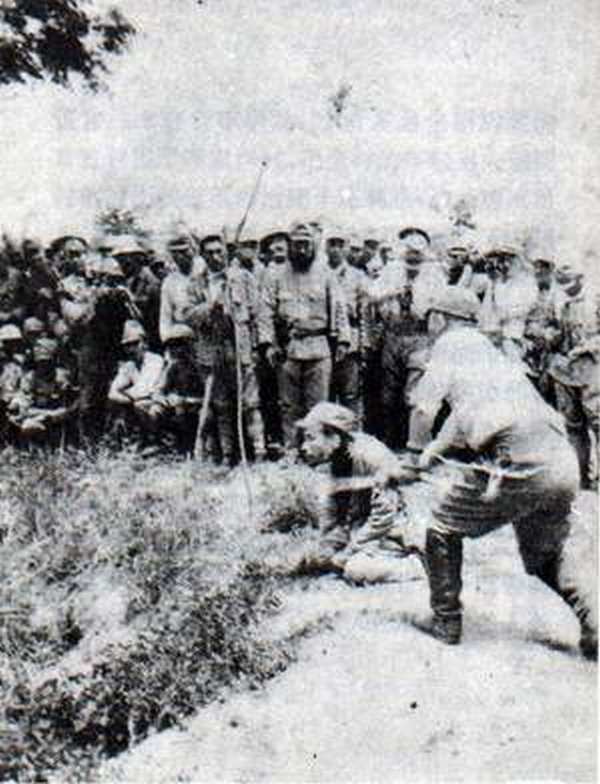
In Asia, civilians endured years of violence even before 1939, as the Japanese invasion of China expanded into wider war. Japanese aircraft bombed Chinese cities in the Sichuan basin, killing tens of thousands of civilians. In the Nanking Massacre, between 40,000 and 200,000 Chinese civilians and prisoners of war were killed.
Japanese armies also used scorched-earth tactics, including the “kill all, burn all, loot all” policy in China. Scorched earth means destroying crops, homes, infrastructure, and supplies so that an area cannot support resistance or opposing forces. In practice, civilians suffered terribly.
Across Asia and the Pacific, occupation brought massacres, forced labour, starvation, and disease. One notorious example after the fall of Bataan was the forced 42-kilometre death march of about 75,000 Filipino and American prisoners, during which thousands died.
Bombing made civilians targets
Air power transformed the war by allowing attacks deep inside enemy territory. Strategic bombing meant bombing industrial and population centres to damage war production and weaken morale.
In Europe, Germany bombed British cities during the Blitz. Later, the Allies launched a strategic bombing campaign against Germany. One of the first major firebombing attacks struck Hamburg, causing significant casualties and heavy infrastructure losses.
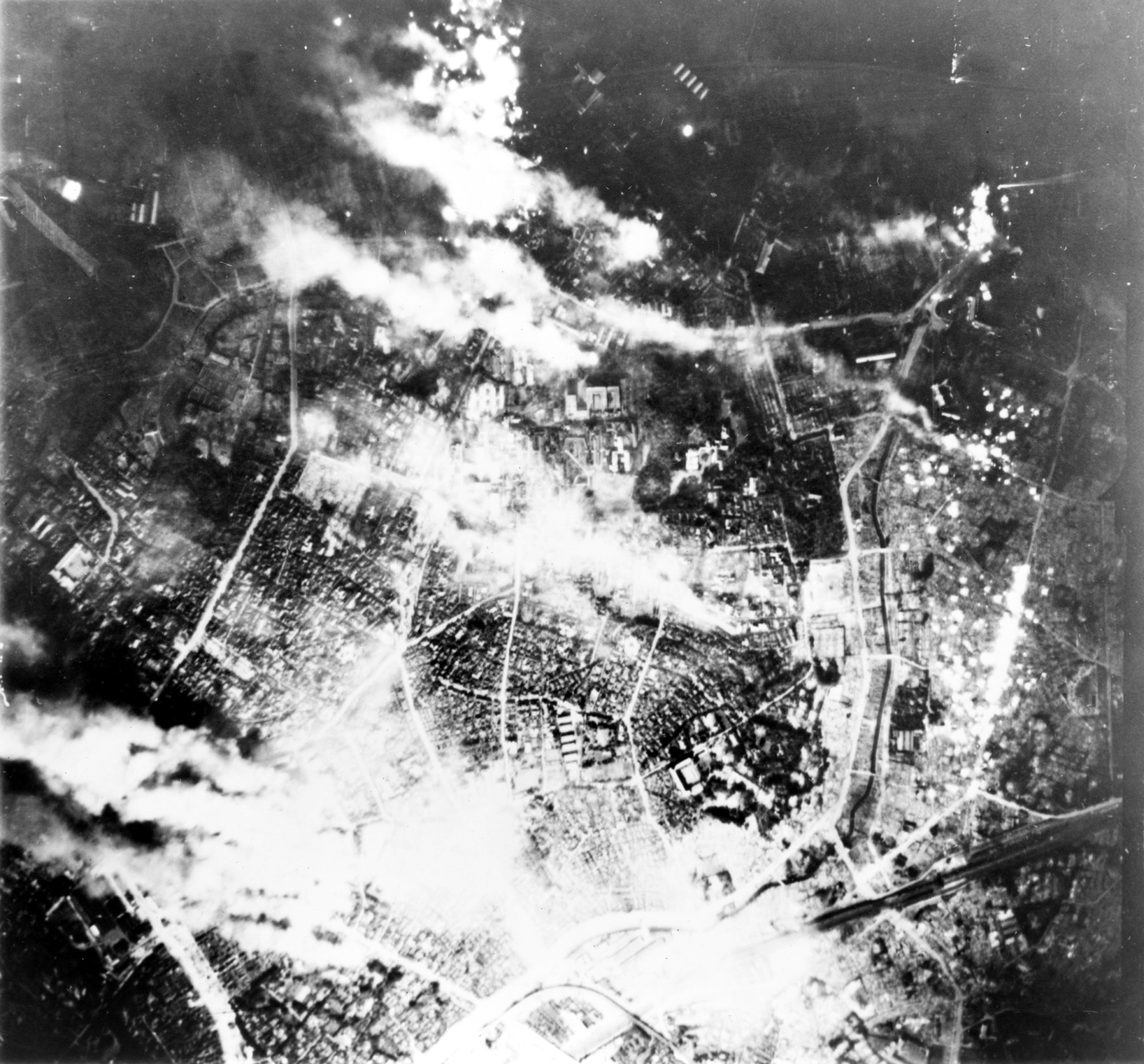
In Japan, air attacks reached devastating intensity in 1945. The bombing raid on Tokyo on 9–10 March 1945 was the deadliest conventional bombing raid in history. “Conventional” here means non-nuclear. The scale of destruction showed how lethal modern bombing had become even without atomic weapons.
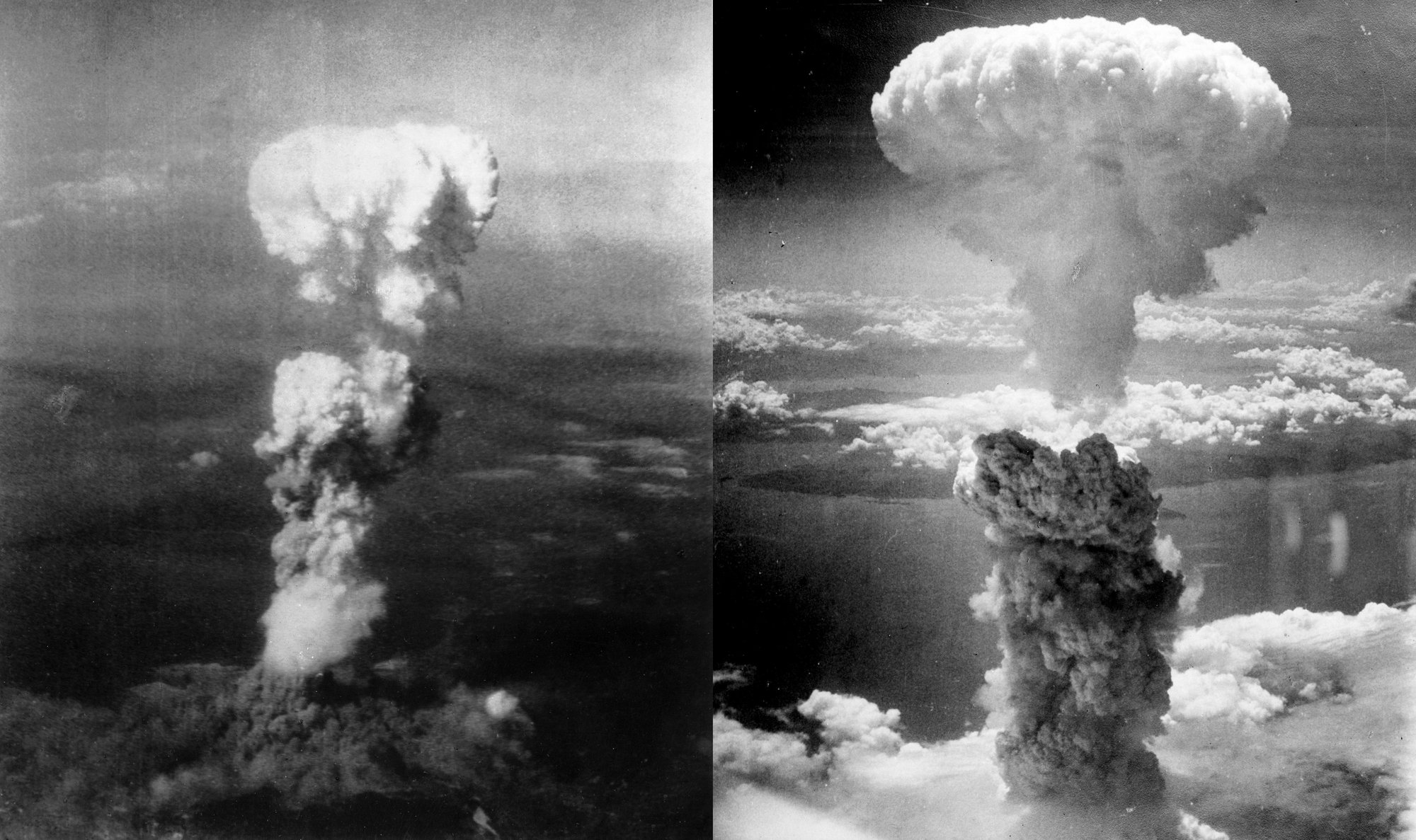
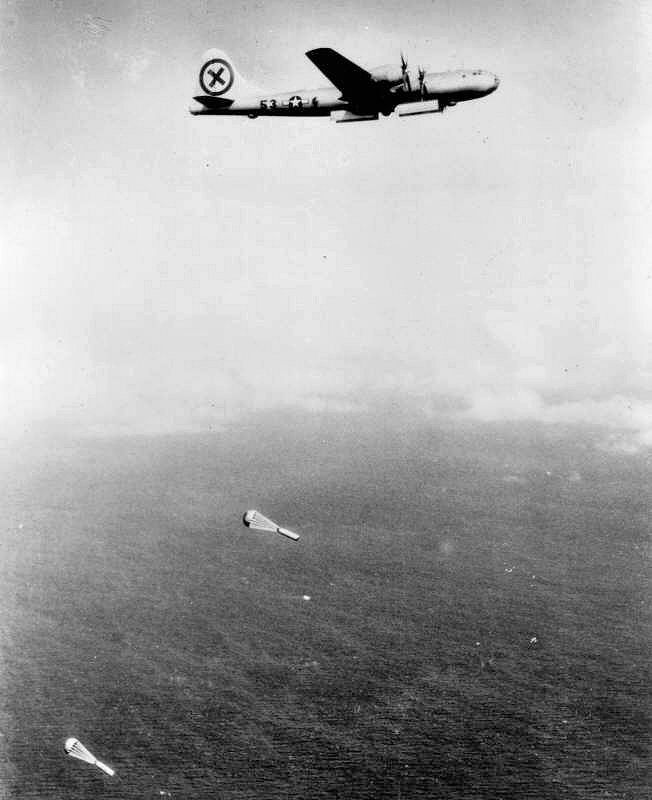
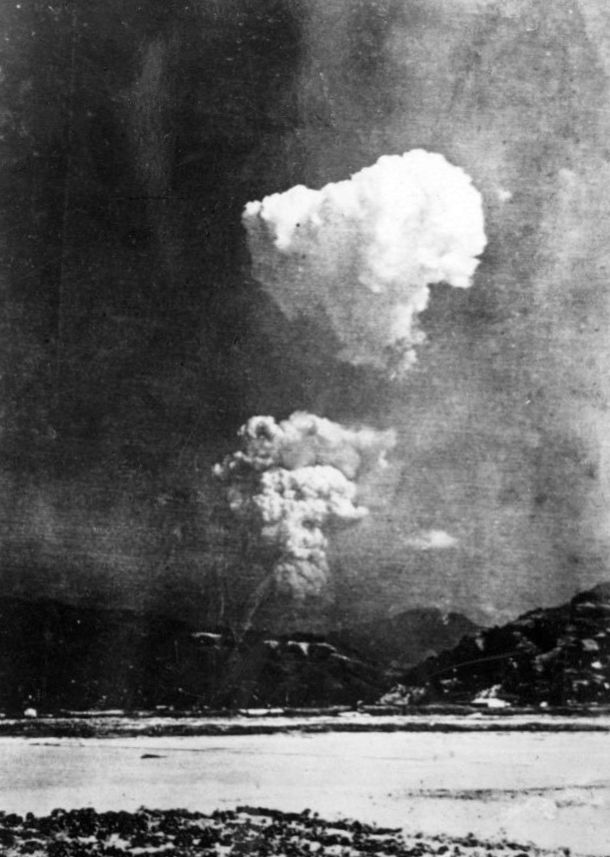
The war also saw the only use of nuclear weapons in combat, when the United States dropped atomic bombs on Hiroshima and Nagasaki in August 1945.
Civilians trapped by battle, siege, and displacement
Many civilians died simply because front lines moved through where they lived. Entire regions became combat zones. Others were trapped in sieges, cut off from food, medicine, and shelter.
The war uprooted millions. Borders changed, occupations shifted, and populations were expelled or deported. After the war, millions of Germans were expelled from eastern territories and the Sudetenland. Millions of Poles were also expelled from territories taken over by the Soviet Union.
Even when civilians were not directly shot or bombed, the collapse of normal life could still kill. Food systems broke down. Disease spread. Transport failed. Winter exposure, malnutrition, and overcrowding did the rest.
Why World War II was different
The unusually high share of civilian deaths is one of the clearest markers of how World War II differed from earlier major wars. Technology mattered: aircraft, long-range bombing, submarines, and mechanised warfare expanded the battlefield. Ideology mattered too: racist and totalitarian systems justified extermination, repression, and collective punishment. Occupation systems turned daily survival into a struggle.
This combination made the war deadlier for ordinary people than for many of the soldiers fighting it.
The human meaning of the numbers
Statistics help show the scale, but they can also flatten it. Saying that 67% to 80% of the dead were civilians means that the war was, above all, a catastrophe for non-combatants: children, parents, workers, refugees, prisoners, the sick, and the elderly.
It means cities became killing grounds. It means hunger became a weapon. It means that genocide and occupation were not side stories to World War II, but central to understanding it.
The war reshaped the world politically and economically, helping lead to the creation of the United Nations and setting the stage for the Cold War. But one of its starkest lessons remains painfully simple: in modern total war, civilians can become the main victims.