When a natural disaster became a nuclear emergency
On 11 March 2011, a massive undersea megathrust earthquake struck off the coast of Japan’s Tōhoku region. The quake, measured at magnitude 9.0–9.1 and lasting about six minutes, was the most powerful ever recorded in Japan and one of the most powerful recorded anywhere since modern seismography began in 1900. But the shaking was only the beginning.
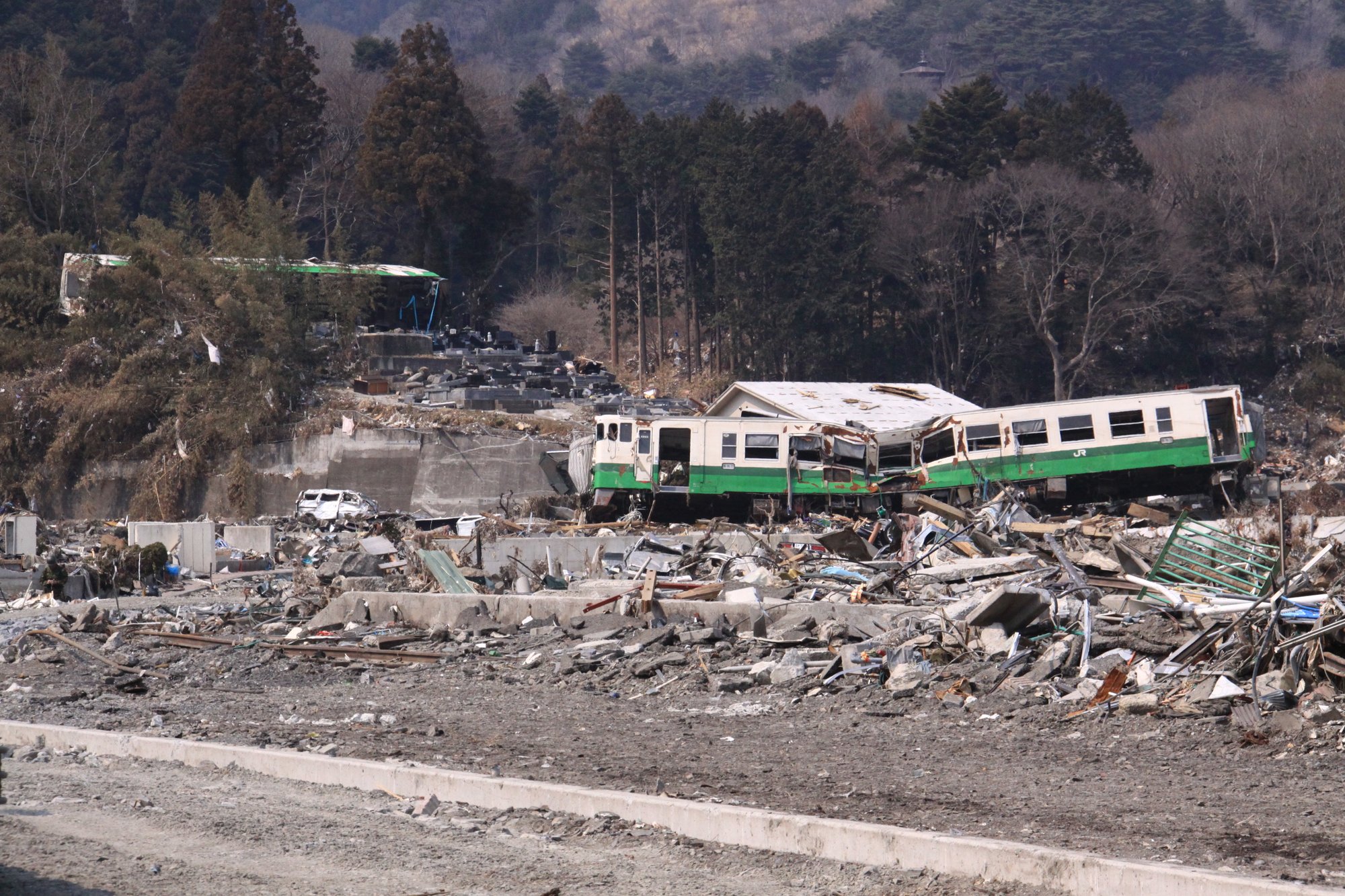
The earthquake triggered a huge tsunami that devastated long stretches of Japan’s Pacific coast. In some places, the tsunami reached extraordinary heights, with estimates of up to 40.5 meters in Miyako, Iwate Prefecture. In the Sendai area, the water raced inland at speeds of around 700 km/h and traveled as far as 10 kilometers inland. What unfolded afterward at the Fukushima Daiichi Nuclear Power Plant turned a natural disaster into one of the most serious technological crises in modern Japan.

Why Fukushima Daiichi failed
Nuclear reactors do not simply become safe the moment they shut down. Even after a reactor is taken offline, it still needs cooling systems to remove heat. At Fukushima Daiichi, the earthquake was followed by tsunami waves that overtopped seawalls and destroyed diesel backup power systems.
That backup power was crucial. Once electrical power was lost, the cooling systems could no longer function properly. Heat began to build inside the plant. This is what made the situation so dangerous: the reactors had shut down automatically after the earthquake, but without cooling, temperatures still rose.
According to later analysis, many electrical generators also ran out of fuel. With no reliable power and no functioning cooling, Fukushima Daiichi faced severe failures. Three reactors suffered meltdowns. A meltdown happens when reactor fuel and core materials overheat so severely that the structure inside the reactor is badly damaged.
The hydrogen explosions
The crisis did not stop with overheating.
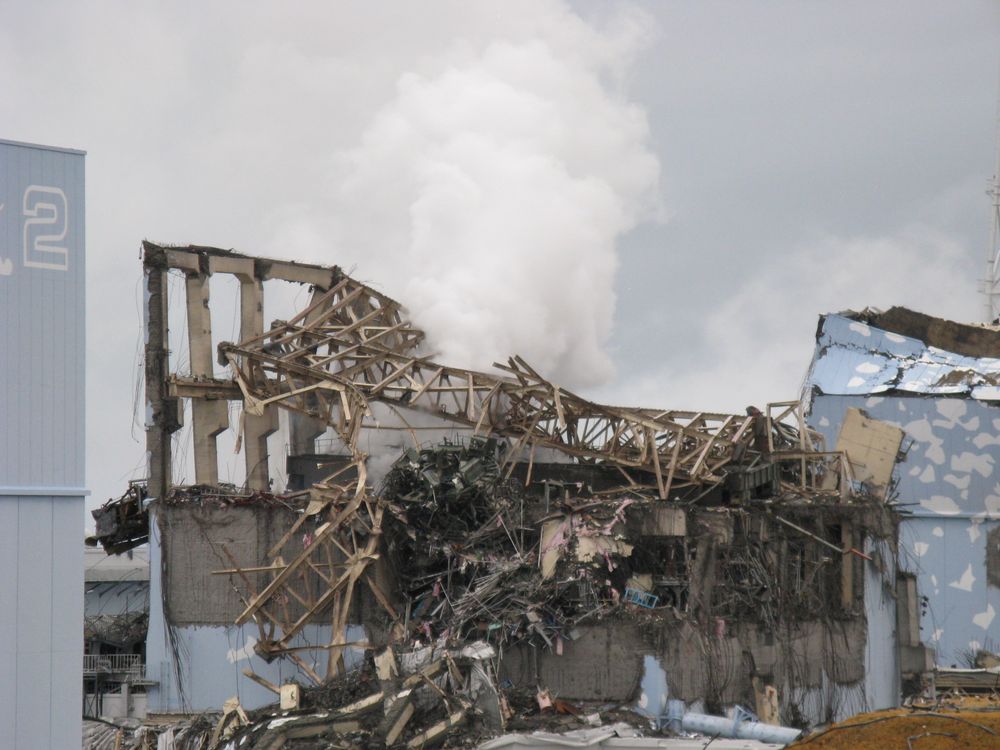
Without ventilation, hydrogen gas accumulated in the upper refueling hall. A refueling hall is the area associated with reactor servicing and fuel handling. As the gas built up, it eventually exploded. These blasts forcefully ejected blast panels from the buildings, creating the dramatic images that came to define the disaster for many people around the world.
Those explosions showed how quickly a crisis can escalate when multiple safety systems fail at once. An earthquake damaged infrastructure, the tsunami destroyed backup power, cooling stopped, heat rose, gas accumulated, and then explosions followed. Fukushima became a chain reaction of failures triggered by one catastrophic day.
Evacuations on a huge scale
As the emergency deepened, residents near the affected plants were ordered out.
People within a 20 km radius of the Fukushima Daiichi Nuclear Power Plant were evacuated. Residents within a 10 km radius of the Fukushima Daini Nuclear Power Plant were also evacuated. These evacuation zones, combined with the broader effects of the nuclear accident, displaced hundreds of thousands of people.
The social impact was immense. A 2015 report found that 228,863 people were still living away from home either temporarily or permanently. In the broader aftermath of the earthquake and tsunami, more than 340,000 people in the Tōhoku region were displaced, facing shortages of food, water, shelter, medicine, and fuel.
Within Fukushima Prefecture, indirect deaths linked to life after the disaster became a major issue. For relief purposes, earthquake-related deaths included cases tied to physical and mental fatigue from temporary shelter, evacuation, stress, and delayed treatment due to damaged hospitals. The prefectural government suggested that in Fukushima, evacuations connected to the nuclear disaster may have contributed to a number of indirect deaths that eventually exceeded the number of people killed there directly by the earthquake and tsunami.
Radioactive water and contamination concerns
The Fukushima Daiichi disaster also involved the discharge of radioactive water. Later analysis confirmed radioactive water releases connected to the three reactors at Fukushima I, also called Fukushima Daiichi, where Units 1, 2, and 3 suffered meltdowns and continued to leak coolant water.
Radioactive iodine was detected in tap water in Fukushima, Tochigi, Gunma, Tokyo, Chiba, Saitama, and Niigata. Radioactive caesium was detected in tap water in Fukushima, Tochigi, and Gunma. Radioactive caesium, iodine, and strontium were also found in soil in some locations in Fukushima. Radioactive contamination was detected in food products in several places in Japan, and many radioactive hotspots were found outside the evacuation zone, including in Tokyo.
Years later, the issue was still ongoing. In 2021, the Japanese cabinet approved the dumping of radioactive water from Fukushima into the Pacific Ocean over a period of 30 years, with support from the IAEA. The water was still being actively de-contaminated, with completion scheduled for 2051.
Fukushima in the context of the wider 3.11 disaster
Fukushima cannot be separated from the larger catastrophe of 11 March 2011, often referred to in Japan as 3.11. Official figures released in 2021 reported 19,759 deaths, 6,242 injured, and 2,553 missing from the earthquake and tsunami disaster. Drowning accounted for the overwhelming majority of deaths.
The scale of destruction was staggering. The tsunami inundated about 561 square kilometers of land in Japan. Entire towns were devastated. Around 4.4 million households in northeastern Japan lost electricity, and 1.5 million lost water in the immediate aftermath. The disaster damaged or destroyed hundreds of thousands of buildings, crippled transport networks, shut ports, and disrupted industry across the country.
The total economic damage was estimated at more than $300 billion, making it the costliest natural disaster in history. The Bank of Japan responded with a massive financial intervention, offering ¥15 trillion to the banking system on 14 March 2011 to help stabilize markets. A 2020 study found that the earthquake and its aftermath caused a 0.47 percentage point decline in Japan’s real GDP growth in the following year.
A lasting lesson in cascading risk
One reason Fukushima remains so important is that it revealed how disasters can stack on top of each other. The initial danger was geological: a megathrust earthquake caused by the Pacific plate subducting beneath the plate under northern Honshu. Then came the tsunami, driven by the sudden movement of the sea floor. After that came infrastructure collapse, power loss, reactor failures, hydrogen explosions, contamination concerns, and mass evacuation.
The event exposed weaknesses in protection against extreme tsunamis. Later analysis found that many Japanese nuclear plants, including Fukushima Daiichi, were not adequately protected against them. More broadly, the disaster led to reassessments of tsunami risk, earthquake forecasting, and emergency planning in Japan.
Fukushima after the 2011 Tōhoku tsunami is not just a story about one damaged power plant. It is a case study in how an earthquake and tsunami can ripple through energy systems, public health, the economy, and everyday life. The lesson was as costly as it was clear: when critical systems fail together, the effects can reach far beyond the original disaster zone.