On the morning of 6 August 1945, Hiroshima seemed, for a moment, almost ordinary. The air raid warning had already been cleared. Many residents were outside, moving through the routines of daily life in a city that had so far avoided the devastating firebombing that had struck many other Japanese cities.
Then, at 08:15 Hiroshima time, everything changed.
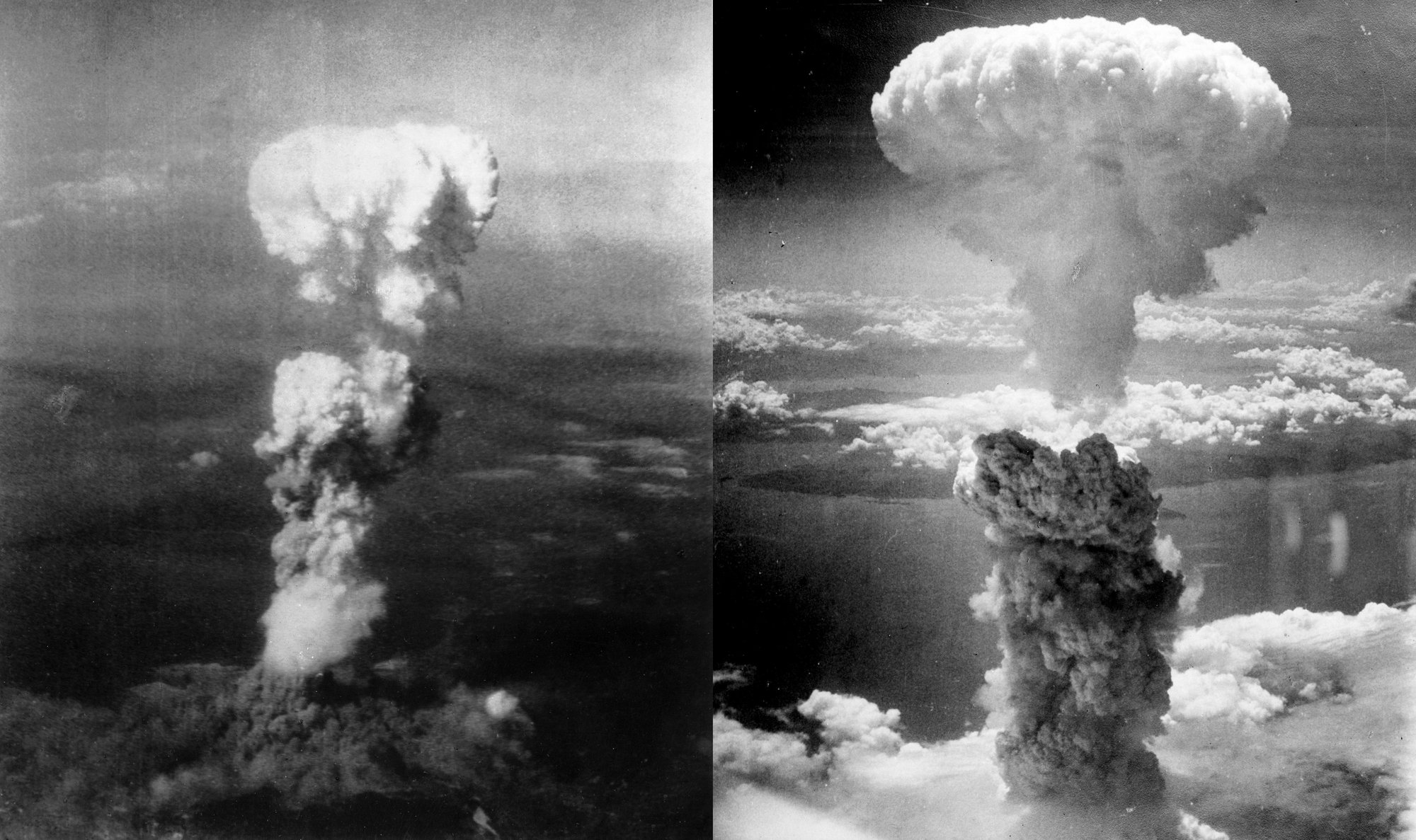
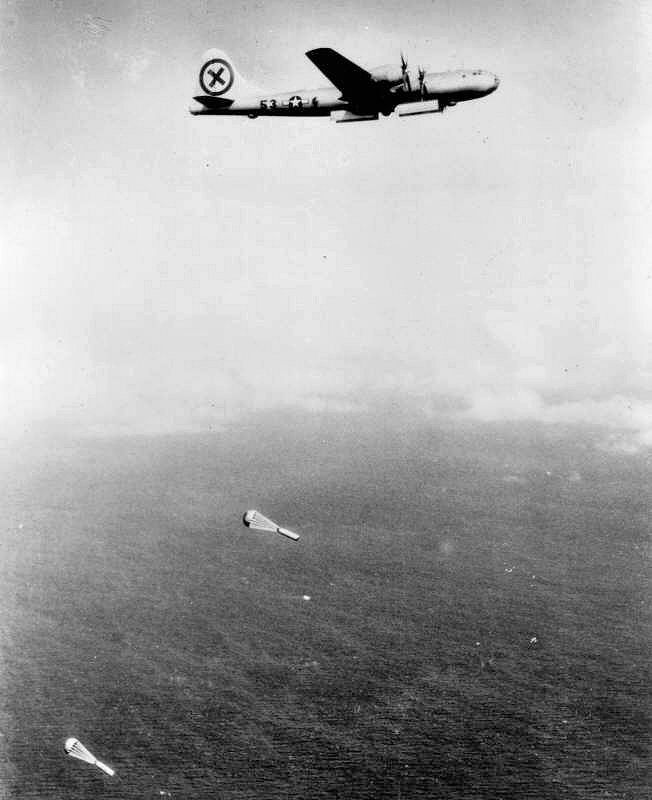
This was the first atomic bombing mission, with Hiroshima chosen as the primary target. The bomb, known as Little Boy, was dropped from the B-29 Enola Gay. It detonated about 580 meters above the city after falling for 44.4 seconds. The explosion released energy equivalent to about 16 kilotons of TNT and produced destruction across a radius of about 1.6 kilometers, with fires spreading across roughly 11 square kilometers.
For the people below, though, these measurements meant little in the moment. What they experienced was immediate, shocking, and often impossible to understand.
Watch the story on DeepSwipe
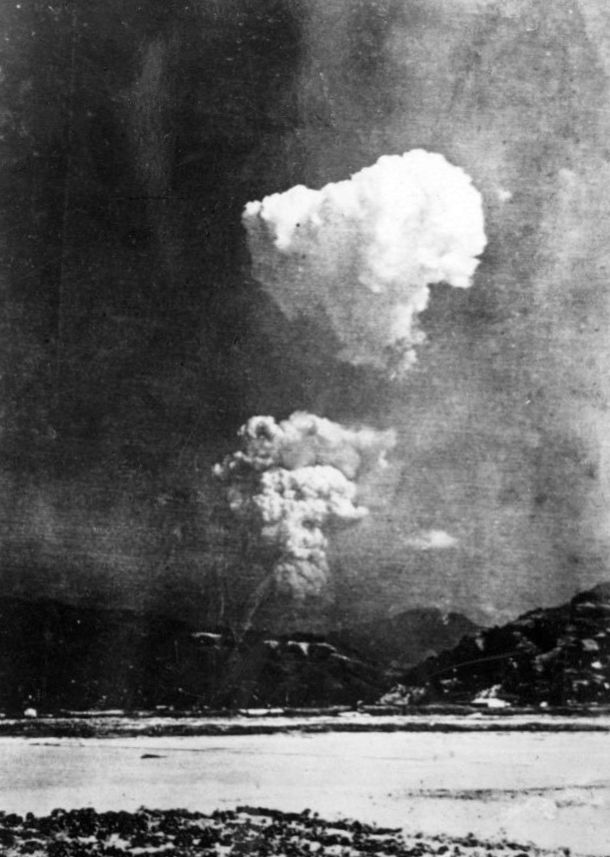
The moment the warning had already ended
One of the most haunting details about Hiroshima is how normal the city looked just before the blast. The all-clear had sounded, and many people were outdoors. That mattered enormously. It meant countless civilians were exposed when the bomb exploded overhead.
Hiroshima was not just any city. It was an important army depot, a port of embarkation, a communications center, and a major logistics base for the Japanese military. It also contained industry producing parts for planes and boats, as well as bombs, rifles, and handguns. Around 40,000 Japanese military personnel were stationed there, yet the overwhelming majority of those killed were civilians.
At the time of the bombing, Hiroshima’s population is estimated to have been about 340,000 to 350,000, reduced from earlier wartime levels by evacuation. Many residents had wondered why the city had been spared the firebombing that destroyed so many others. Some guessed it might be reserved for a special purpose. On 6 August, that fear became reality.

Pika, then don
Survivors often described the attack in two unforgettable parts: pika and don.
Pika means a brilliant flash of light. Don means a loud booming sound. Together, the phrase captures the strange sequence that many people remembered: first the blinding flash, then the crash of the blast.
Many did not realize they were witnessing an atomic explosion. According to survivor accounts, some thought that a conventional bomb had detonated right beside them. The force was so sudden and local in feeling that it seemed as if disaster had erupted in their immediate surroundings.
People were thrown across rooms. Glass shattered. Buildings collapsed. Those who survived the first instant often crawled out of wreckage into a city they no longer recognized. One common theme in survivor testimony is disorientation: people emerging from ruins without understanding that the whole city had been struck at once.
A city built to burn
Hiroshima was especially vulnerable to fire. Outside the city center, many small timber workshops stood among Japanese homes. Many houses were built of timber with tile roofs, and numerous industrial buildings also used timber frames. This made the city highly susceptible to fire damage.
After the blast, countless small fires ignited across the ruined city. These fires merged into a firestorm, a rapidly expanding and intensely destructive mass of flame moving through the wreckage. People trapped under collapsed structures were often consumed where they lay.
Others fled toward Hiroshima’s rivers, hoping for sanctuary from the heat and flames. Some entered the water to escape the firestorm and drowned there. Survivor narratives frequently describe the rivers filling with desperate people seeking relief from burns and unbearable heat.
People who seemed unharmed, then died
One of the most terrifying features of Hiroshima was that some survivors initially appeared uninjured. Yet within hours or days, many of them became gravely ill and died.
This illness was later identified as radiation sickness. In simple terms, it was severe sickness caused by exposure to the energy released by the bomb. The article notes that many people continued to die over the following months from burns, radiation sickness, and other injuries, often made worse by illness and malnutrition.
By the end of 1945, modern estimates place the death toll in Hiroshima at roughly 90,000 to 166,000 people. About half of those deaths occurred on the first day, while many others followed in the weeks and months afterward.
The full horror of radiation was not immediately understood by those on the ground. Survivors saw people who had lived through the blast only to collapse later. That made the destruction feel even more incomprehensible: the bomb did not only kill in one instant, but kept killing after the flash was gone.
The black rain
One to two hours after the explosion, another deeply disturbing phenomenon followed: black rain.
This was described as a tarry mixture of ash, radioactive fallout, and water. It fell from the atmosphere after the fires and blast had thrown huge amounts of ash upward into the clouds. In some cases, it caused severe radiation burns.
For survivors, the black rain added another surreal layer to the catastrophe. After a blinding flash, a crushing blast, collapsing buildings, and firestorm conditions, dark contaminated rain began to fall over the ruined city.
The man who photographed the aftermath
The destruction of Hiroshima was so overwhelming that even documenting it became difficult.
Photographer Yoshito Matsushige took the only photographs of Hiroshima immediately after the bombing. In a later interview, he said that there was dust everywhere, creating a grayish darkness over everything. He took only five photographs before he could not continue.
His description remains one of the most vivid from that day: the scene was “just like something out of hell.”
That line resonates because it captures more than visual destruction. It reflects the emotional paralysis of witnessing mass suffering on a scale that seemed beyond language. Even someone whose task was to record events found the reality almost impossible to face.
The medical system collapsed too
The blast did not just destroy homes and streets. It shattered Hiroshima’s ability to help the wounded.
Over 90 percent of the doctors and 93 percent of the nurses in Hiroshima were killed or injured. Hospitals were destroyed or heavily damaged. Only one doctor, Terufumi Sasaki, remained on duty at the Red Cross Hospital.
By early afternoon, police and volunteers had established evacuation centers at hospitals, schools, and tram stations, and a morgue was created in the Asano library. But the scale of suffering was enormous. Many survivors reached treatment points only to die before receiving help, leaving what the record describes as rings of corpses around hospitals.
This helps explain why so many who might have lived under other circumstances did not survive. The city itself had been wounded so badly that it could scarcely care for its own injured.
Why these memories still matter
What survivors saw in Hiroshima was not only destruction, but a new kind of destruction. A single bomb devastated a city, ignited widespread fires, crippled medical care, and left many people dying days or months later.
Their testimony preserves the human reality behind the event: ordinary life interrupted after the all-clear; a pika, then a don; a city of dust, flame, rivers filled with fleeing civilians, and people collapsing from an invisible cause not yet fully understood.
Those memories remain central to understanding Hiroshima. Statistics tell part of the story. Survivor accounts tell us what it felt like when an entire city changed in a single morning.