In August 1945, the United States dropped atomic bombs on the Japanese cities of Hiroshima and Nagasaki. They were the first and remain the only nuclear weapons ever used in armed conflict. The attacks came in the final days of World War II, but their impact did not end with the explosions.
An estimated 150,000 to 246,000 people died in 1945 as a result of the two bombings. Most were civilians. In Hiroshima alone, about 90 percent of those killed were civilians, even though the city also had military headquarters, troops, and other war-related facilities.
What makes these bombings so haunting is not only the scale of destruction, but the way death kept unfolding after the flash. Many victims died on the first day. Many others died over the following weeks and months from burns, injuries, radiation sickness, illness, and malnutrition. The bombings became a turning point not just in World War II, but in human history.
Watch the story on DeepSwipe
Why these cities were hit
By 1945, the war in Europe had ended, and the Allies had turned their full attention to Japan. At the same time, the United States had developed two atomic bombs through the Manhattan Project, a huge military-scientific program that employed more than 125,000 people at its peak and cost over 2 billion U.S. dollars at the time.
The bombs were different in design. Little Boy, dropped on Hiroshima, was an enriched uranium gun-type fission weapon. Fat Man, dropped on Nagasaki, was a plutonium implosion-type nuclear weapon. In simple terms, nuclear fission is the splitting of atomic nuclei, which releases enormous amounts of energy in an instant.
Hiroshima and Nagasaki were not random choices. The target list included large urban areas that also contained important military or industrial facilities. Hiroshima was a supply and logistics base, a communications center, a key shipping port, and the site of a major military headquarters. Nagasaki was one of the largest seaports in southern Japan and an important industrial city, with major shipyards and plants producing military equipment and ordnance.

Hiroshima: a single bomb, a city shattered
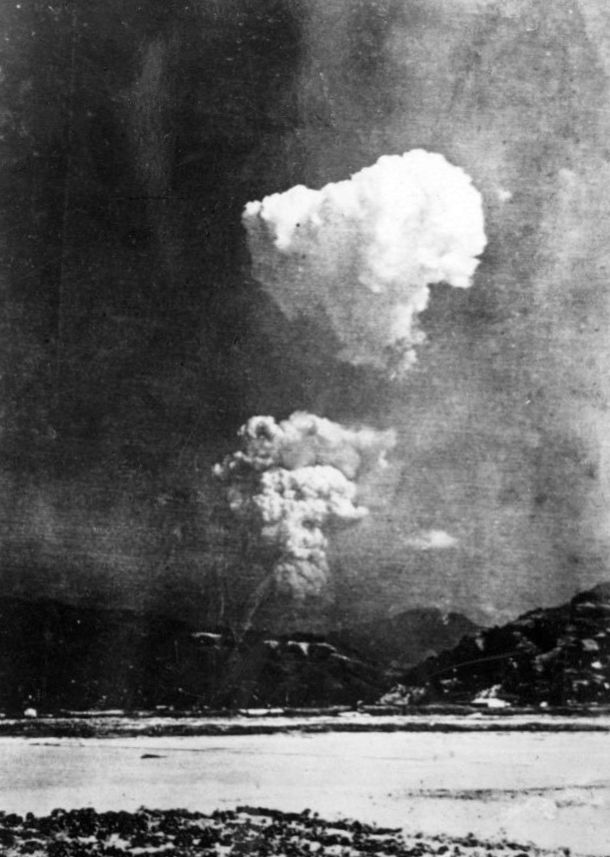
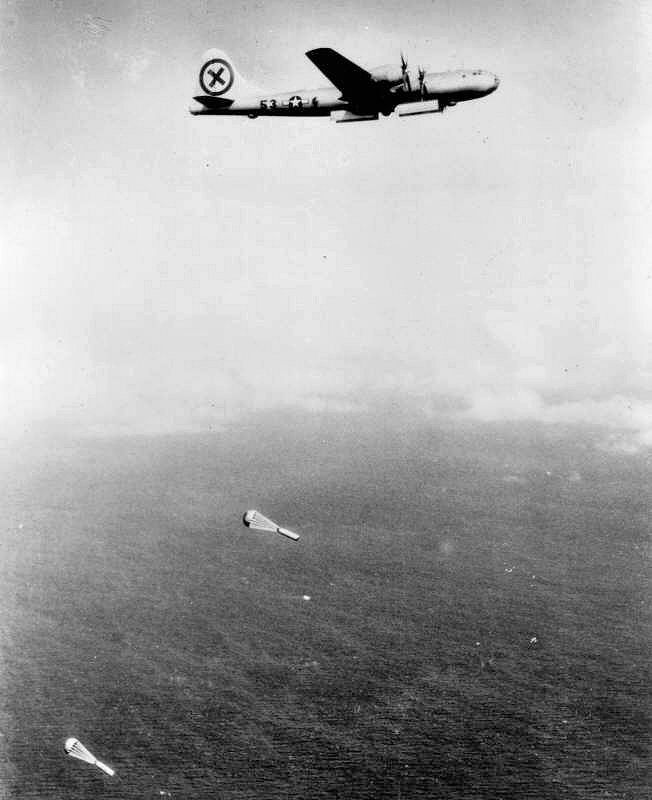
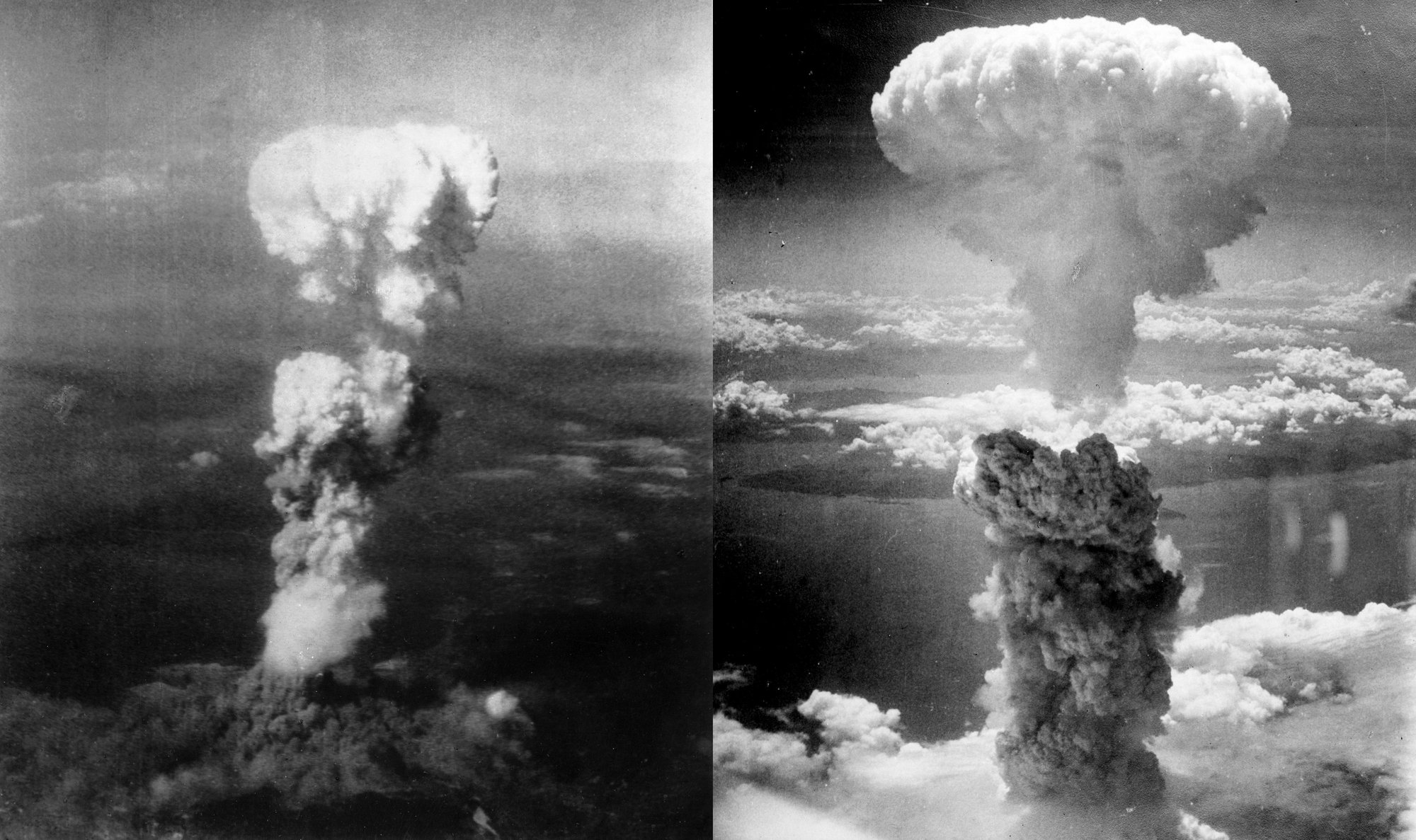
On 6 August 1945, the B-29 bomber Enola Gay dropped Little Boy over Hiroshima. The bomb detonated above the city rather than on the ground, exploding at about 580 meters above Hiroshima.
The blast missed its aiming point by about 240 meters and exploded over Shima Surgical Clinic. It released energy equivalent to about 16 kilotons of TNT. The radius of total destruction was about 1.6 kilometers, and fires spread across about 11 square kilometers.
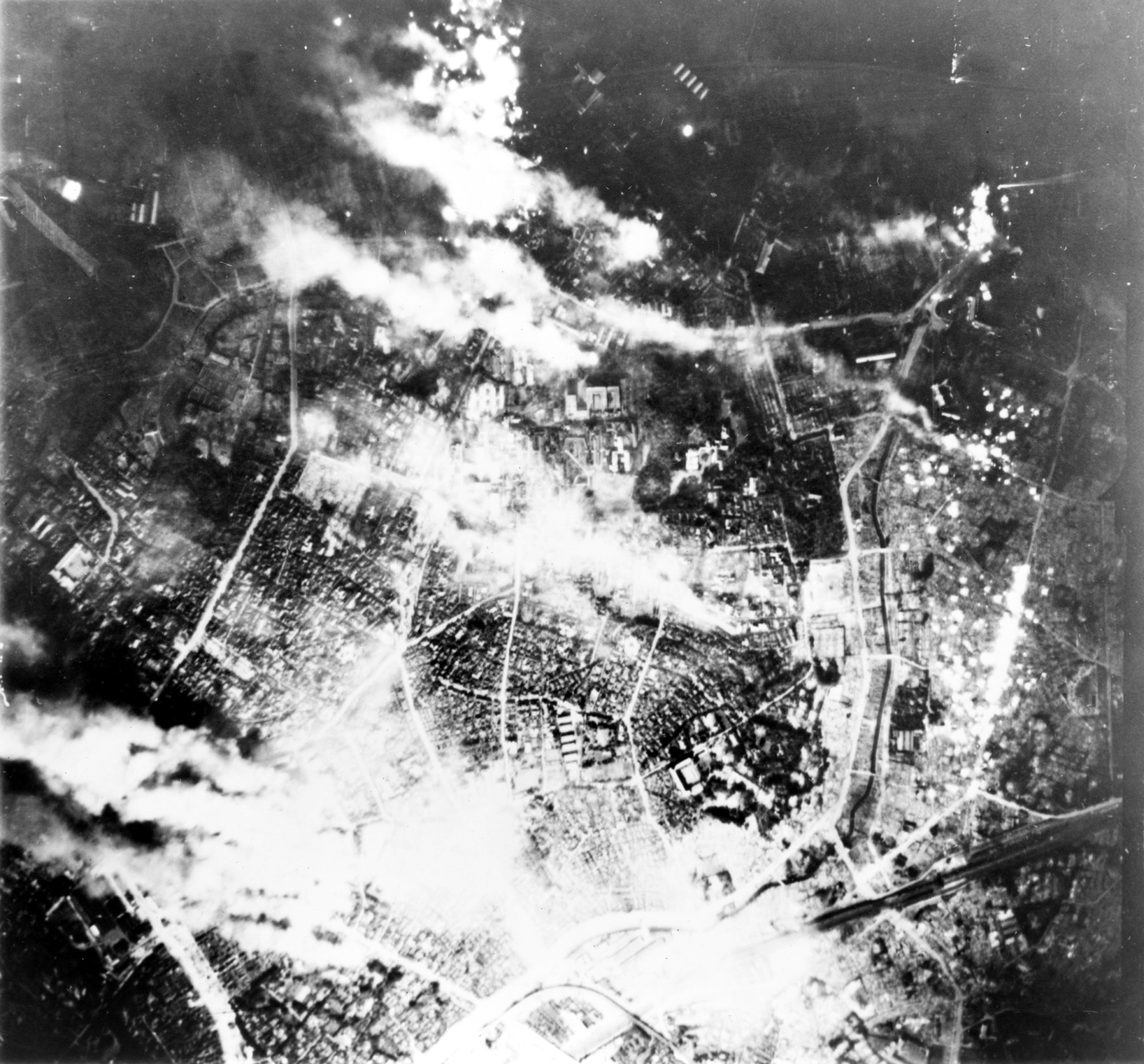
Hiroshima was especially vulnerable to fire. Much of the city contained small timber workshops and wooden houses with tile roofs. Many industrial buildings also used timber frames. Once the bomb exploded, numerous small fires merged into a firestorm. A firestorm is an intense, self-feeding blaze that creates extreme heat and dangerous winds, trapping people in burning ruins and driving others toward rivers in search of safety.
The scale of devastation was staggering. U.S. surveys estimated that 12 square kilometers of the city were destroyed. Japanese officials concluded that 69 percent of Hiroshima’s buildings were destroyed and another 6 to 7 percent damaged.
The killing did not end that day
Roughly half of the deaths occurred on the first day. But the aftermath was its own catastrophe.
Survivors described a blinding flash, then a booming sound. Many were thrown across rooms, cut by shattered glass, or trapped beneath collapsed buildings. Those who escaped the ruins often found the whole city burning at once. Some people looked uninjured at first, only to collapse hours or days later.
One of the most important and least immediately understood effects was radiation sickness. This is a serious illness caused by heavy exposure to radiation released by the bomb. Victims could suffer severe weakness, internal damage, and other life-threatening complications. For many survivors, burns, crush injuries, illness, and hunger made survival even harder.
In Hiroshima, modern estimates suggest that 90,000 to 166,000 people died by the end of 1945. Medical care itself had been shattered. More than 90 percent of doctors and 93 percent of nurses in the city were killed or injured, and many hospitals were destroyed or heavily damaged.
A phenomenon known as black rain also followed the blast. This was a dark, tar-like rainfall made up of ash, radioactive fallout, and water. In some cases, it caused severe radiation burns.
Nagasaki: a second atomic attack
Three days later, on 9 August 1945, the United States dropped Fat Man on Nagasaki. The mission had originally targeted Kokura, but clouds and smoke blocked visibility, so the bomber Bockscar turned to Nagasaki as the secondary target.
Fat Man contained a plutonium core and detonated above Nagasaki’s industrial valley at about 503 meters. Its explosive force was about 21 kilotons of TNT, making it more powerful than the bomb used on Hiroshima.
Yet geography changed the outcome. Nagasaki’s hills confined much of the blast to the Urakami Valley, shielding other parts of the city. Even so, the destruction was enormous. The radius of total destruction was again about 1.6 kilometers, and fires spread through the northern part of the city.
Modern estimates suggest that 60,000 to 80,000 people in Nagasaki died by the end of 1945. Among those killed were workers in major war industries, Japanese soldiers, and Allied prisoners of war. The city’s medical system was also badly damaged, and emergency treatment had to be improvised in surviving buildings such as a primary school.
Black rain fell in Nagasaki too, carrying radioactive material for one to two hours after the bombing.
Why civilians suffered so heavily
Although both cities had military value, civilian life and military production were closely mixed together. In Hiroshima, workshops, homes, transport links, depots, and headquarters stood side by side. In Nagasaki, residences and factories had grown close together throughout the industrial valley. That meant a bomb aimed at military or industrial targets still hit a densely populated urban environment.
This is why the civilian toll was so overwhelming. In Hiroshima, despite the presence of an estimated 40,000 Japanese military personnel in the city, around 90 percent of the dead were civilians.
The end of the war, and the beginning of a global argument
Japan announced its surrender on 15 August 1945 and formally signed the instrument of surrender on 2 September. Since then, debate over the bombings has never really stopped.
Supporters have argued that the bombings were necessary to end the war and avoid even greater casualties from an invasion of Japan. Critics have argued that the attacks were unnecessary, immoral, or criminal, and that they raise enduring moral and legal questions about warfare.
The bombings also transformed world politics. They shaped the nuclear age, influenced Cold War geopolitics, and permanently changed how humanity thinks about technology, military power, and its own capacity for destruction.
The human legacy
The survivors are known in Japanese as hibakusha, meaning “explosion-affected people.” Hundreds of thousands were eventually recognized by the Japanese government. Many endured not only physical and psychological suffering, but also discrimination based on public fear and misunderstanding.
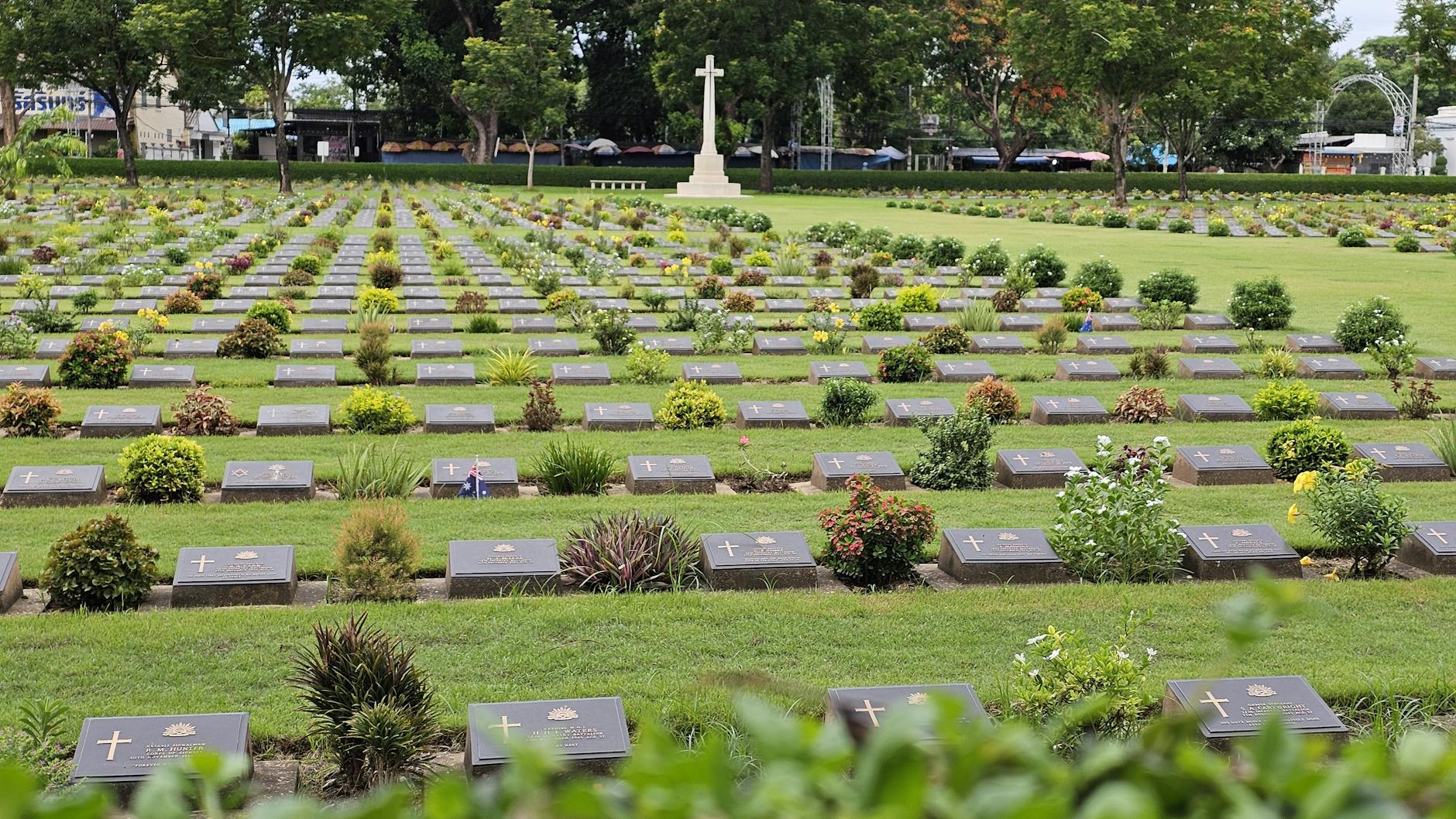
Their experiences became central to how the bombings are remembered. Memorials in Hiroshima and Nagasaki record the names of those who died. Museums, survivor accounts, photographs, and later reporting brought the reality of burns, radiation exposure, shattered medical systems, and long-term trauma to the world.
That is why Hiroshima and Nagasaki still echo so powerfully. These were not only two wartime attacks. They were the moment humanity proved it could destroy cities with a single weapon, and then had to live with what that meant.