A Tomb Built in a Hurry
By late 1986, the immediate crisis at Chernobyl had shifted from flaming graphite to something slower but no less dangerous: wind, rain, and time.
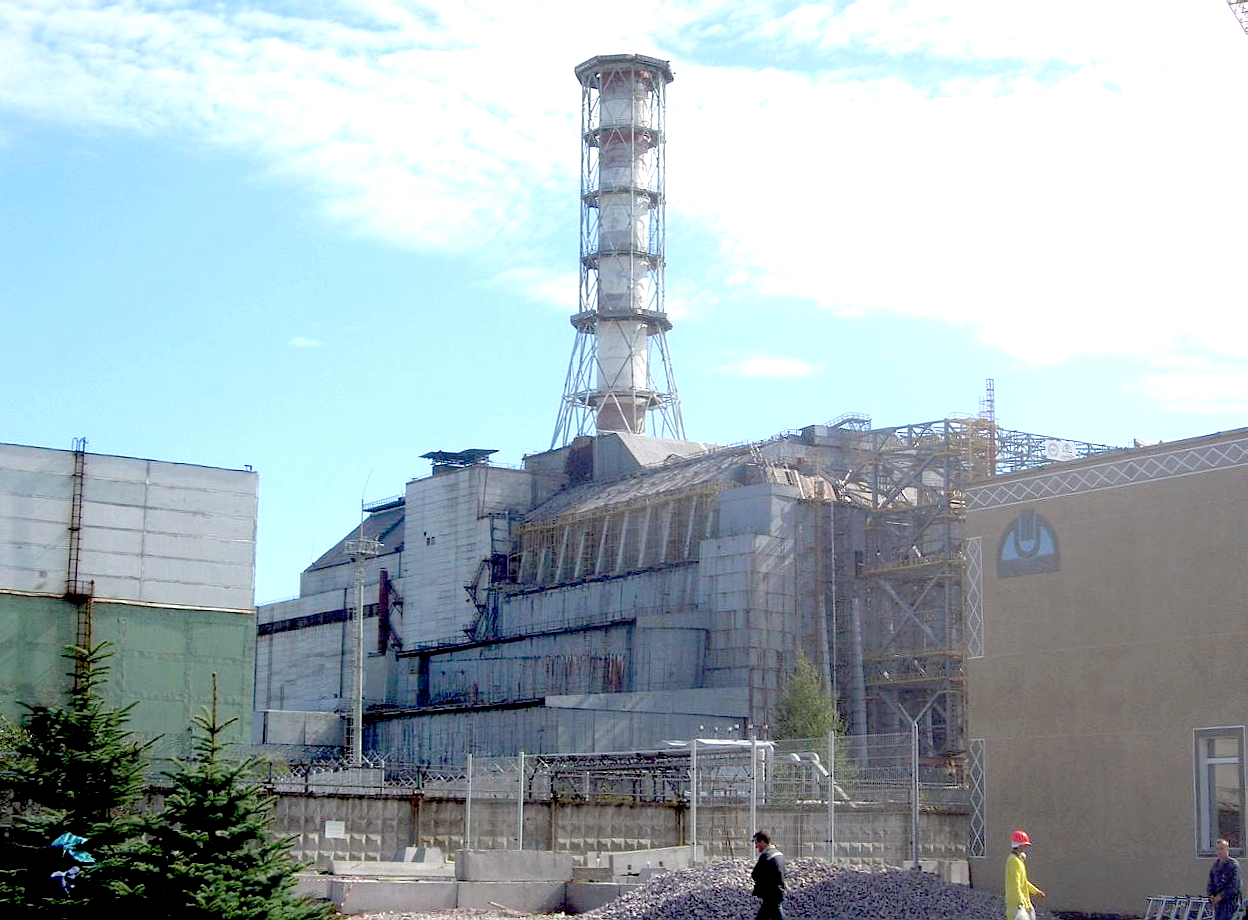
The initial solution, thrown together in just months, was the Sarcophagus—a hulking composite of steel and concrete constructed around the wreck of Reactor 4. Its goals were simple but daunting: keep radioactive dust and debris from escaping, shield workers in the still‑operating Reactor 3 next door, and divert rainwater that might wash contamination into groundwater.
Engineers built under intense gamma radiation. Crane operators worked from lead‑lined cabs; walls were poured thick; contaminated ground was scraped and concreted over to allow machinery to move. No one pretended it was a perfect or permanent fix. Its expected lifetime was only about 30 years.
Cracks in the Coffin
As the decades passed, the Sarcophagus aged poorly. Heat, corrosion, and the violent way it had been assembled all took their toll. In February 2013, a 600‑square‑metre section of roof over the turbine hall, next to the shelter, collapsed. At first blamed on heavy snow, a later investigation pointed instead to sloppy past repairs and material fatigue.
Experts warned that the main shelter itself was at risk of failure. If major sections caved in, they could send plumes of radioactive dust across Ukraine and beyond.

Building a Safer Cage
In 1997, the Chernobyl Shelter Fund was created to finance a long‑term solution. Managed by the European Bank for Reconstruction and Development, it pooled nearly €864 million from international donors.
The chosen answer was audacious: build a colossal New Safe Confinement (NSC)—a steel arch 105 meters high and 257 meters across—on rails beside the old reactor, then slide it over the existing Sarcophagus like a giant hood.
Construction began in 2010. The arch was assembled in stages, each piece carefully lifted into place to limit worker exposure. In November 2016, the completed structure was slowly rolled into its final position, sealing off Reactor 4 and its decaying tomb from the elements.
Inside, the NSC housed cranes and systems designed to eventually dismantle the old Sarcophagus and retrieve fuel‑containing materials, with cleanup projected to continue until 2065.
War Comes to the Confinement
Even this massive feat of engineering could not escape human conflict. In February 2025, amid Russia’s ongoing war in Ukraine, a Russian drone struck the shelter, starting a fire and damaging both the outer and inner protective layers and insulation.
An International Atomic Energy Agency mission later concluded that while the NSC’s load‑bearing structures and monitoring systems remained intact, its primary safety functions—especially confinement of radioactive material—had been compromised.
A Moving Target
From the frantic Sarcophagus of 1986 to the high‑tech arch of the 2010s, Chernobyl’s containment history is a story of racing against deterioration—some of it natural, some man‑made. Each layer of protection buys time, not certainty.
The damaged NSC now stands as both achievement and warning: even our grandest attempts to bury the past are vulnerable to new forces, from corrosion to conflict. The task of safely dismantling Reactor 4 is no longer just an engineering challenge; it is a test of whether long‑term environmental stewardship can survive short‑term human wars.