Fighting a Fire You Couldn’t Approach
Once the open‑air fire in Reactor 4’s core was recognized, the Soviet response had to do the impossible: extinguish it, stop further explosions, and keep radioactive dust from spreading—without putting too many people in fatal radiation fields.
Helicopters became frontline weapons. Hundreds of pilots flew thousands of sorties directly over the wrecked core, dumping more than 5,000 tonnes of sand, lead, clay, and boron. In practice, much of this material missed the heart of the fire, but it helped choke off some emissions and signaled to a frightened world that something was being done.
Draining the Pools Below
Beneath the reactor, flooded bubbler pools loomed as a second threat. Engineers feared the molten corium might drop into the water, generating enough steam to rip the building apart again.
Three men—Oleksiy Ananenko, Valeri Bespalov, and their supervisor Boris Baranov—volunteered to wade through dark, radioactive corridors to open the sluice valves. Popular lore later declared them martyrs who died within days. In reality, all three survived and, decades later, were awarded the Order for Courage.
Ironically, later analysis showed that corium had already dripped into the pools and cooled into a light pumice, floating harmlessly. The mission was unnecessary—but they went in without knowing that.

Digging Under a Live Core
Another nightmare scenario haunted planners: the core might burn down into the soil and contaminate groundwater, or destabilize the foundations. An audacious plan to freeze the earth with 25 tonnes of liquid nitrogen per day was tried, then scrapped.
Miners and subway builders dug a tunnel beneath the reactor to install a water‑cooled graphite plate—a kind of primitive core catcher. Before it was finished, temperatures dropped and fuel flow stopped; the cooling system was never installed. The tunnel was instead filled with concrete to bolster the foundations.
When Robots Quit Being Robots
The roof around Reactor 4 was littered with an estimated 100 tonnes of radioactive debris—chunks of graphite and fuel that had to be cleared before a concrete shelter could be built.
The first plan leaned on machines: about 60 remote‑controlled robots, some originally designed for lunar exploration or policing, were sent onto the roof. There they met two enemies: uneven, rubble‑strewn terrain, and radiation so intense it fried their electronics.
As physicist Valery Legasov drily observed, “Where there was very high radiation, the robot ceased to be a robot.”
Liquidators on the Roof
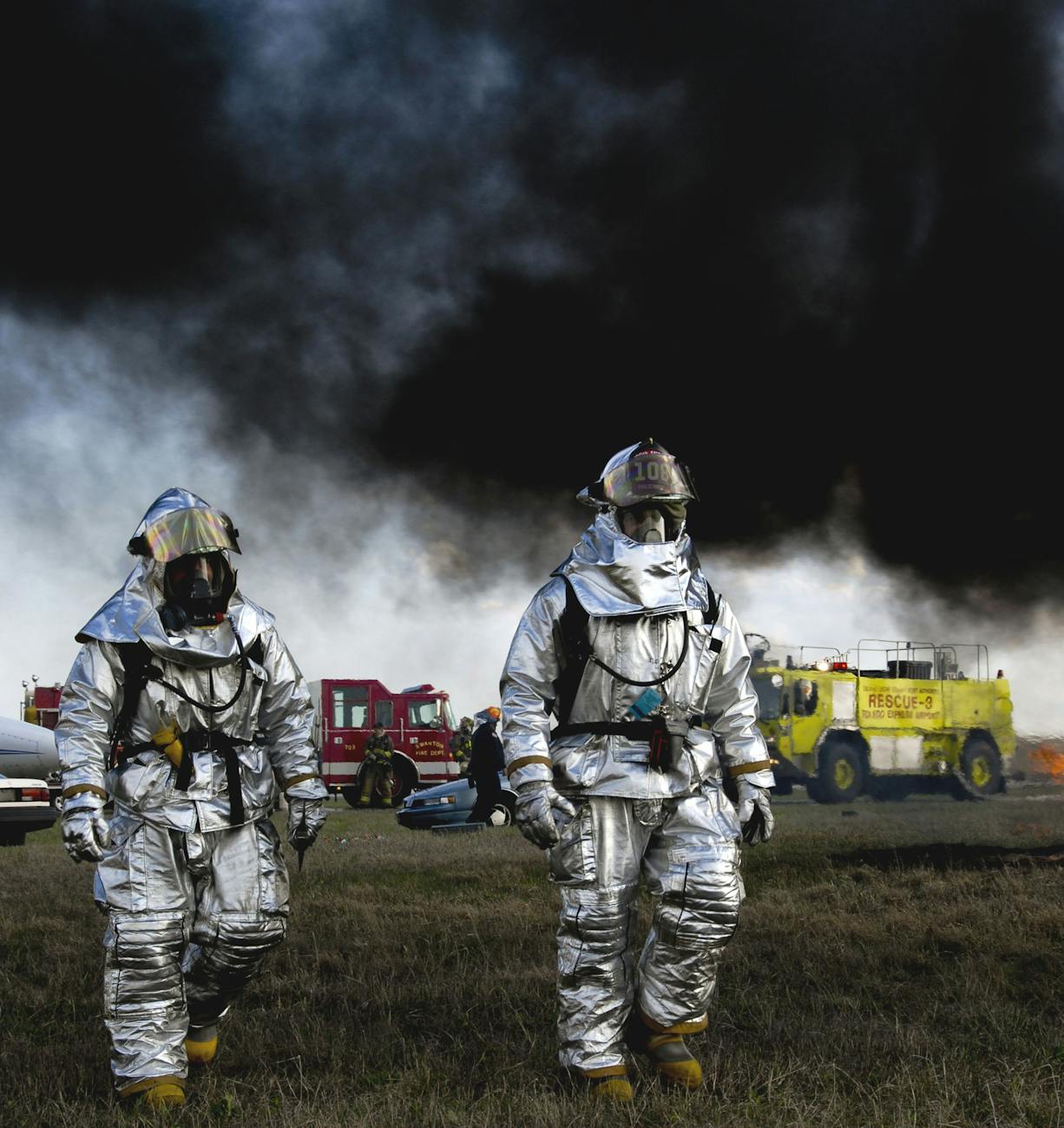
With machines failing, the task fell to humans—Chernobyl liquidators, many of them young soldiers. Wearing heavy protective gear, each man was allowed on the most contaminated roofs for 40 to 90 seconds. In that time, he had to sprint out, shovel chunks of debris over the edge into the ruined reactor hall, and rush back.
Only about 10% of the rooftop debris was cleared by robots. The remaining 90% came off the roof on the backs of 3,828 men, each receiving on average about 250 millisieverts, ten years’ worth of normal background radiation, in seconds.
Building the First Sarcophagus
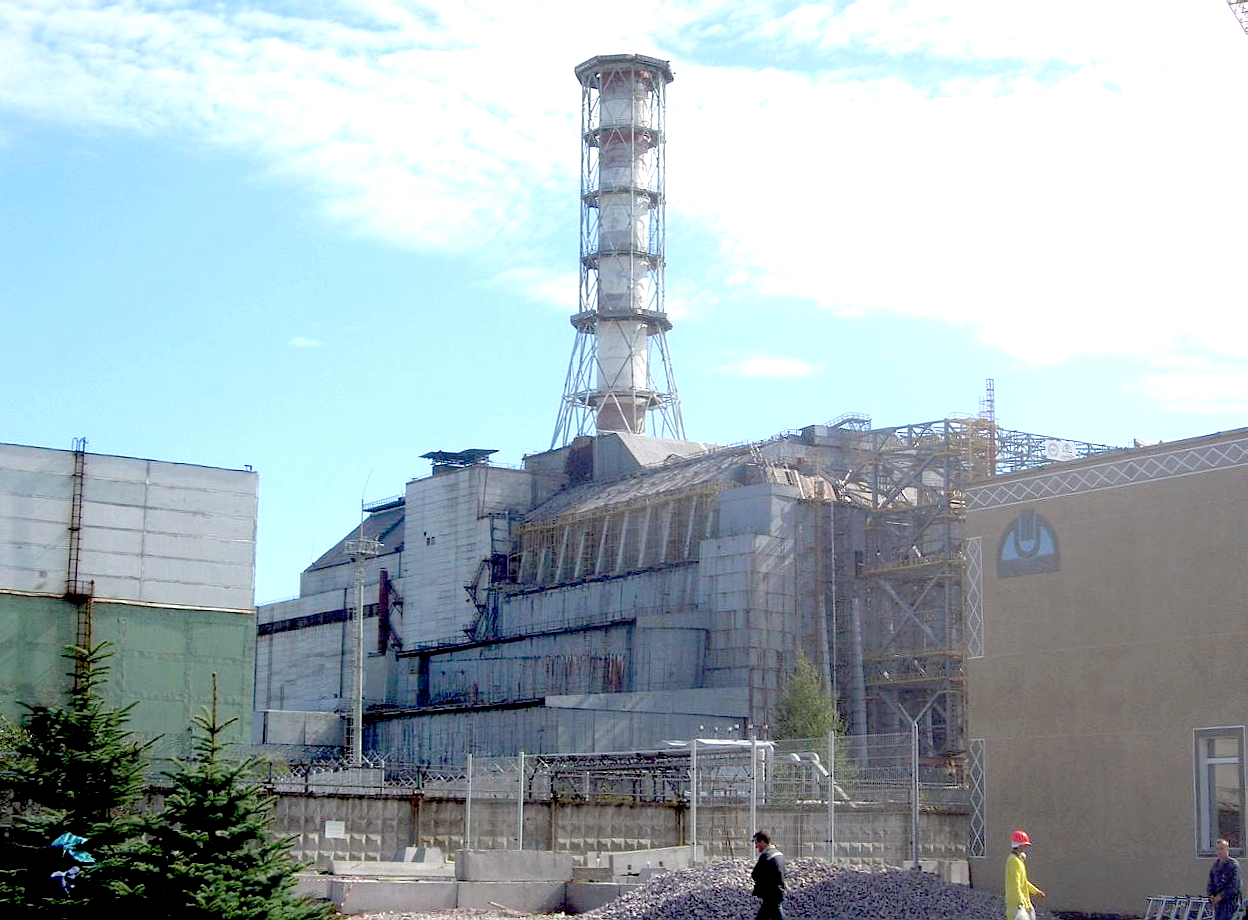
All of this bought time to design and erect a massive steel‑and‑concrete shell—the Sarcophagus—around the wreck. Starting just 24 days after the disaster, under punishing radiation levels, crews poured concrete, raised walls, and slid in huge prefabricated panels.
By November 1986, the first containment structure stood over Reactor 4, a rough, improvised fortress meant to last about 30 years. It reduced radiation levels for workers at the adjacent Reactor 3 and limited further spread of radioactive dust.
The frantic months after the explosion were a crash course in disaster engineering: robots that failed, heroism that filled the gap, and solutions that were often as dangerous as the problem. Yet without that chaotic sprint, there would have been no stable platform on which to build the safer, more durable structures that followed.