A Test That Should Have Been Routine
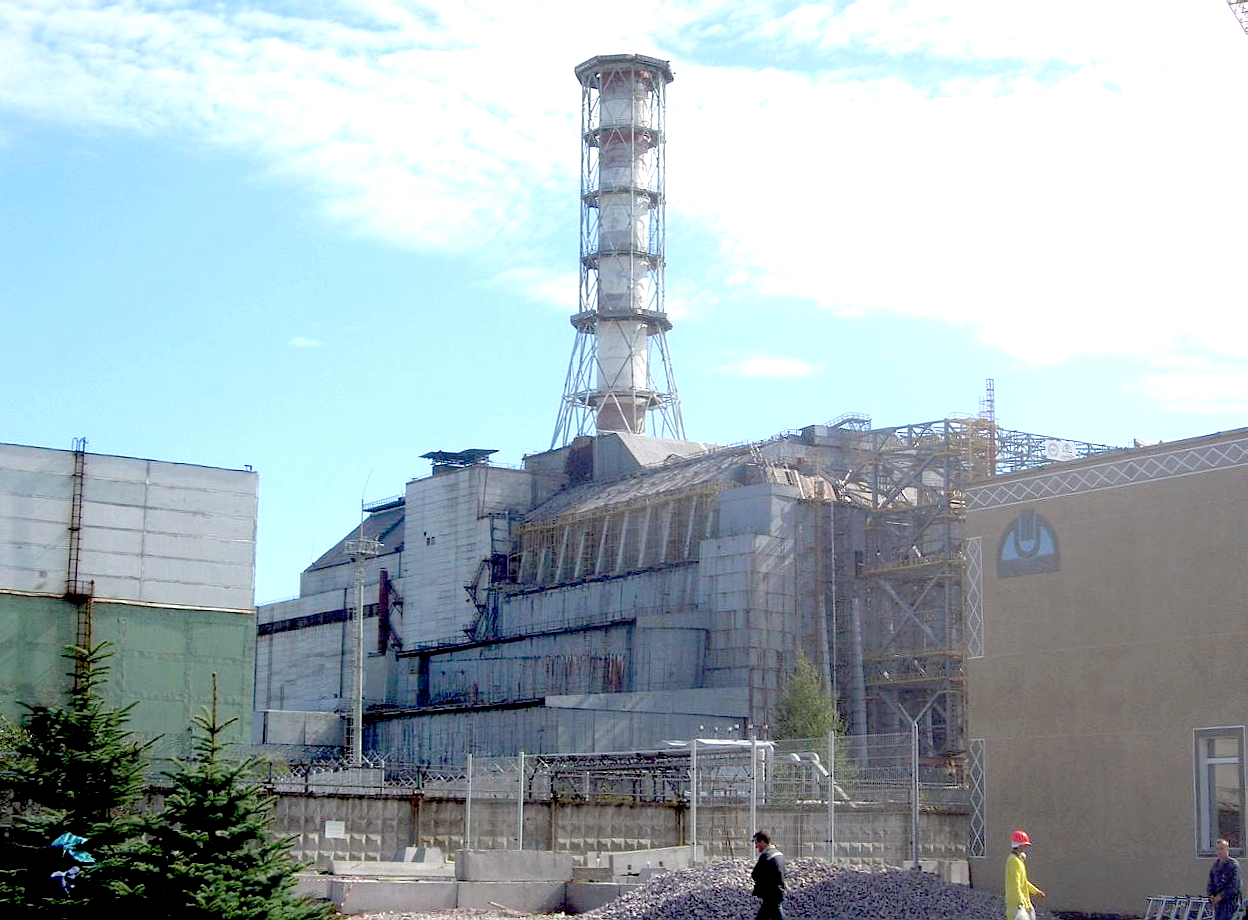
Just after 1:23 a.m. on 26 April 1986, engineers at Chernobyl’s Reactor 4 began what was supposed to be a final, tidy experiment before a planned maintenance shutdown. The test was simple in concept: could the spinning momentum of the steam turbine keep coolant pumps running for precious seconds during a blackout, until diesel generators came online?
The idea had been tried three times before without success. On this fourth attempt, a tangle of delays, misjudgments, and hidden reactor quirks aligned into a deadly sequence.
A Reactor Primed to Fail
The RBMK‑1000 reactor at Chernobyl was already an awkward machine. It used water as coolant but graphite to slow, or “moderate,” neutrons, and it had a dangerous design feature: a positive void coefficient. That meant that if coolant water began to boil into steam “voids,” the reactor did not calm down – it became more reactive, driving power higher in a vicious loop.
On the day of the test, the electrical grid unexpectedly demanded more power, and the planned power‑down was delayed for hours. The emergency core cooling system was switched off for the test and, through the long delay, simply left that way. By the time the night shift took over, they were handed a mission they had barely been briefed on.

Poisoned Core, Desperate Operators
As they finally reduced power, a subtle enemy crept in: xenon‑135, a fission by‑product that soaks up neutrons and chokes the reaction. At low power, xenon built up faster than it could be “burned off,” and within minutes the reactor’s power collapsed to near zero.
Panicking to salvage the test, the operators violated their own safety limits. They pulled out most of the 211 control rods that normally tame the chain reaction. When they managed to claw the power back up to around 200 megawatts—far below the prescribed 700–1000—the core was full of xenon, robbed of control rods, and flushed with unusually strong coolant flow. On paper, the reactor looked stable. In reality, it was teetering on the edge of a runaway surge.
The Test Begins
At 01:23:04, the test sequence started. Steam to the turbine was cut, and the huge generator began to coast down. As it slowed, electric power to half the main circulating pumps dwindled. Water flow dropped. More steam bubbles formed in the fuel channels.
In an RBMK, more steam meant more reactivity. The very condition the test created—reduced coolant flow and growing voids—was exactly what this reactor turned into explosive power.
The Fatal Button Press
At 01:23:40, someone in the control room pressed AZ‑5, the emergency shutdown button. In most reactors this is the moment of salvation. At Chernobyl, it was the trigger.
Each control rod carried a graphite tip and a water‑filled gap beneath it. As the rods began to descend, their graphite leaders displaced neutron‑absorbing water with neutron‑moderating graphite at the bottom of the core. For a crucial second or two, the “shutdown” actually increased power.
Already unstable, the core responded like dry tinder to a match. Within seconds, power spiked to at least ten times the reactor’s design output—possibly far more. Fuel channels ruptured, coolant flashed instantly to steam, and the reactor vessel was torn apart.
Two Blows, Then Silence
A first steam explosion blasted the 2,000‑ton upper biological shield through the roof. Coolant lines sheared, more water flashed to steam, and with the positive void coefficient now completely unchained, a second, even more violent explosion followed – equivalent to dozens or perhaps hundreds of tons of TNT.
Red‑hot chunks of graphite and fuel rained onto the building and nearby roofs, igniting fires. A pillar of ionized blue light rose above the shattered core.
In less than a minute, a test intended to prove a safety feature had disassembled an entire reactor, and changed the history of nuclear power forever.