A Monster Forms Beneath the Reactor
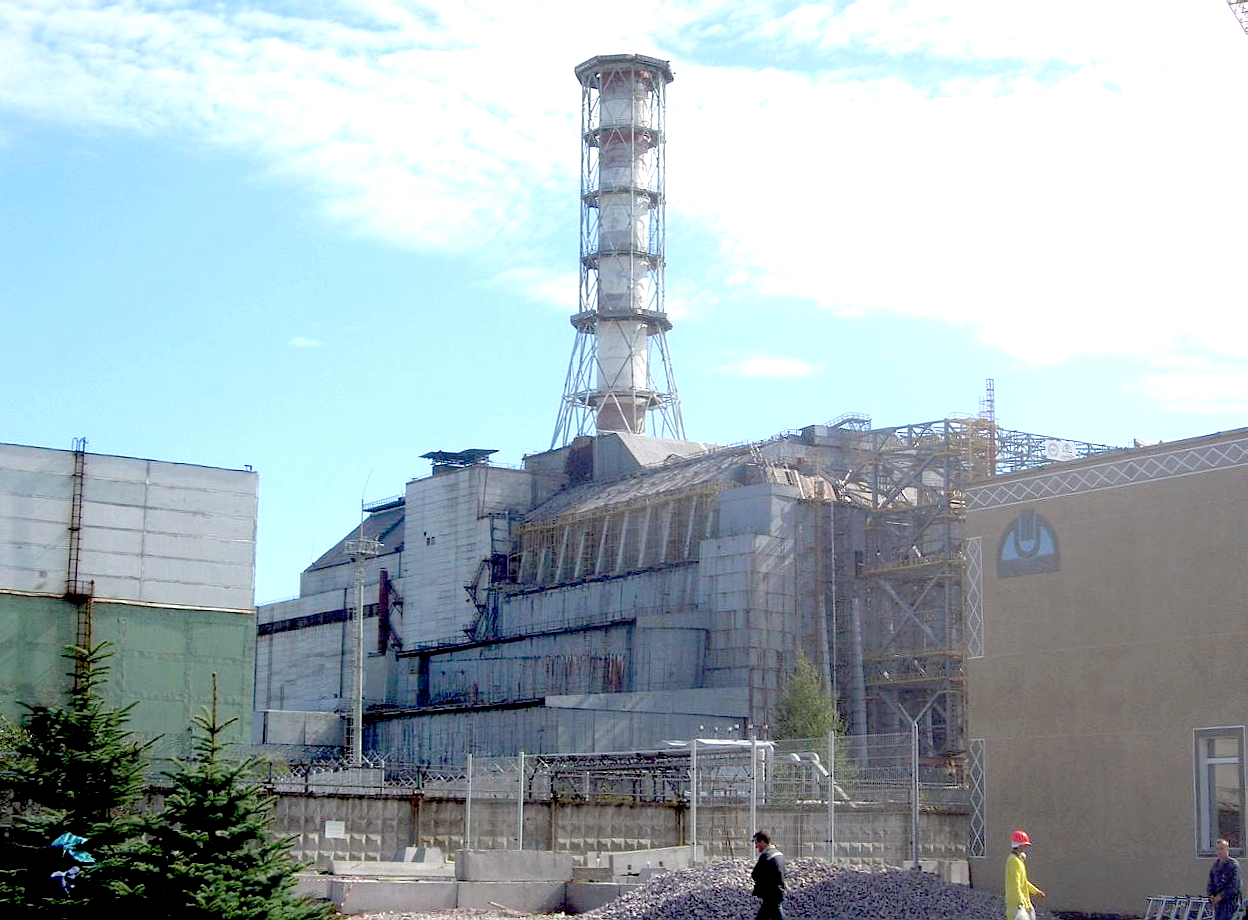
After the explosions at Chernobyl, the core didn’t just burn—it melted. Superheated fuel, steel, sand, and serpentinite cascaded through the wrecked structure at more than 1,200°C, forming a substance few had seen before: corium, a lava‑like, intensely radioactive slurry.
Engineers feared this molten mass might burn down into the soil, reach groundwater, and trigger new explosions or contamination on a continental scale. Hasty schemes to freeze the earth with liquid nitrogen and carve out cooling tunnels were launched, then abandoned as temperatures fell and the melt appeared to solidify.
Into the Dark to Find the Fuel
For months, specialists from Soviet institutes probed the mangled building, armed with dosimeters, flashlights, and little else. Radiation was so high that workers could only enter certain zones for seconds at a time.
In June 1986, two men climbing a staircase unknowingly passed within meters of something that would become infamous worldwide—but their dosimeter failed, and they retreated, blind to what they’d just nearly touched.
By late that year, a “Complex Expedition” was formed to answer a terrifying question: where was the fuel now, and could it go critical again? They needed not just measurements, but eyes on the core remains.

Discovering the Elephant’s Foot
In December 1986, technician Vasya Koryagin stumbled on it: a massive, wrinkled, glassy formation that had oozed down through ducting and solidified. It looked disturbingly like the foot of a gigantic animal.
Samples later revealed what it really was – a dense, ceramic mix of melted fuel, concrete, sand, and metals, laced with newly formed minerals like chernobylite. This single object carried enough radioactivity that, at first, a few minutes near it could deliver a lethal dose.
Workers could not approach it directly. Early sampling involved shooting it with armor‑piercing AK‑47 rounds to break off fragments without standing too close.
A Terrible Beauty
The Elephant’s Foot was proof that most of the reactor’s fuel—about 90%—remained inside the building, not blasted across Europe. That was a grim relief; it meant no second, larger radiological catastrophe was lurking in the soil.
But the Foot and other fuel‑containing materials still posed long‑term threats. Rainwater entering the shattered structure could act as a moderator, slowing neutrons and, in theory, triggering bursts of renewed fission. At various points, engineers observed increases in neutron activity and dosed the wreckage with neutron‑absorbing chemicals like gadolinium nitrate to tamp it down.
Slowly Crumbling, Still Dangerous
Over decades, the Foot has changed. Once so hard it needed bullets to sample, by 2021 parts had weathered into a texture more like sand. Self‑irradiation, heat, and moisture have been steadily degrading the once‑solid lava, turning large swaths of it into a fragile crust and powder.
This slow decay is a double‑edged process: it makes eventual removal thinkable, but also risks stirring radioactive dust.
Beneath the great steel arch of the New Safe Confinement, the Elephant’s Foot now sits in perpetual twilight—a reminder that when a nuclear reactor fails catastrophically, it can create not just contamination, but entirely new, unnatural geology that will outlast our grandchildren.