An Accident the System Couldn’t Hide
When radiation alarms in Sweden forced the Soviet Union to admit that “one of the nuclear reactors was damaged,” it struck at the heart of a superpower built on secrecy. The initial denial, followed by a terse 20‑second TV announcement and soothing talk of “remedied effects,” convinced few abroad—and even fewer at home.
As more than 100,000 people were evacuated and classical music replaced regular broadcasts, it became clear that the catastrophe was far larger than officials first allowed.
Glasnost Meets a Meltdown
Mikhail Gorbachev had already begun talking about glasnost—greater openness—as part of his reforms. Chernobyl turned those words into a necessity.
For years, the KGB had documented design flaws, construction shortcuts, and safety violations at Soviet plants, including Chernobyl, and quietly passed warnings up the chain. Nothing changed. Now the consequences were visible on a global stage.
The disaster exposed not only technological weakness but a “safety culture” failure at every level. International investigators later concluded that both operator errors and inherent reactor design flaws were to blame—problems made worse by a bureaucracy that punished bad news.
Chernobyl forced the USSR into unprecedented transparency: allowing foreign experts in, declassifying documents, and participating in new international treaties on early notification and assistance in nuclear accidents.

A Financial Black Hole
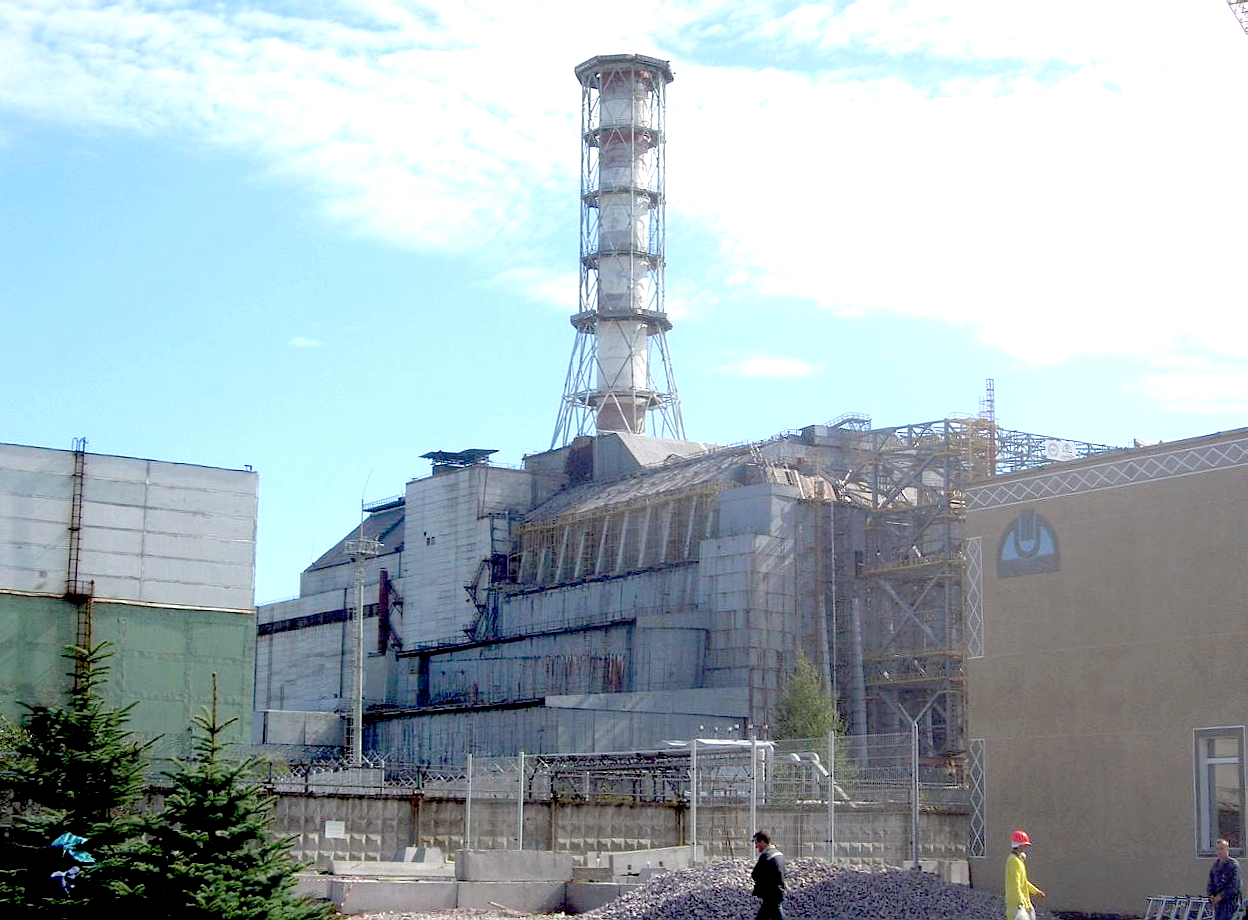
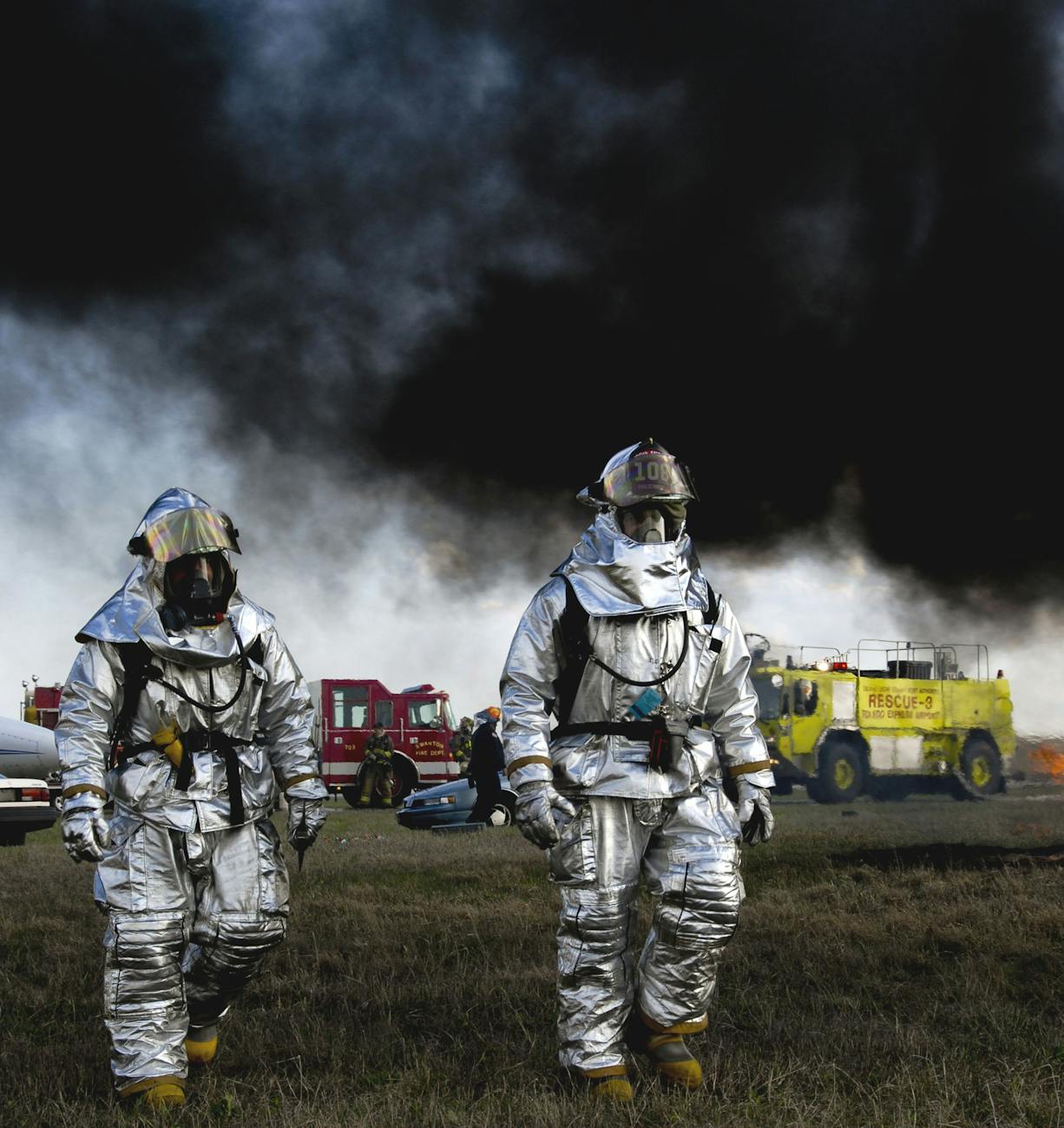
Containing and cleaning up the disaster demanded a mobilization on the scale of a military campaign. More than 500,000 personnel—firefighters, soldiers, miners, engineers—were drawn into the effort. Gorbachev later estimated that the USSR spent 18 billion rubles on Chernobyl in containment and decontamination alone, a sum he believed helped bankrupt the Soviet state.
Neighboring Belarus would later tally its 30‑year cost at US$235 billion. Ukraine devoted between 5 and 7 percent of its national budget for years to Chernobyl‑related expenses. Forest and farmland were stripped from production; agriculture grew more expensive under strict contamination controls.
A Catalyst for Collapse
Gorbachev himself would write that Chernobyl was "perhaps the real cause of the collapse of the Soviet Union." It fed public anger over lies, fueled nationalist sentiment in republics like Ukraine and Belarus, and legitimized calls for environmental and political reform.
Abroad, Chernobyl hardened opposition to nuclear power and invited comparisons between Soviet reactors and Western ones. At home, it created hundreds of thousands of displaced people and millions registered as victims—citizens with grievances, entitlements, and a growing distrust of Moscow’s assurances.
From Reactor Ruins to a New Europe
The accident deepened the logic of East–West cooperation too. Joint efforts on nuclear safety and medical treatment built channels of communication in the last years of the Cold War. When the Soviet Union finally dissolved, Chernobyl stood in memory not only as an environmental tragedy, but as a turning point when the costs of secrecy and central control could no longer be disguised.
The ruined sarcophagus over Reactor 4 became a concrete metaphor for a crumbling system: hastily built, dangerously unstable, and too expensive to maintain.