When Fear Became Its Own Illness
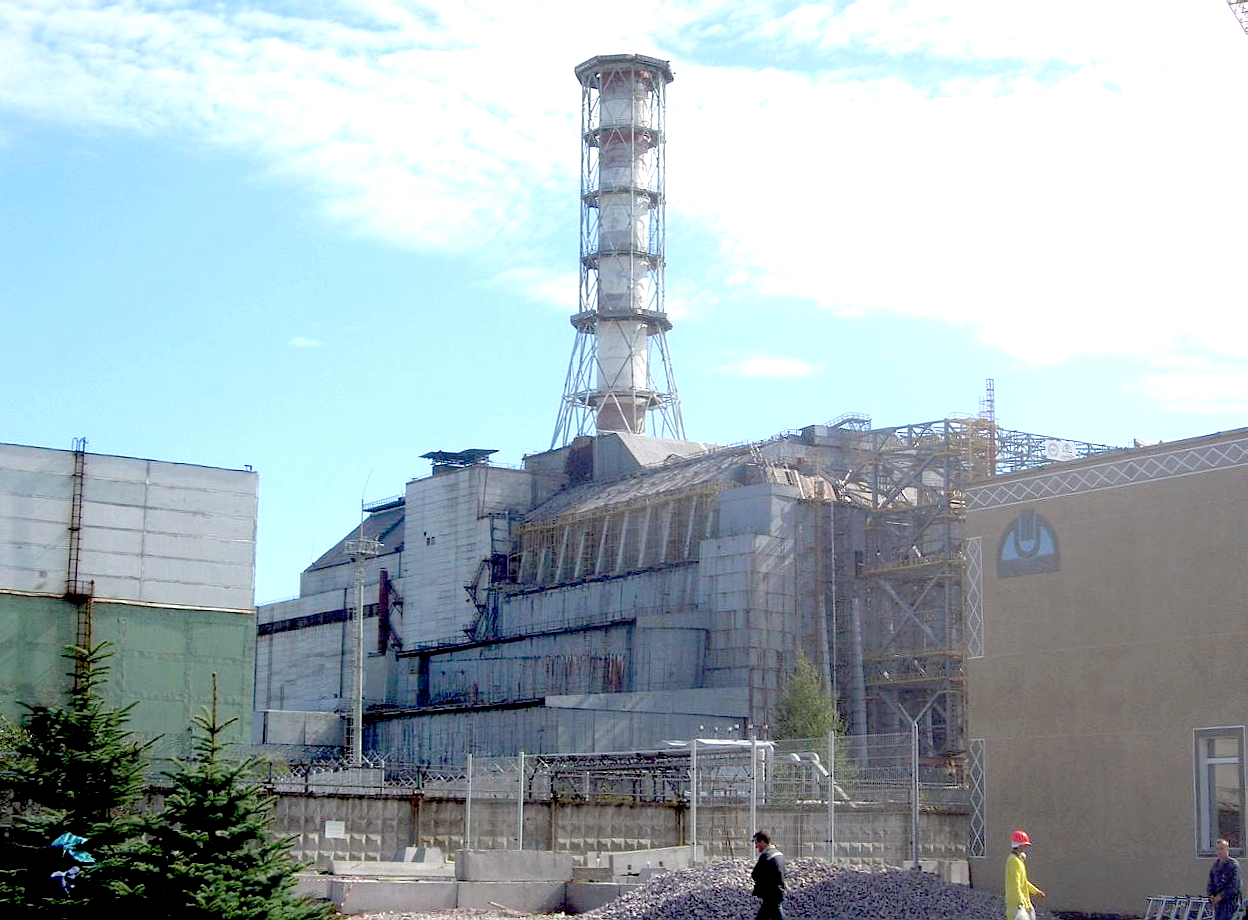
Radiation is invisible, odorless, and, after Chernobyl, omnipresent in the public imagination. As news of the disaster spread—first through foreign alarms in Sweden, then through terse Soviet broadcasts—confidence in experts shattered. Journalists openly distrusted officials and, in turn, stoked public mistrust of doctors and scientists.
The result was more than anxiety. It became radiophobia: a pervasive fear of radiation that changed how people saw their bodies and their futures.
Abortions Without Exposure
Across Europe, pregnant women faced a terrifying choice made harder by rumor and poor communication. Many believed that even minuscule doses of fallout would doom their unborn children.
In Denmark, about 400 additional abortions were recorded. In Greece, the number rose by 2,500, despite objectively low radiation doses. Estimates suggest around 150,000 elective abortions worldwide were prompted by fear of Chernobyl—not by medical evidence.
Later studies told a starkly different story. Large databases, including nearly a million births across Europe, found no increase in congenital anomalies linked to the accident in places like Belarus, Ukraine, Sweden, or Finland. The main measurable pregnancy effect was the abortions themselves.

The Weight of the “Victim” Label
For those in contaminated regions, the psychological burden did not end when the plume dispersed. By 2000, about 3.5 million Ukrainians—roughly 5% of the population—were officially registered as Chernobyl “sufferers.” Many had been resettled or worked at the plant; many more simply lived in areas marked on radiation maps.
Extensive medical surveillance meant that more cancers and benign conditions were discovered, but this vigilance came with a cost. Being continuously examined, monitored, and compensated reinforced an identity as permanently damaged.
Experts like Fred Mettler warned that this mindset fostered fatalism: if one believes illness is inevitable, why stop smoking, or seek early treatment, or plan for the future?
Mental Health in a Shadow Zone
Post‑traumatic stress, depression, and psychosomatic illnesses became some of Chernobyl’s most widespread legacies. People attributed an array of symptoms—fatigue, pain, poor concentration—to radiation, even when doses were low or indistinguishable from natural background.
Studies have since suggested that, outside the hardest‑hit groups like early liquidators and heavily exposed children, the mental health toll exceeded the physical effects of radiation. Fear altered family plans, social trust, and political attitudes; it deepened skepticism toward state institutions already weakened by the disaster.
The Invisible Aftermath
Radiation from Chernobyl can be measured in becquerels and sieverts. The damage from radiophobia has no such units. It appears in missing children who were never born, in communities convinced they are doomed, and in policies driven more by dread than dose.
Chernobyl’s most enduring lesson may be that how we communicate risk can be as consequential as the risk itself. In a world where invisible threats—from viruses to fallout—still shape our lives, that is a warning we ignore at our peril.