When the Pines Turned Red
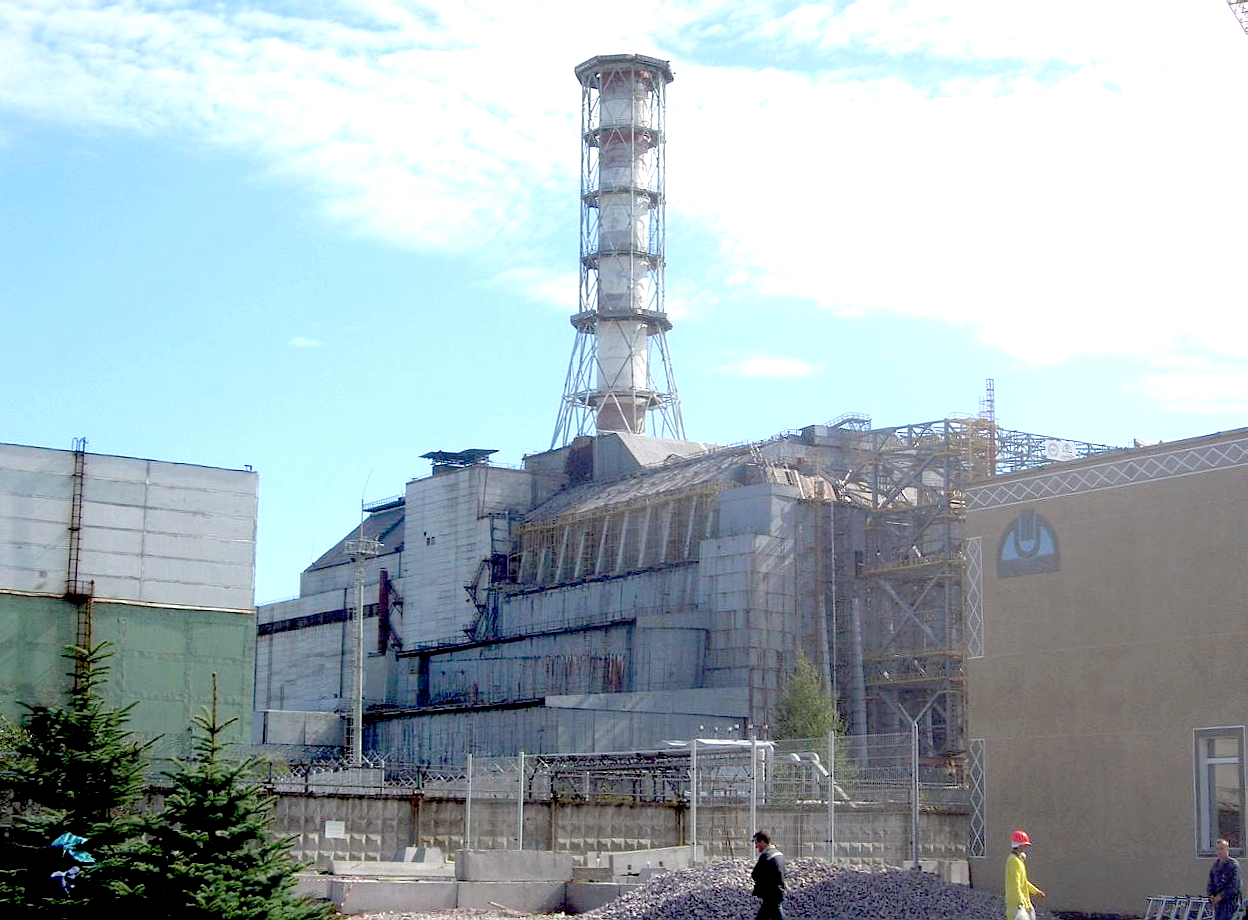
Directly downwind of Reactor 4, a swath of pine forest simply died. Needles turned reddish‑brown, trunks withered, and within weeks the area was dubbed the Red Forest. Radiation doses there were so high that some animals perished outright and others stopped reproducing.
On a nearby island in the Pripyat River, horses suffered devastating thyroid damage from huge radiation doses—150 to 200 sieverts. Many died; those that survived were stunted. Cattle showed similar early harm, yet the next generation appeared normal to the eye.
Mutation and Survival
In this crucible, evolution was pushed into overdrive. Studies found mutation rates in plants and animals up to 20 times higher than before, with elevated mortality and more frequent reproductive failures in the worst‑hit zones. On farms in one Ukrainian district, nearly 350 grossly deformed animals were reported in the four years after the accident, compared to just three in the previous five.
Microorganisms changed too. Certain bacteria and viruses exposed to radiation developed unusual resistance to DNA damage. Some soil fungi, rather than retreating, seemed to flourish.

Black Fungi That Eat Radiation
Among the strangest survivors is Cladosporium sphaerospermum, a dark, melanin‑rich fungus that colonized even the rooms inside the destroyed reactor. Instead of merely tolerating radiation, it appears to use it, converting ionizing energy into biochemical fuel much as plants use sunlight.
These radiotrophic fungi have attracted intense scientific interest. Their uncanny ability to thrive in Chernobyl’s wreckage has prompted proposals to use their melanin as a biological shield for astronauts facing cosmic rays in deep space.
A Wild Kingdom Returns
As humans withdrew from the 2,600‑square‑kilometre exclusion zone, wildlife surged back. Forests reclaimed farmland; wolves, boar, and elk multiplied. By 2015, long‑term data showed no clear decline in mammal abundance across broad areas, despite lingering contamination.
This doesn’t mean the radiation is harmless. In hotspots, animals still face higher mutation loads and likely shorter lives. But in the grand balance between bullets, chainsaws, and radiation, many species seem to have fared better in a radioactive sanctuary without people than in a “clean” landscape crowded with them.
Food Chains Laced with Fallout
Radiocaesium and other isotopes threaded themselves through the region’s food web. Fish in certain lakes reached tens of thousands of becquerels per kilogram. Fungi, which excel at absorbing caesium, concentrated it in their fruiting bodies.
Decades later, the effects echo far beyond Ukraine. In Norway, thousands of sheep still require uncontaminated feed before slaughter because they graze on mountain plants imbued with Chernobyl caesium. In Germany, wild boar that feast on truffle‑like fungi remain so radioactive that some carcasses exceed legal limits even now.
A Living Laboratory of Ecocide
Lawyers and scholars have described Chernobyl as a case of ecocide: a human action that devastates ecosystems on a vast scale. Yet that devastation did not produce a sterile wasteland. Instead, it created a brutal, ongoing experiment in which life adapts, mutates, and sometimes even exploits the very radiation that once killed it.
The Red Forest and its denizens force an unsettling question: how much damage will nature absorb—and reshape—long after our machines go silent?