A Normal Morning After the Blast
When Reactor 4 exploded in the early hours of 26 April, the 49,000 residents of Pripyat slept on, unaware that radioactive dust was settling on their streets and balconies. By sunrise, people complained of headaches, metallic tastes in their mouths, sudden bouts of coughing and vomiting. Still, life moved on.
A nearby official recalled being told that people were “celebrating a wedding… gardening… fishing in the Pripyat River.” The plant’s Moscow‑based authorities downplayed the event even to Ukrainian leaders. The words “nuclear disaster” were never used.
A Commission Arrives – and Sees the Truth
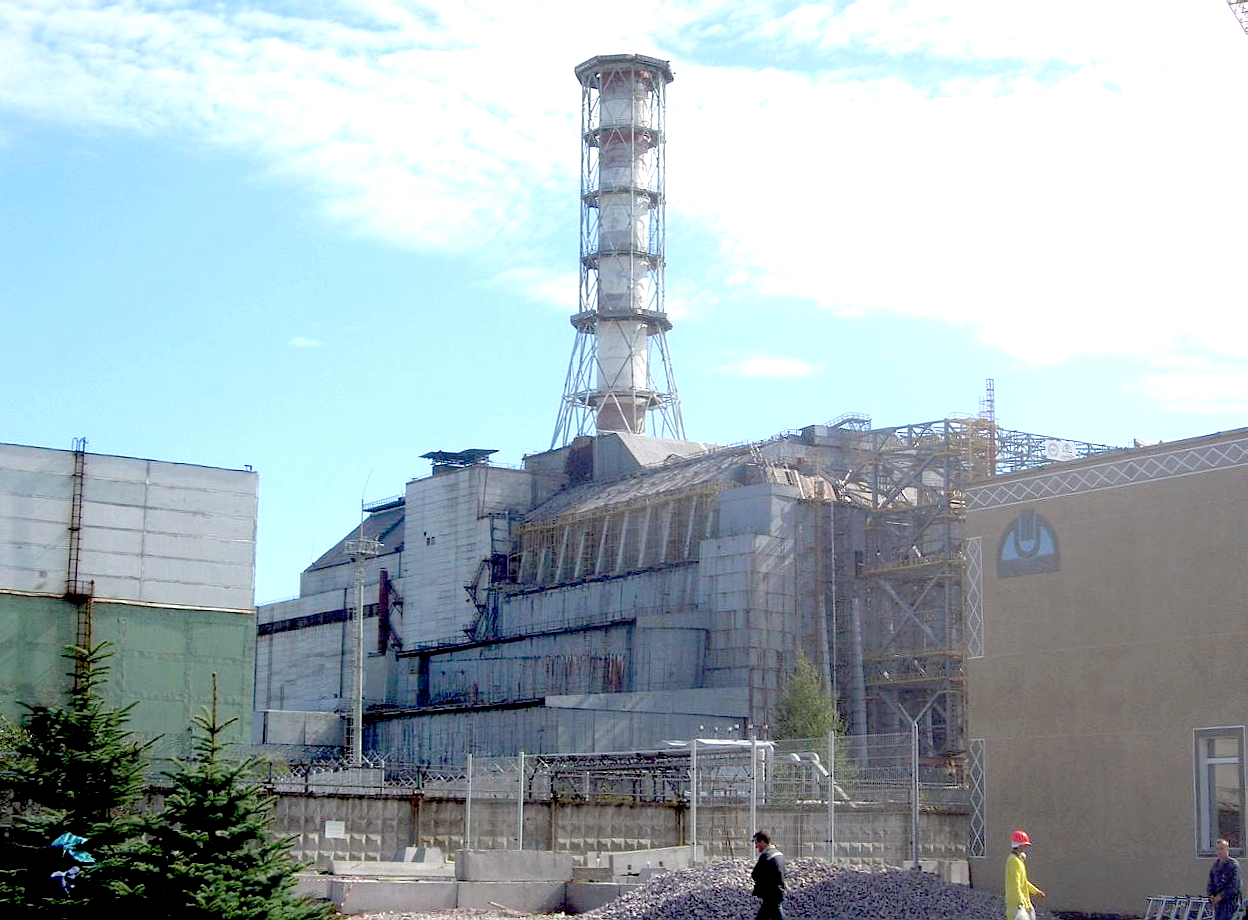
By evening, a high‑level commission led by nuclear physicist Valery Legasov arrived at the plant. They found what the local managers could not bring themselves to admit: the reactor was gone, the core exposed, and radiation levels so high that instruments stopped registering.
Two workers were already dead, more than fifty hospitalized. The commission realized there was only one humane option left.
In the early hours of 27 April, they ordered Pripyat evacuated.

“This Short-Term Evacuation”
The announcement, broadcast over loudspeakers, sounded almost gentle:
“For the attention of the residents of Pripyat! … due to the accident at Chernobyl Power Station… we need to temporarily evacuate the citizens… It is highly advisable to take your documents, some vital personal belongings and a certain amount of food… Please keep calm and orderly in the process of this short-term evacuation.”
Buses rolled in, lined up beneath blooming trees. Residents were told they’d be gone for about three days. Pets were left with food and water; irons unplugged, windows shut. The police promised to guard every building.
By 3 p.m., about 53,000 people had been moved out to towns and villages in the Kyiv region. They took only what they could carry. Almost none of it would ever come back.
The Zone Widens
As radioactive mapping teams fanned out, they traced invisible plumes across fields and forests. High‑dose “hot spots” appeared far beyond the city limits. Within ten days, authorities expanded the evacuation from a 10‑kilometre radius to 30 kilometres, uprooting another 68,000 people.
Over the following years, as isolated contamination patches were found outside this circle, the total number of long‑term evacuees grew to around 135,000, later swelling to some 350,000 permanently resettled.
Pripyat itself was replaced by a new, purpose‑built city, Slavutych, linked by rail to the still‑operating Chernobyl plant. Workers commuted back into the shadow of the ruined reactor, while their former homes—schools, cinemas, swimming pools—slowly decayed.
A City Frozen in Motion
Today, images of abandoned classrooms and rusting fairground rides have become symbols of sudden, enforced exile. What makes Pripyat haunting is not just the emptiness; it is how recent everything looks, as if its residents might return from their “short‑term evacuation” at any moment.
The real legacy of that day is less photogenic but more profound: shattered routines, scattered communities, and a reminder of how quickly an entire city can vanish when the invisible arithmetic of radiation tips against human life.