Sirens in the Night
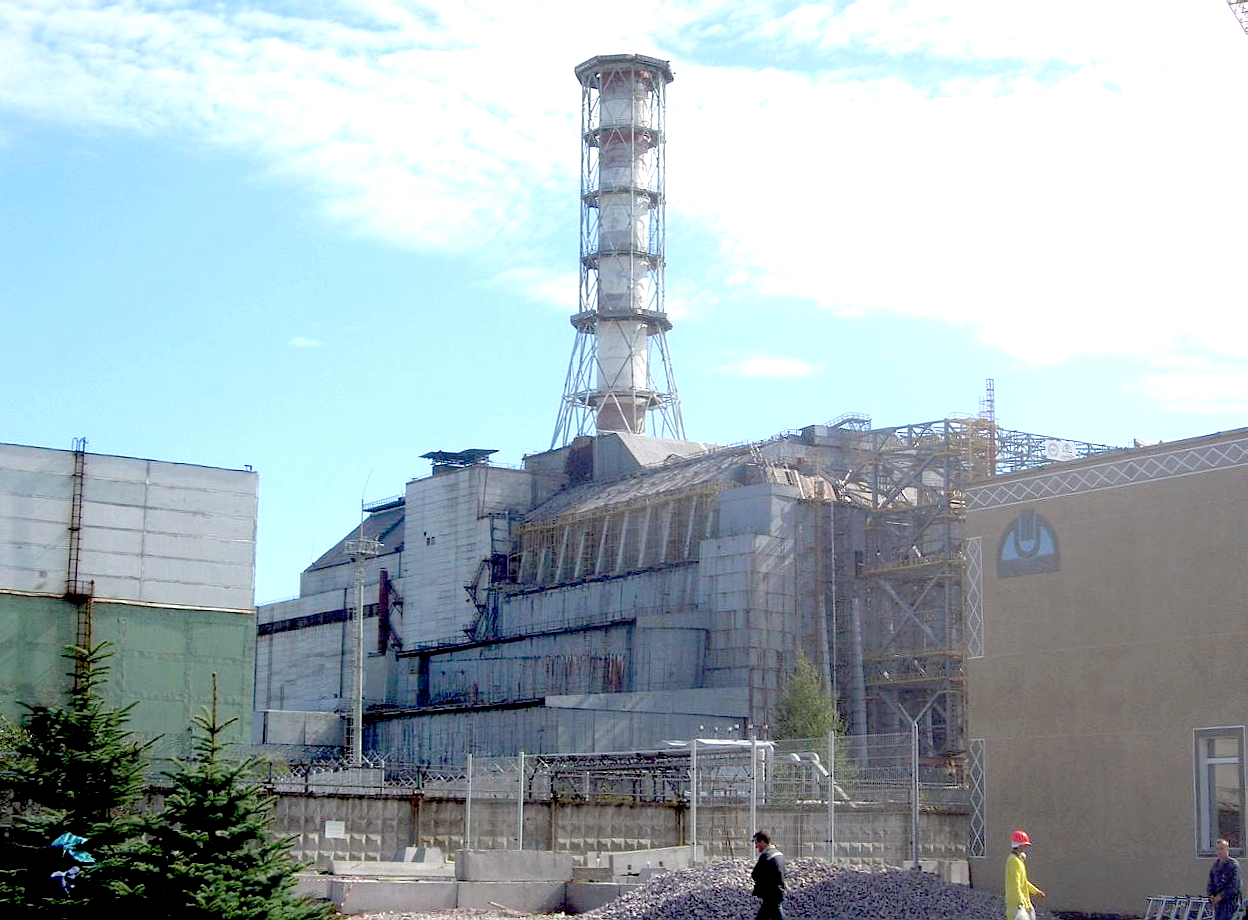
When alarm bells rang in the early hours of 26 April 1986, the firefighters of Chernobyl and nearby Pripyat assumed it was a routine industrial blaze. Smoke curled from the power plant, and flames licked at the roofs. No one told them that the shining “rocks” under their boots were fragments of a shattered nuclear core.
Lieutenant Volodymyr Pravyk and his brigade were among the first on scene. Their mission was urgent: stop the fires on the roof of the turbine hall and the adjacent Reactor 3 before the blaze spread through the complex. Regulations said they should never approach an unshielded reactor. Duty pushed them forward anyway.
"We Didn't Know It Was the Reactor"
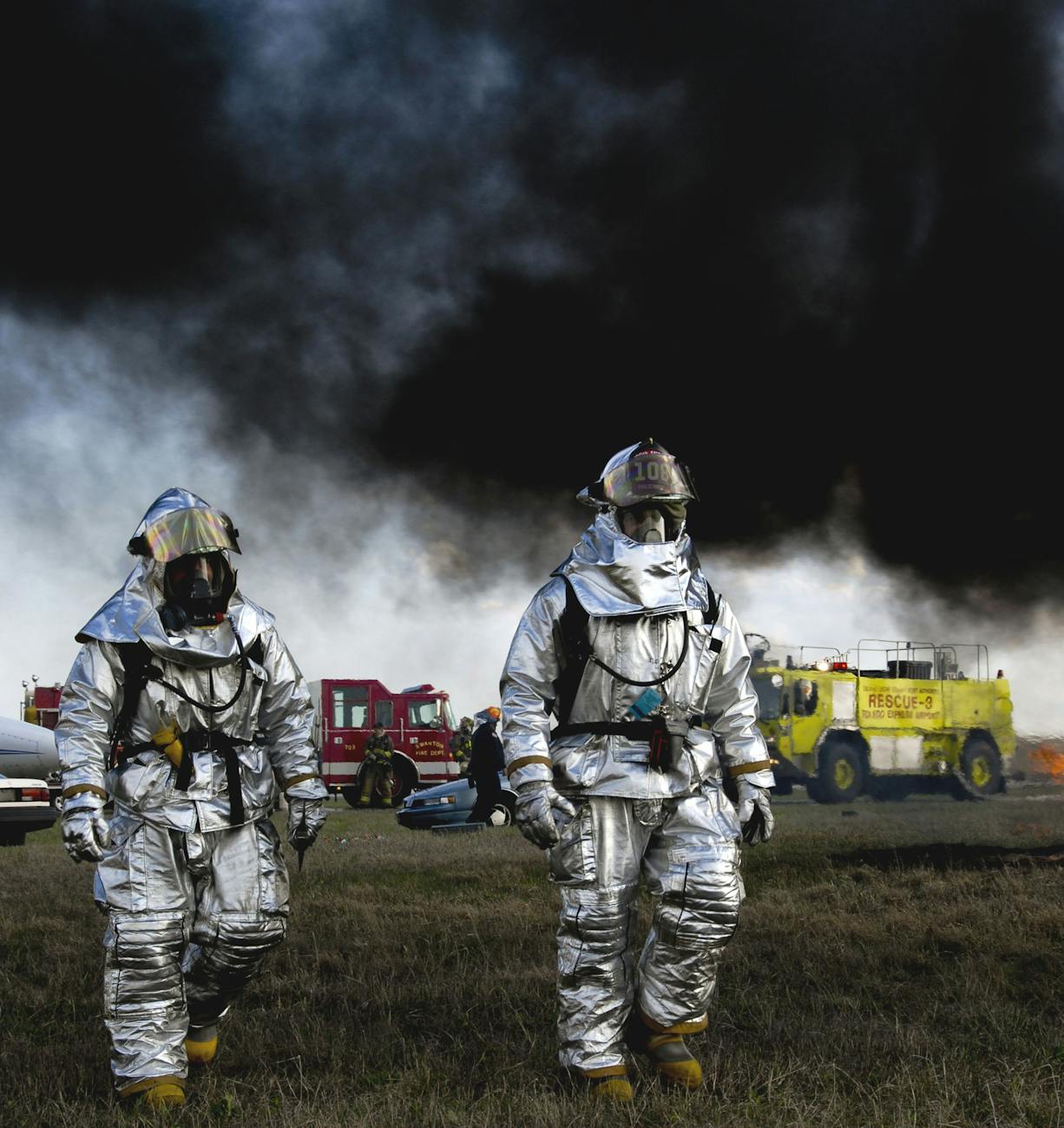
The men had almost no protective gear beyond simple respirators and coats. They were never briefed on radiation levels that, in places, could deliver a fatal dose in under a minute.
One driver, Grigorii Khmel, remembered seeing glittering chunks scattered across the ground:
“We saw graphite scattered about. Misha asked: 'Is that graphite?' I kicked it away… We didn't know much about radiation.”
On the roof, some firefighters picked up pieces of core, remarking only that they were “hot.” Others aimed hoses at the raging fires, their boots and trousers soaked, the water itself becoming a carrier of radioactive particles.

Kamikaze by Choice
Years later, another fireman, Anatoli Zakharov, rejected the idea that they were ignorant victims.
“Of course we knew! If we'd followed regulations, we would never have gone near the reactor. But it was a moral obligation—our duty. We were like kamikaze.”
They worked under a sky streaked with burning graphite, fighting blazes on roofs made of bitumen—a flammable roofing material that should never have been used on a nuclear plant. Their immediate priority was to save Reactor 3’s cooling systems; if those failed, the disaster could double.
By 5:00 a.m., they had beaten back the worst of the external fires. Reactor 3 shut down soon after, its night‑shift chief defying a superior who had ordered it kept running.
A Price Paid in Weeks
The fire inside Reactor 4, its graphite core smoldering like a blast furnace, would burn for days. For many of the first responders, their own fates were measured in weeks.
Ionizing radiation there reached tens of thousands of roentgens per hour. Dry throats tasted metal; faces prickled with a pins‑and‑needles sensation—classic signs of massive exposure. Dozens were rushed to hospitals with early symptoms of acute radiation syndrome: nausea, vomiting, and burns that seemed to appear out of nowhere.
Within three months, 28 workers and firefighters were dead from radiation sickness. Lieutenant Pravyk was among them.
A Silent Battlefield
Unlike a battlefield, there was no smoke of gunpowder, no enemy in sight—only an invisible storm shredding DNA in every exposed cell. Yet the psychology was the same: protect others, no matter the cost.
The men who climbed those ladders that night left more than charred hoses and burned trucks behind. They drew a line under the catastrophe, keeping it from swallowing neighboring reactors and perhaps half a continent’s power grid.
The concrete monuments and dusty fire engines that remain near Chernobyl today are not just relics of an industrial accident. They are the remnants of a battle fought in the dark, before anyone fully understood the weapon that had gone off.