During the Battle of Hong Kong in December 1941, a Newfoundland dog named Gander picked up a thrown Japanese hand grenade and carried it toward the enemy. The grenade exploded, killing him—but his action saved the lives of several wounded Canadian soldiers.
It was one brief act within a devastating battle. Nearly six decades later, Gander received the Dickin Medal, an award often described as the “animals’ Victoria Cross.” His story offers a deeply personal way to remember a battle that ended with Hong Kong’s surrender on Christmas Day.
Watch the story on DeepSwipe
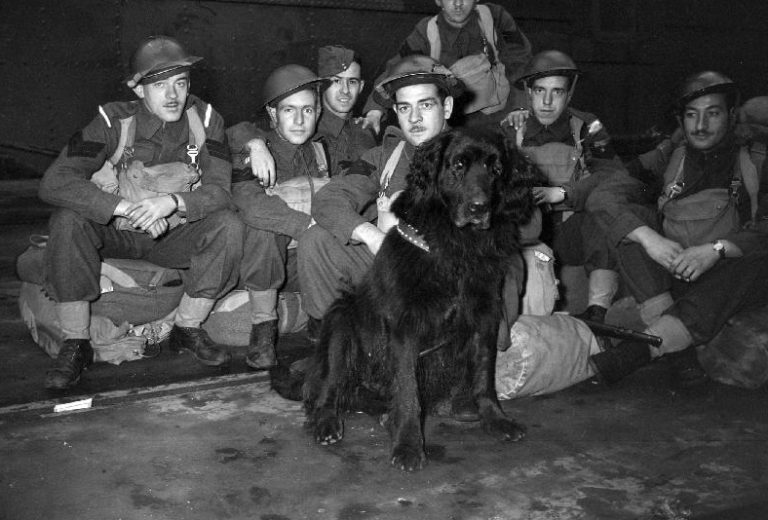
What Did Gander Do?
Gander’s story centers on a simple, extraordinary sequence of events: a grenade was thrown, wounded Canadian soldiers were in danger, and the dog picked up the explosive and rushed toward the enemy.
A hand grenade is a small explosive weapon designed to be thrown. Carrying one away from people can move the explosion away from them, but it leaves whoever carries it exposed to the blast. Gander died in the ensuing explosion, while several wounded Canadians survived because of his action.
The surviving account does not need an imagined scene or an explanation of what Gander understood. What makes it powerful is the outcome: a dog’s final movement carried a deadly threat away from injured soldiers.

The Battle of Hong Kong: December 1941
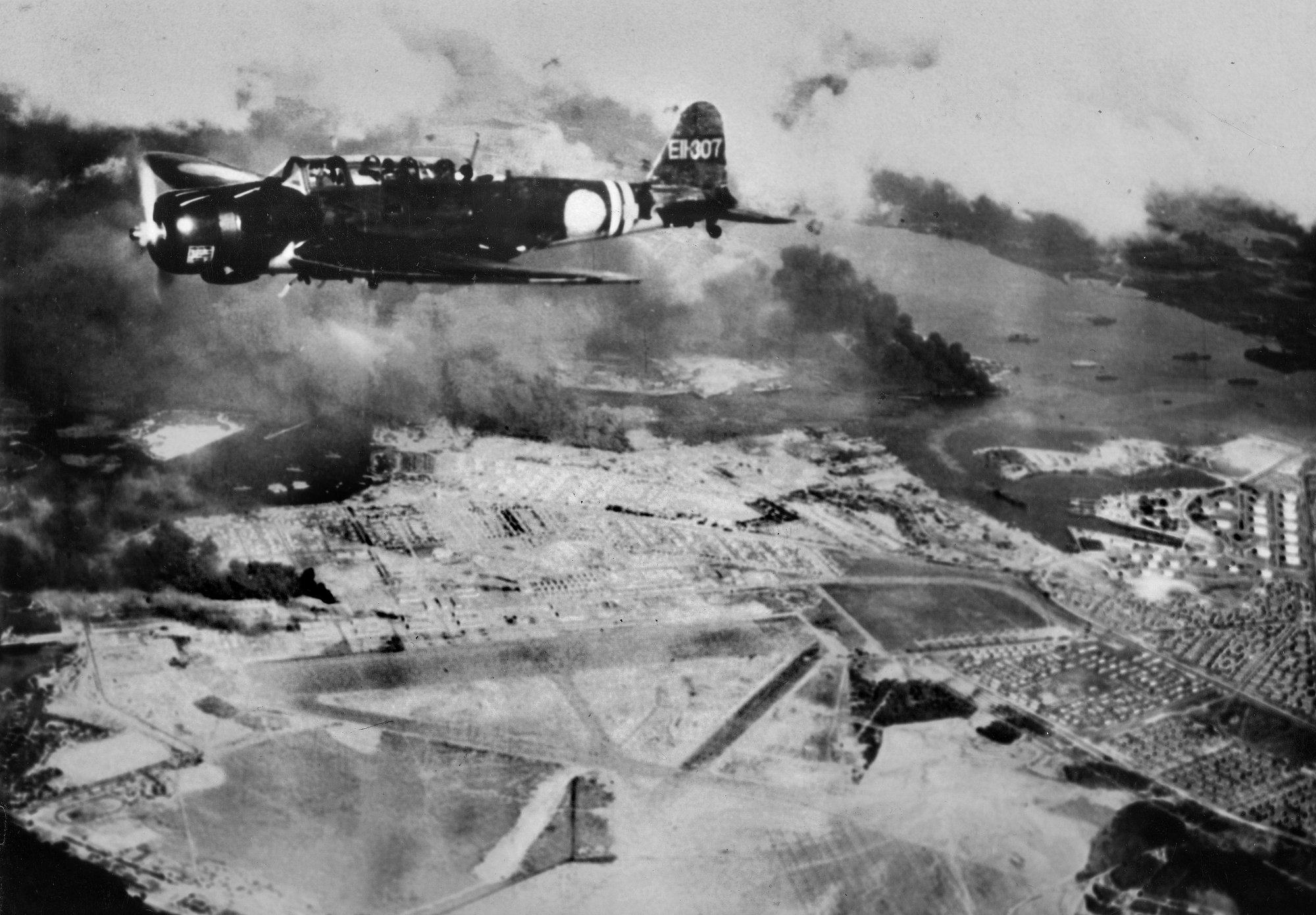
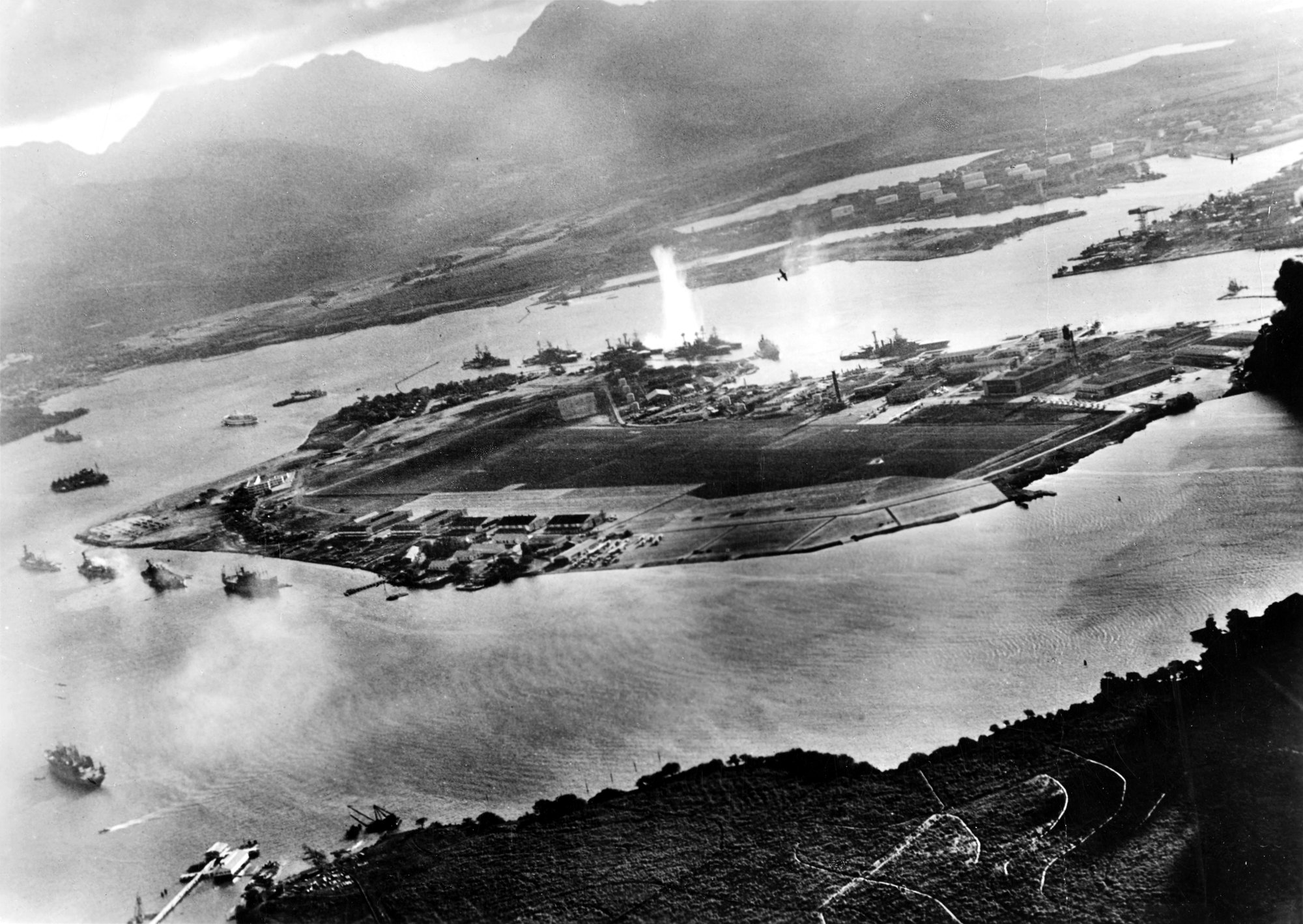
The Battle of Hong Kong lasted from 8 to 25 December 1941 and was among the first battles of the Pacific War in World War II. Japanese forces attacked the British Crown colony on the same Hong Kong morning as the attack on Pearl Harbor.
The defending garrison—the military force stationed to protect a place—included British, Indian and Canadian troops, auxiliary units, and the Hong Kong Volunteer Defence Corps. They faced a battle for three territories: the New Territories, Kowloon and Hong Kong Island.
The defence plan called for a delaying action on the mainland before a withdrawal to the island. A delaying action aims to slow an enemy’s advance rather than necessarily stop it permanently. In Hong Kong, it was also intended to give defenders time to destroy infrastructure and stores that the attackers might otherwise use.
But events moved faster than the plan anticipated. Within a week, the defenders had abandoned the New Territories and Kowloon. The fighting then concentrated on Hong Kong Island, where Japanese troops landed on the night of 18 December.
Why Canadian Soldiers Were in Hong Kong
The Canadians whom Gander saved were part of a wider Canadian contribution to the colony’s defence.
In late 1941, Canada sent two infantry battalions—the Royal Rifles of Canada from Quebec and the Winnipeg Grenadiers from Manitoba—along with a brigade headquarters. This contingent, known as C Force, comprised 1,975 personnel and arrived on 16 November, only weeks before the battle began.
Few of the Canadian soldiers had field experience. The force also faced equipment problems: its vehicles never reached Hong Kong because the ship carrying them was diverted to Manila when the Pacific War broke out. The battalions had only two anti-tank rifles and lacked ammunition for certain mortars and signal pistols, supplies that had been intended to reach them after arrival.
Canadian troops subsequently fought in the island’s defence, including around Wong Nai Chung Gap and in the eastern part of the island toward Stanley. Gander’s rescue of wounded Canadians belongs within this larger story of a garrison under mounting pressure.
Gander’s Dickin Medal
In 2000, Gander was posthumously awarded the Dickin Medal for his wartime actions. “Posthumously” means that an honour is awarded after the recipient’s death.
The Dickin Medal recognizes animal bravery and is commonly called the “animals’ Victoria Cross,” a comparison with the military decoration for exceptional courage. Gander’s award was the first such award in more than 50 years.
The long interval between the battle and the medal is part of what makes his story striking. An action that lasted only moments was formally recognized decades later. The award preserved the memory not just of Gander’s death, but of the wounded soldiers whose lives his action saved.
Remembering Gander and Black Christmas
On 25 December 1941, Governor Young and General Maltby surrendered to General Sakai at the Peninsula Hotel. The garrison had held out for 17 days. The date became known in Hong Kong as “Black Christmas,” marking the beginning of a brutal Japanese occupation that lasted until liberation in the summer of 1945.
Gander’s story does not erase that defeat or the suffering that followed. It brings the scale of the battle down to an individual moment: wounded soldiers, an explosive, and a dog carrying it away.
That is why Gander the grenade dog remains such a compelling part of the Battle of Hong Kong—a reminder that even within a military disaster, one act could mean the difference between life and death.