Pearl Harbor: The Warnings That Failed

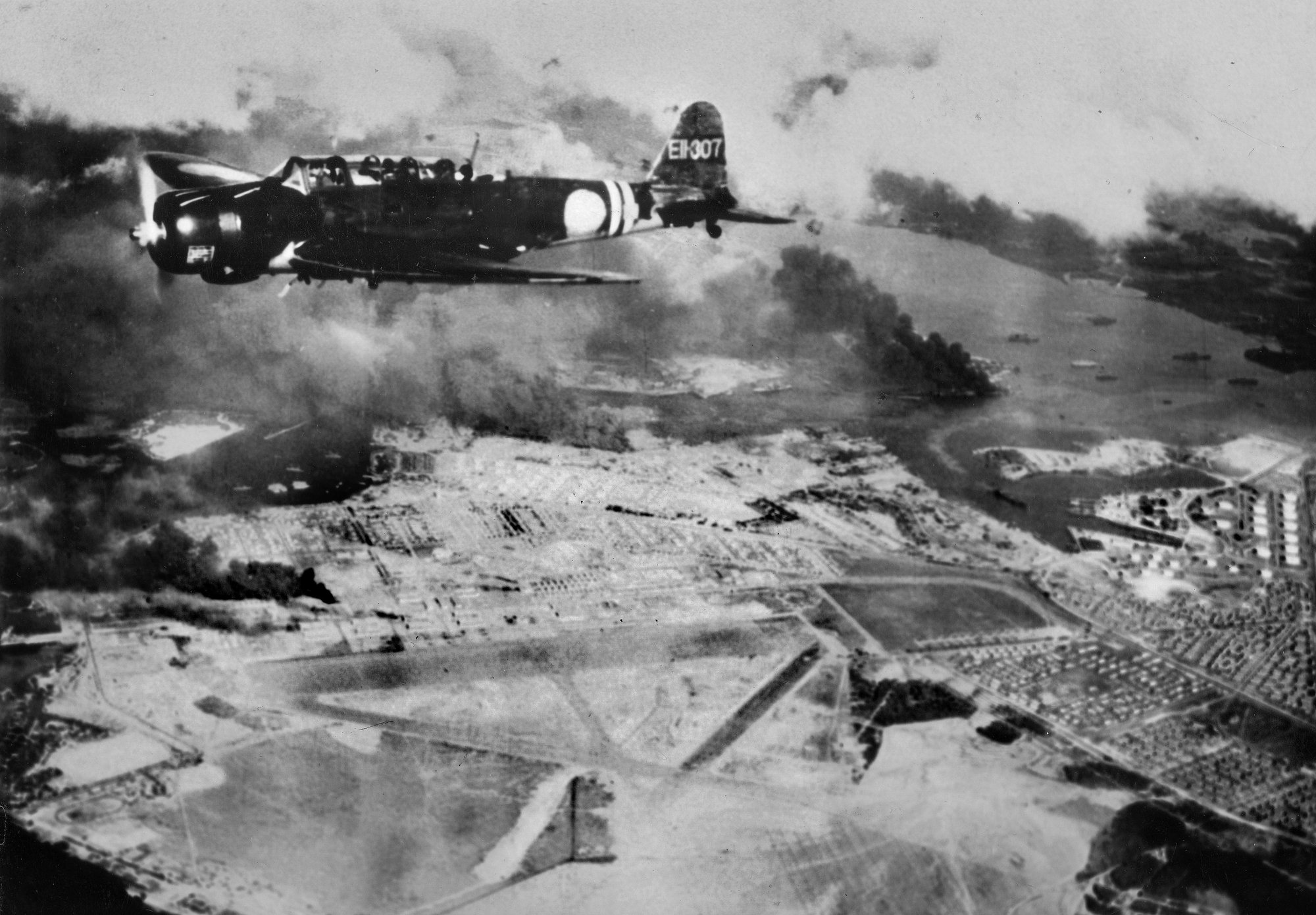
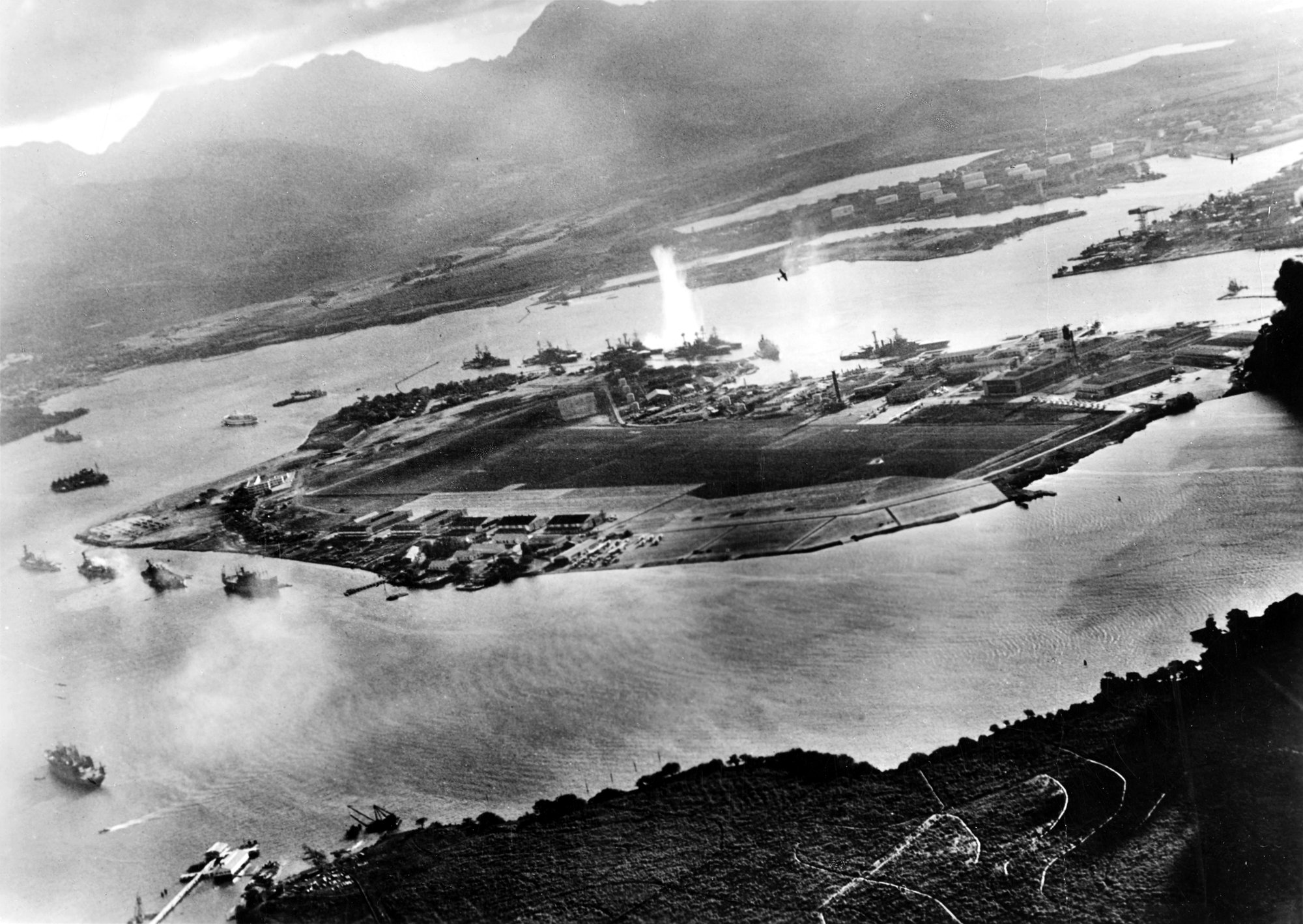
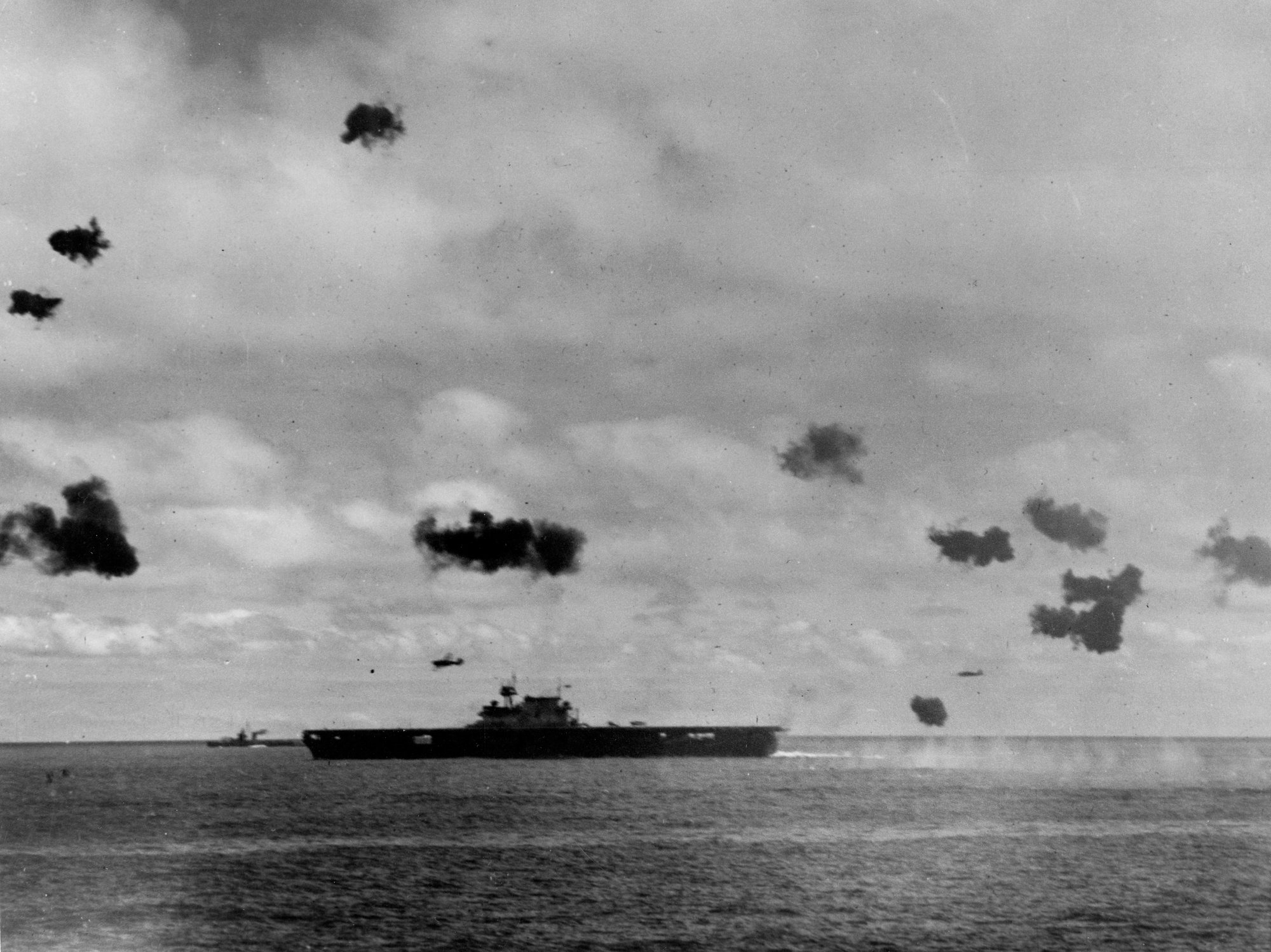
The attack on Pearl Harbor is often remembered as a sudden, shocking blow. In many ways it was. On the morning of December 7, 1941, Japanese aircraft struck the American naval base at Pearl Harbor on Oahu, damaging or sinking major ships, destroying more than 180 US aircraft, and killing 2,403 Americans.

But one of the most unsettling parts of the story is that the attack was not completely without warning. Signals appeared before the bombs fell. A radar station detected incoming aircraft. Reports came in from near the harbor entrance. Intelligence officers had concerns about the timing of Japanese diplomatic messages. Yet these clues were fragmented, delayed, or misread. By the time the full picture became clear, the attack was already underway.

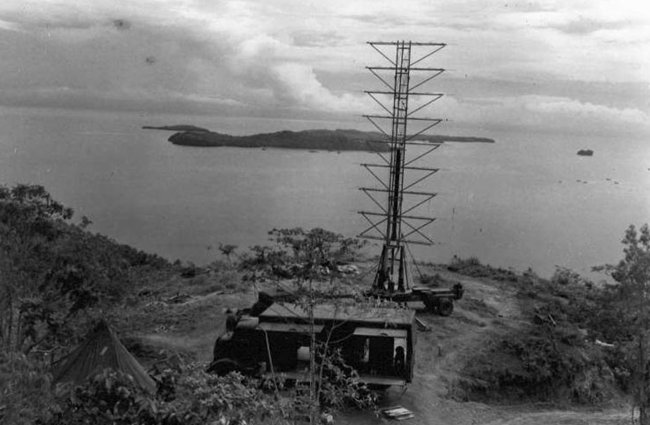
One of the clearest warnings came from a US Army SCR-270 radar station at Opana Point on Oahu’s northern tip. Radar is a detection system that uses radio waves to spot distant objects such as aircraft. As the first wave of Japanese planes approached the island, the operators saw a large target on their screen and reported it.

That should have been alarming. Instead, the report was discounted. At Fort Shafter’s Intercept Center near Pearl Harbor, Lieutenant Kermit A. Tyler, a newly assigned officer, assumed the radar return was the expected arrival of six B-17 bombers from California. The Japanese planes were approaching from a direction very close to that of the scheduled bombers.

There was another problem: the operators had never seen a formation that large on radar, but they did not tell Tyler how big it was. Tyler also could not explain the B-17 arrival to them for security reasons. What emerged was a perfect example of how a warning can fail without anyone intending it to fail. The technology worked. The message was passed along. But the interpretation was wrong.

DeepSwipe app banner

Signs at Sea Before the Bombing

Radar was not the only clue. Before the air assault began, there were warnings from the waters around Pearl Harbor.

Japan had deployed five midget submarines near Oahu. A midget submarine was a very small submarine built for a tiny crew and used for stealthy attacks in confined waters. At 3:42 a.m. Hawaiian time, the minesweeper Condor spotted a midget submarine periscope southwest of the harbor entrance buoy and alerted the destroyer Ward.

Later that morning, at 6:37 a.m., Ward sank another midget submarine. These were the first American shots in the Pacific Theater. That fact alone shows how close the United States came to recognizing that a major attack was beginning.

And yet, even those warnings did not trigger a full defensive response in time. Reports from ships off the harbor entrance were still being processed, awaiting confirmation, or otherwise not fully acted upon when the Japanese air assault began at 7:48 a.m.

Why Pearl Harbor Was Still Caught Unready

The failure was not simply about missing signals. It was also about readiness.

When the first wave hit, American servicemen were caught in a vulnerable posture. Ammunition lockers were locked. Aircraft were parked wingtip to wingtip in the open. That arrangement was meant to prevent sabotage, but it made the planes easy targets from the air. Many guns were unmanned. According to the record of the attack, none of the Navy’s 5"/38 guns were in action at the outset, only a quarter of its machine guns were active, and only four of 31 Army batteries got into action.

This helps explain why the attack was so devastating in such a short amount of time. In about 90 minutes, the Japanese strike force inflicted enormous damage. Of the eight US battleships present, all were damaged and four were sunk. Eighteen ships were sunk or run aground in total. Nearly 159 American aircraft were damaged and 188 destroyed, with 155 of those destroyed on the ground.

The base was not entirely defenseless, and many Americans responded bravely once the attack began. But bravery after first impact is not the same as readiness before it.

Why Officials Misread the Danger

The tragedy at Pearl Harbor was shaped by assumptions as much as by surprise.

By late 1941, many observers believed war between the United States and Japan was likely. A Gallup poll taken just before the attack found that 52% of Americans expected war with Japan. Even so, American officials did not expect Pearl Harbor to be the first target. They thought the Philippines was more likely to be attacked first, because of its strategic position and the threat it posed to Japanese sea lanes.

They also incorrectly believed Japan was not capable of mounting more than one major naval operation at a time. That misjudgment mattered because Japan was not only preparing to strike Pearl Harbor. Over the course of roughly seven hours, it also launched coordinated attacks on the Philippines, Guam, Wake Island, and British territories including Malaya, Singapore, and Hong Kong.

This broader context helps explain why some warning signs did not produce the right response. If leaders are looking in the wrong direction, even accurate information may not seem urgent enough.

The Diplomatic Warning That Also Failed

There was another form of warning, this time in diplomacy.

Japanese leaders had intended to notify the United States that negotiations were at an end before the attack began. Tokyo sent a long 14-part message to the Japanese Embassy in Washington. But transcribing it took too long, and the message was not presented until more than an hour after the attack had already started.

Even more striking, American code breakers had already deciphered and translated most of the message hours before Japan was scheduled to deliver it. United States naval intelligence officers were alarmed by the unusual timing of the planned delivery: 1:00 p.m. in Washington on a Sunday, which was 7:30 a.m. in Hawaii. They attempted to warn Pearl Harbor, but because of communication problems the warning did not arrive before the attack.

This was not a formal declaration of war. It did not actually declare war or sever diplomatic relations. But senior American officials saw it as a strong sign that negotiations were likely ending and that war could break out at any moment. Once again, there was a clue. Once again, timing and communication failed.

A Lesson in Fragments, Delay, and Assumptions

Pearl Harbor remains one of the most powerful examples of how disasters can happen even when pieces of the truth are already visible.

A radar station saw the incoming strike. A submarine periscope was spotted. A destroyer sank an intruder before the air raid began. Intelligence officers were uneasy about the timing of a Japanese message. Yet no single warning, by itself, created a clear enough picture in time. The result was a deadly combination of partial information, mistaken assumptions, and slow communication.

That is what makes the episode so haunting. Pearl Harbor was a surprise attack, but not a warning-free one. The clues existed. They simply did not become action fast enough.

And that may be the most chilling part of the story: not that nothing was seen, but that something was seen—and still the disaster came.

Stories About Attack on Pearl Harbor

Pearl Harbor: The Attack That Changed WWII

Pearl Harbor: The Attack That Changed WWII

Pearl Harbor: Why Japan Attacked

Pearl Harbor: Why Japan Attacked

Otehr Stories like this

WWII Japan Air Raids: The Doolittle Raid

WWII Japan Air Raids: The Doolittle Raid

World War II: Midway—When Codebreaking Turned the Tide

World War II: Midway—When Codebreaking Turned the Tide

World War I: The Dreadnought That Reset the Seas

World War I: The Dreadnought That Reset the Seas

World War II: Carriers Take the Crown

World War II: Carriers Take the Crown

World War I: The War Far from Europe

World War I: The War Far from Europe

World War I: The Wrong Turn That Sparked a World War

World War I: The Wrong Turn That Sparked a World War

History of Japan — Kamikaze: The Storms that Saved a Shogun

History of Japan — Kamikaze: The Storms that Saved a Shogun

Chernobyl Reactor Design Flaw

Chernobyl Reactor Design Flaw

History of Japan — Nanban Shock: Guns, Jesuits, and Nagasaki

History of Japan — Nanban Shock: Guns, Jesuits, and Nagasaki

World War I: The War That Erased Empires

World War I: The War That Erased Empires

Himeji Castle: The Hidden Weapons in Its Walls

Himeji Castle: The Hidden Weapons in Its Walls

History of Japan — Edo’s “Closed Country,” Open Minds

History of Japan — Edo’s “Closed Country,” Open Minds

Don’t let great clues slip past you — download DeepSwipe and catch the signals of history before they fade.

Pearl Harbor: The Warnings That Failed | DeepSwipe