Full article · 7 min read
Cells: How One Cell Becomes a Human Body
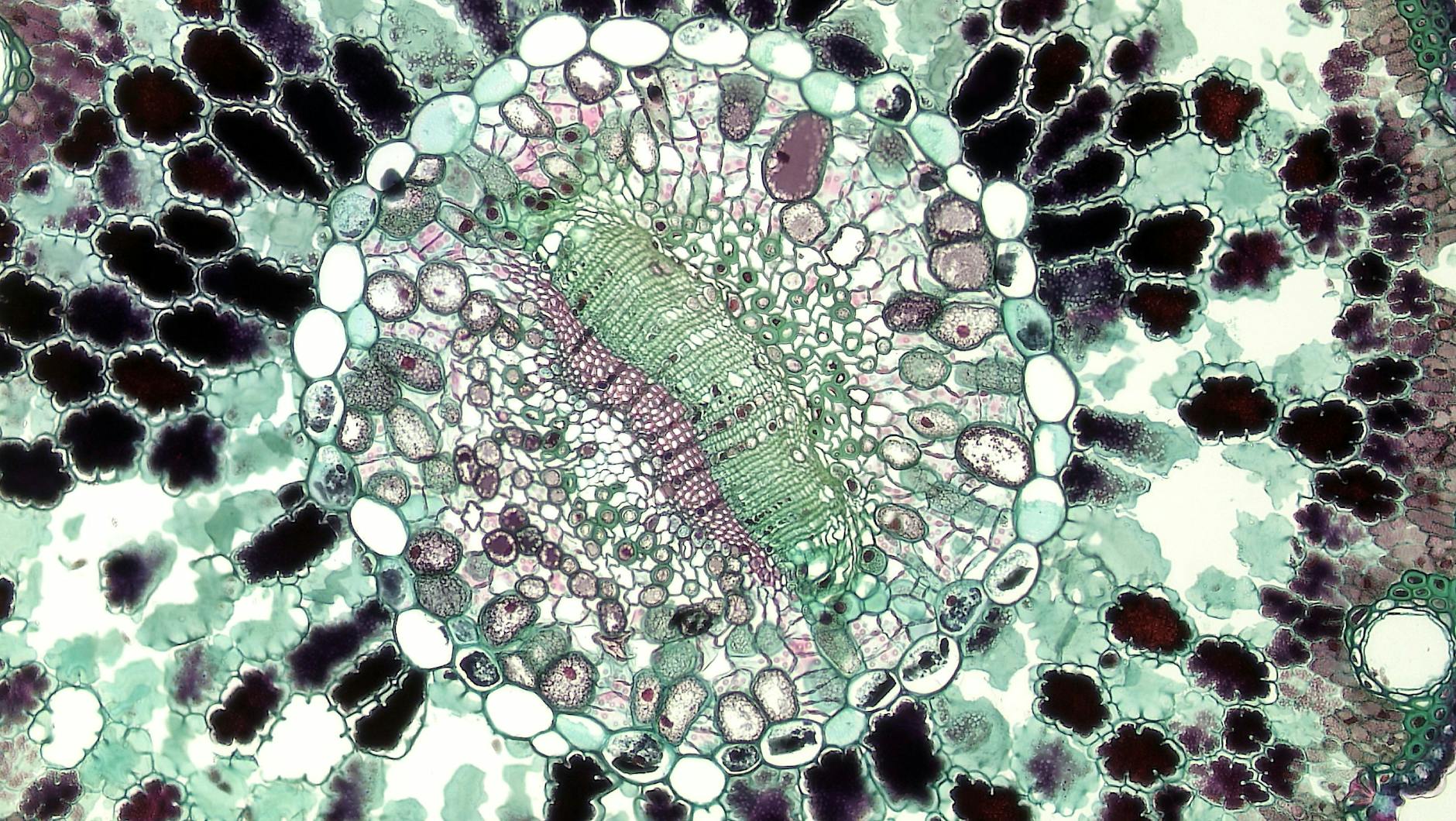
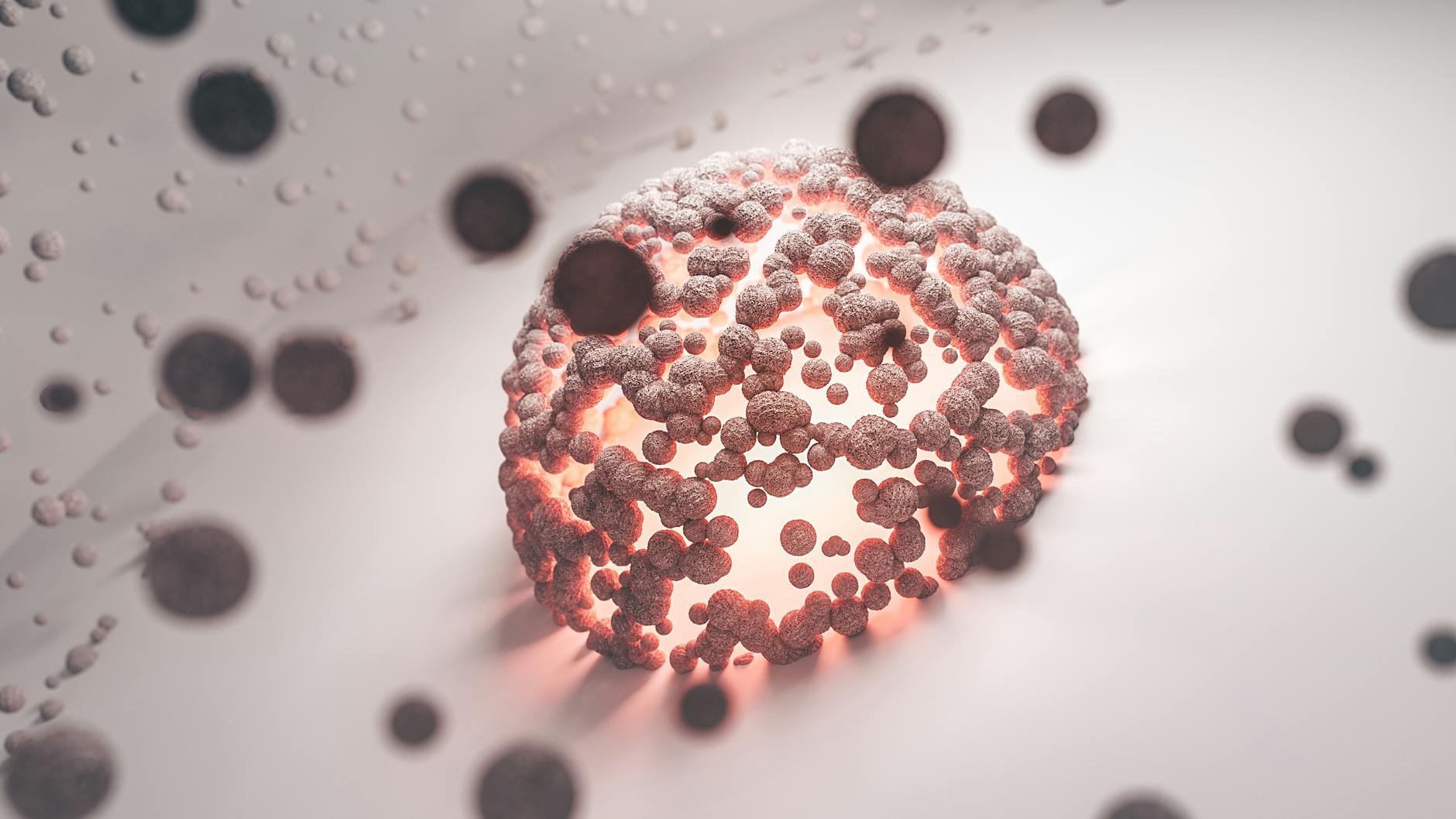
It is hard to imagine that a human body containing around 30 trillion cells begins as just one. Yet that is exactly how animal development starts: with a single totipotent zygote. From that first cell, the body is built through repeated cell division and the gradual emergence of specialized cell types that form tissues and organs.
This transformation from one cell into a complete organism is one of the most remarkable features of life. It depends on a basic truth of biology: the cell is the fundamental structural and functional unit of living things. In other words, every tissue, every organ, and every system in the body is ultimately made of cells.
The starting point: the totipotent zygote
In animals, all the cells in the body develop from one totipotent diploid cell called a zygote. “Totipotent” means this cell has the ability to give rise to every cell type in the body. It is the ultimate biological starting point.
As development begins, this first cell divides again and again. Those divisions do not simply create more copies forever. Over time, cells begin to follow different paths. They become specialized, taking on distinct structures and jobs. This is how the embryo develops tissues and organs.
The word “diploid” refers to a cell that carries two sets of chromosomes. In the body of a plant or animal, the diploid cells are known as somatic cells. These are the ordinary body cells, as distinct from gametes, which are haploid.
How one cell turns into many kinds of cells
The shift from a single totipotent cell to hundreds of specialized cell types is called differentiation. Differentiation means that cells undergo structural or functional changes as development progresses.
This process is driven by both environmental cues and intrinsic differences. Environmental cues include influences such as cell-to-cell interaction, where nearby cells affect one another. Intrinsic differences are internal differences that can arise, for example, from the uneven distribution of molecules during cell division.
Put simply, cells do not all become different by accident. They are guided by signals from their surroundings and by changes within themselves. As these signals accumulate over many rounds of division, cells become increasingly specialized.
Building tissues from germ layers
During animal embryonic development, cells differentiate into specialized tissues and organs. Different groups of cells arise from structures known as germ layers.
Some animals, such as sponges, have only one layer. Some animals are diploblasts, meaning they have two germ layers: the ectoderm and the endoderm. More advanced animals have a third middle layer called the mesoderm and are known as triploblastic. Triploblastic animals make up the large clade of Bilateria.
These germ layers are important because they produce different kinds of tissues. The ectoderm gives rise to several types of epithelial tissue, including the skin and glands, and also to nervous tissue. Epithelium can also form linings of organs and inner cavities.
This is one of the keys to how a body plan emerges: the descendants of the original cell do not remain a uniform mass. They become organized into layers, and those layers give rise to distinct parts of the body.
How many cell types are in the human body?
The human body contains an extraordinary range of specialized cells. There are an estimated 200 different cell types in the human body.
These are not just cosmetic variations. Different cell types are adapted to different roles. Some help form epithelial sheets that line surfaces and organs. Some become part of nervous tissue. Others become highly modified versions suited to very specific tasks.
The article notes that vertebrates include specialized, structurally changed cells such as muscle cells. In skeletal and cardiac muscle cells, even the usual cell terms change: the cell membrane is called the sarcolemma, and the cytoplasm is called the sarcoplasm. Skeletal muscle cells can also become multinucleated, meaning they contain more than one nucleus.
Some animal species have even evolved extraordinary specialized cells. In certain electric fish, modified muscle cells or nerve cells become electerocytes, cells capable of creating and storing electrical energy for future release.
All of this diversity traces back to that original zygote.
The staggering number of cells in an adult body
Once development is complete, the scale becomes almost unbelievable. A typical adult human body contains around 30 trillion cells.
Common estimates put the total at about 36 trillion cells in an adult male and 28 trillion in a female. Even with those differences, the main point remains astonishing: a single cell can produce an entire body containing tens of trillions of descendants.
This enormous number is possible because cells replicate. Most cells are capable of replication and protein synthesis, though some highly differentiated cell types are exceptions. Replication is the process by which one cell gives rise to two daughter cells.
In eukaryotic cells, which include animal cells, division usually involves mitosis, the division of the nucleus, followed by cytokinesis, the division of the cell itself. DNA replication occurs before division during the S phase of the cell cycle.
What makes animal cells able to specialize?
Animal cells are eukaryotic cells. That means they contain a membrane-bound nucleus and many membrane-bound organelles, which are specialized compartments inside the cell.
An animal cell has a cell membrane surrounding a gel-like cytoplasm. Inside are structures including the nucleus, endoplasmic reticulum, ribosomes, Golgi apparatus, mitochondria, lysosomes, peroxisomes, endosomes, vacuoles, vesicles, and vaults. Together, these parts allow cells to grow, process information, make proteins, generate energy, and carry out specialized functions.
The nucleus is especially important in development because it houses the chromosomes and is the site where almost all DNA replication and RNA synthesis, called transcription, occur. DNA stores the long-term information of the cell. Messenger RNA, or mRNA, carries instructions from the nucleus so proteins can be produced.
Proteins are central to what makes cell types different. Protein synthesis begins with transcription and continues with translation at ribosomes, where amino acids are assembled into polypeptide chains that fold into functional proteins. Since different cells can produce and sort different proteins, they can develop different structures and functions.
Signals help cells choose their fate
Cell signaling is one of the major reasons cells in a developing body do not all stay the same. Cell signaling is the process by which a cell interacts with itself, other cells, and the environment.
Most cell signaling is chemical in nature. It often involves a first messenger, also called a ligand, binding to a receptor. Receptors are proteins located in the plasma membrane or within the cell interior. Cells are programmed to respond to specific extracellular signal molecules.
This ability to respond selectively is the basis of development, tissue repair, immunity, and homeostasis. In development, it helps explain how nearby cells can influence each other and why one group of cells becomes skin while another becomes nervous tissue or glandular tissue.
The cell membrane itself plays an active role here. It is selectively permeable, meaning it controls what passes in and out, and it contains cell surface receptors that allow cells to detect external signaling molecules such as hormones.
Holding tissues together
As cells specialize, they also need to organize into tissues. Epithelial cells are a good example. These cells are joined together in sheets by cell junctions. Adherens junctions and desmosomes bind cells to one another, while hemidesmosomes bind cells to the basement membrane.
These connections are linked to the cytoskeleton, the internal network of protein filaments that helps give the cell shape and support. The cytoskeleton also helps organize cell components, participates in endocytosis, and plays a role in cytokinesis during cell division.
Without this kind of structural organization, trillions of cells would not form coherent tissues and organs.
From one cell to a functioning organism
The journey from zygote to adult depends on several core cellular abilities working together:
- replication, to increase cell number
- differentiation, to create specialized cell types
- signaling, to coordinate development
- protein synthesis, to build the machinery each cell needs
- organization into tissues, so cells can function together
Because the cell is the basic unit of life, development is really a story of cells changing, multiplying, communicating, and organizing. The human body is not built from some larger mysterious substance. It is built cell by cell.
From a single totipotent zygote to roughly 30 trillion cells and about 200 cell types, the human body is a vast cellular community with a shared origin. That one original cell does not merely grow bigger. It gives rise to an entire living system made of many specialized parts, all rooted in the same fundamental unit of life.
Sources
Based on information from Cell (biology).
More about biology
More about science
From one swipe to a whole universe of ideas — download DeepSwipe and let your knowledge multiply like cells.


