Full article · 7 min read
Vikings, Alfred, and the Rise of England
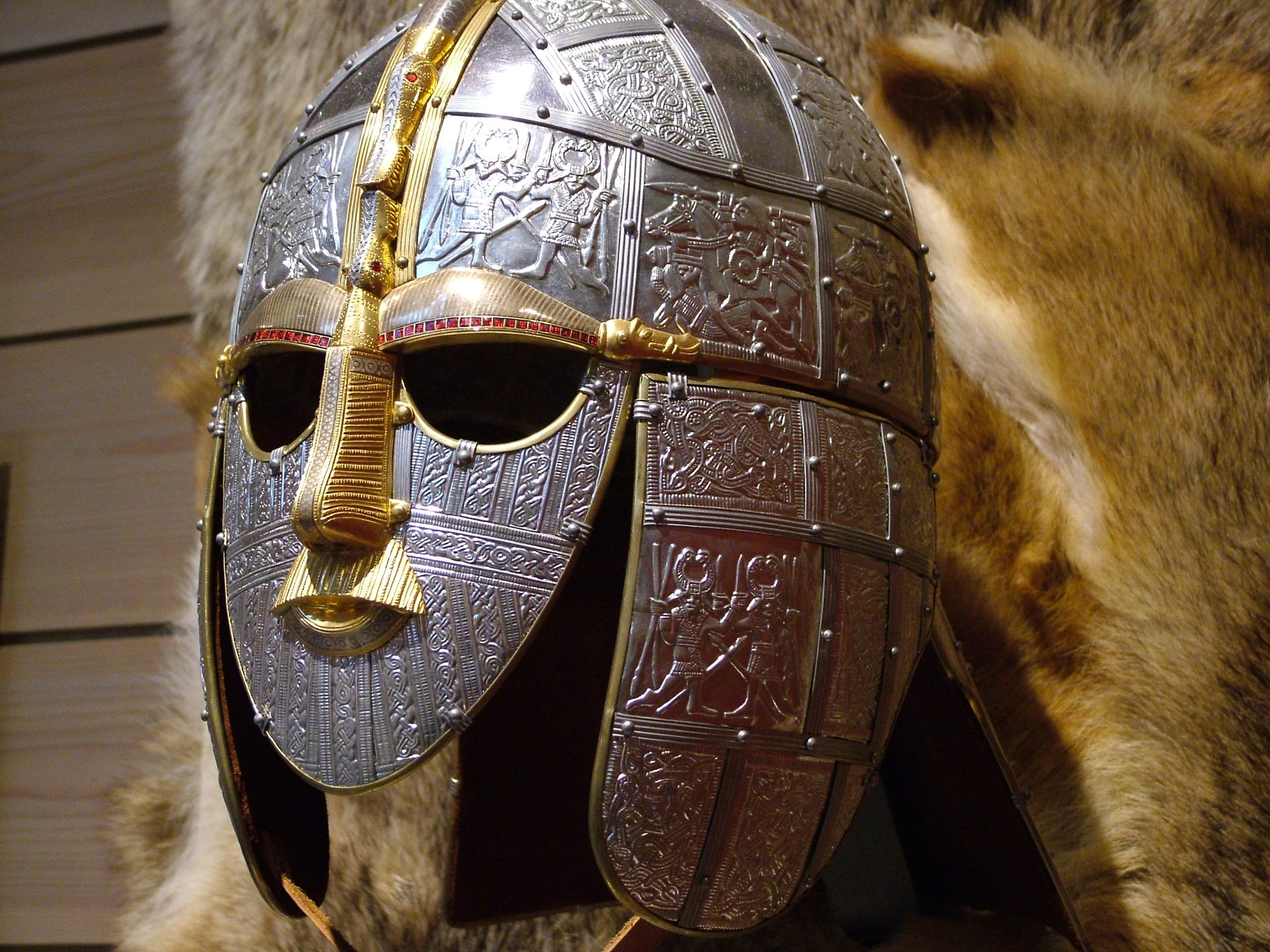
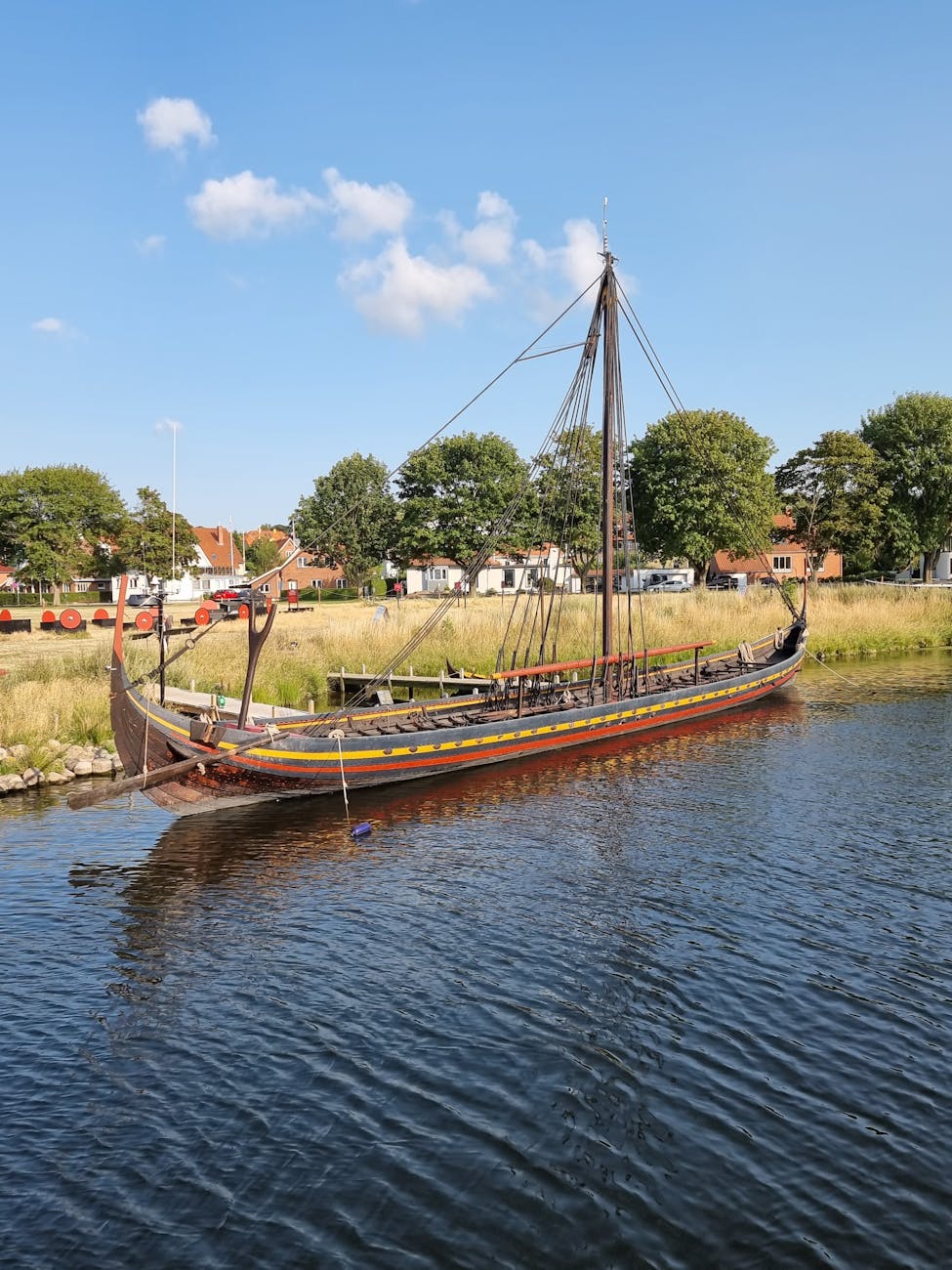
For a time, the future of England looked alarmingly uncertain. Viking raids that became frequent after about AD 800 did not remain simple hit-and-run attacks. Norsemen settled across large parts of what is now England, overturned kingdoms, and reshaped the balance of power. Northumbria fell to the Danes in 867, and East Anglia followed in 869. What survived was not a strong, unified country, but a patchwork of kingdoms under extreme pressure.
Out of that crisis came one of the decisive turning points in English history: the survival of Wessex under Alfred, and the expansion carried forward by his successors until a ruler could finally claim the title “King of the English.”
When Viking raids became conquest
The first recorded landing of Vikings in England took place in 787 in Dorsetshire, on the south-west coast. A few years later came the first major recorded attack in Britain: the 793 raid on Lindisfarne monastery, remembered as a shocking sign of a new era. Raids soon became part of the political reality facing the Anglo-Saxon kingdoms.
By this stage, England did not yet exist as a single, secure state. Earlier centuries had seen power shift among kingdoms such as Northumbria, Mercia, Kent, East Anglia, Essex, Sussex and Wessex. Historians once used the term “Heptarchy” for this world of competing kingdoms, though that label has fallen out of academic use. What matters is that Viking pressure hit a divided landscape.
The arrival of the Danish Great Heathen Army transformed that landscape. In 867, Northumbria fell. In 869, East Anglia fell as well. These were not minor setbacks. They showed that Viking forces could break major kingdoms and replace existing political arrangements with their own rule.
Wessex was next in danger. Although it managed to contain Viking attacks for a time, even defeating them at Ashdown in 871, a second invading army landed soon after. That left the Saxons in a defensive position and made it clear that survival would require more than a single battlefield success.
Alfred and the moment Wessex almost collapsed
When King Æthelred of Wessex died, he was succeeded by his younger brother Alfred. Alfred inherited not a secure throne but an emergency. The Danes were advancing, and Wessex stood as the last great Anglo-Saxon kingdom able to resist them.
The early years of Alfred’s reign were grim. For the first five years, he paid the invaders off. Such payments were a practical way to buy time, but they also reveal how precarious his situation was. Wessex was not dictating terms; it was trying to stay alive.
Then came the crisis at Chippenham in 878. Alfred’s forces were overwhelmed in a surprise attack, and the independence of Wessex was left hanging by a thread. That phrase captures just how narrow the margin had become. If Wessex had collapsed at that point, the later emergence of a kingdom of England might have taken a very different path.
The Battle of Edington changed everything
Alfred’s reputation rests above all on what happened next. In May 878, he led a force that defeated the Danes at Edington. This was not just another clash in a long series of skirmishes. It was the victory that reversed the momentum.
The defeat was so complete that the Danish leader Guthrum was forced to accept Christian baptism and withdraw from Mercia. In practical terms, Alfred had preserved Wessex. In symbolic terms, he had shown that Viking power was not unstoppable.
Edington matters because it turned survival into recovery. A kingdom on the edge of destruction suddenly had room to rebuild, reorganize, and think beyond immediate panic.
How Alfred rebuilt Wessex
After Edington, Alfred did not simply celebrate and hope for the best. He strengthened the defenses of Wessex and built a new navy, 60 vessels strong. In a period when control of coasts, rivers, and movement mattered enormously, a navy was a serious tool of survival.
This rebuilding phase is crucial to understanding why Alfred’s legacy lasted. He was not only a wartime leader who won a famous battle. He also used peace to harden Wessex against future attacks. The result was years of relative peace for Wessex and Mercia, along with economic recovery in areas that had previously been ravaged.
That recovery mattered as much as military victory. A kingdom fighting for its life needs food, settlements, trade, and a functioning political order. Alfred’s success gave those things a chance to return.
From one kingdom’s survival to a larger English project
The story does not end with Alfred. His son Edward the Elder continued the struggle and turned defensive survival into steady expansion. Edward won decisive victories over the Danes in East Anglia in 910 and 911, followed by another crushing victory at Tempsford in 917.
These victories allowed Edward to incorporate Mercia into his kingdom and add East Anglia to his conquests. He also reinforced his northern borders against the Danish kingdom of Northumbria. This is the point where the political map starts to look less like a collection of embattled kingdoms and more like the outline of a single English power.
Edward’s rapid conquests were so impressive that other rulers, including Gwynedd in Wales and Scotland, gave him homage. Homage was a formal acknowledgement of superior status. It did not necessarily mean complete control in the modern sense, but it showed that Wessex had become the dominant power in Britain.
Æthelstan and the first “King of the English”
Alfred’s grandson Æthelstan pushed this process further. He succeeded to the Mercian kingdom and Wessex, and continued the expansion begun by his father and aunt. He was the first king to achieve direct rulership over what we would now consider England.
That is why his adoption of the title “King of the English” is so significant. Titles matter in history because they reveal how rulers understood their authority. Earlier kings ruled Wessex, Mercia, or Northumbria. Æthelstan’s title claimed something broader: rule over a people, not merely one kingdom among several.
In 927, he conquered the Kingdom of York and extended the borders of Wessex northward. He also led a land and naval invasion of Scotland. These moves showed how far power had shifted since the desperate days when Alfred was nearly crushed at Chippenham.
Even so, unification was not instantly secure. Under Æthelstan’s successors Edmund and Eadred, the English kings repeatedly lost and regained control of Northumbria. Only later did Edgar consolidate the kingdom so that it remained united thereafter. The rise of England was therefore a process, not a single event.
Why the Viking age was also the making of England
It may seem strange, but the Viking threat helped drive the emergence of England. Before the raids and invasions, Anglo-Saxon England was politically fragmented. Northumbria and Mercia had once dominated; Wessex rose later. The pressure of repeated attacks forced rulers to think in larger terms.
Without the fall of other kingdoms and the extreme danger facing Wessex, Alfred and his successors might never have become the nucleus of a wider English state. The Vikings were destroyers, but the crisis they created also accelerated political consolidation.
The same era later saw renewed Scandinavian attacks at the end of the 10th century. Under Æthelred, England eventually lost its kingdom to Sweyn of Denmark, and after further turmoil Cnut became king of England. That later Danish rule shows that the contest between Anglo-Saxon and Scandinavian power did not end with Alfred. But the earlier victories of Alfred, Edward, and Æthelstan had already established the idea and framework of England as a kingdom.
A turning point that echoed for centuries
The rise of England out of the Viking age sits at the center of a much longer history. Earlier centuries had seen Roman rule, Anglo-Saxon migrations, and the spread of Christianity. Later centuries would bring Norman conquest, civil war, union with Scotland, empire, industrialization, and the modern United Kingdom. But the age of Alfred marks one of the clearest moments when collapse was avoided and a new political identity began to harden.
The drama is easy to see. Viking armies shattered old kingdoms. Wessex nearly fell. Alfred won at Edington and rebuilt. His successors expanded. Æthelstan claimed a new title that captured a new reality: “King of the English.”
That arc—from near extinction to unification—is why this period remains one of the most gripping chapters in English history.
Sources
Based on information from History of England.
More like this
More about culture
More about history
More about war
Survive the knowledge raid like Wessex did — download DeepSwipe and build your brain one victory at a time.


