The Shining Wanderer
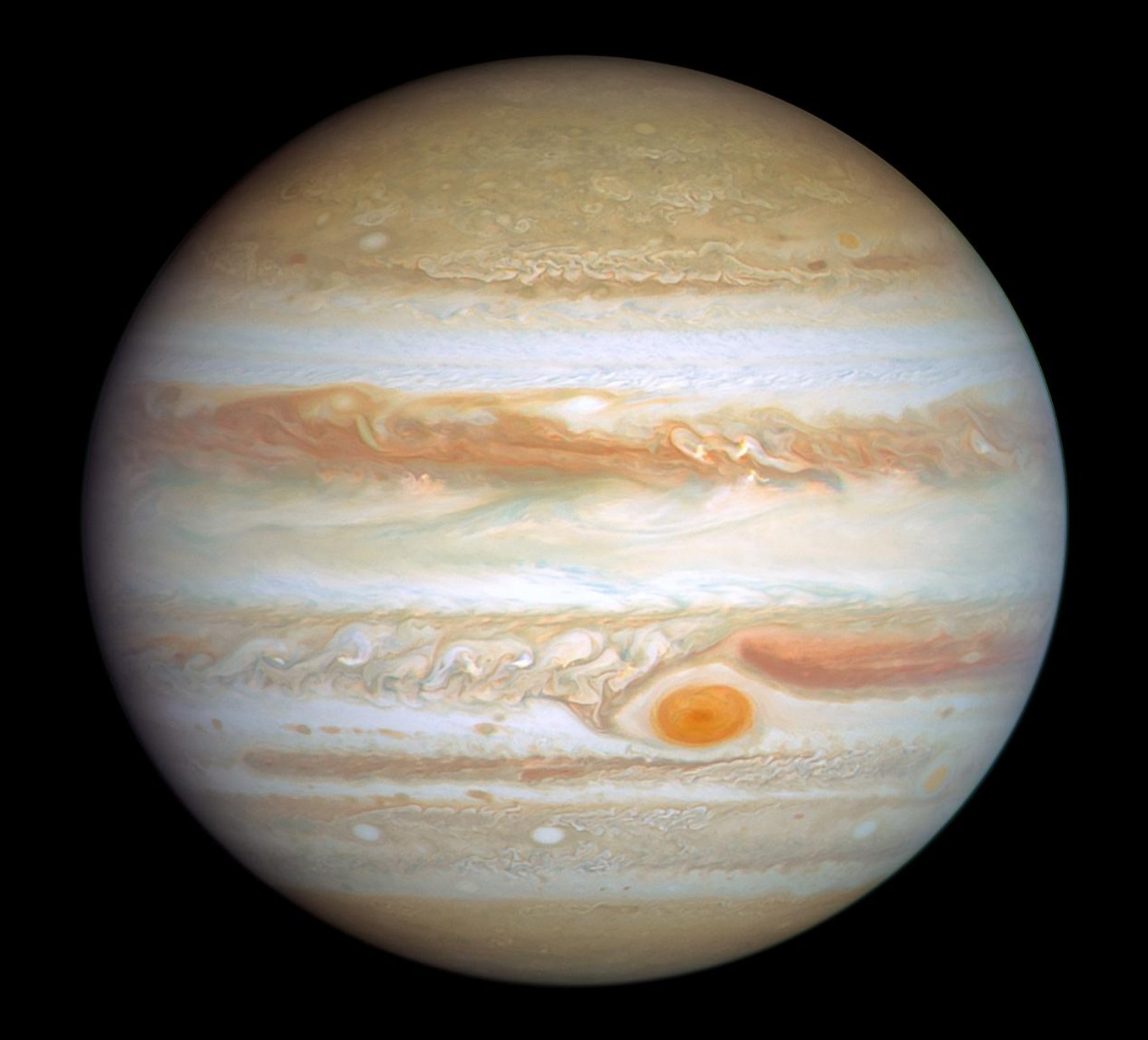
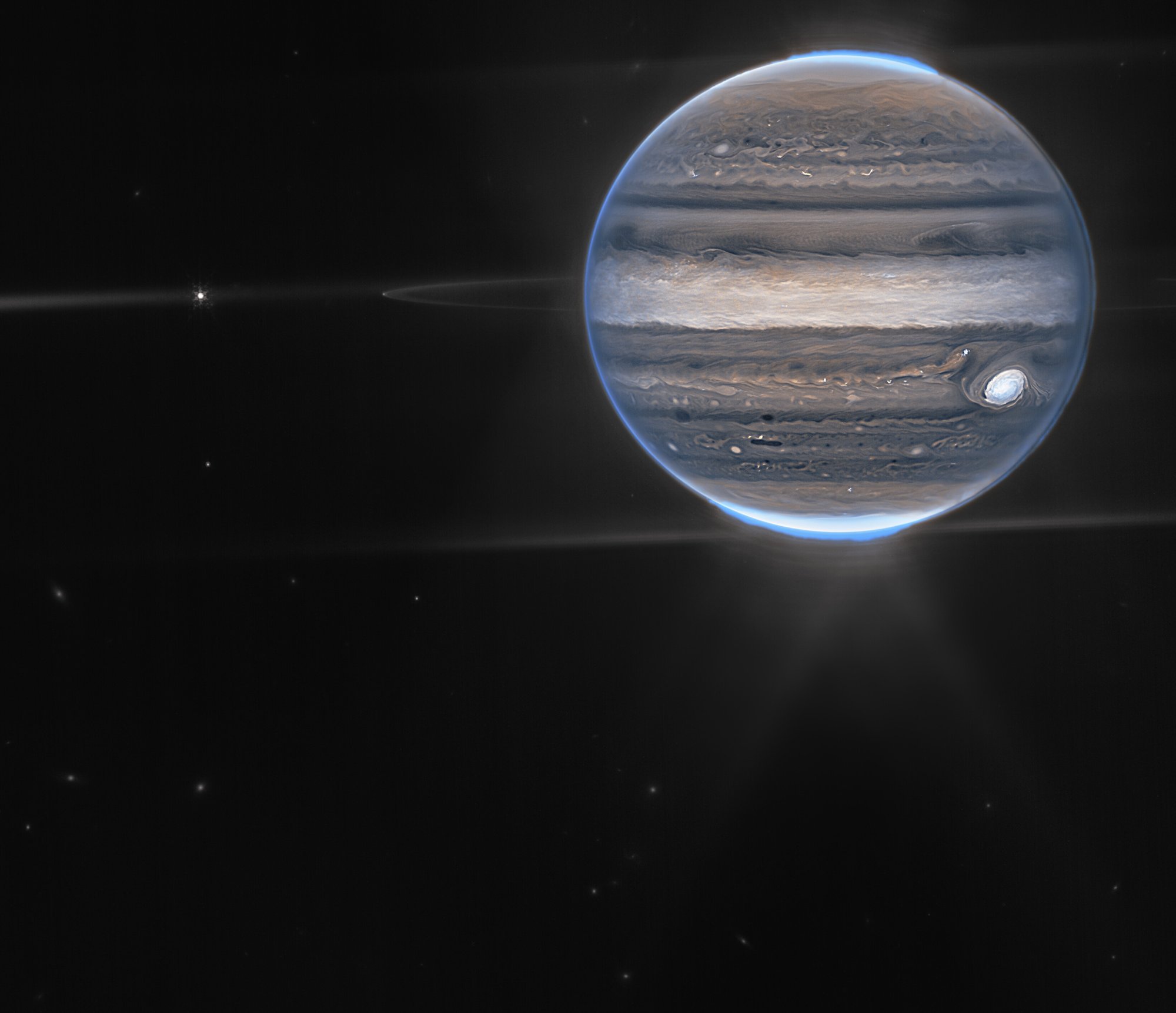
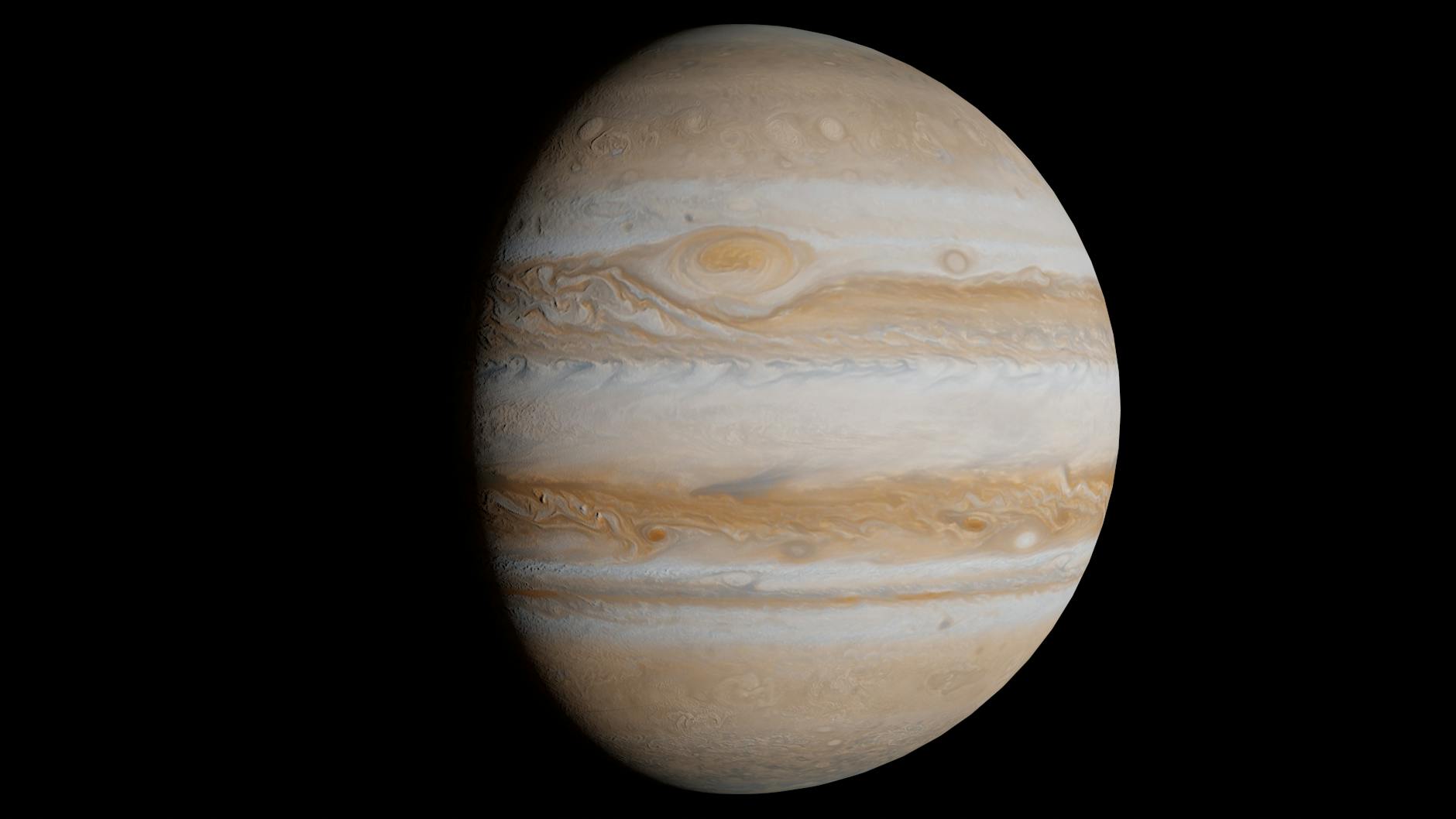
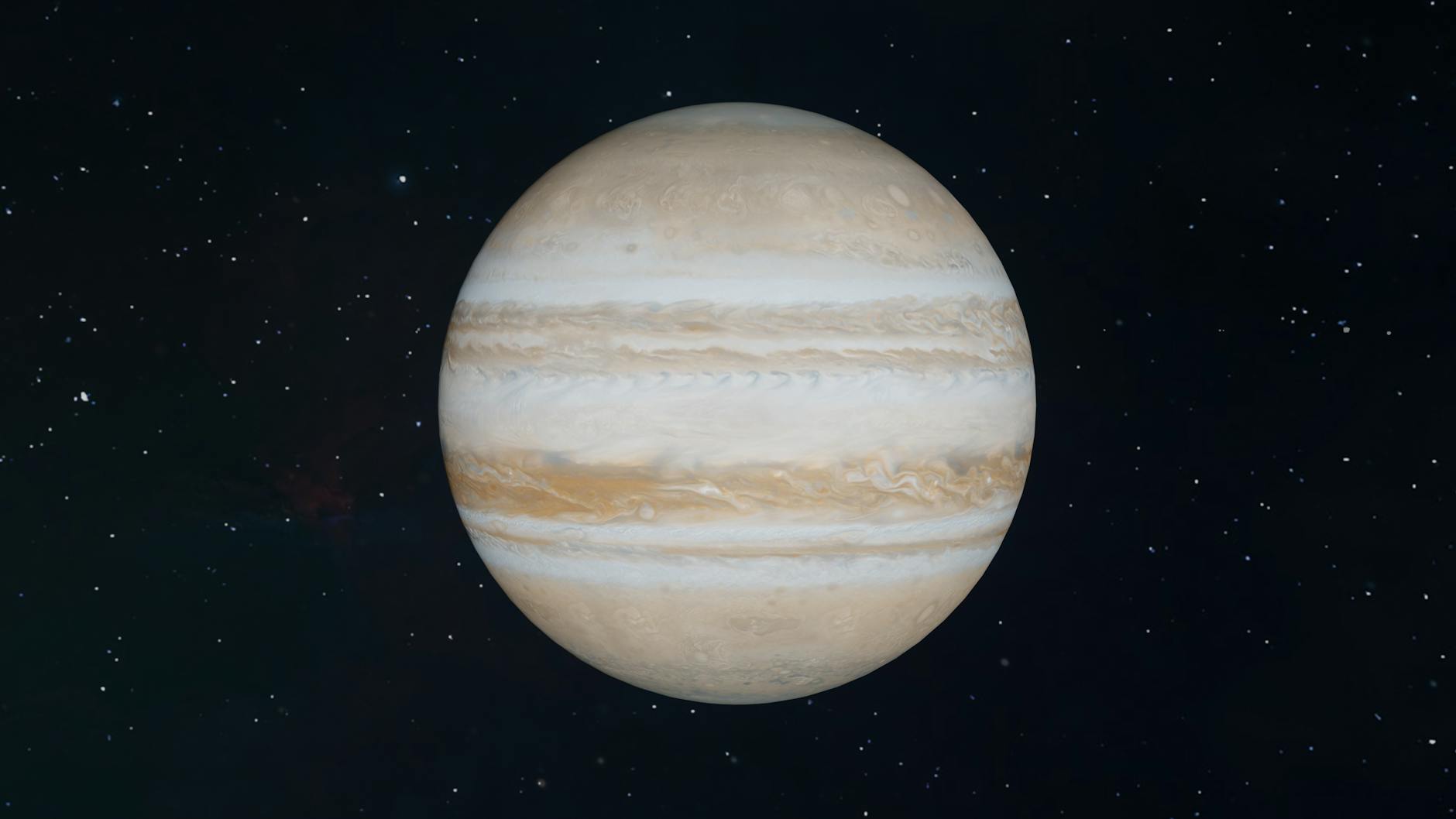
Long before telescopes, Jupiter’s bright, steady glow marked it as a special wanderer in the night sky. Visible even in daylight when the Sun is low, it demanded explanations—from myth, from mathematics, and eventually from physics.
God of Gods in the Sky
To the Babylonians, Jupiter represented Marduk, chief god of their pantheon. They used its roughly 12‑year circuit along the ecliptic to frame their zodiac.
In China, Jupiter was the “year star” (suìxīng), jumping one zodiac constellation per year and helping structure cycles of time. This connection survives in the East Asian zodiac’s twelve animals and in the Chinese character for “year of age.”
Greek observers associated the planet with Zeus, the sky father, drawing parallels to Near Eastern deities like El, Baal, Enlil, and Marduk. The Romans later adopted this as Jupiter, their supreme god of light, sky, thunder, and lightning.
Across cultures—from Vedic astrologers naming it Brihaspati or Guru, the “Teacher,” to Turkic myths calling it Erendiz or Erentüz—Jupiter became a cosmic clock and a divine presence.

Mapping Its Path, Inventing New Math
By at least the 7th–8th centuries BC, Babylonian astronomers were carefully tracking Jupiter. A 2016 study suggests they even used a precursor to integral calculus—the trapezoidal rule—to calculate Jupiter’s motion along the ecliptic.
In the 2nd century AD, Claudius Ptolemaeus used Jupiter’s movements to refine his geocentric model in the Almagest, representing its path around Earth with deferents and epicycles. He measured its orbital period as 11.86 years—remarkably close to today’s value.
Galileo’s Moons and the Fall of Earth-Centered Cosmos
Everything changed in 1610, when Galileo Galilei turned his telescope toward Jupiter. He saw four “stars” that changed position night after night, sometimes disappearing behind or in front of the planet.
These were moons—Io, Europa, Ganymede, and Callisto—worlds that clearly orbited something other than Earth. Simon Marius noticed them independently and later gave them the mythological names we still use.
For the first time, humanity had direct visual evidence that not everything revolved around Earth. The discovery bolstered Copernicus’s heliocentric theory and helped ignite a scientific revolution. Galileo’s vocal support of this new model contributed to his trial and condemnation by the Inquisition.
Timing Eclipses and Measuring Light
Careful tracking of these moons soon yielded even deeper insights. Giovanni Cassini and others produced tables predicting when each moon would pass in front of or behind Jupiter. In the 1670s, Cassini noticed that these events appeared about 17 minutes late when Jupiter lay on the far side of the Sun.
Ole Rømer correctly interpreted this delay: light has a finite speed. Using Jupiter’s moons as a cosmic clock, he made the first quantitative estimate of how fast light travels—a cornerstone in the story of modern physics.
A Planet That Taught Us Our Place
From divine omen to data point, from clock of the heavens to crucible of scientific ideas, Jupiter has been central to humanity’s effort to understand the sky.
It inspired gods and calendars, toppled the Earth from the cosmic throne, and even revealed that light itself takes time to cross the vast spaces between worlds.