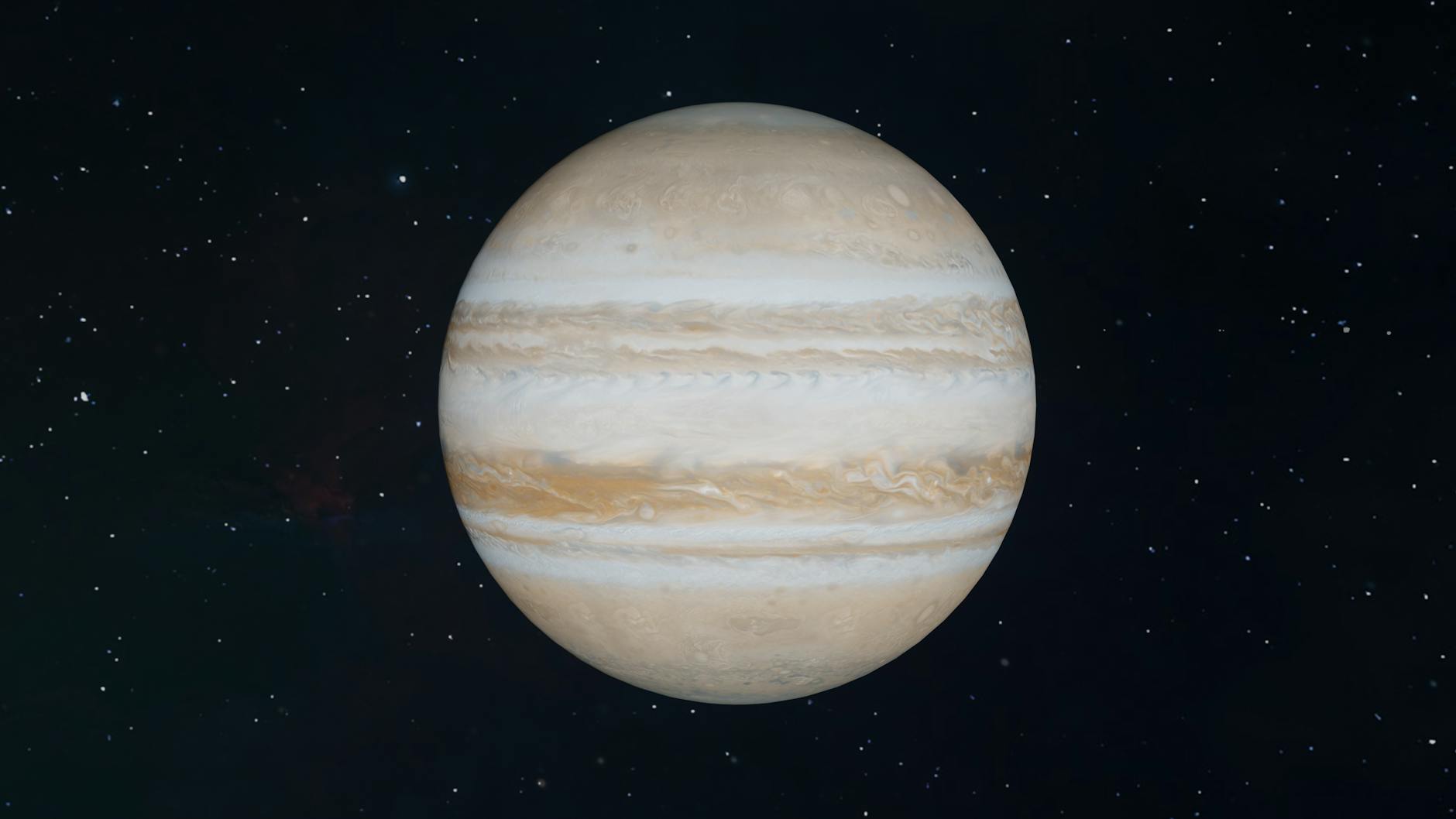
A Storm Bigger Than a Planet
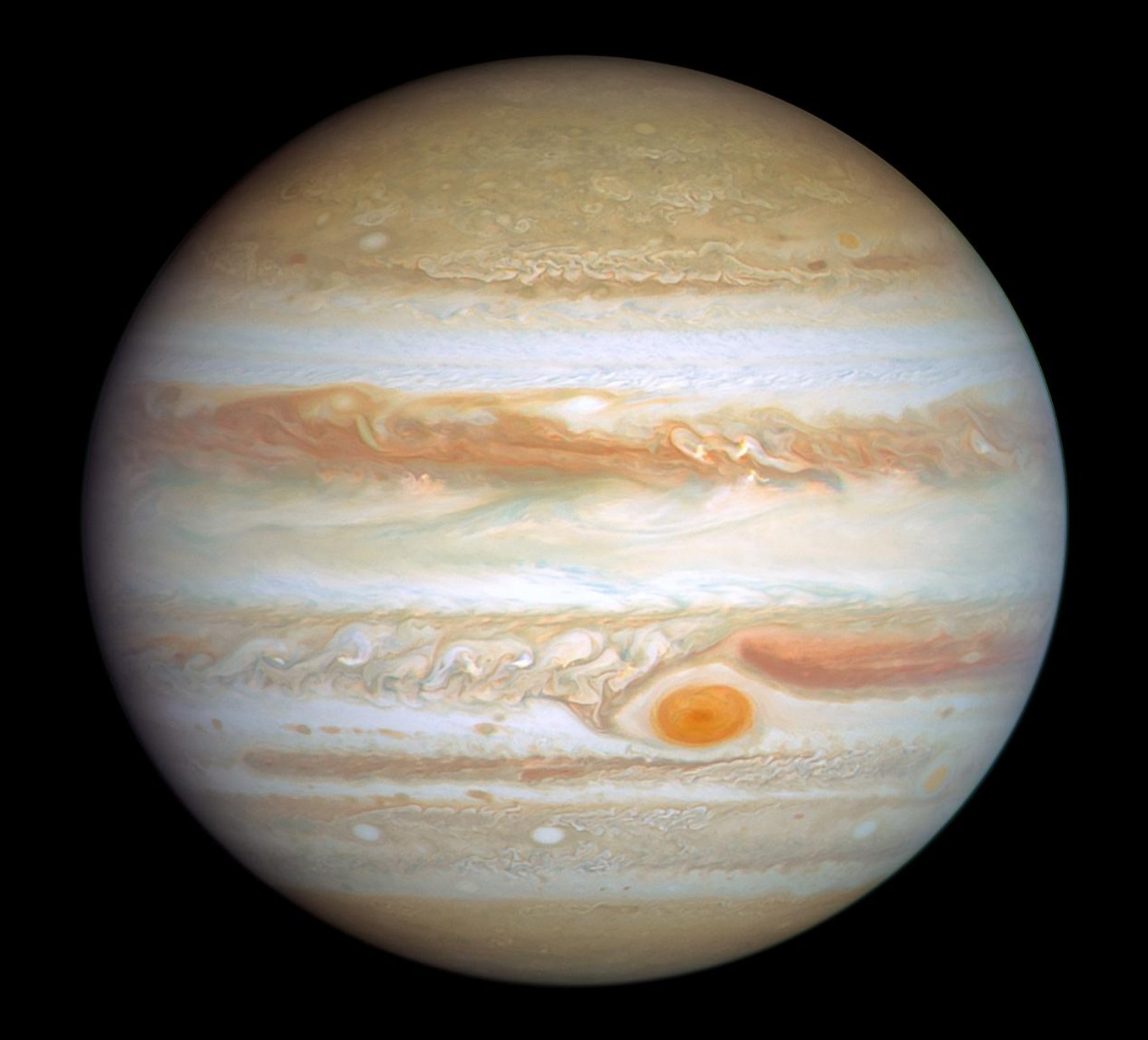
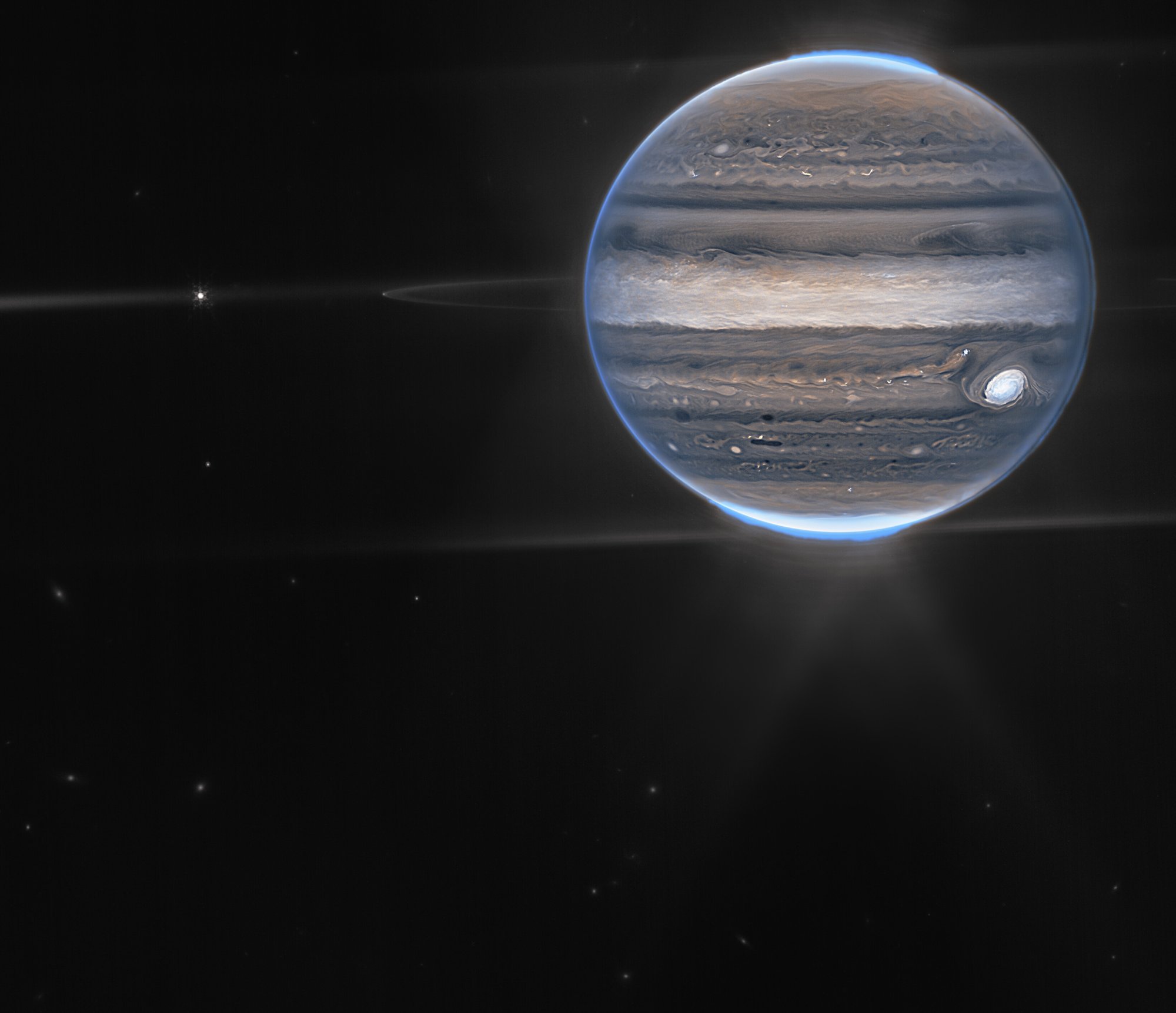
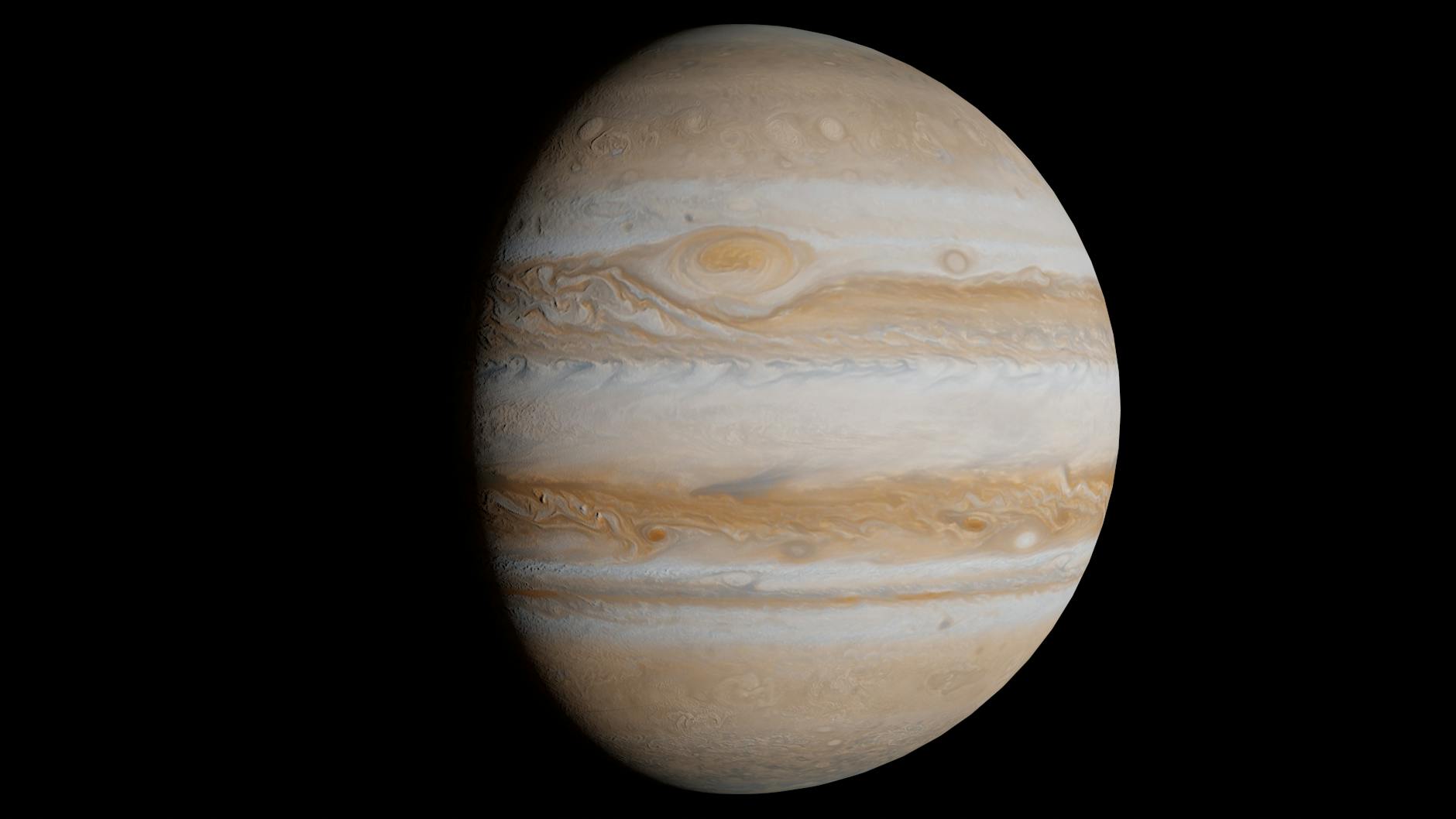
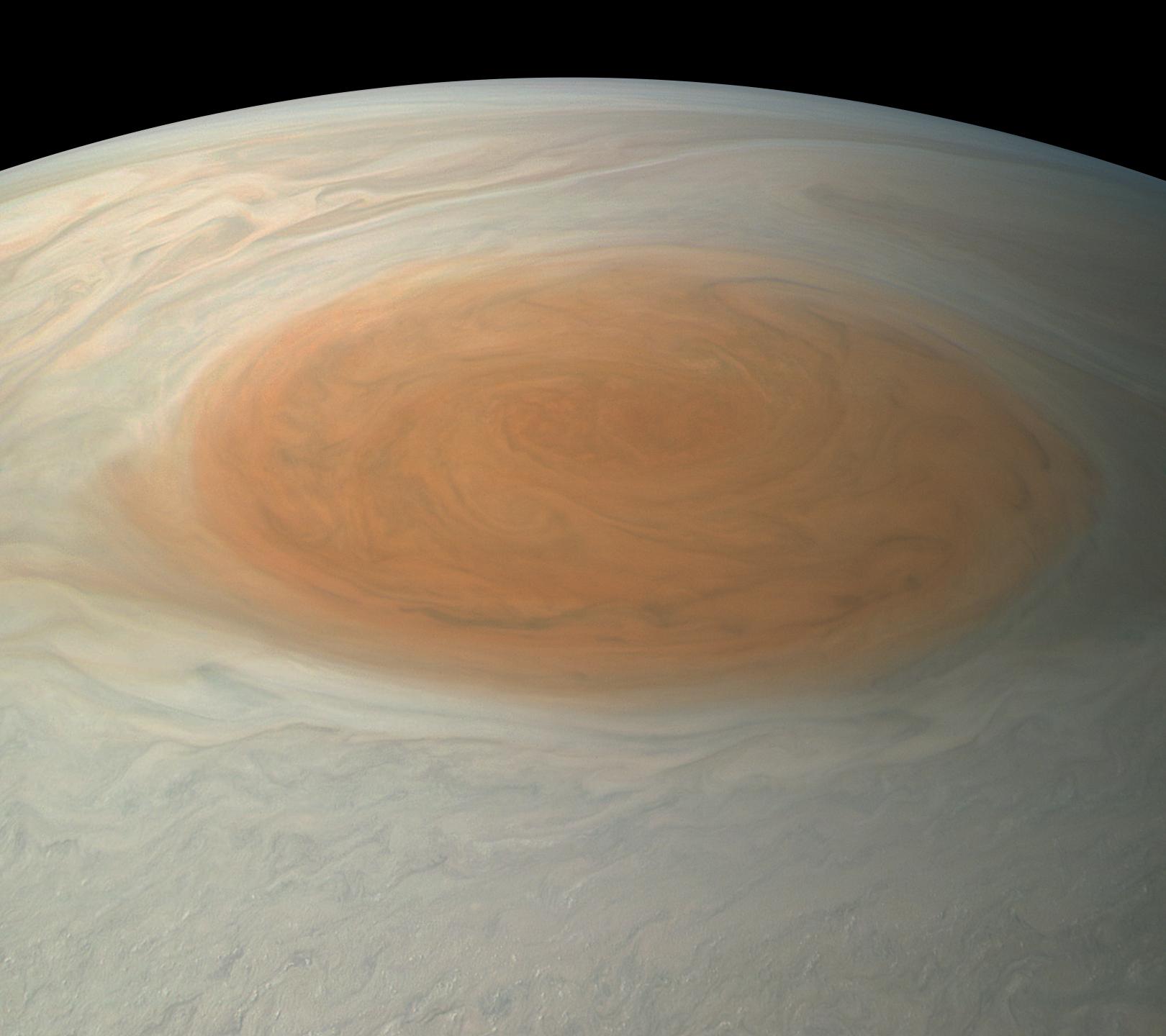
South of Jupiter’s equator whirls a storm so immense that Earth would fit inside it. This is the Great Red Spot, a colossal tempests that has raged for at least two centuries—and possibly much longer.
A Century-Spanning Tempest
Astronomers may have glimpsed it as early as the 1660s, but it was clearly recorded in 1831, when detailed drawings began. Ever since, observers have tracked this persistent, brick-red oval at about 22° south latitude.
The Great Red Spot is an anticyclonic storm—a high-pressure system rotating counterclockwise in Jupiter’s southern hemisphere. It spins once every six days, with cloud tops about 8 km higher than the surrounding region.

Shrinking but Still Savage
When first measured in the late 1800s, the storm stretched roughly 41,000 km across—more than three times Earth’s diameter. By 2015, it had shrunk to about 16,500 by 10,940 km and continues to contract by around 930 km per year in length.
Yet even in its diminished state, the Great Red Spot remains wider than Earth, its swirling winds and towering clouds still dominating Jupiter’s southern hemisphere.
Juno’s close flybys in 2021 revealed that the storm is not just broad, but deep. Its roots extend 300–500 km below the cloud tops, boring far into the atmosphere compared with most Jovian weather systems.
What Makes It Red?
The storm’s rusty colour remains a mystery. One likely explanation is that chemicals such as ammonia interact with other molecules like acetylene and are then broken apart by ultraviolet sunlight. These altered compounds, called chromophores, may tint the clouds red and brown.
Whatever the chemistry, the colour varies over time, shifting from brick red to paler hues, and even inspiring names for nearby storms—such as Oval BA, the “Little Red Spot,” a smaller storm that formed from merged white ovals in the southern hemisphere and later turned red.
A Planet of Vortices
The Great Red Spot is not alone. Jupiter’s poles host orderly clusters of cyclones: nine in the north, seven in the south, with a large vortex encircled by smaller ones like petals around a flower. In 2017, astronomers also discovered a Great Cold Spot in the thermosphere near the north pole—24,000 km long, 12,000 km wide, and 200 °C cooler than its surroundings.
This cold vortex, shaped by interactions between charged particles from the volcanic moon Io and Jupiter’s magnetic field, has persisted in the same region for over 15 years.
A Storm’s Legacy
Will the Great Red Spot ever vanish? Mathematical models suggest it is stable enough to last indefinitely, fed by surrounding jet streams. Yet observations clearly show it shrinking, its future uncertain.
Still, for generations it has offered a humbling perspective: on Jupiter, storms can be the size of worlds and last longer than human history, a reminder that “weather” can be as epic and enduring as mountains and oceans.