A Giant on the Move
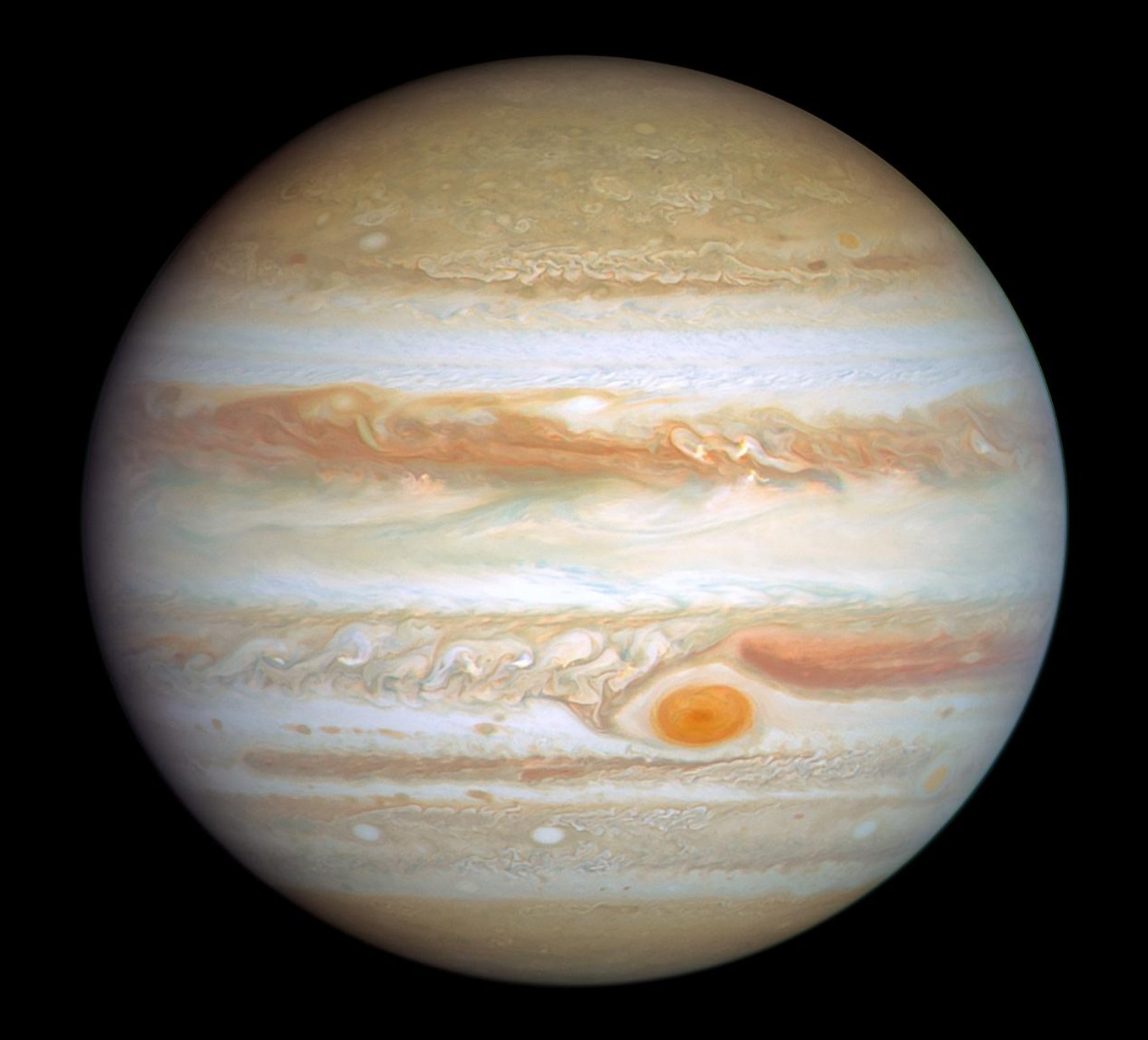
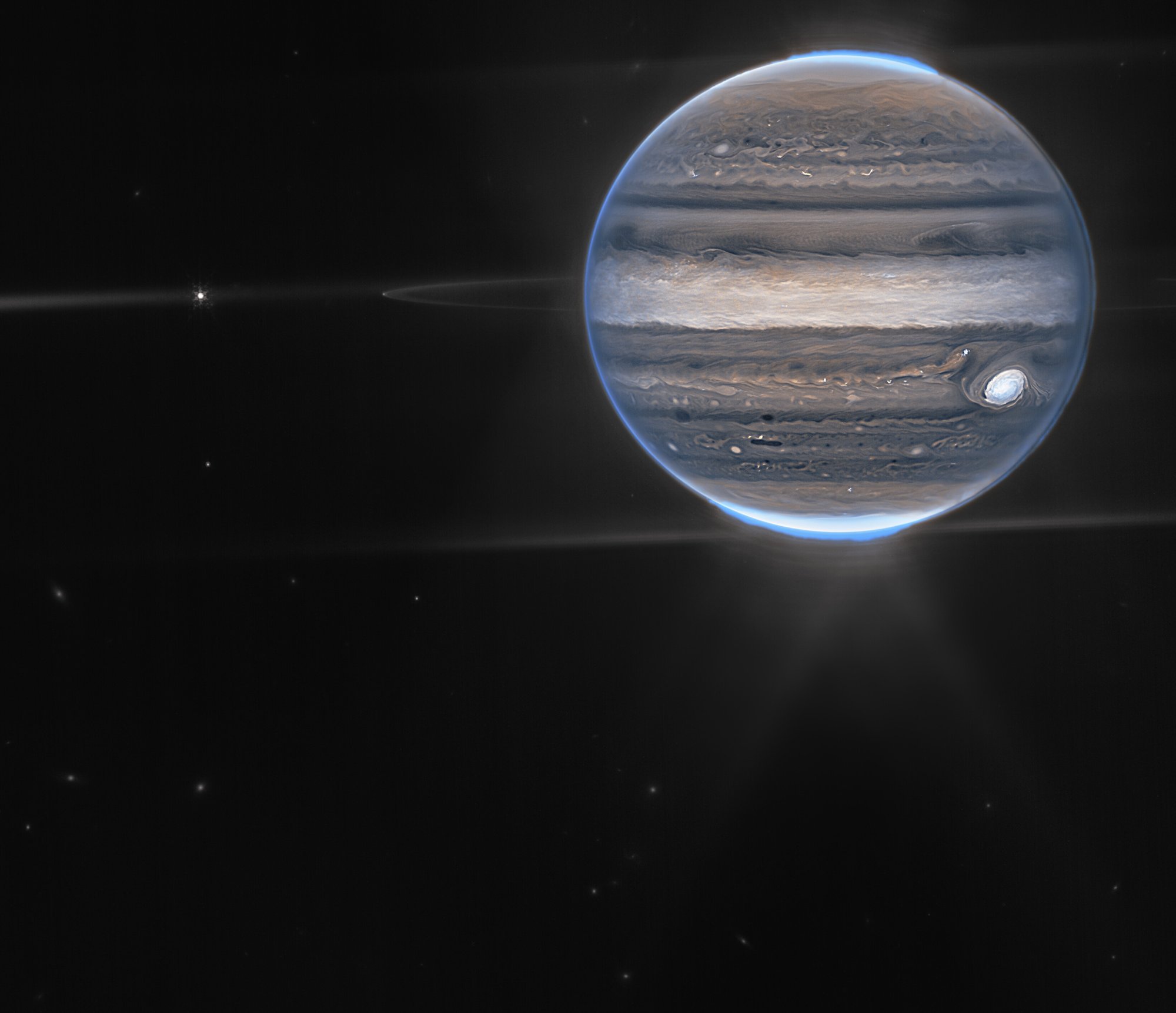
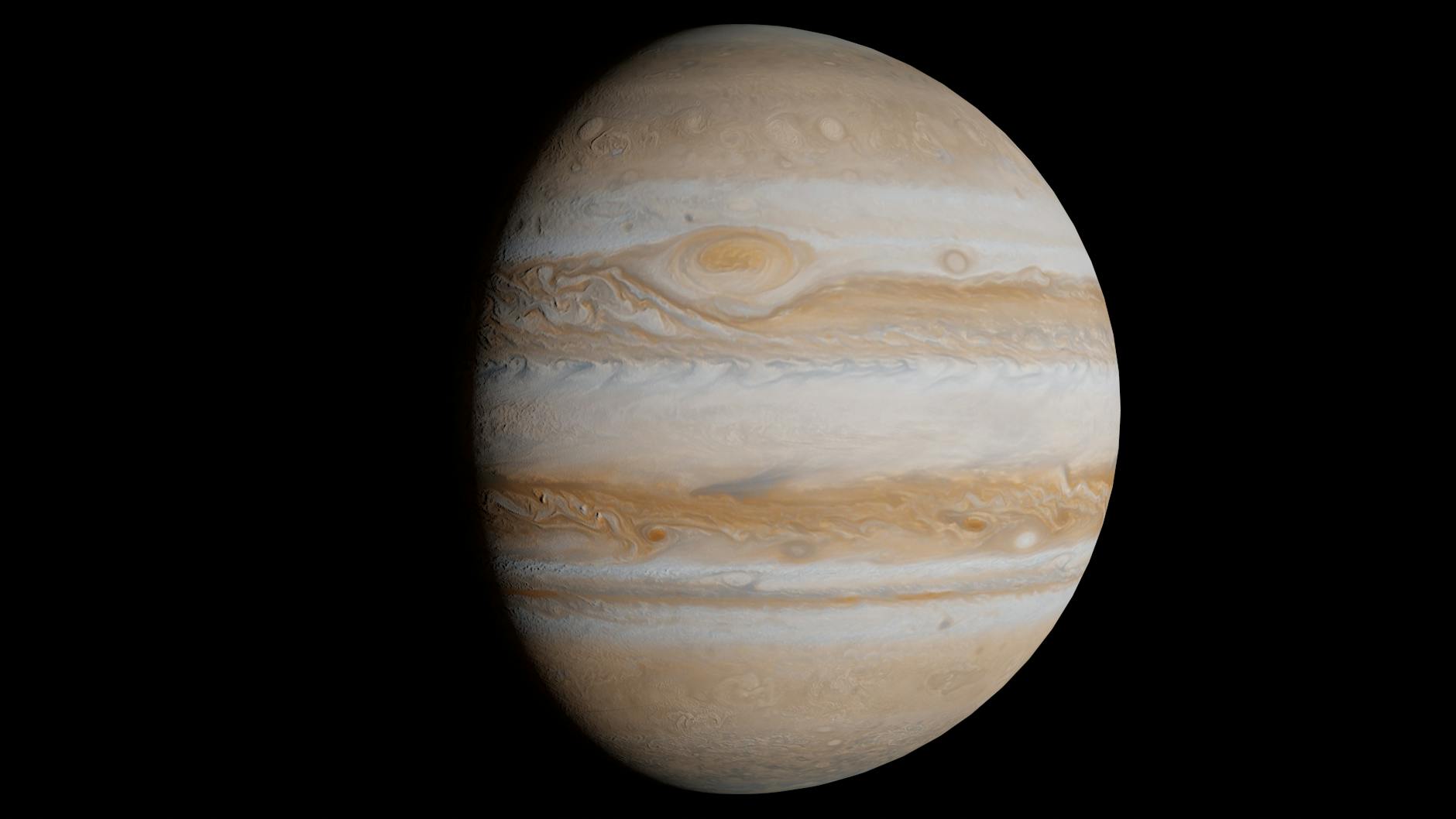
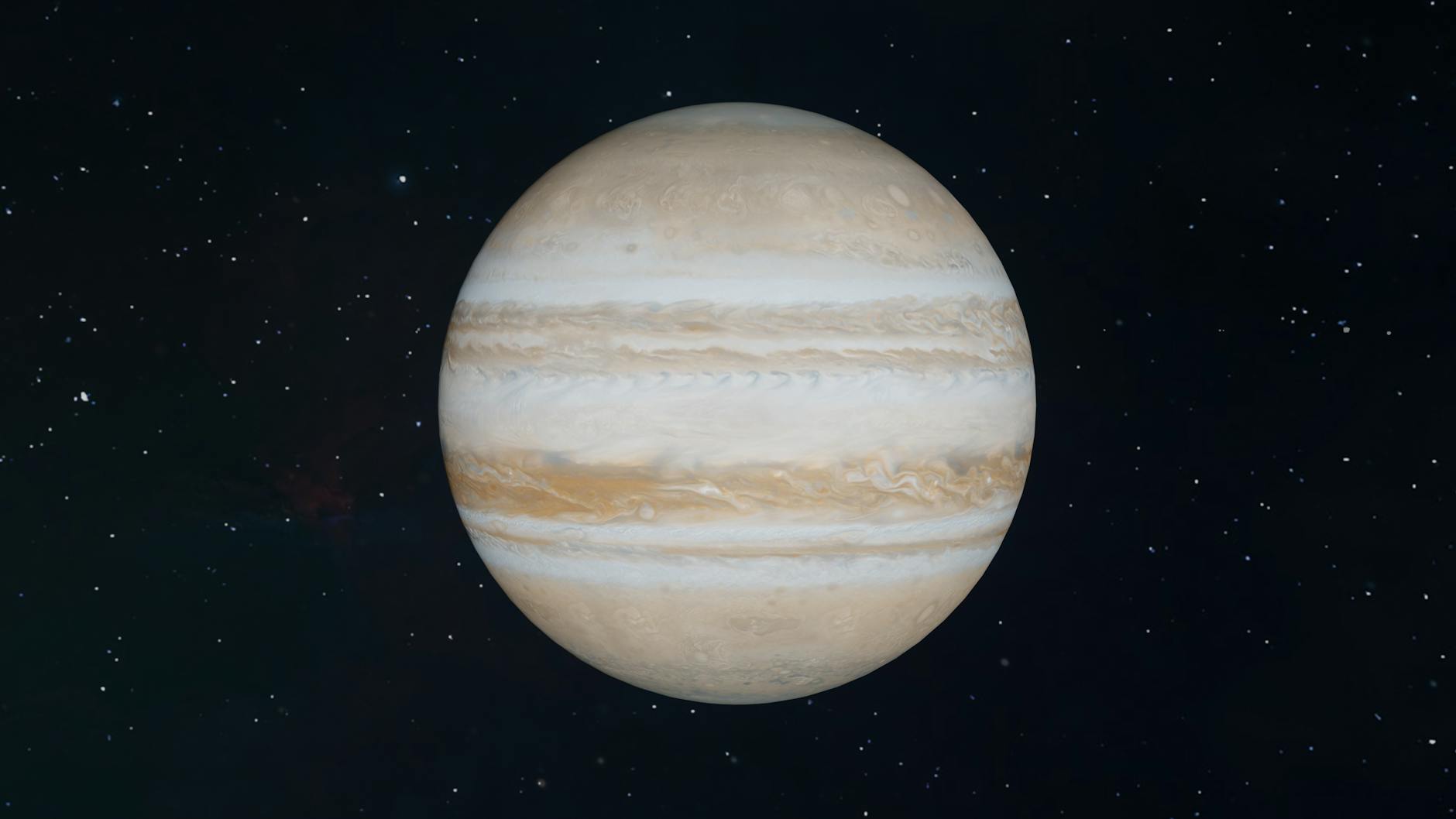
Imagine the largest planet in the Solar System as a wandering wrecking ball. Jupiter, scientists now think, did not simply form and sit in place—it migrated through the early Solar System, reshaping almost everything in its path.
Born Beyond the Snow Line
Jupiter is believed to be the oldest planet, forming just a million years after the Sun and tens of millions of years before Earth. It likely appeared at or beyond the snow line, the distance where water and other volatile substances could freeze into solid ice. There, a solid core formed first, then rapidly gathered gas from the surrounding nebula, ballooning into a gas giant.
As Jupiter’s mass grew beyond about 20 times Earth’s, it carved a gap in the solar nebula. Within 3–4 million years it reached its current mass—fast, by planetary standards.

The “Grand Tack” – Jupiter Turns the Wheel
According to the grand tack hypothesis, Jupiter initially formed around 3.5 astronomical units from the Sun, then began spiraling inward. Its gravitational dance with the gas disk and with Saturn—forming later—pulled it closer, into the inner Solar System.
As it moved inward, Jupiter likely disturbed a set of super-Earth-sized worlds orbiting closer to the Sun, causing destructive collisions that ground them down to rubble. Later, as Saturn migrated inward even faster, the two giants locked into a 3:2 resonance and reversed course, tacking outward like a sailboat changing direction, retreating to the outer Solar System.
This entire in-and-out journey may have unfolded in just a few million years, with the last phase occurring over mere hundreds of thousands of years.
Jumping Jupiter and the Missing Fifth Giant
Other models sharpen the drama. In the Nice model, the slow inward rain of icy bodies from the early Kuiper belt nudged Jupiter and Saturn into a 1:2 resonance. This destabilized Uranus and Neptune, scattered Kuiper belt objects, and likely triggered the Late Heavy Bombardment, when impacts ravaged the inner planets.
The Jumping-Jupiter scenario goes further: as Jupiter migrated, its gravity may have so severely disturbed another gas giant that this fifth giant was flung completely out of the Solar System, leaving only the four we know today.
From the Frozen Fringe to Today’s Orbit?
Based on Jupiter’s chemical makeup, some researchers argue it may have formed far beyond its present orbit—outside the nitrogen snow line, even possibly past the argon snow line, 20–40 AU from the Sun. In this view, Jupiter formed in the deep cold, then migrated inward over roughly 700,000 years to where it is now, with Saturn, Uranus, and Neptune forming even farther out and also drifting inward.
The Takeaway
Jupiter is not just a passive heavyweight. Its migrations, resonances, and possible planetary ejections helped decide which worlds survived, where they formed, and when Earth itself could finally assemble. The familiar Solar System we see today is, in large part, the aftermath of Jupiter’s wandering youth.