The Solar System’s Heavyweight Influencer
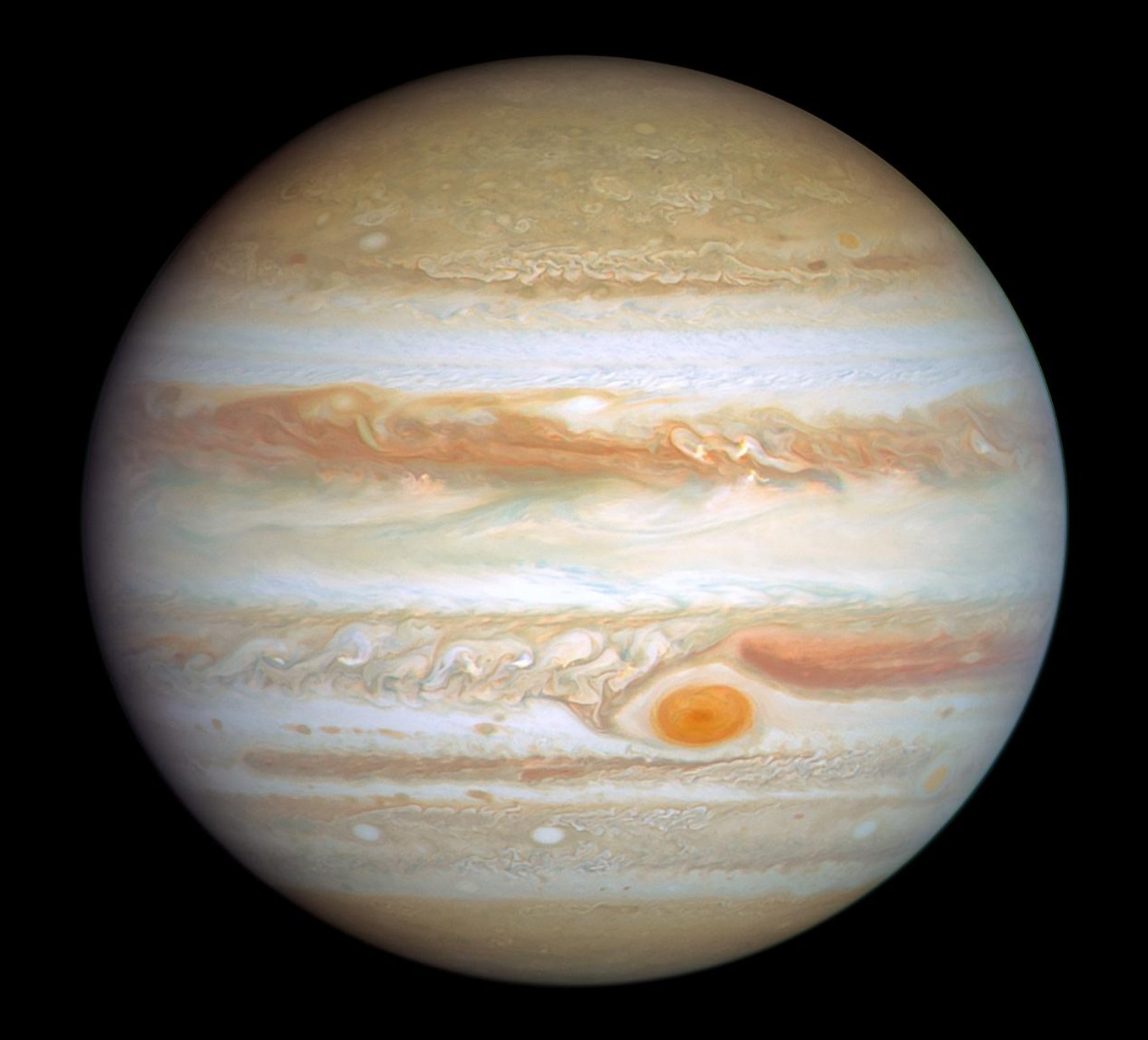
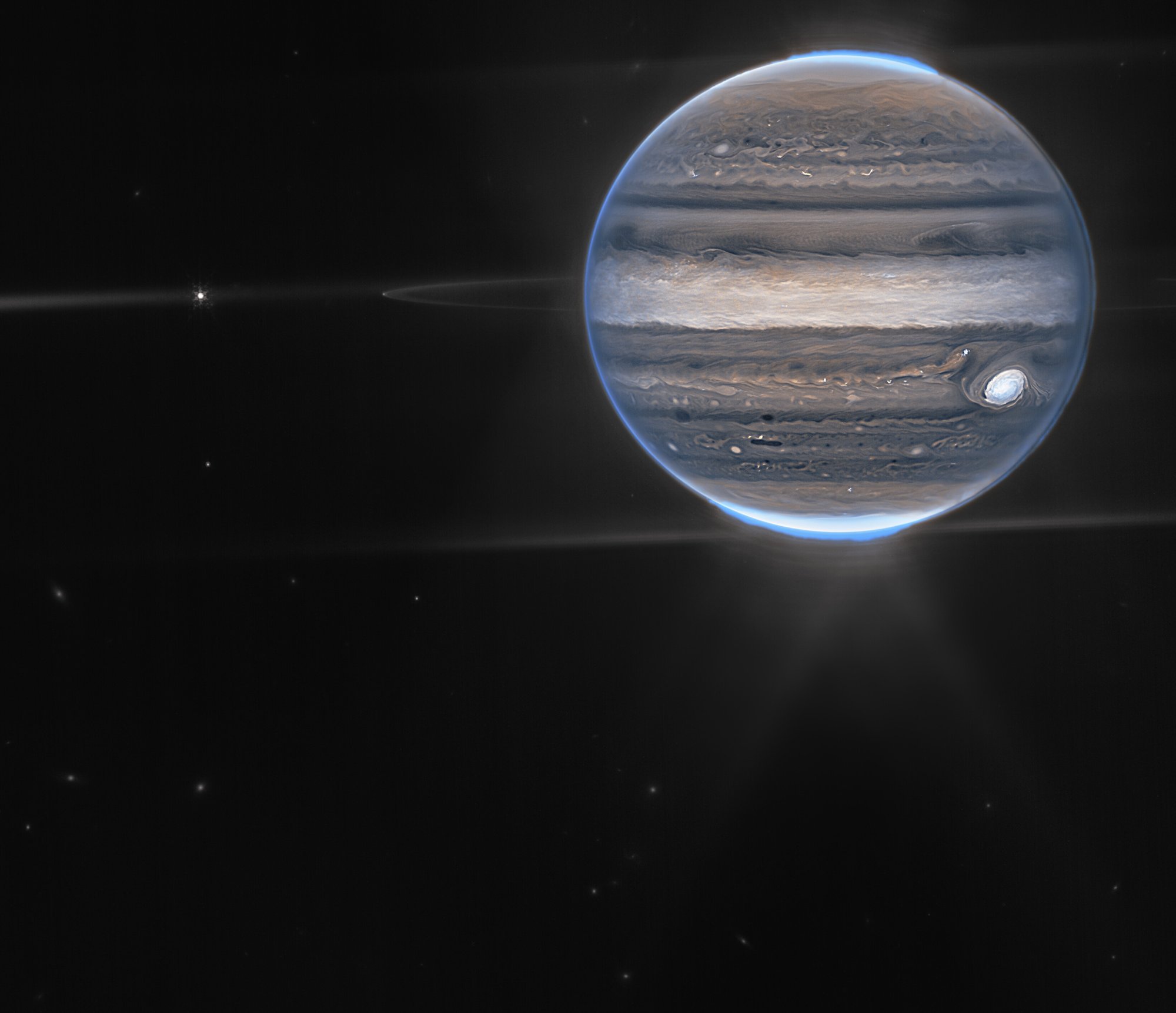
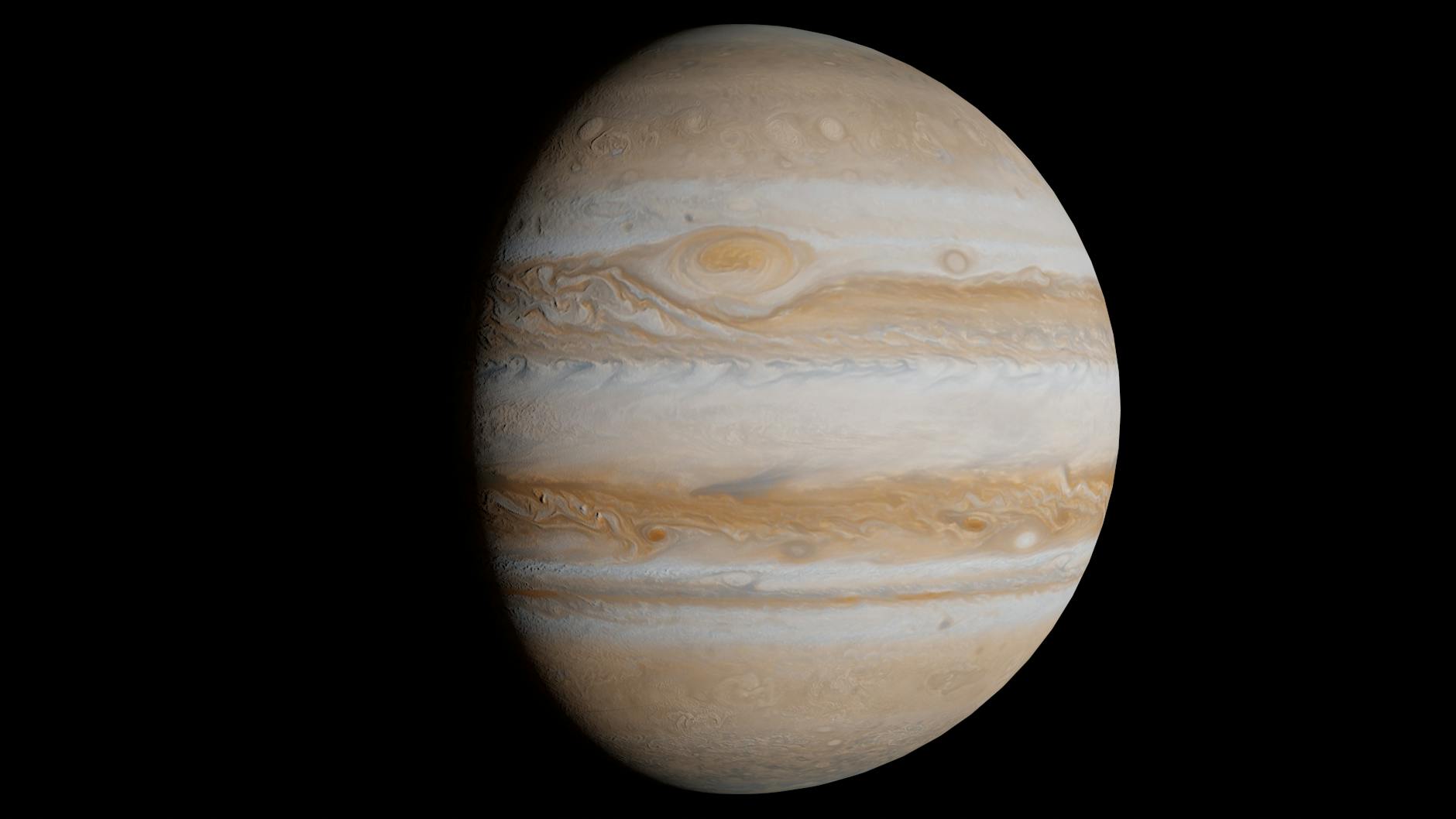
As the most massive planet, Jupiter exerts a gravitational pull that reaches far beyond its immediate neighborhood. Its presence has quietly reshaped the architecture of the Solar System—and occasionally put on a celestial fireworks show.
Carving Gaps in the Asteroid Belt
Between Mars and Jupiter lies the asteroid belt, but its distribution is anything but uniform. The Kirkwood gaps, regions largely emptied of asteroids, are caused by gravitational resonances with Jupiter.
Asteroids that stray into these resonant orbits receive repeated tugs from Jupiter, slowly altering their paths until they’re either ejected from the belt, sent inward, or thrown outward into new orbits.

Trojan Armies on Jupiter’s Flanks
Jupiter’s gravity doesn’t just scatter asteroids—it also corrals them. Around the stable Lagrangian points that lead and follow Jupiter in its orbit gather swarms of bodies known as Trojan asteroids.
These asteroids are grouped into “Greek” and “Trojan” camps, echoing the Iliad. The first, 588 Achilles, was found in 1906; now more than two thousand are known. The largest, 624 Hektor, is a substantial world in its own right.
Master of the Comet Family
Many short-period comets belong to the Jupiter family, defined by orbits with semi-major axes smaller than Jupiter’s. Born in the distant Kuiper belt beyond Neptune, they are perturbed inward until close encounters with Jupiter alter their paths.
Repeated gravitational nudges can shrink their orbits, circularizing them into short-period wanderers that regularly visit the inner Solar System.
Shield or Slingshot?
For years, Jupiter was hailed as the Solar System’s vacuum cleaner, thought to protect inner planets by swallowing or ejecting incoming comets and asteroids. It does experience vastly more impacts than Earth—about 200 times as many.
But computer simulations in 2008 complicated that picture. They suggested that Jupiter’s gravity can also perturb comets toward the inner Solar System as often as it removes them. Some scientists now argue that Jupiter helps funnel comets inward from the Kuiper belt, while others maintain it shields Earth from material from the distant Oort cloud.
The debate continues: is Jupiter our guardian, our supplier of impactors, or both at once?
Shoemaker–Levy 9: A Planet Takes the Hit
In July 1994, the world watched as Comet Shoemaker–Levy 9 slammed into Jupiter. Broken into multiple fragments, the comet impacted the giant planet’s atmosphere one piece at a time.
Telescopes on Earth and instruments aboard the Hubble Space Telescope and the Galileo spacecraft recorded dark scars blooming on Jupiter’s cloud tops—visible wounds on a world hundreds of millions of kilometres away.
Historical searches have turned up possible earlier impact observations, but most have been dismissed. One intriguing exception is a dark feature noted by Giovanni Cassini in 1690, which may have been an ancient impact scar.
A Dynamic Role in Planetary History
From shaping the asteroid belt and Trojan swarms to rewriting comet orbits and absorbing titanic collisions, Jupiter plays an active, ongoing role in the Solar System’s evolution.
Our own planet’s history of bombardment—and perhaps even the conditions under which life arose—may bear Jupiter’s fingerprints in ways we are only beginning to understand.