
Jupiter
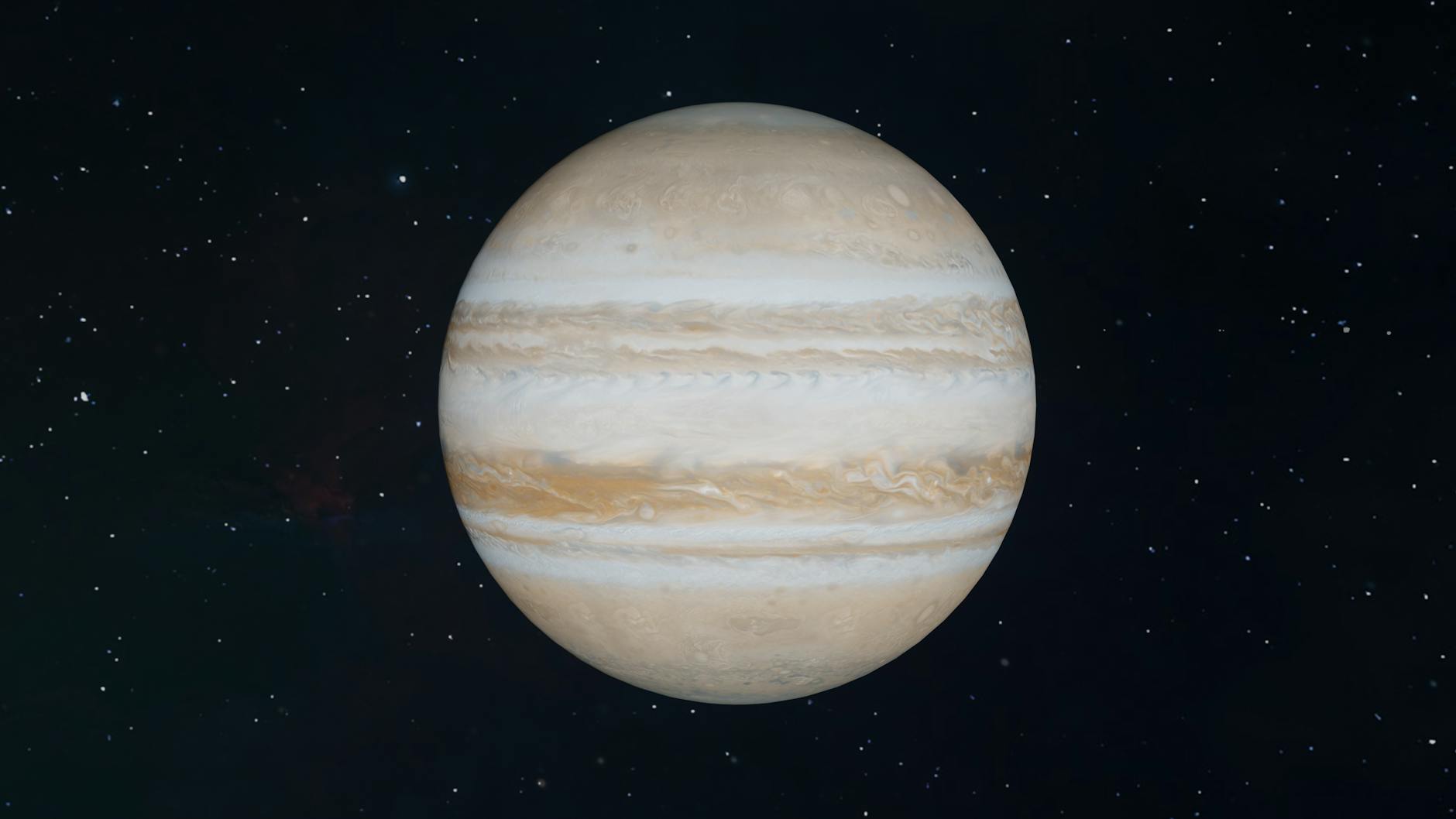
Jupiter is a colossal gas giant whose formation, storms, magnetism, moons, and cultural legacy have shaped both the Solar System itself and humanity’s understanding of the cosmos, from Babylonian omens to modern deep-space probes.
9 topics
How Jupiter’s Migration Built (and Broke) Worlds
Jupiter didn’t stay where it was born; its grand inward-and-outward journey may have smashed early planets, shifted giants, and even helped clear the way for Earth to form.
Inside Jupiter: Metallic Oceans and Diamond Rain
Far beneath Jupiter’s clouds lies a realm of superheated hydrogen oceans, helium storms, and even proposed rains of diamonds falling toward a blurred, diffuse core.
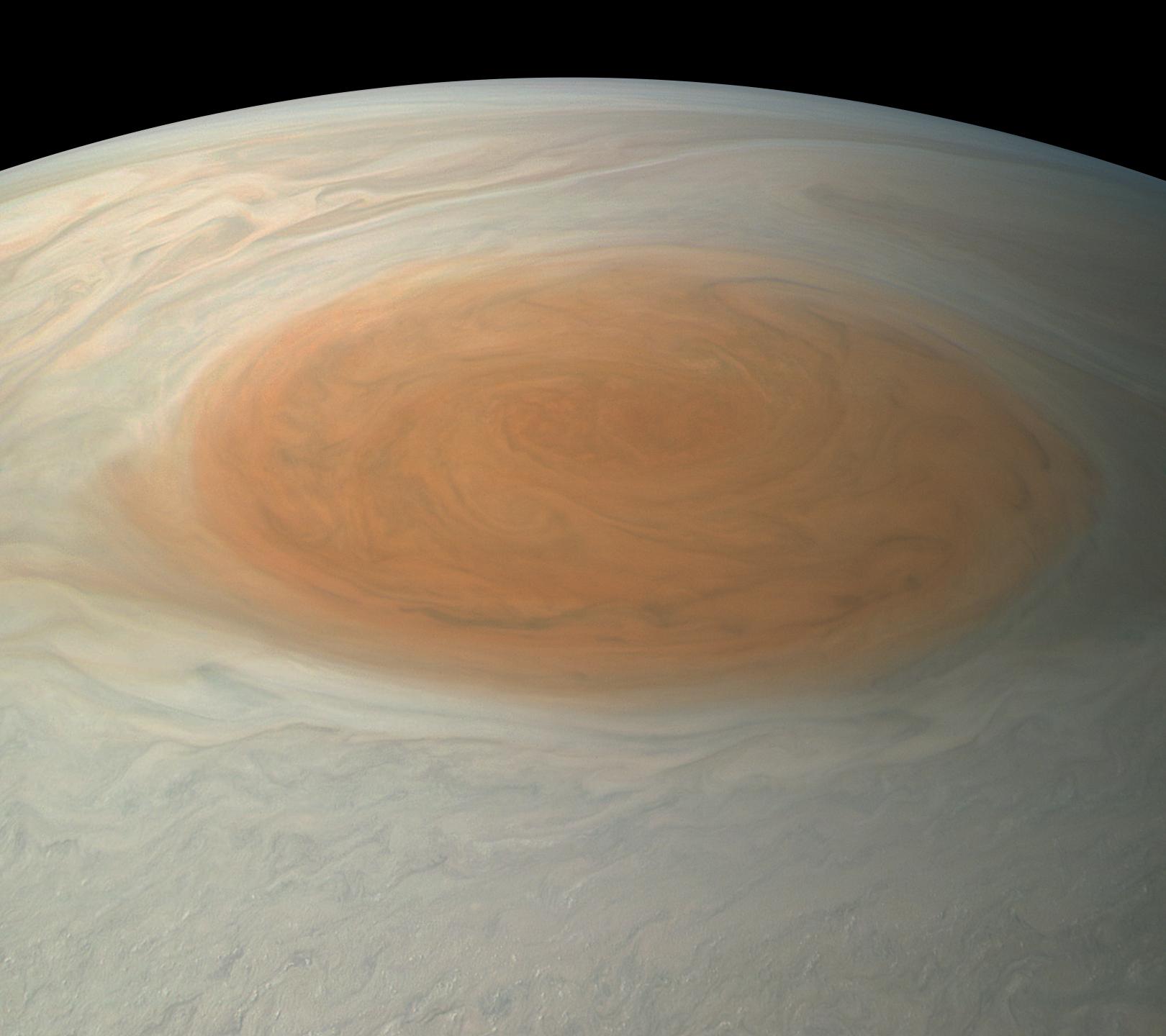
The Great Red Spot: Earth-Sized Storm That Won’t Die
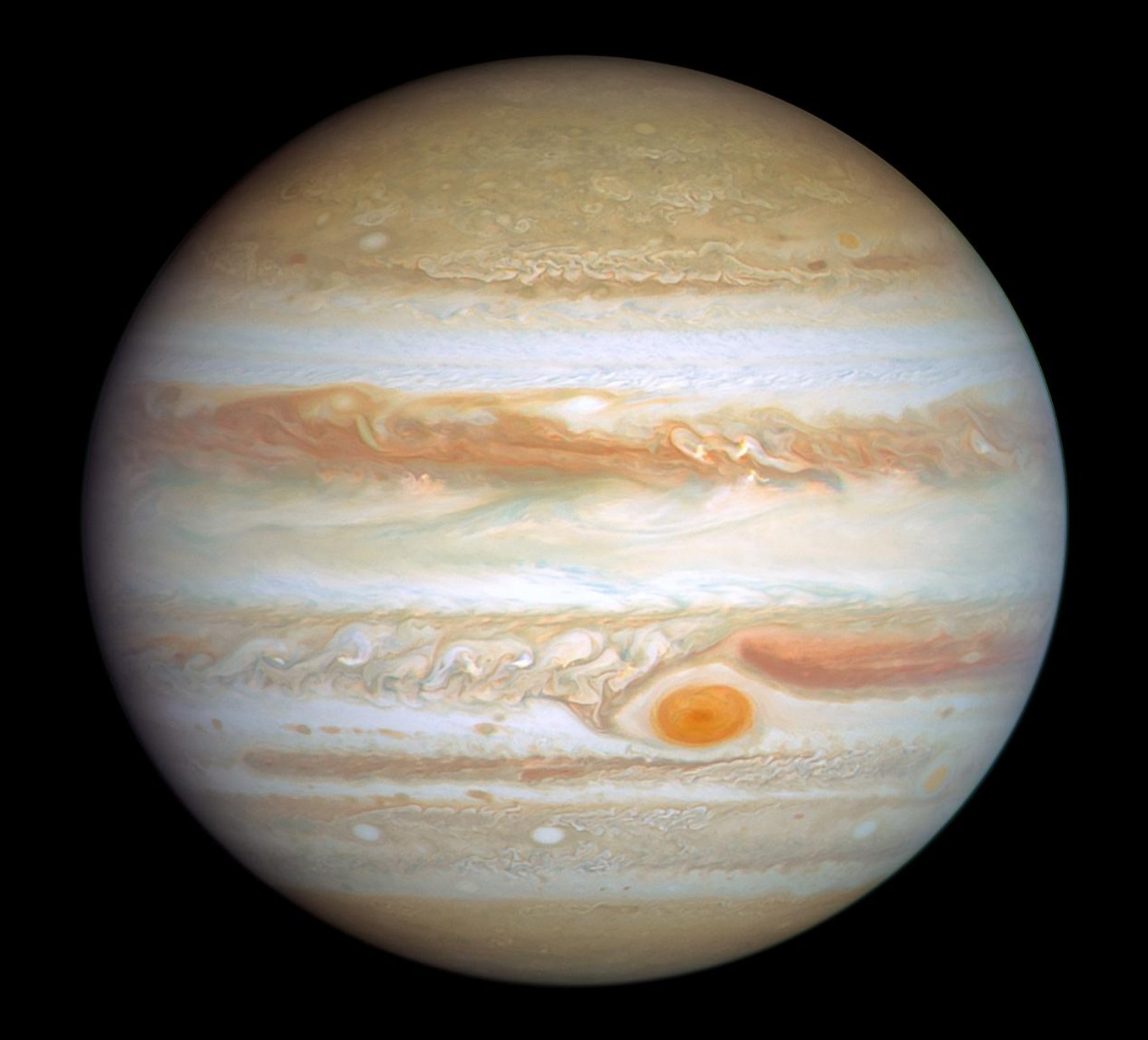
Jupiter’s Great Red Spot is a storm larger than Earth, raging for centuries, shrinking with time yet still towering above the clouds as a blood-red monument to planetary weather extremes.
Jupiter’s Invisible Shield: A Magnetosphere the Size of a Star
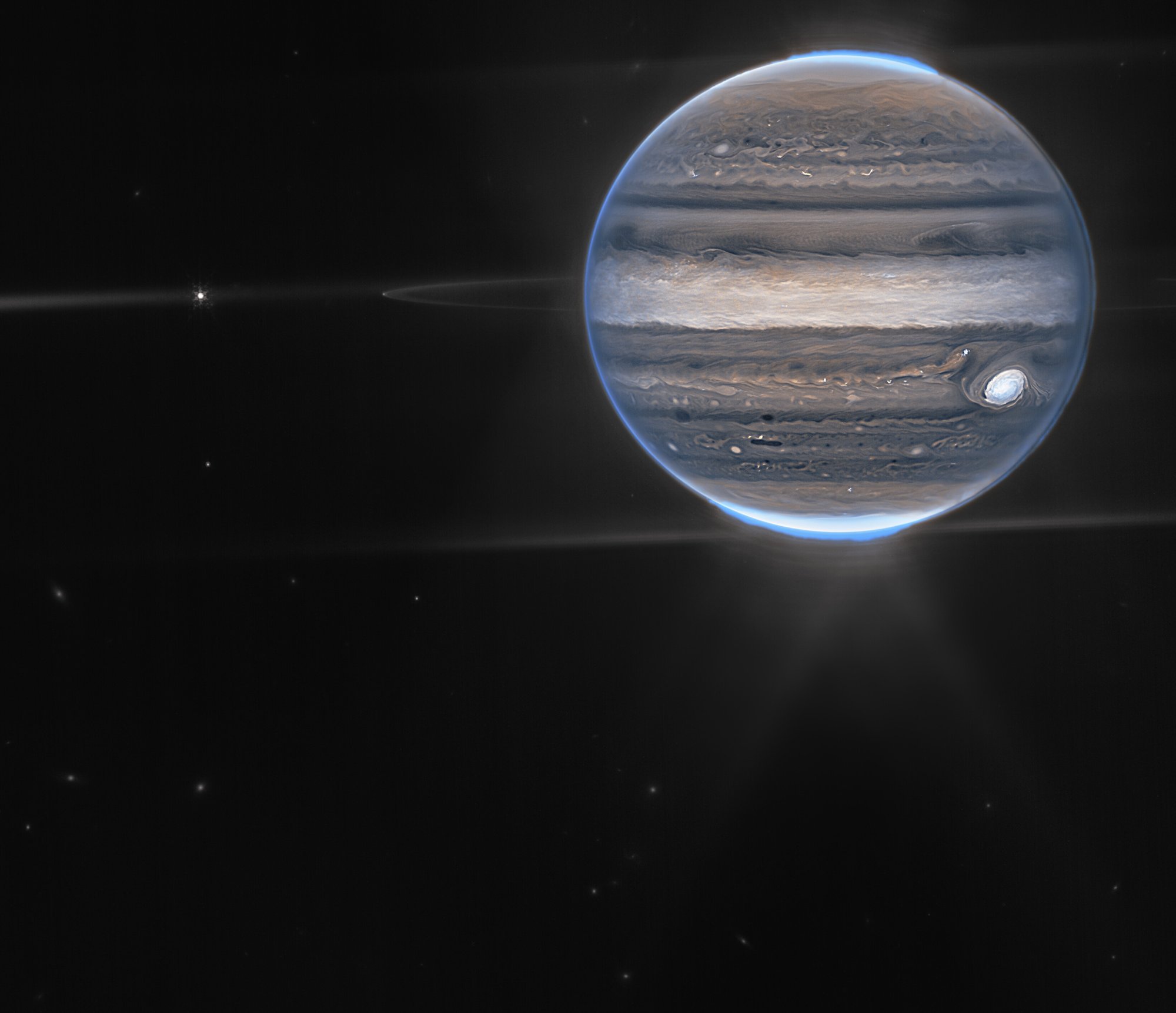
Jupiter’s magnetic field inflates a magnetosphere so vast it nearly reaches Saturn, crackling with radiation, plasma, and radio bursts that sometimes outshine the Sun at certain wavelengths.
Jupiter’s Moons: A Mini Solar System in One Planet
From volcanic Io to ocean-hiding Europa and planet-sized Ganymede, Jupiter’s moons form an intricate system of worlds locked in a gravitational dance that literally kneads them from within.
Jupiter the Cosmic Sculptor: Asteroids, Comets, and Impacts
Jupiter’s enormous gravity rearranges asteroid belts, commands swarms of Trojan asteroids, and attracts or redirects comets—sometimes slamming them into its atmosphere in spectacular collisions.
From Babylon to Galileo: Jupiter and the Birth of Modern Astronomy
Jupiter’s steady march across the sky inspired ancient calendars and gods, then, through Galileo’s telescope, helped overturn Earth-centered cosmology and measure the speed of light.
Probing the Giant: From Pioneers to Juno and Beyond
Over five decades, robotic spacecraft have swooped past, orbited, and even plunged into Jupiter, turning a bright point in the sky into a richly detailed, still-dangerous frontier.
Jupiter in Myth and Language: The Planet as Sky God
Across civilizations, Jupiter became the star of kings and teachers—a sky god, a timekeeper, and even the source of words like “jovial” that still shape how we talk about mood and character.
DeepSwipe Stories About Jupiter
Summarize another article
Enjoy bite-sized learning? Try DeepSwipe.