When a Golden Age Turned Black
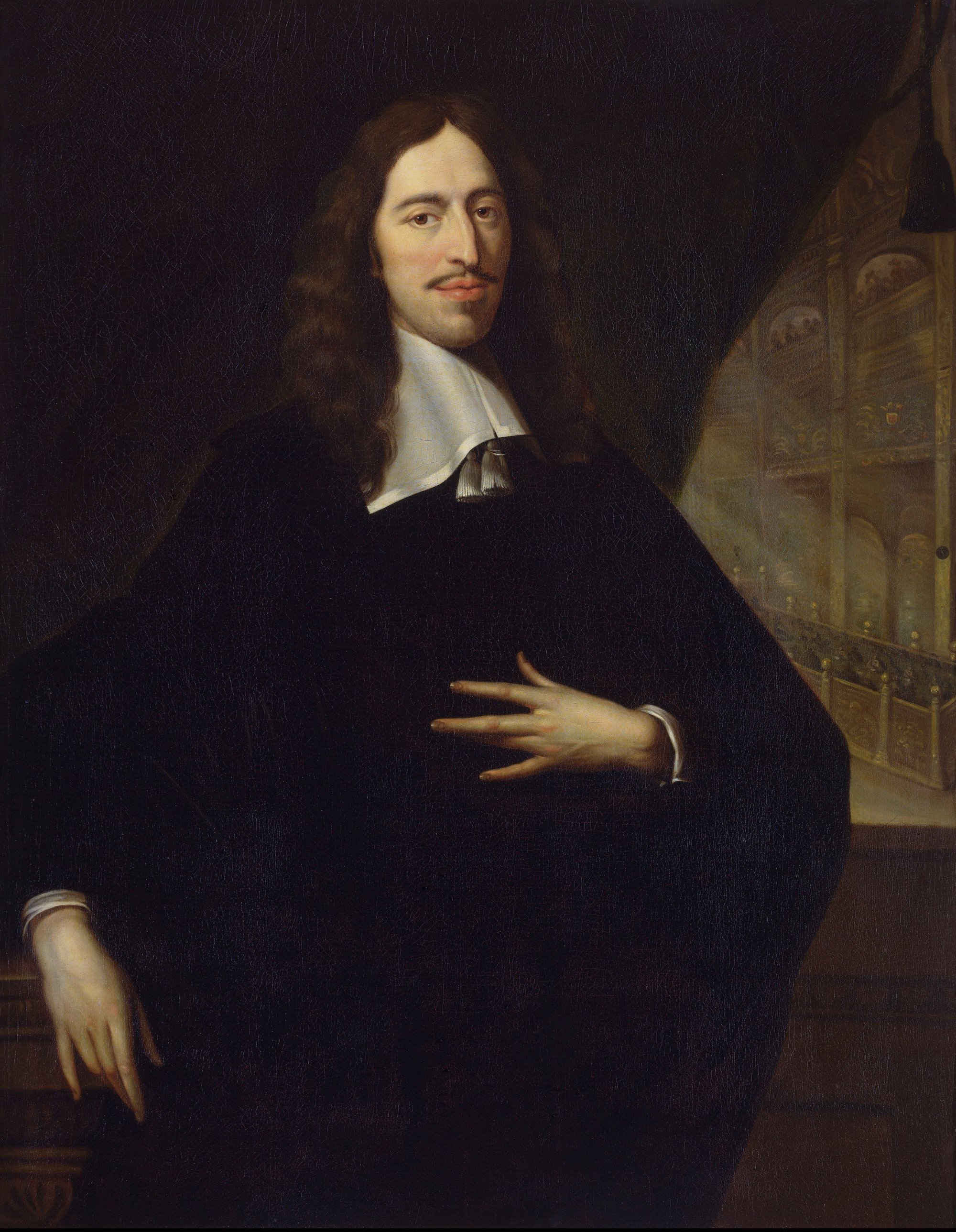
For two decades, Johan de Witt had guided the Dutch Republic through prosperity and war. Then, in 1672, everything collapsed at once. England and France declared war, allied German princes threatened invasion, and panic swept the small but wealthy republic.
The Dutch would remember 1672 as the Rampjaar — the Disaster Year. It would also be the year their leading statesman was torn apart in the streets of The Hague.
A Republic Under Siege
As enemy armies closed in, the people looked for someone to blame. Many eyes turned toward De Witt and his brother Cornelis, symbols of the republican order that had sidelined the House of Orange.
Johan narrowly survived an assassination attempt on 21 June 1672, gravely wounded by a knife-wielding attacker. Under pressure, he resigned as Grand Pensionary on 4 August. But stepping down was not enough to quell the fury building among his enemies.

Cornelis on Trial
Cornelis de Witt, who had played a leading role in the daring Raid on the Medway against England, was particularly hated by Orangists. He was arrested on fabricated charges of treason. In keeping with Roman-Dutch legal practice, he was tortured in an attempt to force a confession, but he refused.
Despite the lack of confession, he was sentenced — not to death, but to exile. It was a sentence that should have spared his life, but in the charged atmosphere of 1672, it became the trigger for something far more terrible.
The Mob at the Gevangenpoort
On the day Cornelis was to leave, Johan walked the short distance from his house to the prison to help his brother begin his journey. Outside, members of The Hague’s civic militia and an Orangist crowd gathered.
They attacked.
The brothers were shot and dragged out, stripped naked and mutilated near the Gevangenpoort. Their bodies were hung from a public gibbet, a shocking sight in a city that had prided itself on orderly republican governance.
Contemporary observers described an even more chilling detail: parts of the bodies, including the livers, were roasted and eaten by members of the mob in a cannibalistic frenzy. Yet throughout, witnesses also noticed a strange discipline, casting doubt on how “spontaneous” the lynching really was.
Questions Without Answers
No one was prosecuted for the murders. Suspicion has long fallen on William III of Orange, newly elevated as stadholder. His decision to withdraw a cavalry detachment that might have prevented the lynching has raised eyebrows ever since.
He also failed to punish well-known ringleaders such as Johan van Banchem, Cornelis Tromp and Johan Kievit; instead, their careers advanced. Yet whether William actively orchestrated the killings, or merely allowed them to happen, remains unanswered — as murky as his later role in the Massacre of Glencoe.
The Price of Political Fear
The lynching of the De Witt brothers marked the abrupt end of nearly twenty years of republican dominance. Within days, their regime was gone, replaced by a renewed Orangist order.
What began as a crisis of war ended as a crisis of trust: a reminder that even a sophisticated commercial republic can, under enough pressure, descend into ritualized violence against its own leaders.