A Republic’s Hidden Ruler
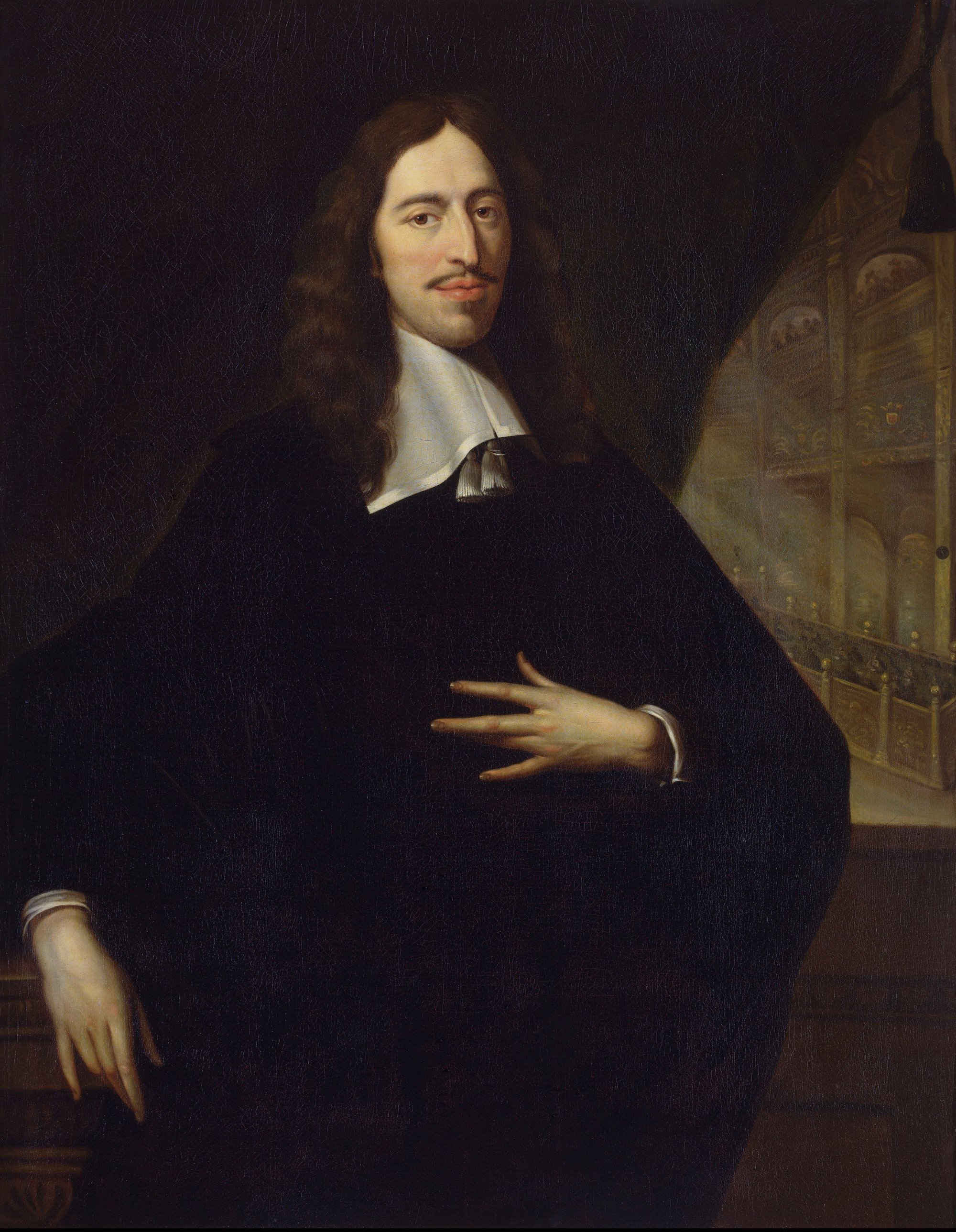
No crown, no sceptre, no palace guards. Yet for nearly twenty years, the real center of power in the Dutch Republic sat behind a desk in The Hague, signing letters and steering policy. That man was Johan de Witt, Grand Pensionary of Holland.
To foreign envoys, he looked like the leader of a small republic at the height of its Golden Age. To his own countrymen, he insisted he was nothing more than a diligent civil servant. But Holland was the richest and most powerful province of the United Provinces, and its Grand Pensionary effectively set the course for the entire state.
How a Provincial Lawyer Became National Leader
De Witt’s rise began in 1650, the year the stadholder — the traditional quasi-monarchical figure from the House of Orange — died. The office was left vacant. Into this power vacuum stepped a young lawyer from Dordrecht, first as pensionary of his city, then, in 1653, as Grand Pensionary of Holland.
His appointment was no accident. It rested on the express support of Amsterdam’s ruling elite, especially his uncle Cornelis de Graeff, the city’s powerful burgomaster. Together, the urban regents of Holland chose a different model of leadership: not a prince on horseback, but a skilled negotiator who understood trade, law and finance.

The Merchants’ Statesman
De Witt’s power base was the merchant-patrician class: the wealthy regents who governed the Dutch cities and prospered from global trade. Politically, they formed the “States faction” — republican, relatively moderate in religion, and focused on protecting commerce.
He represented their priorities. He opposed costly wars that threatened shipping, argued for maximum autonomy for rich Holland from the poorer provinces, and worked relentlessly to sideline the hereditary ambitions of the House of Orange. Under his leadership, the Republic’s wealth and influence grew, its fleets expanded and its trade routes remained open.
Ruling by Network, Not by Edict
Unlike a modern prime minister, De Witt held no explicit executive power over the whole Republic. But he had something just as effective: seniority, expertise, and a dense web of family and political alliances.
In Amsterdam, the De Graeff brothers controlled the city government. In The Hague, Johan and his brother Cornelis dominated Holland’s politics. Through marriage, De Witt was connected to powerful financiers, arms dealers and regent clans across the Republic. Letters between him and Cornelis de Graeff show how much he relied on his uncle’s counsel in both political and family matters.
Foreign diplomats saw through the modest façade. While De Witt walked the streets without an escort, the French ambassador reported home that real power in the Netherlands lay with “Monsieur de Witt”.
The Fragility of Uncrowned Power
Yet his authority rested on a delicate balance: prosperity, peace, and the support of the urban elite. When disaster struck in 1672 and enemies poured across the borders, that balance shattered. The same system that had allowed a man without a crown to rule a great power offered him no protection when the mob turned.
In the end, the Grand Pensionary’s quiet, paper-based rule shows how a republic can concentrate enormous power in hands that never formally hold it — and how quickly that power can vanish when fear replaces confidence.