A Golden Age Divided
Seventeenth-century Dutch paintings show bustling harbors, stately town halls and calm, cloud-filled skies. But beneath this polished surface, the Dutch Republic was tearing itself apart over a fundamental question: who should rule — city regents or a hereditary prince from the House of Orange?
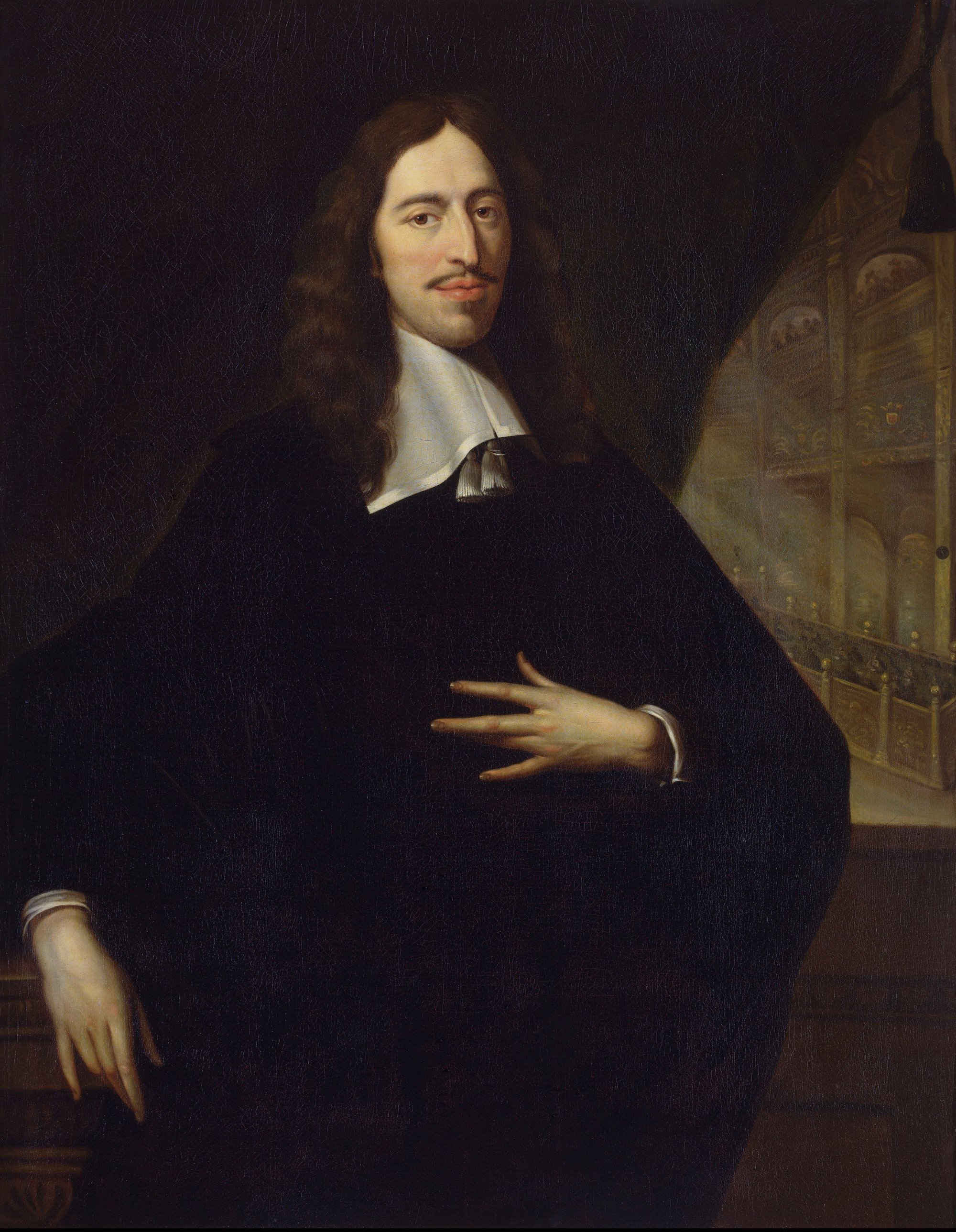
At the center of this conflict stood Johan de Witt, the leading voice of the republicans.
Two Camps, Two Visions
On one side was the States faction, dominated by wealthy patricians and merchants. They wanted power in the hands of the provincial States and urban regent families. Religion, in their view, should be moderate, politics pragmatic, and foreign policy designed to protect trade rather than win glory.
On the other side stood the Orange faction, drawn largely from the middle classes and Calvinist supporters. They favored a strong, unifying figure — the stadholder from the House of Orange — to counterbalance the rich regents, defend strict Calvinist influence, and act as a national leader in war.
Though the Orange princes themselves were rarely hardline Calvinists, they aligned with Calvinist opinion, which made them the natural champions of the discontented.

De Witt’s Republican Project
Johan de Witt became de facto leader of the Republic in 1653, during the First Stadtholderless Period that followed the death of William II of Orange. With no prince to contend with, he pushed a radical agenda.
He worked to keep the office of stadholder vacant, convinced that dynastic ambition clashed with the sober interests of merchants. In 1654, after the First Anglo-Dutch War, he helped draft the Act of Seclusion, secretly excluding the newborn William III from ever becoming stadholder of Holland.
Later, he went even further. In 1667, backed by key allies like Gaspar Fagel and his uncle Andries de Graeff, De Witt issued the Perpetual Edict, abolishing the governorship itself and declaring that no stadholder could also serve as Captain-General of the army. On paper, it was the final defeat of the House of Orange.
Winning Hearts — and Making Enemies
To justify this new order, De Witt publicly endorsed republican theory and encouraged works like The Interest of Holland, which spelled out a vision of peace, provincial autonomy and permanent limitation of princely power.
But these moves came at a cost. Among ordinary people, especially Orangist supporters, resentment grew. They saw De Witt as the architect of a system that shut out their chosen leader and concentrated power in the hands of a closed regent oligarchy.
The Reckoning of 1672
When the Republic was struck by sudden military disasters in 1672, this long-simmering conflict exploded. De Witt, the symbol of republican rule, was blamed. William III was called back as stadholder, the Perpetual Edict was swept aside, and republican ideology gave way to a surge of Orangist anger.
The brutal lynching of Johan and his brother Cornelis was more than an act of violence. It was the revenge of a political culture that had never accepted being ruled without its prince.