For 781 years, from 711 to 1492, al-Andalus was the name used for Muslim-ruled territories in the Iberian Peninsula. That span alone makes it one of the longest-running political and cultural stories in medieval Europe. Over those centuries, the borders of al-Andalus expanded, fractured, regrouped, and shrank again, until only Granada remained.
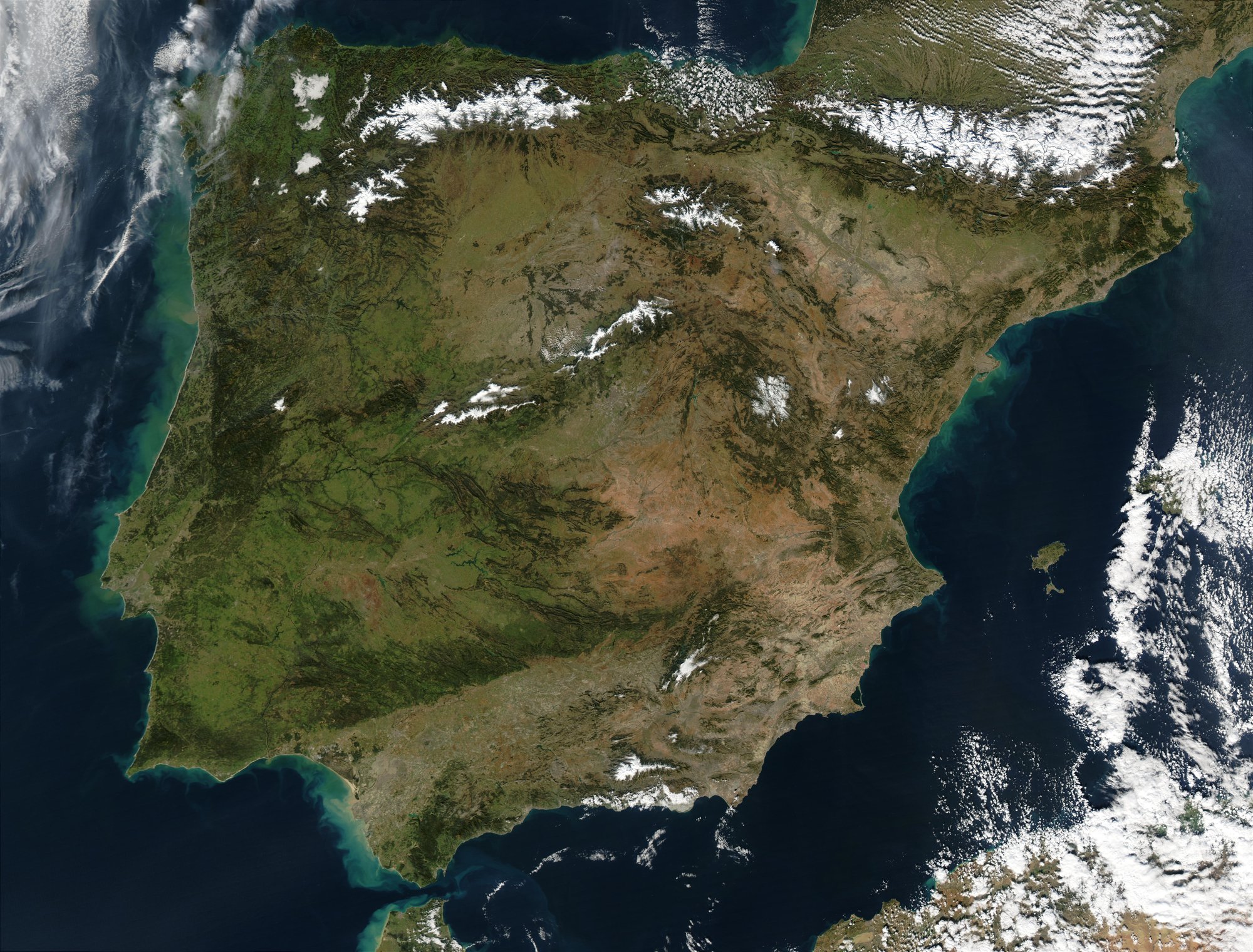
At its greatest extent, al-Andalus covered most of present-day Spain and Portugal and even extended into parts of southern France. But this was never a single, unchanging kingdom. It was a succession of different Muslim states and dynasties, each ruling in a different way and facing different pressures from within Iberia and beyond it.
Watch the story on DeepSwipe
What was al-Andalus?
Al-Andalus began after the army of Tariq ibn-Ziyad landed at Gibraltar on April 30, 711. After the defeat of the Visigothic king Roderic at the Battle of Guadalete in July that year, Muslim forces brought most of the Visigothic kingdom under their rule in a campaign that lasted seven years.
The new territory became part of the Umayyad Empire and was organized as a province. Its capital was set at Córdoba, a city that would later become one of the great urban centers of the medieval world.
The name al-Andalus referred not to one eternal regime, but to the Muslim-ruled lands of Iberia across many different political phases. Over time, it was ruled as:
- a province of the Umayyad Caliphate
- the Emirate of Córdoba
- the Caliphate of Córdoba
- several taifa periods, when many smaller kingdoms appeared
- the Almoravid and Almohad periods, when North African empires took control
- and finally the Nasrid Emirate of Granada
An emirate is a state ruled by an emir, while a caliphate is ruled by a caliph, a political and religious leader in the Islamic world. A taifa was a smaller independent Muslim kingdom that emerged when central power broke apart.

Why it lasted so long
One reason al-Andalus endured for nearly eight centuries is that it was constantly adapting. Even when it lost territory, it often reorganized rather than disappearing outright.
In its early decades, al-Andalus was shaped by a mix of Arabs, Berbers, and other Muslim groups. The first invading army led by Tariq consisted mostly of Berbers, while later forces under Musa ibn Nusayr included many Arab soldiers and non-Arab Muslim clients. These groups were settled across the peninsula, and their rivalries sometimes strengthened the frontier and sometimes destabilized the state.
The north of Iberia did not fully submit. Resistant Visigoths took refuge in the Cantabrian highlands, where the Kingdom of Asturias emerged. Over time, Christian kingdoms in the north expanded and pushed southward. This centuries-long pressure steadily changed the map.
Even so, al-Andalus was not simply a retreating power. It experienced periods of military recovery, internal consolidation, and major political rebirth.
It was never just one state
One of the most important things to understand about al-Andalus is that it was politically fluid. It changed form again and again.
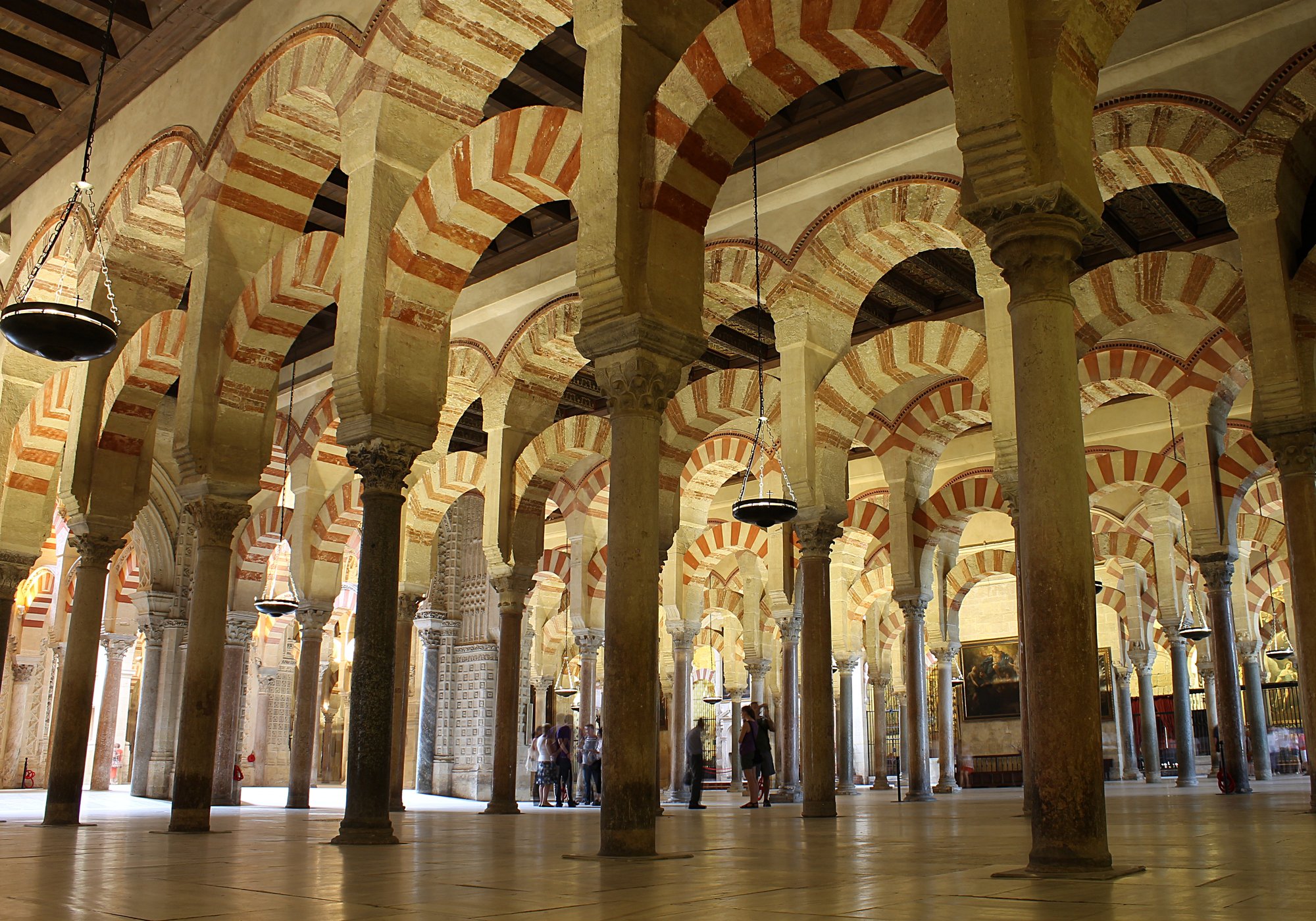
In 756, the exiled Umayyad prince Abd al-Rahman I established the Emirate of Córdoba after defeating Yūsuf al-Fihri and taking Córdoba. His rule brought stability after a troubled period. He built major public works, most famously the Mosque of Córdoba, and defended the emirate against rebellions and external threats.
Later rulers continued to strengthen the state. Abd al-Rahman II reorganized the bureaucracy and sponsored the growth of mosques, science, and art. But the emirate later weakened under rebellions and local revolts, especially during the time of Muhammad I and Abdullah ibn Muhammad al-Umawi.
Then came another dramatic shift. Abd al-Rahman III, who took power in 912, restored authority through force and diplomacy. After defeating major rebellions and reviving the prestige of Córdoba, he declared himself caliph in 929.
That move transformed al-Andalus from an emirate into the Caliphate of Córdoba, one of the most powerful states in the Mediterranean.
Córdoba: the city that became a giant
Under the Caliphate of Córdoba, the city of Córdoba became the star of al-Andalus. With a population of more than half a million, it eventually overtook Constantinople as the largest and most prosperous city in the world.
That scale mattered. Medieval cities of that size were rare, and Córdoba became known not only for wealth and power, but also for scholarship, trade, and artistic production.
It was a major center for the arts, medicine, science, music, literature, and philosophy. Important thinkers and scientists such as Abulcasis, known in Arabic as al-Zahrawi, and Averroes, known in Arabic as Ibn Rushd, were linked to this broader intellectual world. The region also helped transmit knowledge between the Islamic and Christian worlds, especially through later translation efforts connected with Toledo.
Córdoba’s prosperity was tied to trade as well. It exchanged goods across the Mediterranean, including luxury items such as silk, ceramics, and gold, along with essential goods like grain, olive oil, and wine. Merchants from places such as Amalfi were active there, and trade connected the city to Fatimid Egypt and Byzantine markets.
The caliphal court also stimulated artistic production. Official workshops produced luxury goods, including famous carved ivory boxes decorated with vegetal, figurative, and epigraphic motifs.
The collapse of the caliphate
Golden ages do not last forever. The Caliphate of Córdoba collapsed during a destructive civil war between 1009 and 1013. In 1013, invading Berbers sacked Córdoba, massacred inhabitants, pillaged the city, and burned the palace complex.
This was one of the great turning points in the history of al-Andalus. Although the caliphate was not formally abolished until 1031, central rule had effectively fallen apart.
In its place came the taifa kingdoms, smaller rival states such as Badajoz, Toledo, Zaragoza, and Granada. Some became wealthy and culturally vibrant, but politically they were often too divided to resist pressure from the Christian kingdoms to the north and west.
The Taifa of Seville, for example, rose to great prominence and conquered a dozen lesser kingdoms, becoming the most powerful of the taifas for a time. But overall, fragmentation made al-Andalus more vulnerable.
Outside empires and a shrinking map
After the Christian capture of Toledo in 1085, the taifa rulers sought help from the Almoravids, a Berber empire based in Marrakesh. Almoravid leader Yusuf Ibn Tashfin defeated Alfonso VI at the Battle of Sagrajas, but he later turned from protector to conqueror, annexing most of the taifas.
The Almoravids were later overthrown in North Africa by the Almohads, another Berber dynasty, who also took control of al-Andalus. For a time, the Almohads reversed Christian advances, including a major victory at the Battle of Alarcos in 1195.
But in 1212, a coalition of Christian kings defeated the Almohads at the Battle of Las Navas de Tolosa. After that, Muslim rule in Iberia rapidly contracted. Córdoba fell in 1236. Seville fell in 1248. Other Muslim city-states survived only briefly as vassals.
By then, only Granada remained unconquered.
The last chapter: Granada
From the mid-13th century until 1492, the Emirate of Granada was the last Muslim state on the Iberian Peninsula. Ruled by the Nasrid dynasty, it survived far longer than many might expect.
Granada endured in part because of diplomacy, tribute payments to Castile, Mediterranean trade, and geography. The Sierra Nevada acted as a natural barrier, and the emirate was integrated into trade networks linking the Atlantic and Mediterranean. It also became a refuge for Muslim populations fleeing territories conquered by Christian kingdoms, helping the city grow into one of the largest in Europe during the 15th century.
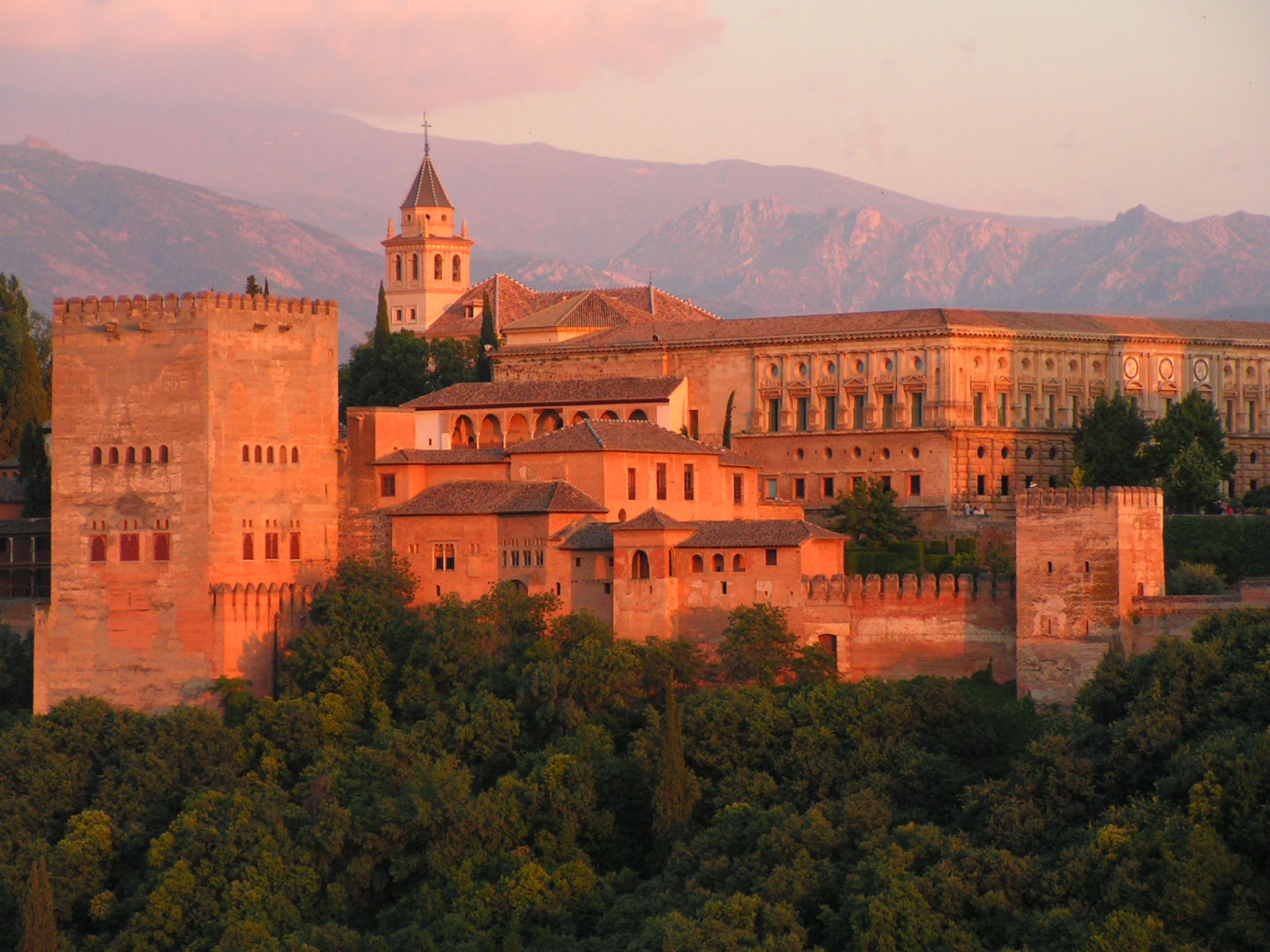
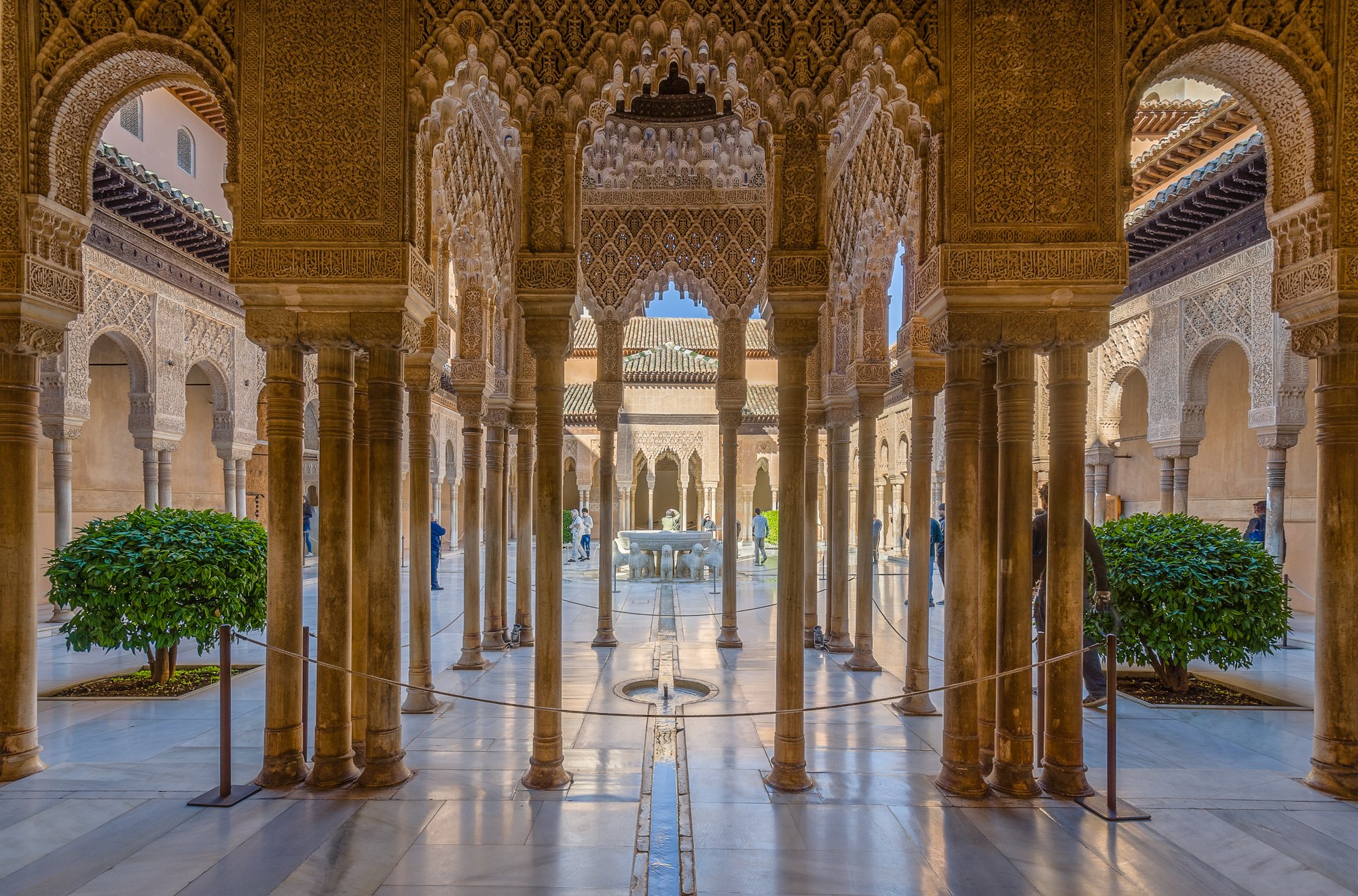
Its most visible legacy is the Alhambra, the Nasrid fortified palace complex in Granada.
The final turning point came after Isabella of Castile and Ferdinand of Aragon ruled a united Castile and Aragon. Granada could no longer exploit divisions between rival Christian kingdoms. The final war began in earnest in 1482, and on January 2, 1492, the last Nasrid ruler, Muhammad XI, formally surrendered Granada to the Catholic Monarchs.
That surrender ended nearly eight centuries of Muslim rule in Iberia.
Why al-Andalus still matters
Al-Andalus was not just a medieval state with shifting borders. It was a major center of urban life, trade, scholarship, and cultural exchange. Its story includes conquest and collapse, but also long-lasting achievements in science, architecture, philosophy, and literature.
From the rise of Córdoba to the fall of Granada, al-Andalus shaped the history of Iberia and the wider Mediterranean for centuries. Its timeline is long, but its transformations are what make it truly remarkable: one name, many states, and a history that kept rewriting itself until 1492.