Between about 500 and 1500 CE, the world was being rewired. Trade routes thickened, religions spread across continents, and ideas traveled farther than ever before. One of the biggest engines behind that transformation was the rise of Islam and the caliphates that followed it.
A caliphate was a large state ruled by a caliph, a Muslim leader. As Islam expanded from the Arabian Peninsula, a series of caliphates emerged across the Middle East, North Africa, and beyond. These states did more than conquer territory. They helped connect regions that had often been politically divided, encouraged long-distance trade, and became major channels through which knowledge moved across Afro-Eurasia.
This was one reason the period saw what is often called the Islamic Golden Age: a flourishing of science, scholarship, and cultural exchange that influenced lands far beyond the Islamic world itself.
How Islam spread so quickly
Islam began between 610 and 632, with a series of revelations to Muhammad. It helped unify the warring Bedouin clans of the Arabian Peninsula. The Bedouins were nomadic Arab groups who lived in a harsh desert environment and had long competed over scarce resources.
The timing mattered. In the 5th and early 7th centuries, the Middle East was dominated by two major powers: the Byzantine Empire and the Persian Sasanian Empire. These rivals had fought one another repeatedly, and the long Byzantine–Sasanian War of 602–628 left both states weakened.
Into that opening came a new political and religious force. In a rapid wave of Muslim conquests, the Rashidun army took most of the Middle East, seized more than half of Byzantine territory, and completely engulfed Persia. Later caliphates, including the Rashidun, Umayyad, and Abbasid Caliphates, unified vast territories stretching across North Africa, Persia, Central Asia, and beyond.
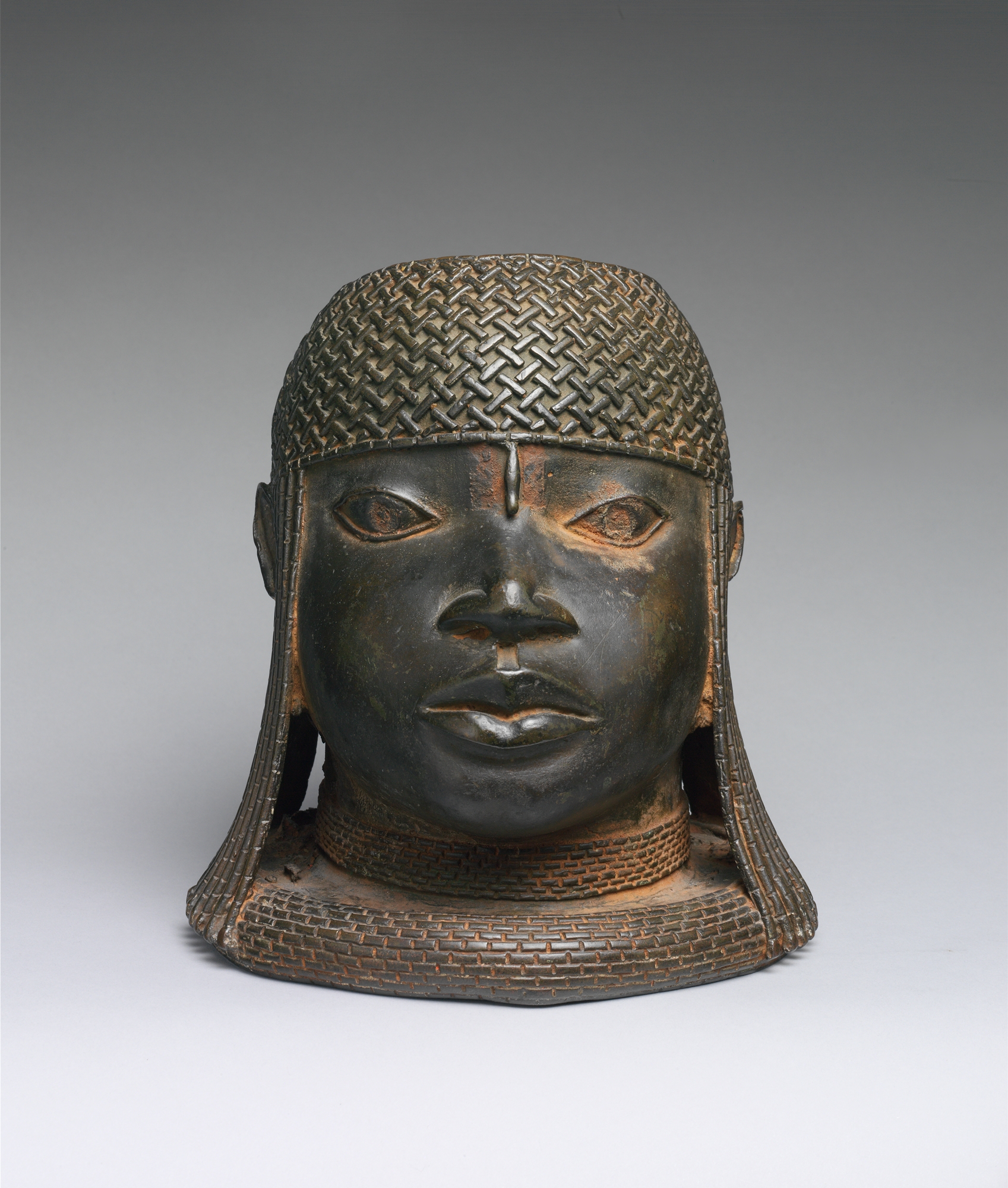
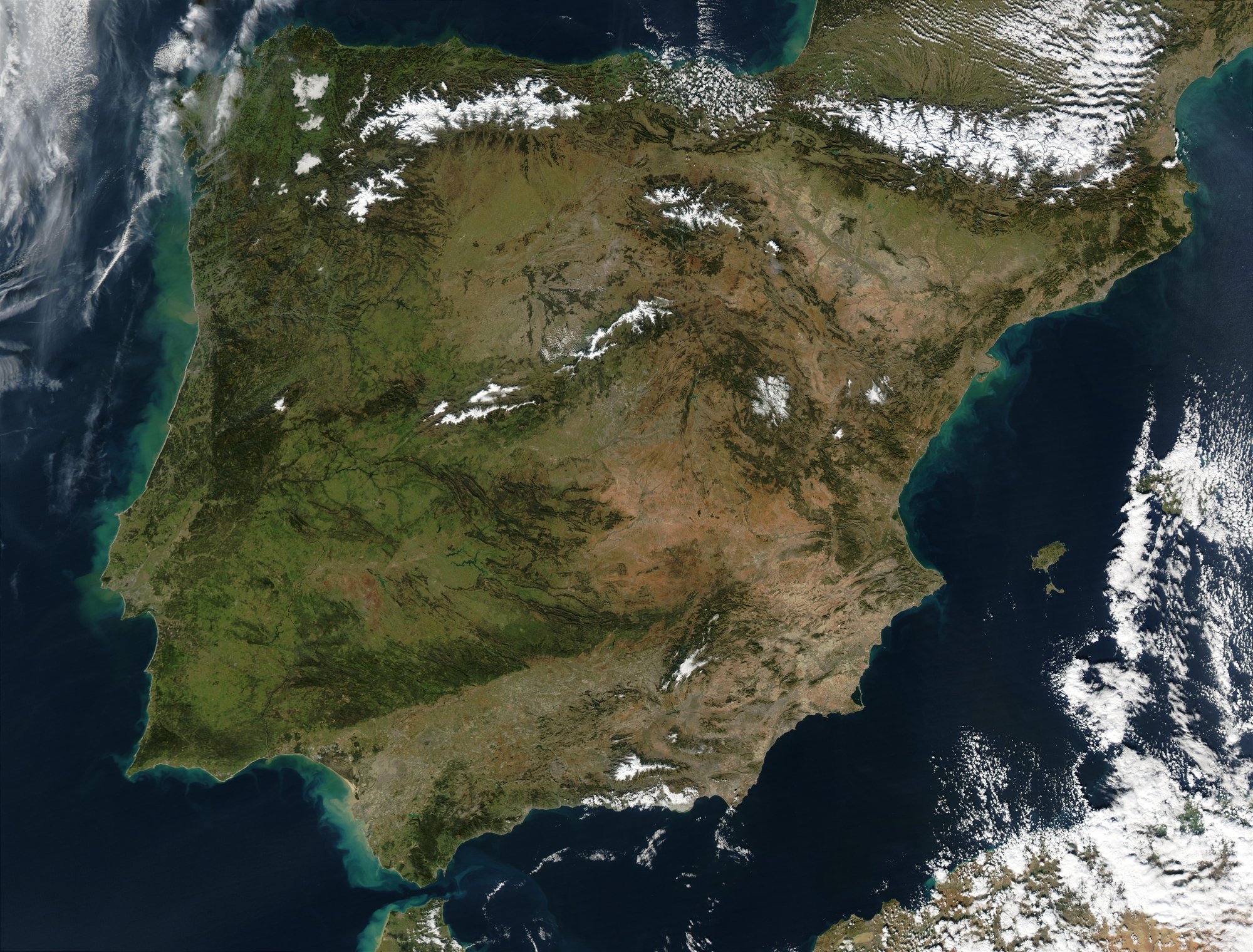
Islam also spread west across North Africa and the Iberian Peninsula, and east across Persia, Central Asia, India, and Indonesia. By the end of the post-classical period, Islam had become one of the great universal religions of the Old World, alongside Christianity and Buddhism.

The caliphates were more than empires
What made the caliphates so important was not only their size, but their position. They sat across some of the most vital trade routes in the world, linking the Mediterranean, the Middle East, Central Asia, the Indian Ocean, and parts of Africa.
That made the Islamic world a crossroads.
Trade networks between western Europe, Byzantium, early Russia, the Islamic empires, and East Asia expanded during this era. The Islamic empires adopted many Greek, Roman, and Indian advances and spread them through their sphere of influence, helping these ideas reach Europe, North and West Africa, and Central Asia.
Islamic sea trade also tied together the Indian Ocean and the Mediterranean. In the Mediterranean, Islamic commercial power replaced Byzantium as the leading connector in many routes. This mattered because trade was never only about goods. It also carried languages, beliefs, technologies, and habits of thought.
In the medieval world, merchants and scholars often moved through the same networks.
Why the Islamic Golden Age mattered
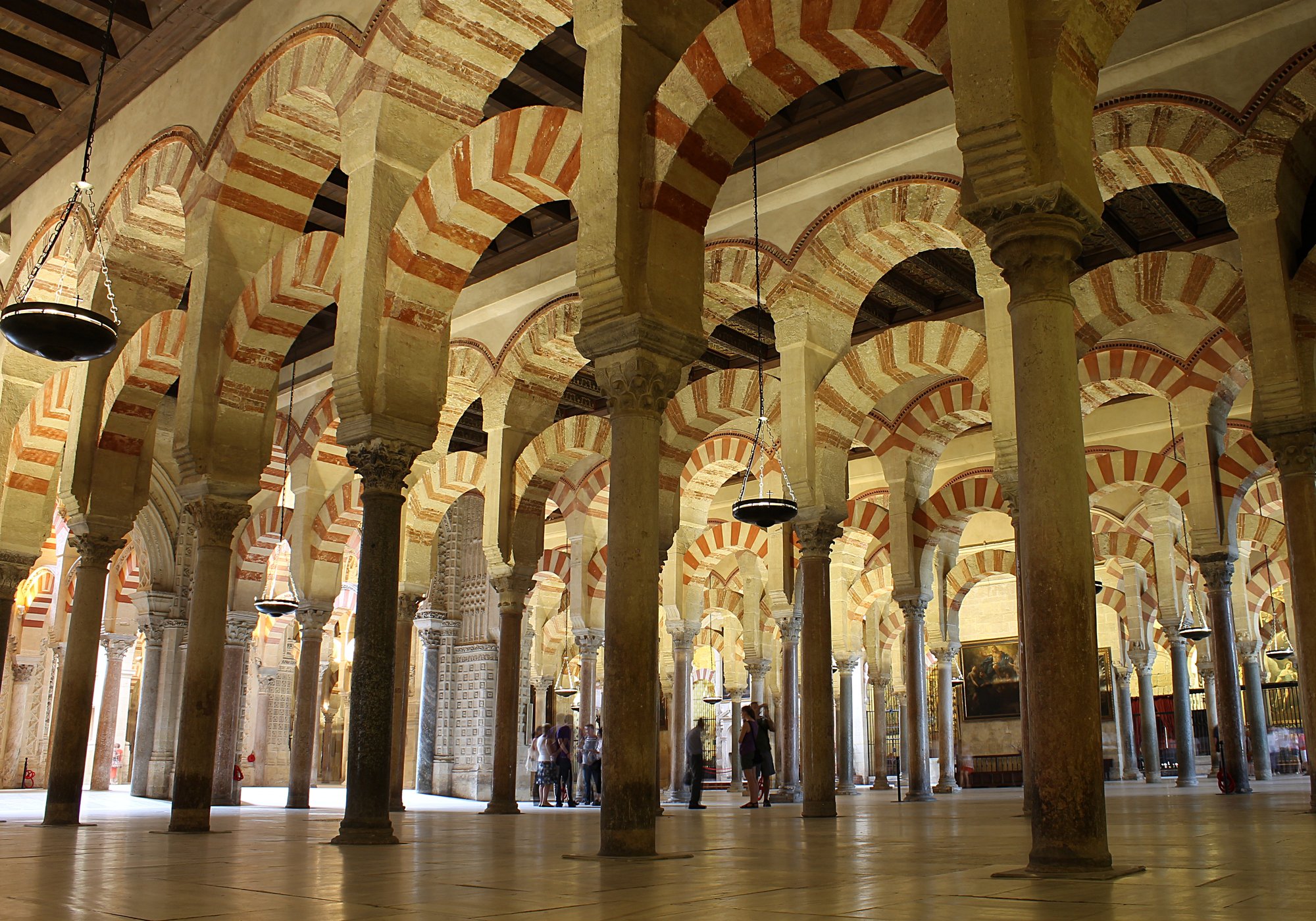
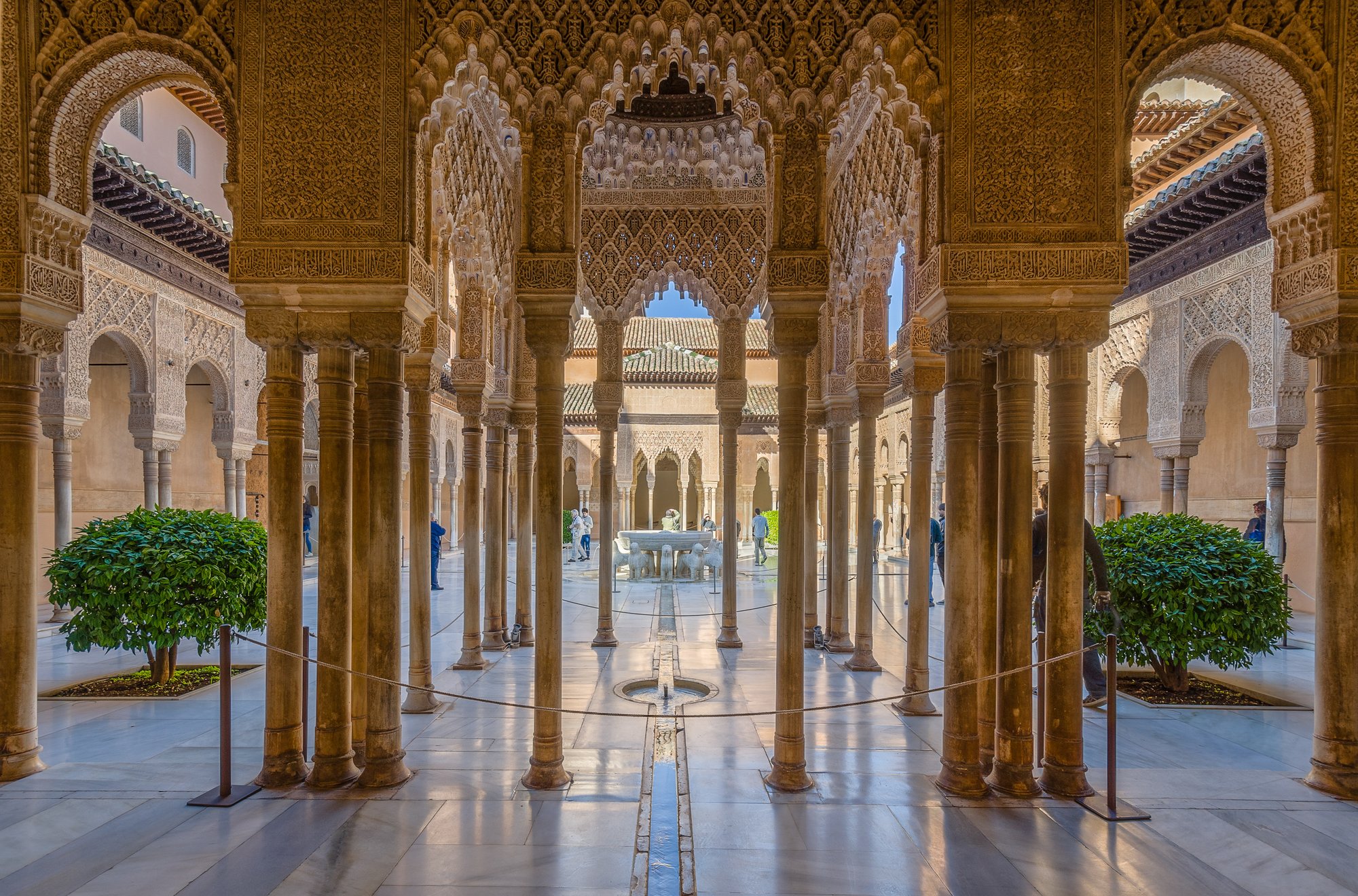
After Muhammad introduced Islam, Middle Eastern culture entered what became known as the Islamic Golden Age. This period is associated with achievements in architecture, the revival of older scientific and technical knowledge, and the development of a distinct way of life.
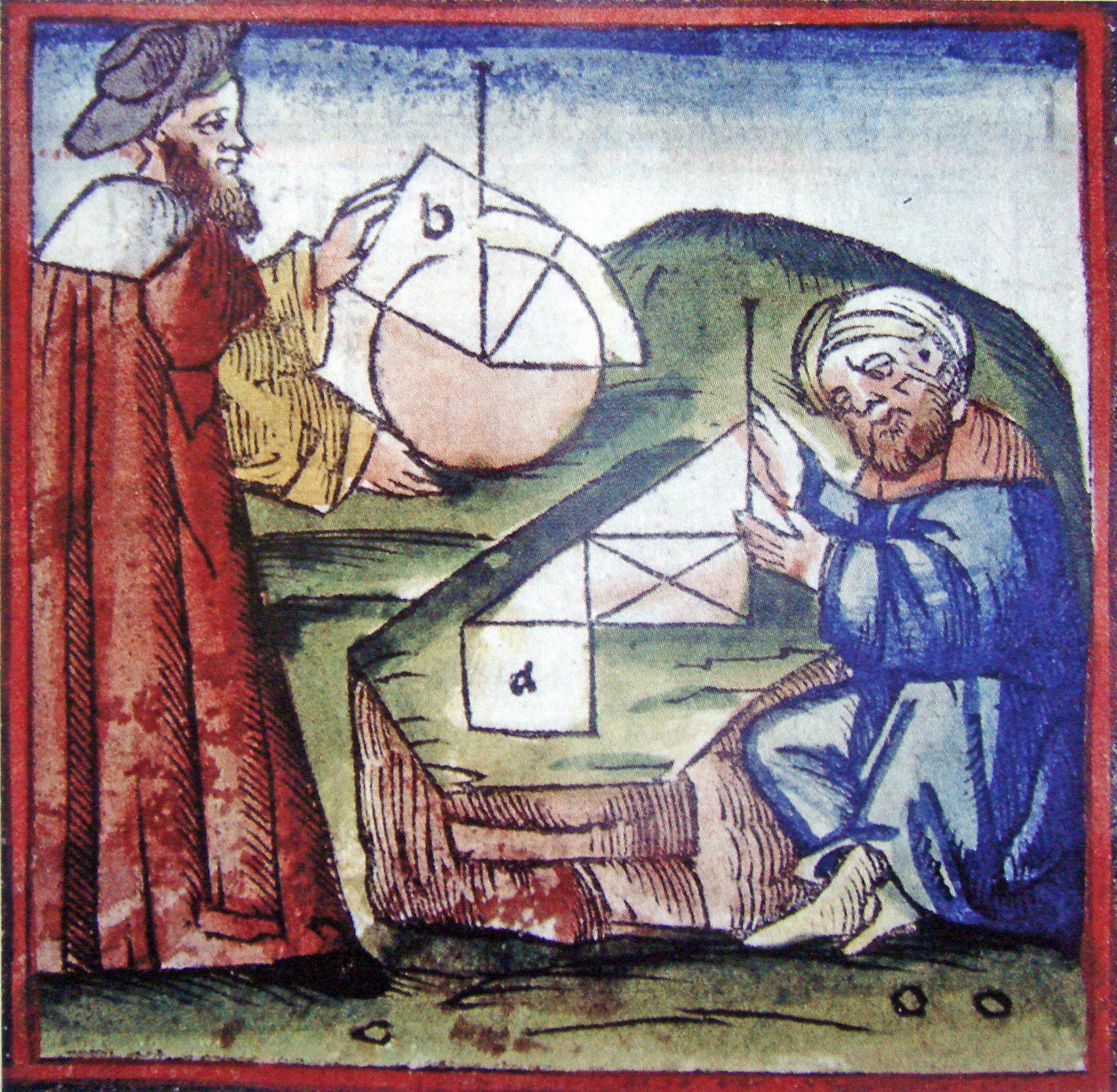
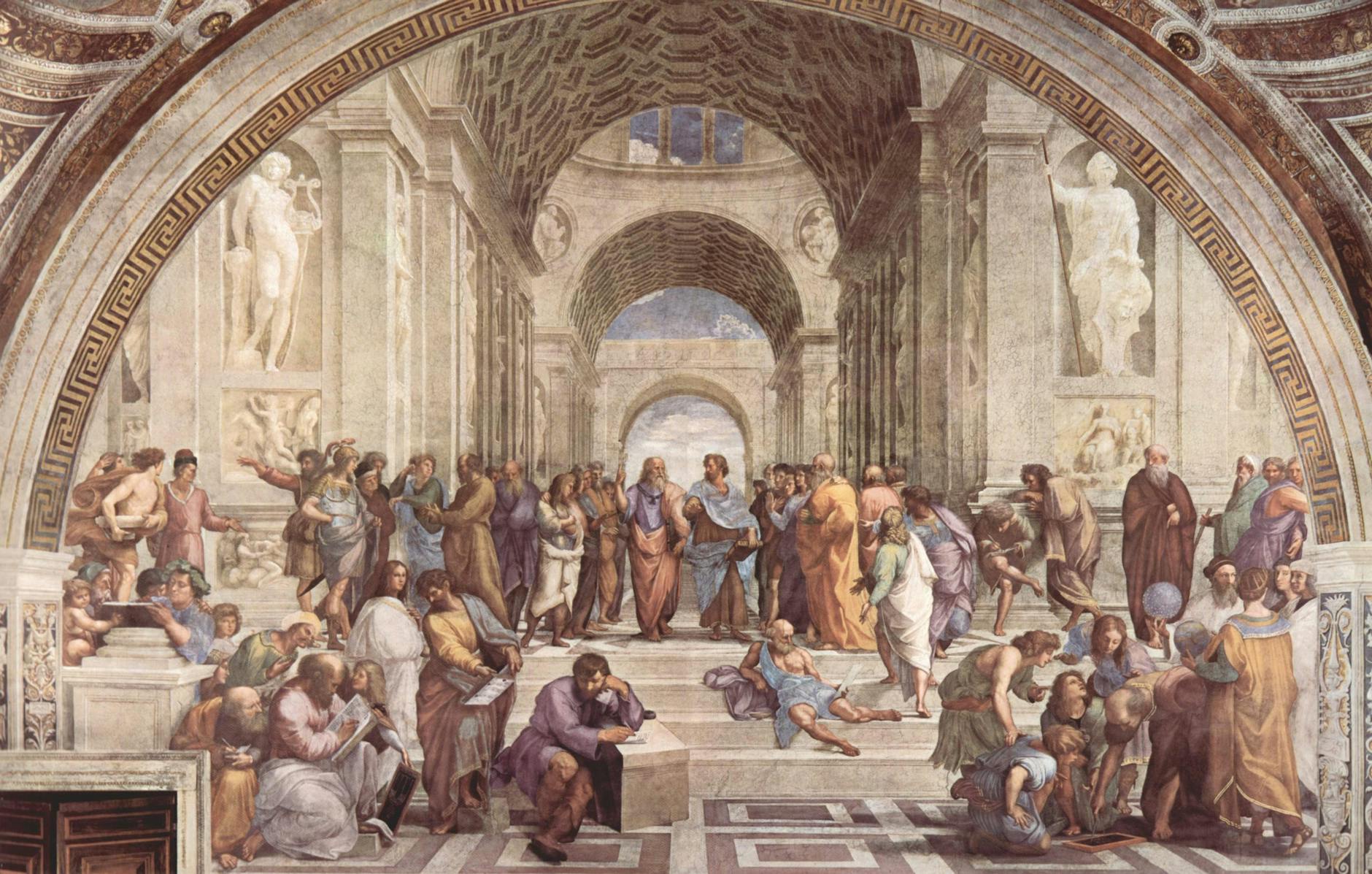
Muslim scholars preserved and spread Greek advances in medicine, algebra, geometry, astronomy, anatomy, and ethics. In simple terms, this means that intellectual traditions from the classical Mediterranean world were studied, transmitted, and carried into new settings instead of disappearing.
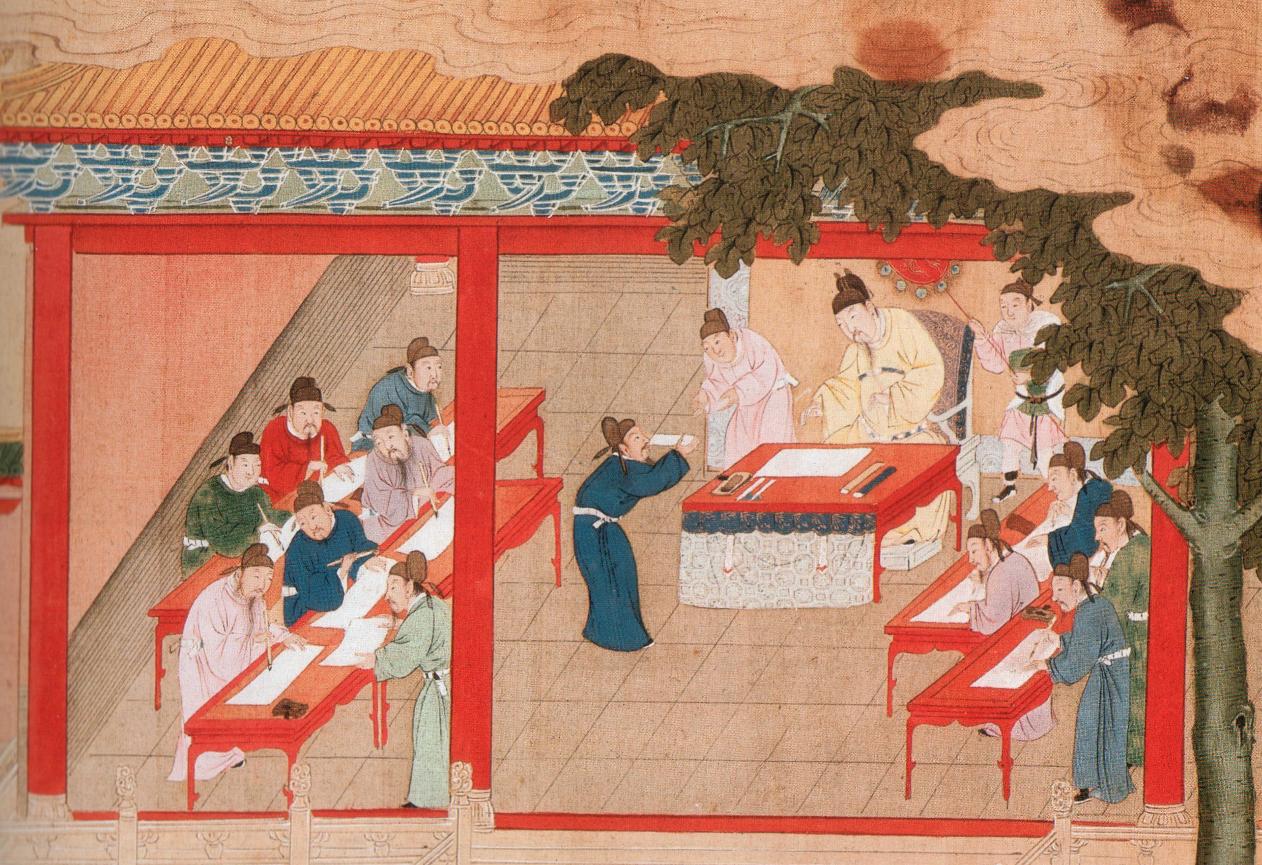
The Islamic world also absorbed knowledge from other regions. It took medical knowledge from South Asia. Through Persian trade in China and the battle of the Talas River, Chinese innovations entered the Islamic intellectual world as well. These included advances in astronomy and papermaking.
This is what made the Islamic world such a remarkable knowledge zone: it was not just storing old ideas, but gathering, translating, and moving knowledge between civilizations.
Translation, transmission, and the movement of ideas
The spread of ideas across Eurasia usually did not happen in isolation. It happened through conquest, trade, diplomacy, and translation.
That was especially true in the Islamic world. Knowledge moved westward through trade and war from Eastern Eurasia, especially from China, by way of Arab intermediaries. Scientific information from diverse cultures was brought together across connected regions, often through translations of written documents.
The result was a world in which learning became mobile.
Greek thought circulated into Islamic lands. Chinese inventions entered Islamic intellectual life. Medical ideas from South Asia were taken up as well. Later, some of this knowledge found its way into Christian Europe. The Crusades, for example, brought Islamic science, technology, and goods to Western Europe. Classical European science was also reintroduced to Christian kingdoms through these interactions.
This was not a one-way process. It was a chain of exchange.
How paper changed the map of knowledge
One of the clearest examples of technological transfer is papermaking.
Paper-making spread from China through the Islamic world as far west as Islamic Spain, before paper-making was acquired for Europe by the Reconquista. That long journey shows how technologies could move across continents over centuries.
Papermaking may sound ordinary today, but it mattered enormously in a literate civilization. A writing material that can be produced and circulated more widely helps administration, scholarship, copying, and communication. When paper moved, the capacity to record and transmit knowledge moved with it.
In that sense, paper was not just a material. It was infrastructure for learning.
The Silk Road and the Islamic crossroads
The Silk Road played a major role in this wider story. It connected China to the Roman world and to the regions in between. It encouraged cultural exchange, the learning of new languages, and the spread of goods, religion, and disease.
The Islamic world stood astride crucial parts of these routes. Muslim teachings from Arabia and Persia reached East Asia. Buddhism spread along connected routes from India to China and Central Asia. Pilgrimage also helped tie Afro-Eurasia together, as people moved for religious reasons as well as commercial ones.
Political change could either support or disrupt these routes. The rise of Islam altered how the Silk Road functioned. Later, in the 13th century, the Mongol Empire created a new period of relative security across Central Asia, allowing trade, cultures, ideas, and disease to travel more easily between Asia, Europe, and Africa.
That reminder matters: the same routes that spread scholarship could also spread plague.
Science thrived in a connected world
The term post-classical science is often used to study medieval European science and medieval Islamic science together because of their interactions. That reflects a basic truth: scientific development in this era was deeply interconnected.
In both the Islamic world and the Christian West, scholars placed importance on preserving the rationalist Greek tradition, especially figures such as Aristotle. But the Islamic world was especially important as a meeting point. It drew in ideas from Greece, South Asia, and China, then circulated them onward.
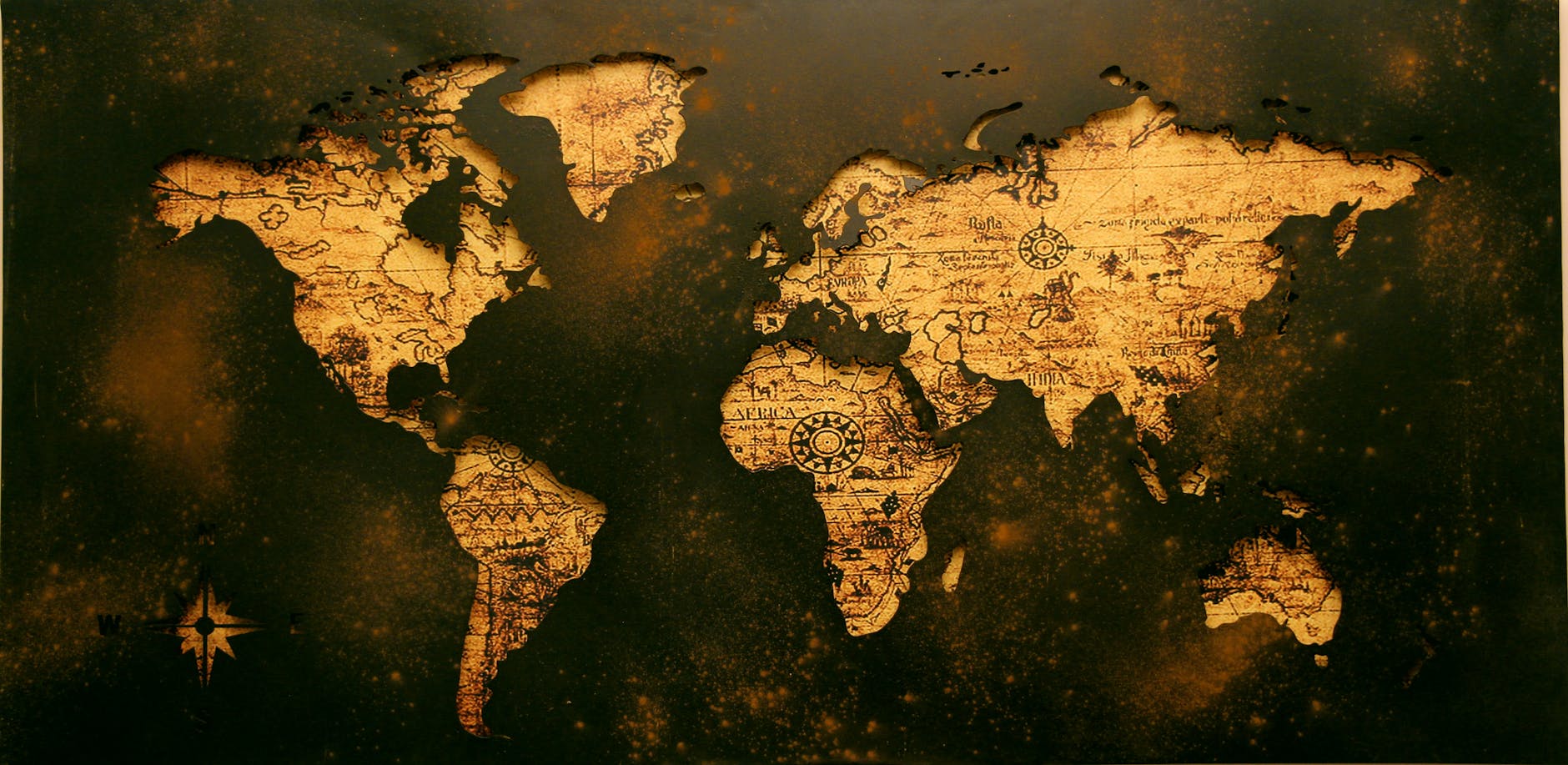
Even cartography, the making of maps, reflects this exchange. In 1303, under the Mongol Yuan dynasty, Chinese and Islamic cartography were combined to make a map that likely included all of Eurasia, including western Europe. Although that map is now lost, it influenced Chinese and Korean geographical knowledge for centuries.
The broader point is simple: medieval science did not belong to a single civilization. It developed through contact.
Then came the Seljuks, Crusaders, and Mongols
Arab political dominance did not last forever. In the mid-11th century, the Seljuk Turks arrived from Central Asia and conquered Persia, Iraq, Syria, Palestine, and the Hejaz. They captured Baghdad in 1055.
Soon after, Western European Crusaders entered the region. In 1099, the First Crusade captured Jerusalem and established the Kingdom of Jerusalem, which survived until 1187, when Saladin retook the city. Smaller crusader states lasted until 1291.
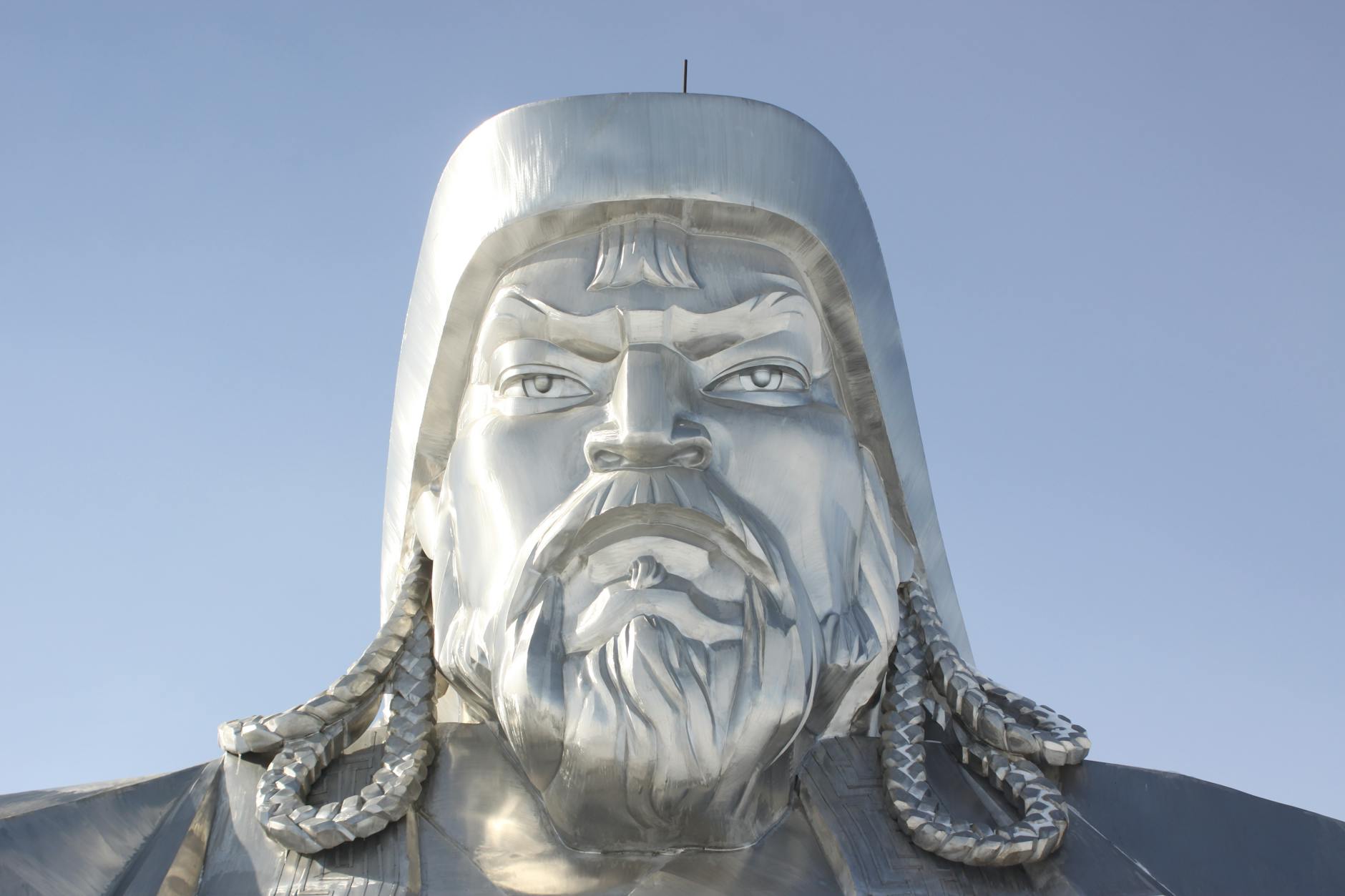
Then came the Mongols in the early 13th century. Their armies swept through the region, sacked Baghdad, and advanced as far south as the border of Egypt. Later, in 1401, Timur’s raids brought further devastation.
These invasions shattered political stability, but they did not erase the deeper networks of exchange that had already formed. Intellectual and commercial linkages continued to shape Eurasia long after dynasties rose and fell.
Why this story matters
The rise of Islam and the caliphates was one of the defining developments of post-classical history. It transformed the Middle East into a central zone of exchange, connected far-flung regions through trade, and helped knowledge move between Greek, Indian, Chinese, African, and European worlds.
The Islamic Golden Age was not a miracle of isolation. It was the product of connection: of trade routes, translations, conquests, and scholarly transmission. Paper moved west. Science crossed languages. Ideas survived because people carried them.
In that sense, the caliphates did more than rule territory. They helped build one of the great knowledge networks of the medieval world.