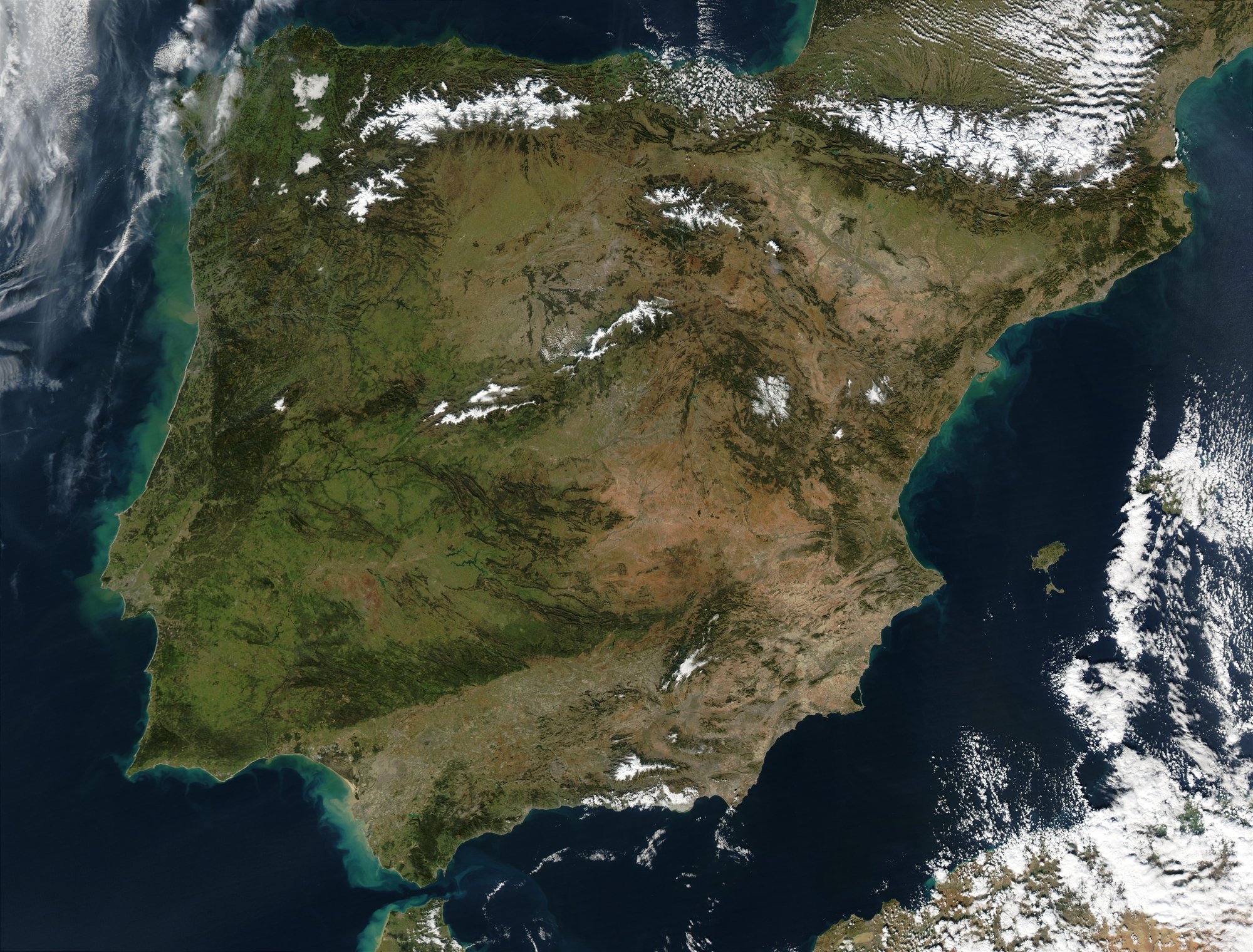
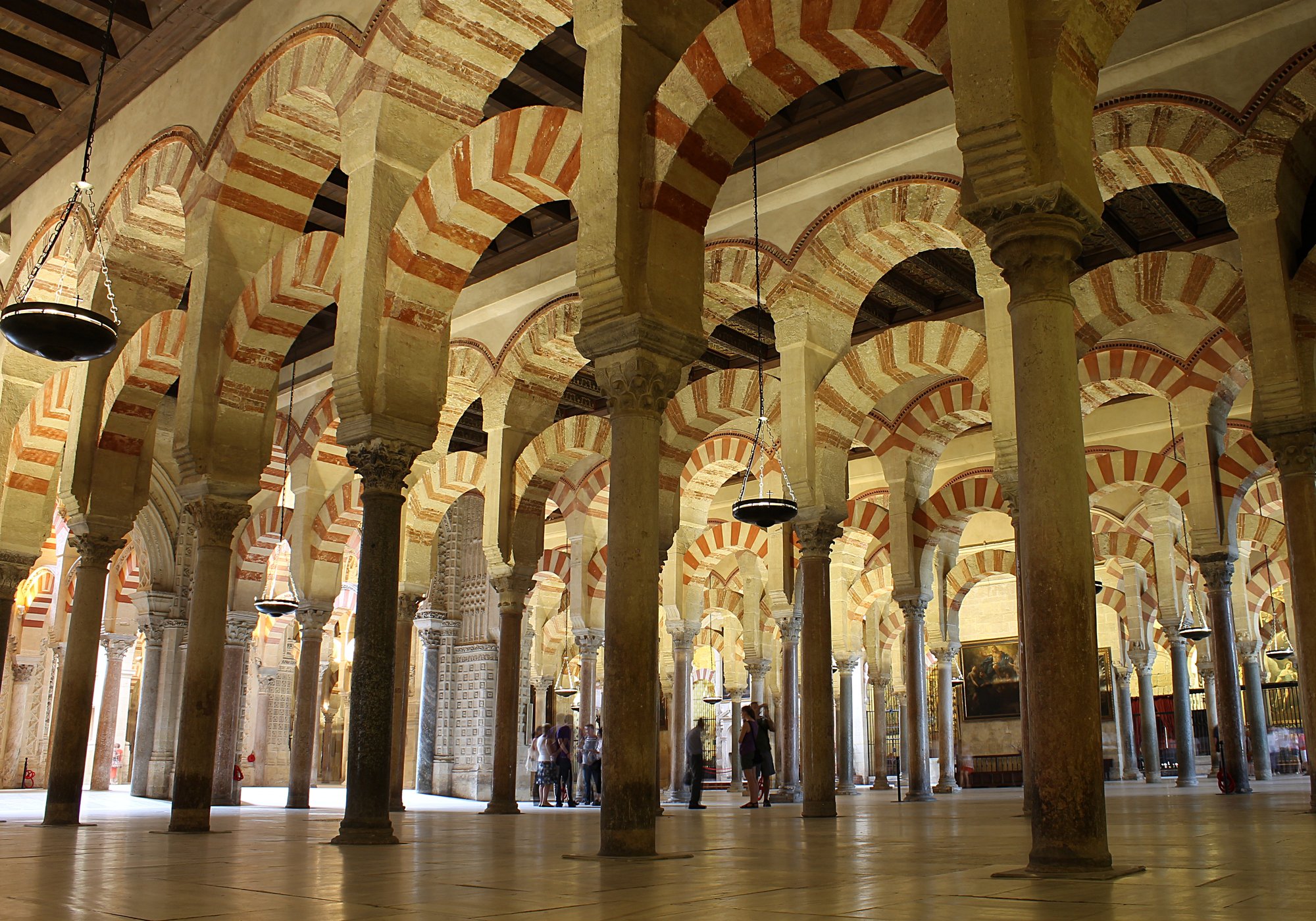
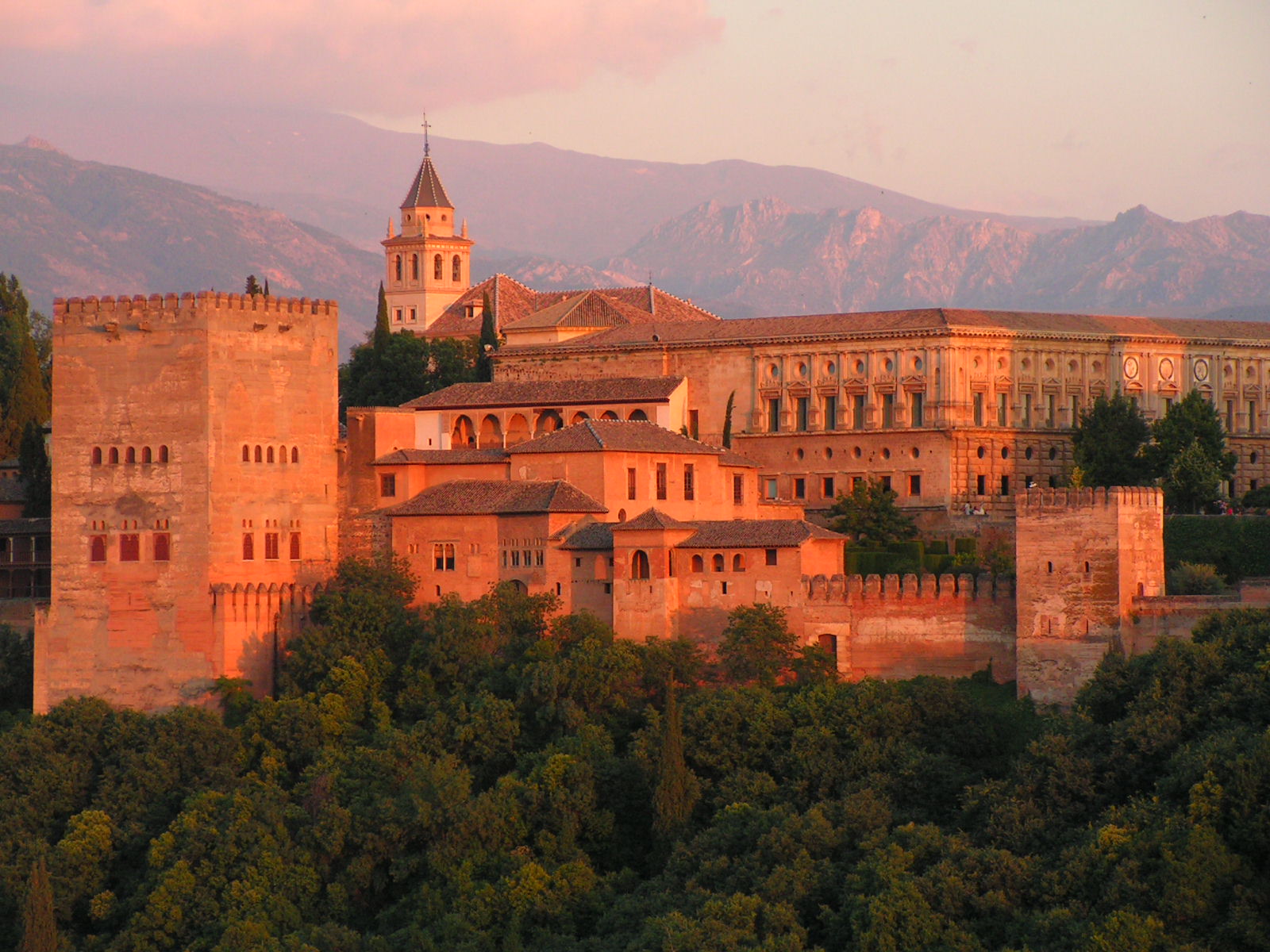
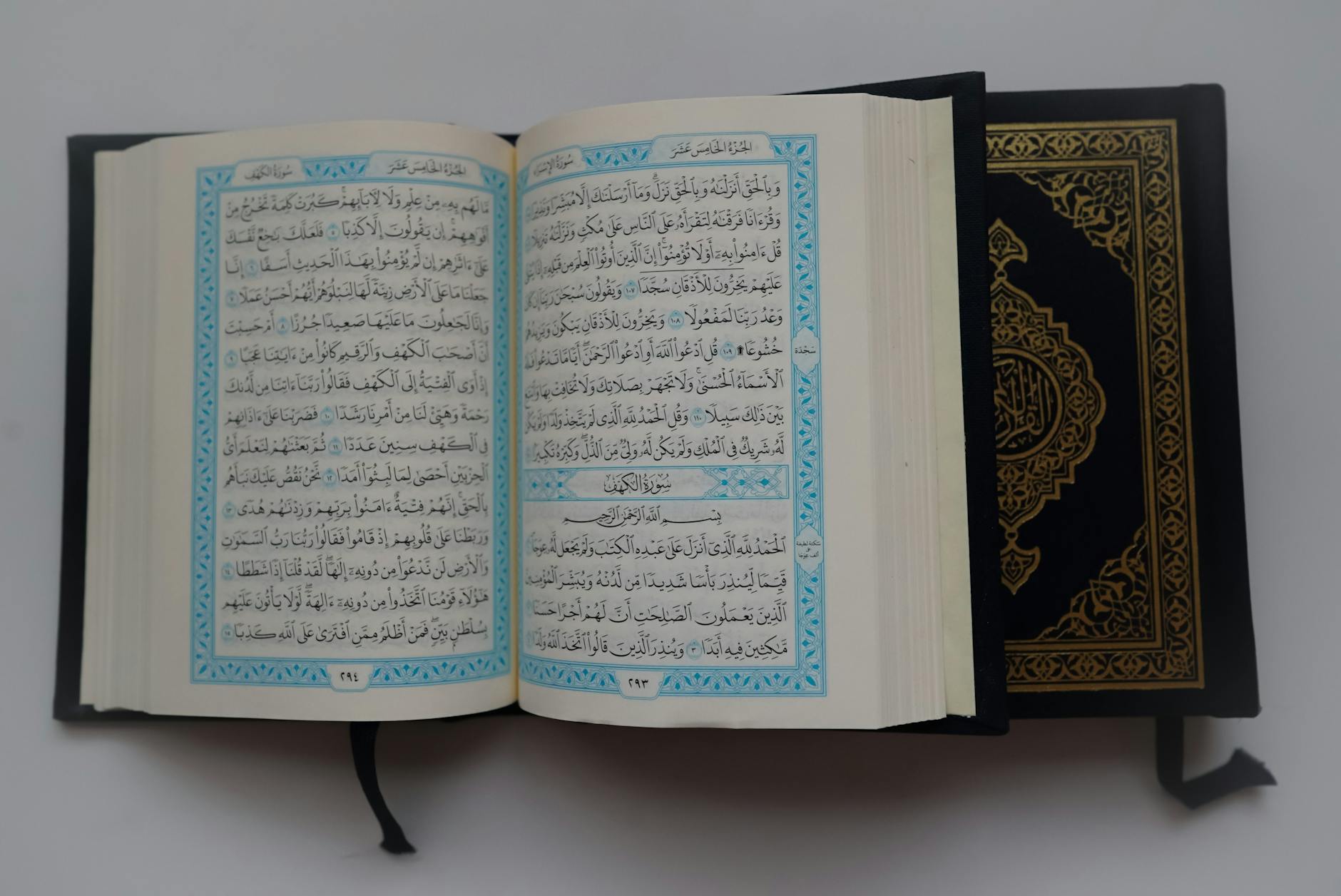
Al-Andalus was more than a medieval territory on the Iberian Peninsula. It was also a social world where religion, language, and daily life overlapped in striking ways. Muslims, Christians, and Jews lived in the same cities, moved through the same markets, and often participated in the same wider culture. Over centuries, this produced one of the most multilingual societies in medieval Europe.
The result was not a simple melting pot. Al-Andalus was shaped by conquest, migration, political power, and social hierarchy. Yet within that complex setting, Arabic, Romance, Latin, Hebrew, and Berber all had a place. That constant contact between languages helped transform literature, scholarship, and identity itself.
A Shared Peninsula, but Not a Simple Society
The society of al-Andalus included three main religious communities: Muslims, Christians, and Jews. Muslims were the dominant political group for much of its history, but they were not all the same. The population included Arabs and Berbers, and the article also describes groups such as Muladies or Muwalladun, meaning local Iberian people who had converted to Islam, and Mozarabs, Christians who lived under Muslim rule while keeping their own Christian rituals.
These groups often lived in distinct neighborhoods in the cities. Social rank mattered. Arabs stood at the top of the social scale described in the text, followed by Berbers, Muladies, Mozarabs, and Jews. Even within the Muslim population, ethnic divisions remained important, especially the distinction between Arabs and Berbers.
Still, everyday coexistence created a shared environment. Literacy was widespread by the standards of the medieval West, and al-Andalus became known for scholarship, libraries, poetry, medicine, and philosophy. This was a place where different communities could contribute to a larger intellectual culture, even if they did not hold equal status.

How Arabic Spread Across Al-Andalus
Arabic arrived with the Umayyad conquest of Hispania in 711. It did not replace other languages overnight. The shift was gradual and tied to long-term social change, especially conversion to Islam and the growth of Arabic as the language of administration, literature, and prestige.
At first, most people spoke Romance dialects. These Iberian Romance varieties are collectively called Andalusi Romance or Mozarabic. A Romance language is a language descended from Latin, the language of the Roman world. In al-Andalus, these local forms of speech continued for generations.
Over time, Arabic became increasingly important. It served government and high culture, and by the end of the 9th century it was widely adopted even by many Christians and Jews. This matters because it shows that Arabic was not only the language of rulers. It became the common medium of a broader society.
The Arabic spoken in al-Andalus was not identical to formal Classical Arabic. The text distinguishes between vernacular Andalusi Arabic and formal Classical Arabic. A vernacular is an everyday spoken form of a language, while a formal register is the more standardized form used in writing, scholarship, or official settings. Andalusi Arabic belonged to the wider Maghrebi Arabic family and was shaped by contact with Romance speech, just as Arabic also influenced later Spanish.
A Truly Multilingual World
One of the most fascinating features of al-Andalus was multilingualism. The article describes multilingualism, language contact, and code-switching as important features of life there.
Multilingualism means using more than one language. Language contact happens when speakers of different languages interact regularly. Code-switching means moving between languages depending on the situation, audience, or purpose. In a place like al-Andalus, this could happen at home, in trade, in worship, or in scholarship.
The linguistic landscape included:
- vernacular Andalusi Arabic
- formal Classical Arabic
- Andalusi Romance
- formal Latin
- Hebrew
- Berber, referred to in sources as al-lisan al-gharbi, or “the western tongue”
Multilingual households are specifically described as an attested phenomenon. That means some families really did live with more than one language in daily use. This kind of close contact helps explain how language can change quickly across generations.
Christians and Jews in an Arabic Cultural Sphere
One of the clearest signs of cultural mixing in al-Andalus is that Arabic spread beyond the Muslim community. Christians and Jews widely adopted it by the late 9th century. Jews even wrote Arabic in Hebrew letters, though the text notes they did not have a distinct dialect of Arabic of their own.
This did not mean older identities disappeared at once. Mozarabs remained Christians and preserved Christian and Latin rituals, while also adopting many Arab customs, artistic forms, and vocabulary. Jews remained an important and influential community, active in trade, medicine, diplomacy, and scholarship.
For long periods, especially under Abd-ar-Rahman III and Al-Hakam II, Jewish life prospered. Southern Iberia became an asylum for oppressed Jews from other countries, and al-Andalus emerged as a major center of Jewish intellectual life in the early Middle Ages.
This combination is part of what makes al-Andalus so historically compelling: religion, language, and culture did not always map neatly onto each other.
How Arabic Changed Hebrew Poetry
The linguistic mixing of al-Andalus did more than help people communicate. It changed literary traditions.
Hebrew literary culture was transformed through contact with Arabic and its poetic models. Jewish writers composed Hebrew poetry using Arabic prosodic models. Prosody means the patterns of rhythm, meter, and sound in poetry. They also adopted a wide range of Arabic poetic genres and stylistic devices.
In other words, Hebrew poetry in al-Andalus was still Hebrew, but its form was deeply shaped by Arabic literary culture. Jewish poets looked to Biblical Hebrew as their source of elevated language, much as Muslim writers looked to Quranic Arabic. This parallel helped create a rich and highly self-conscious literary environment.
The broader Arabic poetic scene in al-Andalus was also innovative. Poetry was considered the leading literary genre, and new strophic forms such as the muwashshah emerged. A strophic poem is one built from repeated sections or stanzas. The muwashshah became one of the major Andalusi poetic innovations, while the zajal developed as strophic poetry in vernacular Andalusi Arabic. These forms show that literary creativity in al-Andalus was closely tied to its multilingual setting.
From Bilingual Worlds to Arabic Dominance
The language history of al-Andalus was not static. It shifted with politics, migration, and conquest.
By the 10th century, the text says a massive conversion of Christians had taken place, and Muladies formed the majority of Muslims. As more people converted and adopted Arabic, bilingualism changed shape. The Muwalladun had once spoken local Romance dialects while increasingly adopting Arabic. Over time, the balance tipped further toward Arabic.
By about 1260, after the Almohad period, most Christians had migrated north and Muslim territory in Iberia had shrunk to the Emirate of Granada. In Granada, more than 90 percent of the population had converted to Islam, and Arabic-Romance bilingualism seems to have largely disappeared.
This is the deeper lesson of al-Andalus: languages do not spread only because of grammar or beauty. They spread through institutions, migration, prestige, faith, administration, and daily necessity. A bilingual society can endure for centuries, then fade as political and demographic conditions change.
Granada and the Final Stage of Change
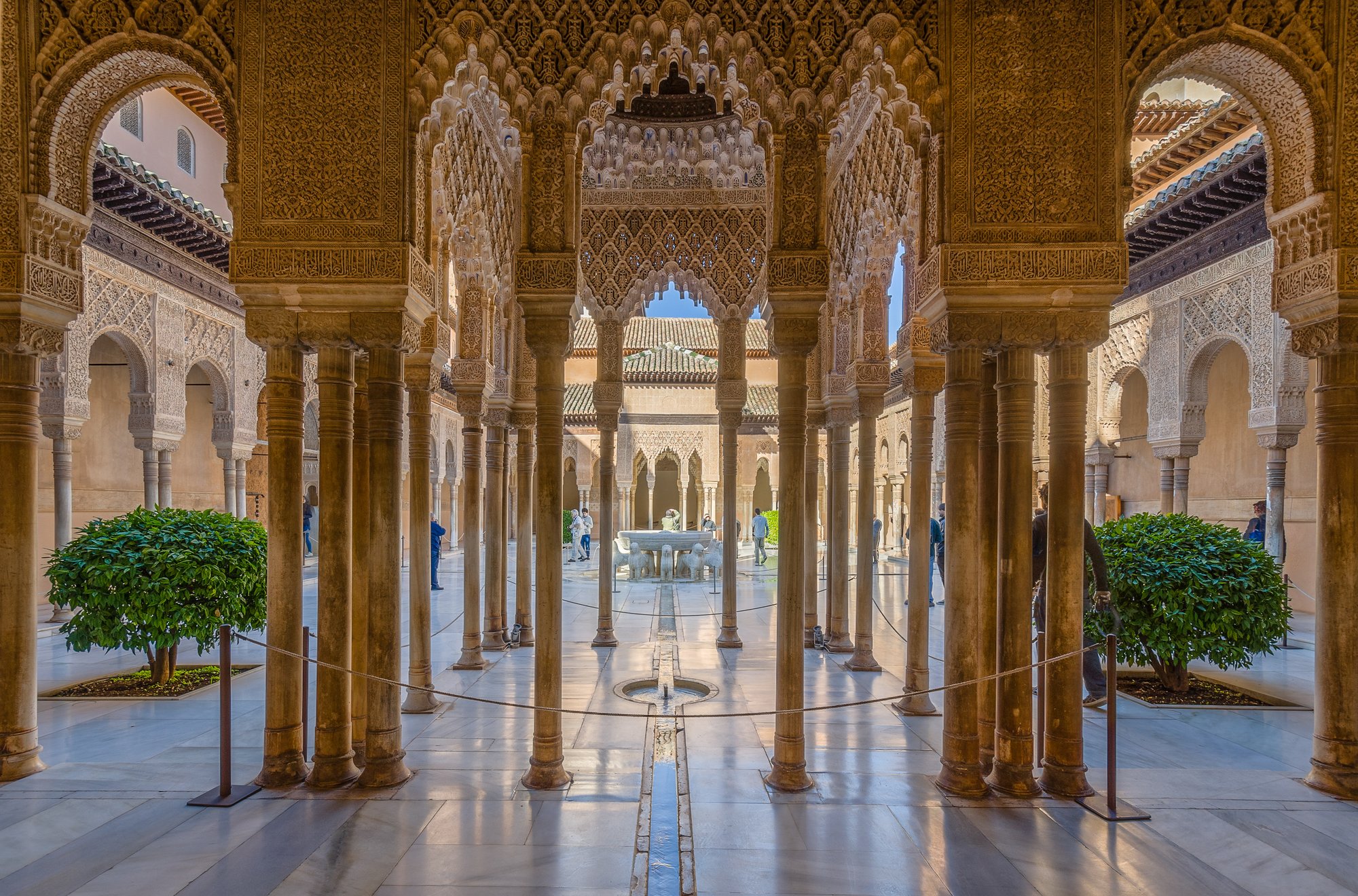
The Emirate of Granada, the last Muslim state on the peninsula, survived from the 13th century until 1492. It became a refuge for many Muslim people fleeing territories conquered by Christian kingdoms. This helped grow the city and the emirate’s population, and Granada became one of the largest cities in Europe during the 15th century.
Yet linguistically, Granada also marked the end of an older world. The earlier pattern of widespread Arabic-Romance bilingualism had mostly given way to Arabic alone. The multilingual society of earlier centuries had not vanished completely in memory or influence, but it had narrowed.
That makes Granada especially symbolic. It was both the last stronghold of Muslim rule in Iberia and the place where centuries of language contact reached a different endpoint: not endless diversity, but linguistic consolidation.
Why Al-Andalus Still Matters
Al-Andalus remains a powerful example of how language and faith can interact across centuries. It shows that conquest can introduce a new language, but also that the real transformation happens slowly, through households, schools, poetry, worship, administration, and everyday conversation.
It also shows that cultural exchange is rarely one-way. Arabic became dominant, but it was changed by contact with Romance. Hebrew poetry absorbed Arabic forms. Christians, Jews, and Muslims participated in shared intellectual currents even while belonging to different religious communities.
The story of al-Andalus is not just about who ruled. It is also about how people learned to live, speak, write, and imagine in more than one cultural world at once.