Al-Andalus: How Córdoba Helped Shape Europe

A city that became a magnet for knowledge

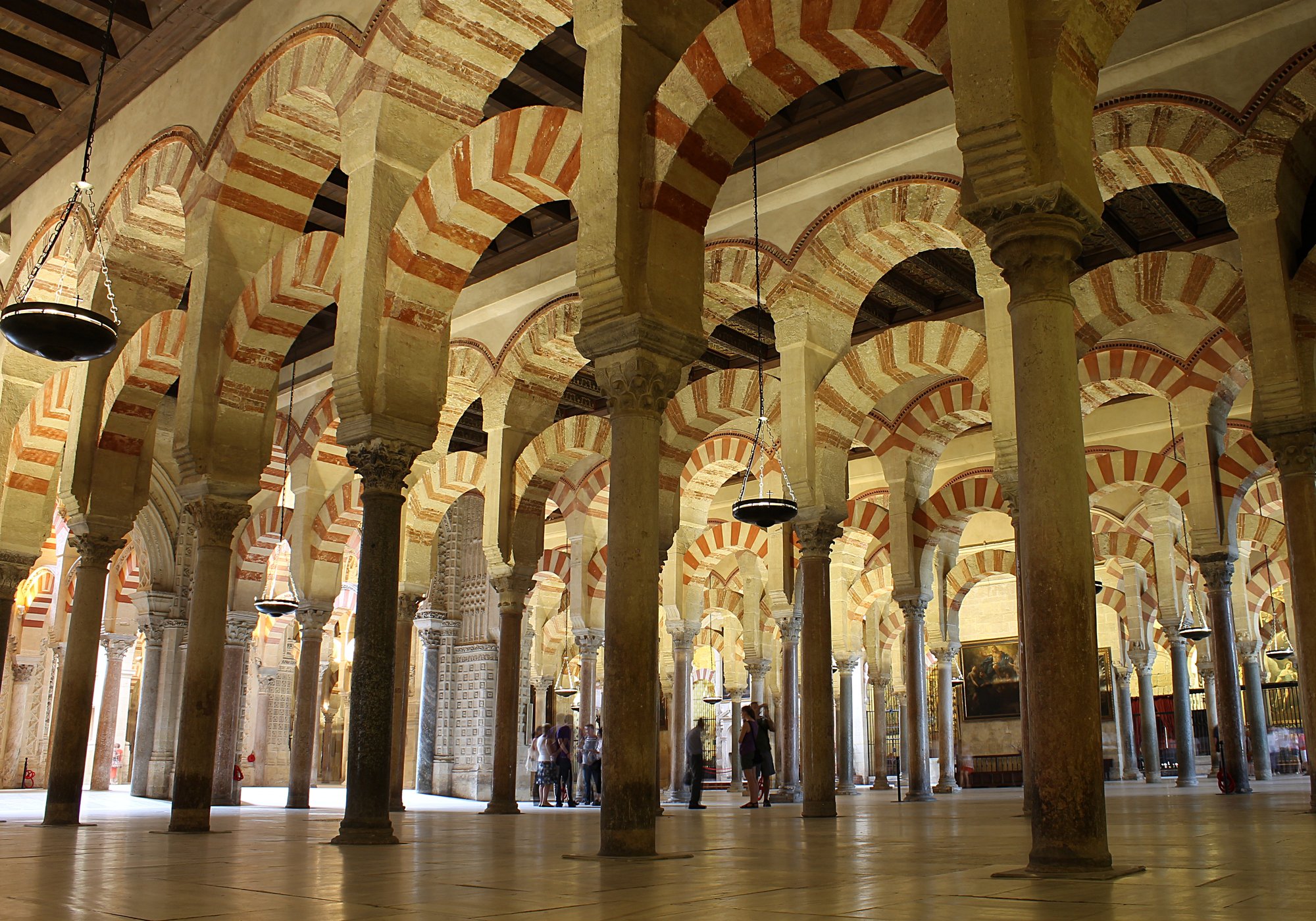
In medieval Iberia, al-Andalus was far more than a political territory. It became one of the great centres of learning in the Mediterranean world, and Córdoba stood at the heart of that transformation. Under the Caliphate of Córdoba, the city grew into an extraordinary cultural and economic capital. With a population of more than half a million, it eventually surpassed Constantinople and was described as the largest and most prosperous city in the world.

That scale mattered. Big cities could support libraries, scholars, physicians, merchants, and skilled artisans all at once. Córdoba became a place where medicine, science, philosophy, music, and literature could flourish together. It was also a place that attracted people from abroad who came to study. This made al-Andalus a major meeting point between the Islamic world and Christian Europe.

DeepSwipe app banner

Why Europe looked to Córdoba

One reason Córdoba became so influential is that its rulers invested in learning. The Umayyads wanted Córdoba to rival Baghdad intellectually, and they built libraries and educational institutions to support that ambition. Later, Caliph al-Hakam II expanded this patronage even further with libraries and a university in Córdoba.

Learning in al-Andalus was not limited to one field. Scholars worked across medicine, astronomy, mathematics, philosophy, agriculture, and the arts. Literacy was also more widespread than in many other parts of western Europe at the time, which helped create a broader culture of reading, copying, and transmitting texts. In fact, it has been estimated that in 10th-century Córdoba alone, between 70,000 and 80,000 manuscripts were copied each year.

This environment helped turn Córdoba into one of the most important intellectual hubs of the medieval world. Its influence did not stay local. Books, ideas, and scientific methods moved outward through trade, travel, and later translation.

The sciences that travelled beyond Iberia

Al-Andalus produced important work in several fields that later mattered deeply to Europe.

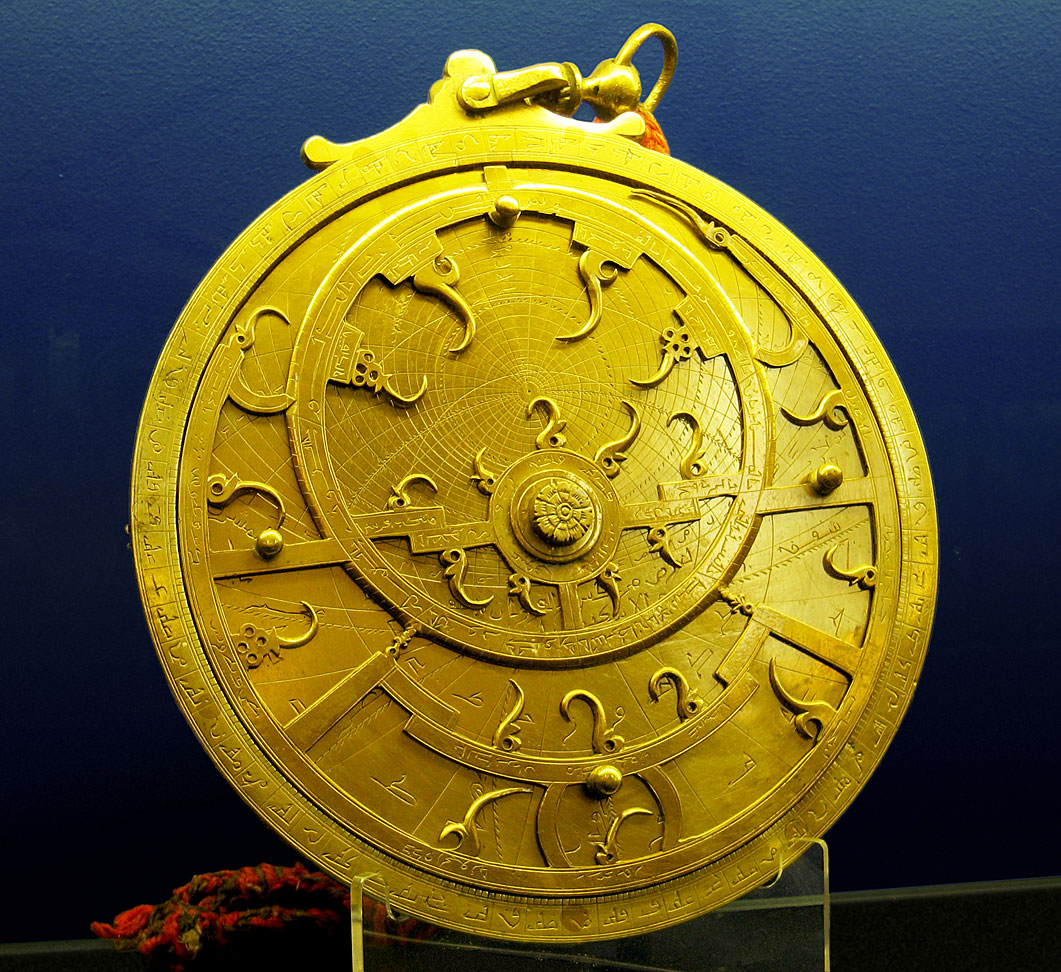
In mathematics and astronomy, scholars such as Maslama al-Majriti and al-Zarqali made lasting contributions. Al-Zarqali worked on the Toledan Zij, a set of astronomical tables used to calculate planetary and solar movements. He also calculated the motion of the solar apogee with notable accuracy. Astronomy in this period was not just stargazing in the modern casual sense. It was a technical science involving mathematical models of the heavens, calendars, and precise observation.

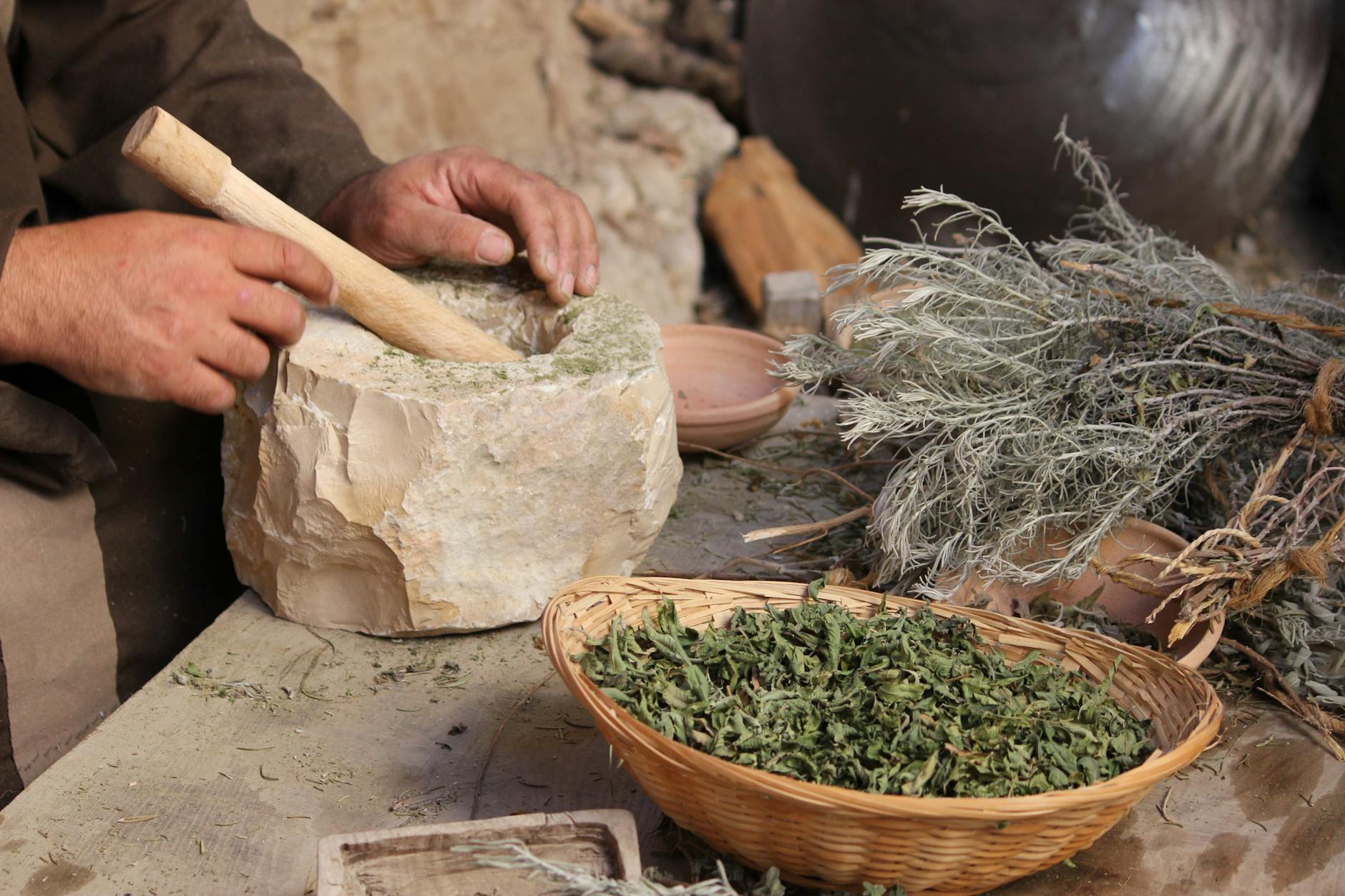
In medicine and pharmacology, Andalusi scholars compiled and improved practical knowledge about disease, therapy, surgery, plants, and drugs. Pharmacology means the study of medicines and how they work. Agronomy, another field in which al-Andalus excelled, is the science of farming, crops, and soils. This was important in a society where agriculture underpinned wealth, urban life, and food supply.

The result was a culture in which practical sciences and theoretical learning reinforced one another. Medicine treated bodies, astronomy measured the skies, and agronomy improved the land. Together, they helped make al-Andalus a source of knowledge that others wanted to access.

Al-Zahrawi and the medical revolution

Among the most remarkable figures from al-Andalus was Abu al-Qasim al-Zahrawi, known in Latin Europe as Albucasis. He is regarded by many as probably the greatest physician in the history of Western Islam.

Around the year 1000, he wrote a vast medical encyclopaedia called Kitab al-tasrif. Its purpose was practical: to gather medical knowledge into one work so students and doctors would not need to consult many separate books. That alone made it important, but one section became especially famous: the chapter on surgery.

This surgical section included illustrations of instruments and discussions of procedures such as cauterization, incisions, venesection, wound treatment, and bone-setting. Cauterization is the burning of tissue, often used historically to stop bleeding or treat wounds. Venesection means drawing blood from a vein, a common medical procedure in earlier medicine.

What made al-Zahrawi’s work stand out even more was that he included personal experiences from his own surgical practice. These real case examples gave future practitioners something more concrete than abstract theory. For centuries, the book remained one of the most widely used medical texts for students and medical professionals. It was translated into Hebrew, Latin, and Castilian, helping it circulate far beyond al-Andalus.

Translation and the movement of ideas

The story of Córdoba’s influence on Europe does not end with the production of knowledge. It also includes the movement of knowledge.

After the Christian conquest of Toledo, institutions such as the Toledo School of Translators became important for rendering Arabic texts into Latin. Figures such as Gerard of Cremona and Michael Scot helped carry these works onward into Italy. This mattered because translation is often the hidden engine of intellectual change. A scientific or medical text can only transform another society if people there can actually read it.

Through this translation movement, ideas from al-Andalus entered wider European intellectual life. Works in philosophy, medicine, astronomy, and other fields became accessible to Latin-reading scholars. This transmission of ideas played a significant role in the formation of the European Renaissance, the period of cultural and scientific revival that reshaped Europe.

A bridge between Muslim and Christian worlds

Al-Andalus functioned as a conduit, or passageway, between different intellectual traditions. Muslims and non-Muslims came to study in its libraries and educational settings. Trade also linked Córdoba with Christian and Islamic parts of the Mediterranean, helping goods and ideas travel together.

The society of al-Andalus was religiously and linguistically diverse, including Muslims, Christians, and Jews. Arabic became the language of administration and literature, but multilingualism remained an important feature of life for centuries. This kind of contact zone can be especially productive for knowledge. When people from different backgrounds exchange languages, texts, and techniques, ideas do not stay fixed in one place.

That helps explain why the influence of al-Andalus reached so far. It was not only a centre of original scholarship, but also a meeting place where knowledge could be absorbed, reshaped, and passed on.

More than a city, a turning point

Córdoba’s importance lies in more than its size or wealth. It showed how a city could become a powerhouse of science, medicine, philosophy, and culture all at once. In al-Andalus, scholars pushed forward work in surgery, astronomy, pharmacology, and agronomy. Then, through translation and cross-cultural contact, that knowledge entered the bloodstream of medieval Europe.

That is why Córdoba mattered so much. It was not just one brilliant city among many. It became a bridge between worlds, helping ideas move from Arabic scholarship into Latin Europe and leaving a lasting mark on the intellectual history of the continent.

Stories About Al-Andalus

Al-Andalus: 781 Years of Muslim Iberia

Al-Andalus: 781 Years of Muslim Iberia

Al-Andalus: Granada, the Last Muslim Kingdom

Al-Andalus: Granada, the Last Muslim Kingdom

Al-Andalus: Where Languages and Faiths Mixed

Al-Andalus: Where Languages and Faiths Mixed

Otehr Stories like this

Archimedes and the War Machines of Syracuse

Archimedes and the War Machines of Syracuse

Ancient Plumbing Technology: Minoans and Romans

Ancient Plumbing Technology: Minoans and Romans

Alexander Mosaic and the Lost Greek Original

Alexander Mosaic and the Lost Greek Original

From Local Gods to Global Deities

From Local Gods to Global Deities

Alexander Mosaic in Pompeii

Alexander Mosaic in Pompeii

Dutch East India Company: When a Business Ruled Like a State

Dutch East India Company: When a Business Ruled Like a State

Dutch East India Company: How the Richest Company Fell

Dutch East India Company: How the Richest Company Fell

The Homeric Question: Was Homer a Person or a Tradition?

The Homeric Question: Was Homer a Person or a Tradition?

Zoroastrianism: A Creator Who Isn’t All-Powerful

Zoroastrianism: A Creator Who Isn’t All-Powerful

Cross the bridge of knowledge like Córdoba once did — download DeepSwipe and let big ideas travel to you every day.