アウシュヴィッツは、しばしば一つの収容所として語られますが、実際には第二次世界大戦とホロコースト期に、ナチス・ドイツが占領下ポーランドに建設・運営した40以上の強制収容所・絶滅収容所からなる巨大な複合体でした。その規模こそが、アウシュヴィッツをホロコーストの最も象徴的な場所にした理由の一つです。もう一つの理由は、投獄・強制労働・組織的な殺害を、一つの場所で恐るべきかたちで組み合わせていたことにあります。
少なくとも130万人がアウシュヴィッツに送られ、そのうち少なくとも110万人が命を落としました。アウシュヴィッツは、単一の地点としては人類史上最大規模の大量殺戮が行われた場所でした。
DeepSwipe でストーリーを見る
アウシュヴィッツは一つの「システム」だった
「アウシュヴィッツ」という名称は、いくつかの主要収容所を中心に築かれた複合体全体を指します。
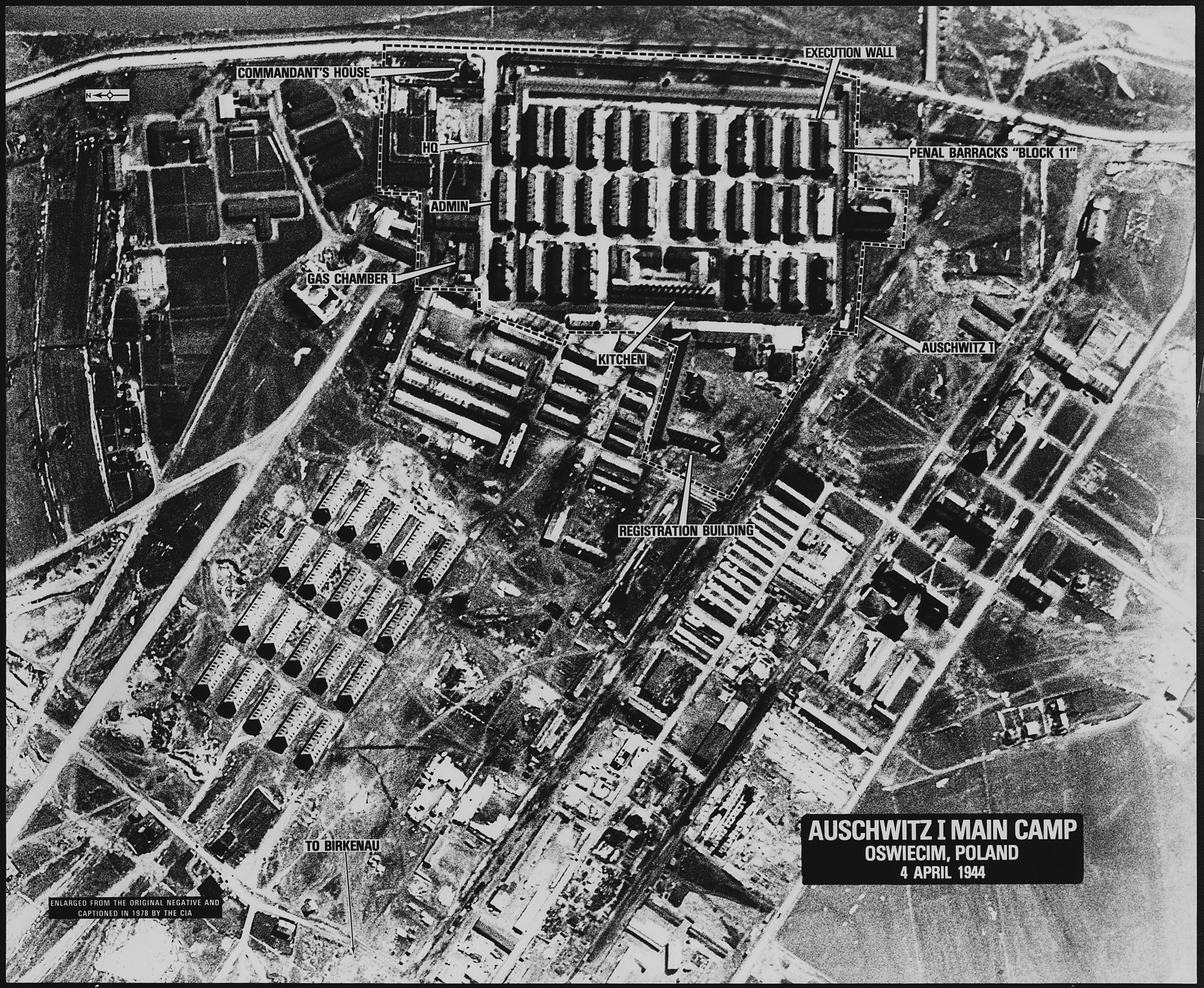
アウシュヴィッツIは主収容所であり管理センターでした。1940年、もともとポーランド軍の兵舎だった場所に設置されました。当初は主にポーランド人の政治犯を収容する収容所として機能しました。初期の収容者は、些細な理由で殴打・拷問・処刑され、囚人の「機能職」として連行されたドイツ人犯罪者たちが、早くからこの収容所に残酷さとサディズムの悪名をもたらしました。
アウシュヴィッツII=ビルケナウは、大量殺戮の主な中心地となりました。建設は1941年、アウシュヴィッツIから約3キロ離れたブジェジンカで始まりました。ビルケナウにはガス室と火葬場が設けられ、1942年から1944年末にかけて、ドイツ占領下ヨーロッパ各地からユダヤ人の輸送列車が到着しました。
アウシュヴィッツIII=モノヴィッツは、化学コンツェルンIG・ファルベンに結びついた労働収容所でした。そこでは囚人たちが、ドイツの戦争遂行に不可欠とされた合成ゴムを製造する目的で設けられたブナ工場での労働を強いられました。
これら主要収容所の周囲には、工場・鉱山・鋳造所・化学工場・林業・農業などに結びついた数十もの分収容所が広がっていました。このネットワークによって、アウシュヴィッツは単なる投獄の場ではなく、搾取と殺害のための一つの「システム」となっていったのです。

収容から大量絶滅へ
アウシュヴィッツは、後に完成させられる殺人工場としての姿から始まったわけではありません。初期には、主としてポーランド人、とりわけ政治犯を収容していました。最初の2年間、囚人の大半はポーランド人でした。
最初の試験的なガス殺は1941年8月ごろ、アウシュヴィッツIで行われました。第11棟の地下で、ソ連軍捕虜がツィクロンBによって殺害されたのです。ツィクロンBは、本来は殺虫剤として用いられていた青酸系薬剤でしたが、それが殺人の道具へと転用されました。その後まもなく、さらなるソ連軍捕虜や病気のポーランド人囚人が、旧火葬場でガス殺されました。
1942年までには、大量絶滅の中心はアウシュヴィッツII=ビルケナウへと移りました。そこでは、囚人たちによって「赤い家」「白い家」と呼ばれた改装済みの農家が、暫定的なガス室として最初に使用されました。後に、地下の更衣室とガス室を備えたより大きな火葬場が建設されました。
犠牲者たちはしばしば、シャワーや消毒のために向かうのだと欺かれました。場所によっては、「浴場」「消毒室」といった意味を持つ表示が掲げられていました。いったん扉が閉められると、ツィクロンBの粒剤がガス室内に投下されました。収容所長だったルドルフ・ヘスの証言によれば、人々は通常数分以内に死亡したとされています。
貨物列車と「選別」
1942年初め以降、占領下ヨーロッパ各地からユダヤ人を乗せた貨物列車がアウシュヴィッツに到着しました。こうした強制移送が最も激しさを増したのは、ハンガリー系ユダヤ人の殺害が行われた1944年5月から7月の期間でした。
到着すると、移送された人々はSSが「選別」と呼んだ手続きにかけられました。これは、SSの医師が、誰を労働に使い、誰をただちにガス室へ送るかを瞬時に決める過程でした。労働に適していると判断された者は収容所内に編入され、登録されました。そうでない者は、その多くがほぼ直ちに殺害されました。
アウシュヴィッツに関する事実の中でも、特に身の毛がよだつのは、犠牲者の多くが、実際には収容所システムの中で「囚人」となりきることすらなかったという点です。約86万5千人のユダヤ人が、登録されることもなく到着直後にガス殺されました。囚人番号を与えられたり、通常の意味で収容所生活に入ったりする前に、殺されてしまったのです。
子ども、高齢者が多い人びと、幼い子を連れた女性、そして弱っている・病んでいる・負傷している・疲弊していると見なされた者たちは、しばしば死に選別されました。その判断は、ほんの一瞬の一瞥だけで下されることもありました。
残虐の背後にある数字
アウシュヴィッツの犠牲者の推計は、およそ96万人のユダヤ人、7万4千人の非ユダヤ系ポーランド人、2万1千人のロマ(ロマニ)人、1万5千人のソ連軍捕虜、そして最大1万5千人ほどのその他の人々を含みます。
アウシュヴィッツで犠牲になったユダヤ人は、多くの国から連行されてきました。最大数はハンガリーからの約43万人で、次いでポーランドからの約30万人でした。そのほか、フランス、オランダ、ギリシャ、ベーメン・モラヴィア保護領、スロバキア、ベルギー、ドイツおよびオーストリア、ユーゴスラビア、イタリア、ノルウェーなど各地から犠牲者が送られてきました。
ホロコーストで殺害されたユダヤ人全体のうち、約6人に1人がアウシュヴィッツで命を落としたとされています。
アウシュヴィッツが示す「工業化された殺人」とは
アウシュヴィッツは「工業化された殺人」と結びつけて語られることが多く、この言葉は、工場のように組織化された大量殺戮のあり方を指しています。この過程には、鉄道の時刻表、日々の輸送列車、到着時の選別、犠牲者からの所持品の没収、ガス殺、遺体の搬出、歯からの金歯の抜き取り、火葬、灰の処理までが含まれていました。
犠牲者の持ち物までもが徹底的に仕分けされました。「カナダ」と呼ばれた倉庫地域では、囚人たちが衣類や身の回り品などの略奪品を整理させられていました。このあだ名は、カナダという国が豊かさの象徴と見なされていた囚人たちの認識を反映したものです。
ビルケナウの火葬場は、莫大な処理能力を見込んで建設されました。1943年6月までに、4基の火葬場が稼働を開始していました。それらの理論上の合計処理能力は、24時間で4,416体と算定されていましたが、ピーク時にはゾンダーコマンド(遺体の扱いや処理過程の一部を強制された囚人たち)が複数の遺体をまとめて焼いたり、野外の焼却用穴を併用したりすることで、それを上回る数が焼却されました。
こうした、官僚的かつ機械的に組織された殺人の仕組みこそが、アウシュヴィッツをホロコーストの決定的な象徴たらしめた大きな理由です。
強制労働と疲弊による死
アウシュヴィッツに送られた人びとが、すべて即座に殺されたわけではありません。多くは、破壊を意図した環境のもとで、労働力として徹底的に搾取されました。
モノヴィッツでは、囚人たちはIG・ファルベンのために働かされました。1943年から1944年にかけて、この工場には約3万5千人の囚人が働いており、そのうち2万3千人が栄養失調や病気、過酷な労働によって命を落としました。史料に残る表現を借りれば、囚人たちは「歩く骸骨」のような姿へと追い込まれていました。
収容所システム全体で、囚人たちは過密なバラック、飢え、病気、長時間に及ぶ点呼、暴行、そして過酷な長時間労働に苦しみました。昼食は薄いスープ、夕食はパンに、ほんのわずかなチーズ、マーマレード、マーガリン、ソーセージのいずれかが添えられる程度でした。生活空間は極端に狭く、人びとはベッドや床の上で、身動きがとれないほど互いに押し合うようにして眠らされました。
ガス室で殺されなかった人びとも、飢餓、疲労、疾病、個別の処刑や暴行、医学実験などによって命を奪われていきました。
解放と記憶
1945年1月、ソ連赤軍が接近すると、SSは多くの囚人をドイツやオーストリア国内の収容所へ向けて西へ移送しようとしました。およそ5万8千人の被拘束者が「死の行進」に駆り立てられ、その途上で多くが銃殺されたり、行軍の過酷さによって命を落としたりしました。
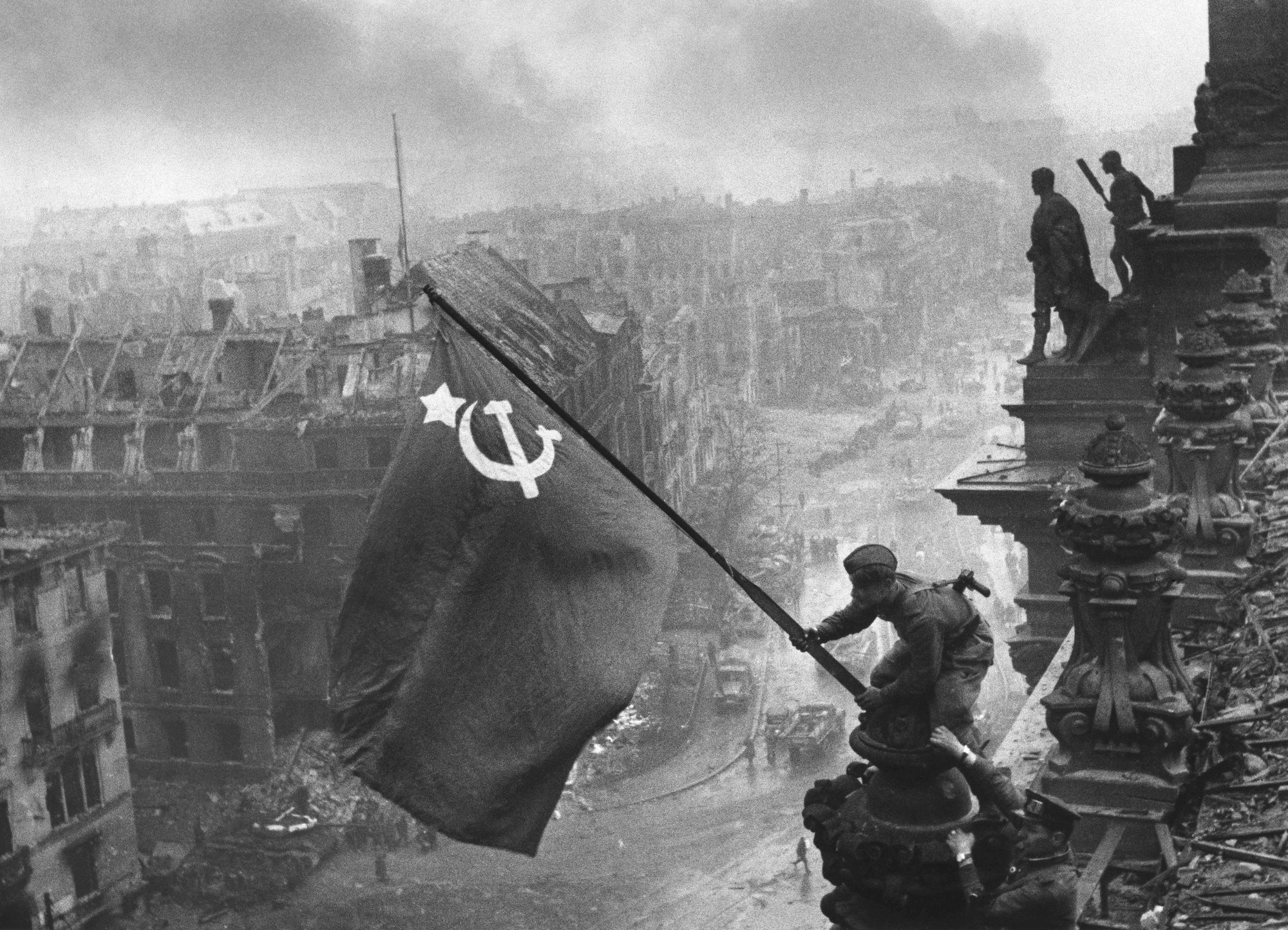
ソ連軍は1945年1月27日、収容所複合体を解放しました。3つの主要収容所には、約7千人の囚人が生存した状態で残されていました。この日は、現在では国際ホロコースト記念日として世界各地で追悼が行われています。
戦後、アウシュヴィッツは、その規模だけでなく、膨大な証拠・証言・記憶がそこに結びついていたことから、ホロコーストの中心的象徴となりました。プリーモ・レーヴィ、エリ・ヴィーゼル、ヴィクトール・フランクル、エディット・エヴァ・エガーといった生存者たちは、ここで起きた出来事を世界に伝える回想録を著しました。
1947年、ポーランドはアウシュヴィッツIとIIの跡地にアウシュヴィッツ=ビルケナウ国立博物館を設立しました。1979年には、ユネスコによって世界遺産に登録されています。
アウシュヴィッツが今なお問いかけるもの
アウシュヴィッツは、単に一つの場所という以上の意味を持っています。そこでは、偏見、国家権力、官僚制、強制労働、大量殺戮が、一つのシステムの中に融合していました。その名は、ホロコーストにおけるさまざまな要素、つまり強制移送、選別、奴隷化、ガス室、火葬場、証拠隠滅の試みと切り離せないものとなっています。
アウシュヴィッツを学ぶということは、大規模な非人間化がどこまで極端な帰結をもたらしうるのかと向き合うことにほかなりません。だからこそ、アウシュヴィッツは世界で最も重要な歴史的場所の一つであり続けており、その歴史はこれからも学び、記憶し、理解し続けなければならないのです。