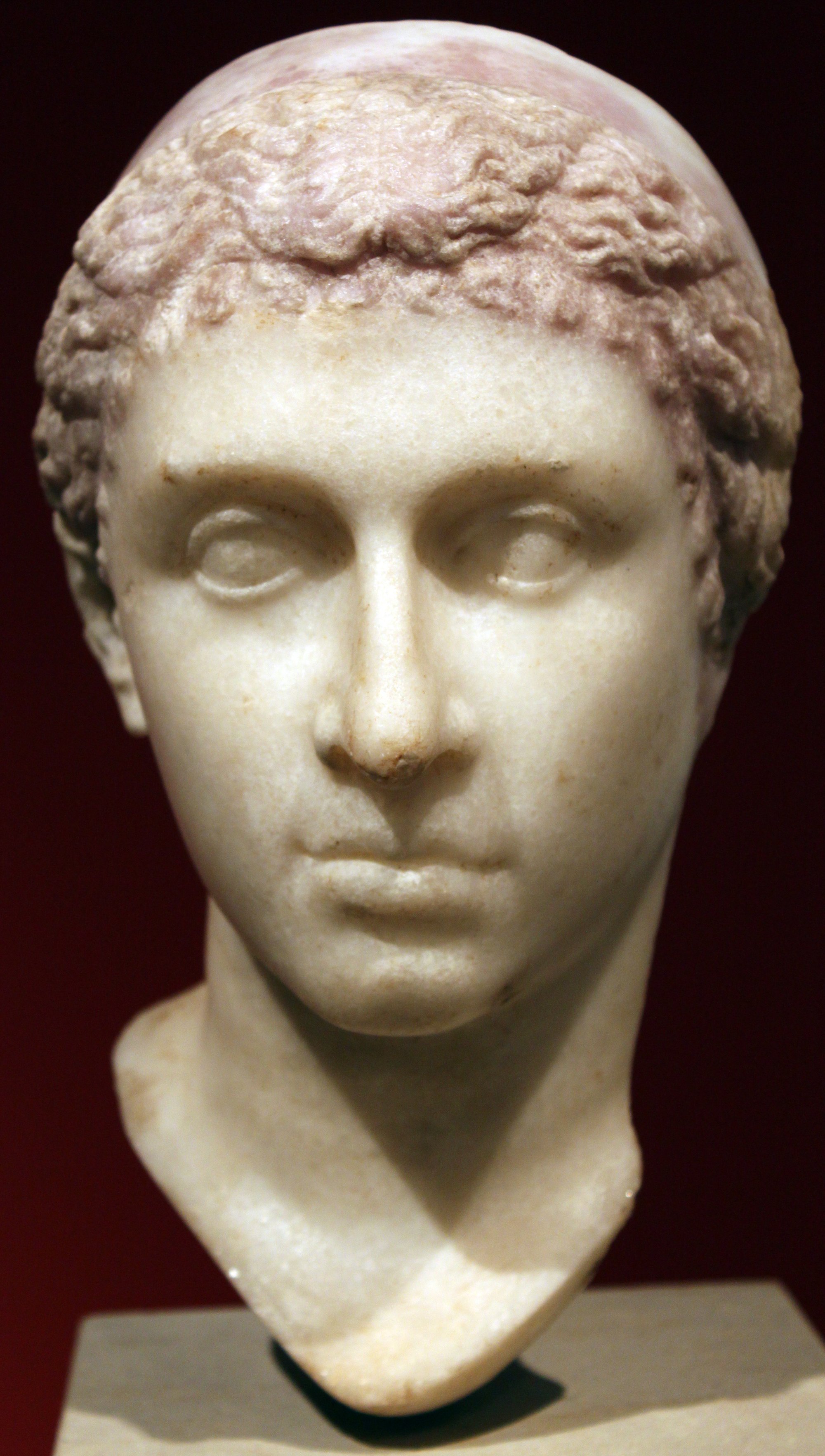
After the Great Defeat
In the wake of Actium, Antony and Cleopatra limped back to Egypt by separate routes, hoping to mask disaster as victory. Antony hunted for fresh troops in Cyrene; Cleopatra tried to calm Alexandria, even as rumors swirled. Their allies melted away. Herod, once Antony’s client, now courted Octavian. Lucius Pinarius, Antony’s governor in Cyrene, executed Antony’s messengers and surrendered his legions to Octavian.
A Queen with Fewer Moves
Facing isolation, Cleopatra considered escape. She planned to abdicate in favor of Caesarion, sail her fleet through the Red Sea, and vanish to some distant haven—perhaps India. Nabataean king Malichus I, urged on by Octavian’s governor in Syria, burned her ships. With the Red Sea route closed, she turned to subtler weapons, allegedly testing poisons on prisoners as she prepared for the worst.
She elevated Caesarion, initiated him into the ephebi alongside Antony’s son Antyllus, and fortified herself in a tomb stocked with treasure—a final refuge and bargaining chip.

Negotiating with the Future Augustus
Cleopatra offered Octavian money, future tribute, and a plea: let her children inherit Egypt; let Antony live in exile. Octavian listened, but answered vaguely. His envoy Thyrsos even urged her to kill Antony as the price of her own survival. When Antony discovered this, he had Thyrsos flogged and sent back—no deal struck.
Octavian advanced. Pelousion fell; Antony briefly bloodied Octavian’s troops outside Alexandria, but on 1 August 30 BC his fleet surrendered, then his cavalry.
Choosing Her Own Ending
Cleopatra retreated into her tomb and sent Antony word she was dead. In despair, he stabbed himself. Still alive, he was hauled to her, dying in her arms as she sealed herself further from the world. Octavian’s man Proculeius infiltrated the tomb, thwarting her attempt to burn herself and her hoard.
Brought before Octavian, Cleopatra reportedly declared, “I will not be led in a triumph.” When she learned he planned to parade her in Rome, she acted. On 12 August 30 BC, she killed herself—whether by asp, needle, or ointment, ancient sources disagree, but all agree it was deliberate.
Octavian had her buried beside Antony with royal honors, then ordered Caesarion killed: there could be, he was advised, only one Caesar. Egypt became a Roman province, and in 27 BC Octavian took the title Augustus. Cleopatra’s death did more than end a dynasty; it cleared the stage for the Roman Empire itself.