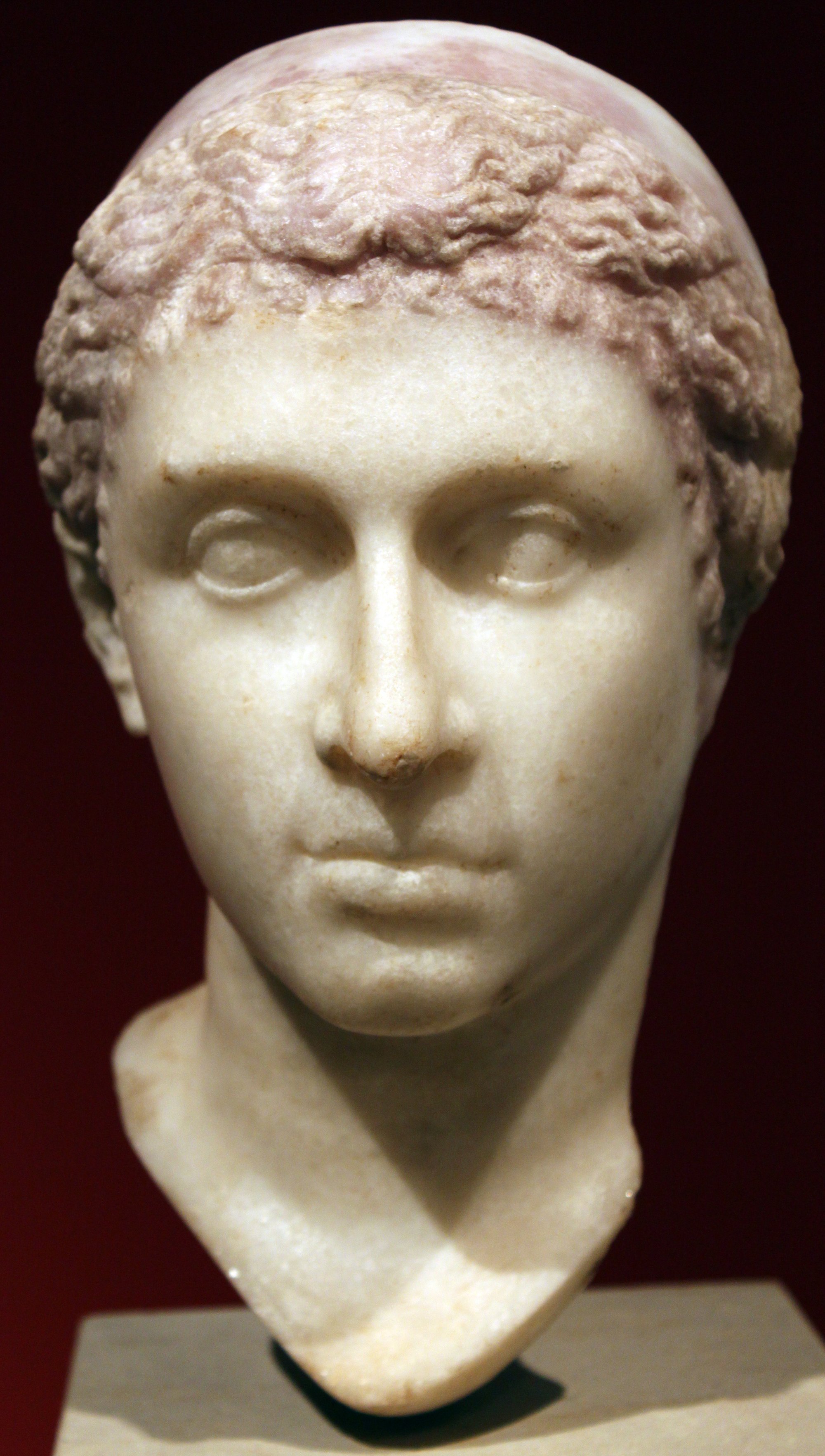
Rome’s Dangerous Queen
When Cleopatra died, Rome inherited not just her kingdom but her story. Augustus and his supporters needed to justify a brutal civil war, so they cast her as the foreign temptress who bewitched Mark Antony and almost toppled Roman virtue. Poets like Virgil, Horace, Propertius, and Ovid painted her as a melodramatic villainess or exotic love-figure.
Yet even Horace, hostile to her politics, admired the courage of her suicide, recasting it as a noble refusal to submit.
Medieval Morality and a First Defense
Through the Middle Ages, Cleopatra’s reputation traveled mainly through Latin moral tales. Giovanni Boccaccio featured her in works that warned against female vice and misfortune, while Geoffrey Chaucer complicated the picture in The Legend of Good Women, emphasizing her loyalty to just two lovers rather than insatiable lust.
By 1504, Italian humanist Bernardino Cacciante was openly defending her against misogynistic portrayals—one of the first to argue that moralizing men had twisted her story.

Shakespeare, Opera, and the Stage Queen
In the early 1600s, English playwrights turned to Cleopatra as they processed the death of Elizabeth I. Samuel Daniel reworked his play Cleopatra, and Shakespeare wrote Antony and Cleopatra, drawing heavily on Plutarch. His sensual, sharp-tongued queen, both manipulative and magnificent, set the tone for centuries of theatre.
Baroque and later composers followed: Handel’s Giulio Cesare in Egitto (1724) made her a glittering operatic heroine, while 18th-century works like Cimarosa’s Cleopatra continued to explore her as a figure of passion and politics.
Victorians, Hollywood, and Branding
The 19th century wrapped Cleopatra in Orientalist fantasy. Novelists cast her as a mystical Easterner; painters showed her amid jeweled excess. Her profile sold everything from oil lamps to cigarettes.
Film amplified the effect. Theda Bara’s 1917 Cleopatra fused vampiric sexuality with Egyptomania. Claudette Colbert in 1934 and Elizabeth Taylor in 1963 turned Cleopatra into a template for glamour, with department stores and magazines teaching women how to copy the queen’s “Egyptian” look.
By the late 20th century, she had appeared in scores of films, plays, operas, and ballets—her image shaped less by ancient historians than by directors, costume designers, and advertisers.
An Icon Beyond History
Today, Cleopatra stands at an unusual crossroads: a documented ruler whose face is still debated, a political strategist overshadowed by her lovers, and a woman whose name alone can sell a movie, perfume, or fashion line. The real queen may be elusive, but the myth she inspired remains vividly, and profitably, alive.