Wiki Summaries · Cleopatra

The Multilingual Queen of Two Worlds

Discover how Cleopatra turned languages and culture into weapons of power, ruling as both Greek monarch and Egyptian pharaoh.

historyculture
XFacebook

A Pharaoh Who Spoke Back

In an age when most rulers let translators carry their thoughts, Cleopatra answered the world in its own tongue. Born into a Macedonian Greek dynasty that treated Egypt as a possession, she did something her Ptolemaic ancestors had refused to do: she learned to speak Egyptian.

Between Memphis and Alexandria

The Ptolemaic pharaohs were crowned in traditional fashion by the high priest of Ptah at Memphis, yet they lived as Greek monarchs in Alexandria—a cosmopolitan city founded by Alexander the Great. They governed in Greek, worshipped Greek gods alongside Egyptian ones, and kept the local language at arm’s length.

Cleopatra broke that pattern. By adulthood, she spoke not only Greek and Egyptian, but also, according to Plutarch, Ethiopian, the tongue of the "Troglodytes", Hebrew or Aramaic, Arabic, a "Syrian" language, Median, Parthian, and probably Latin. Roman elites still preferred to converse with her in Koine Greek, their language of diplomacy.

DeepSwipe app banner

Language as Strategy

These languages were not a party trick; they were a policy. They mapped almost perfectly onto the lands Cleopatra hoped to bind to Egypt: North Africa, the Levant, and the great kingdoms of West Asia that had once formed part of the Ptolemaic sphere. Speaking to envoys and vassals directly, she needed no interpreters to filter her promises or threats.

A Queen of Many Voices

Cleopatra’s fluency let her cross the invisible borders that usually divided court from subject, Greek from Egyptian, and monarch from foreigner. Remembered as a seductress, she was first a communicator—someone who understood that in politics, the sharpest sword may be the human voice spoken in exactly the right language.
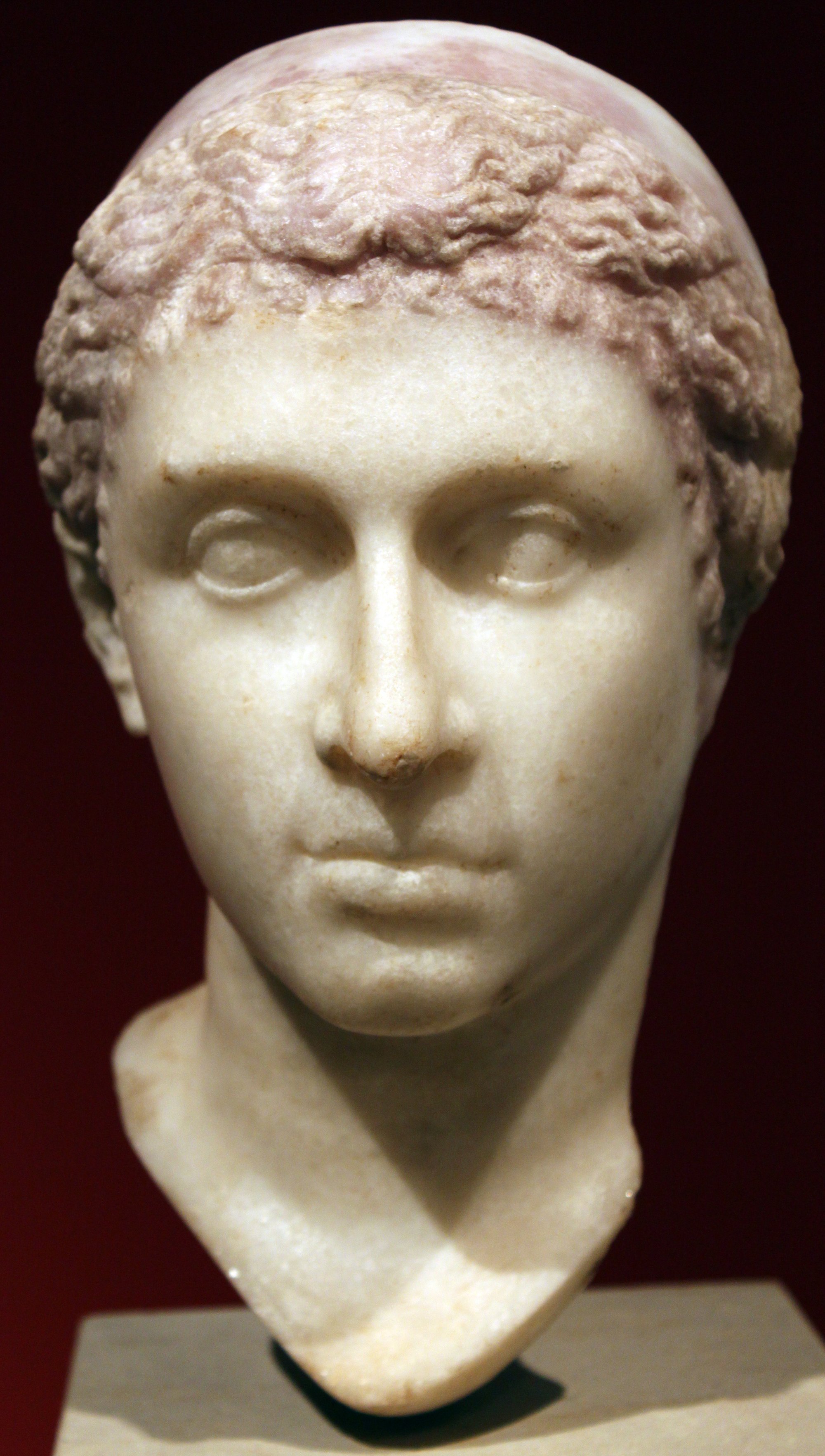
Based on Cleopatra on Wikipedia.

XFacebook

DeepSwipe Stories About Cleopatra

Cleopatra’s Fall: When Egypt Became Roman

Cleopatra’s Fall: When Egypt Became Roman

Summarize another article

More topics in Cleopatra

Cleopatra - 100 Word Summary

From multilingual pharaoh to legendary lover, Cleopatra’s life traces the fall of Hellenistic Egypt and the rise of Rome’s first emperor.

historypolitics
Read →

Cleopatra - 250 Word Summary

A sweeping portrait of Cleopatra’s rise, rule, romances, and reinvention from pharaoh to enduring cultural icon.

historypolitics
Read →

Cleopatra and Rome’s Civil Wars

Follow Cleopatra as she rides the shifting tides of Roman civil war, from Caesar and Pompey to Antony and Octavian.

historywarpolitics
Read →

Love, Power, and Propaganda: Cleopatra & Caesar

Step inside Cleopatra’s audacious partnership with Julius Caesar, from palace siege to political theatre in Rome.

historypolitics
Read →

Cleopatra & Mark Antony: Building an Eastern Dream

Witness Cleopatra and Antony’s attempt to forge a new eastern superpower—and why it terrified Rome.

historypoliticswar
Read →

Actium: The Battle That Ended an Age

Relive the desperate gambles at Actium, where Cleopatra and Antony’s fleet met Octavian’s—and history pivoted.

warhistory
Read →

Suicide, Spectacle, and the Birth of Empire

Explore Cleopatra’s final days—her failed negotiations, legendary death, and how Egypt’s fall forged the Roman Empire.

historypolitics
Read →

Cleopatra the Ruler: Temples, Taxes, and Famine

Look past the romance to see Cleopatra as a hard-headed monarch managing temples, money, and a fragile kingdom.

historypolitics
Read →

From Villain to Icon: Cleopatra’s Changing Image

Trace how Cleopatra morphed from Augustan villain into global icon, inspiring art, theatre, film, and fashion.

culturehistory
Read →

Cleopatra in Stone, Silver, and Paint

Walk through galleries of statues, coins, and frescoes to see how Cleopatra crafted—and lost control of—her own image.

culturehistory
Read →

Enjoy bite-sized learning? Try DeepSwipe.