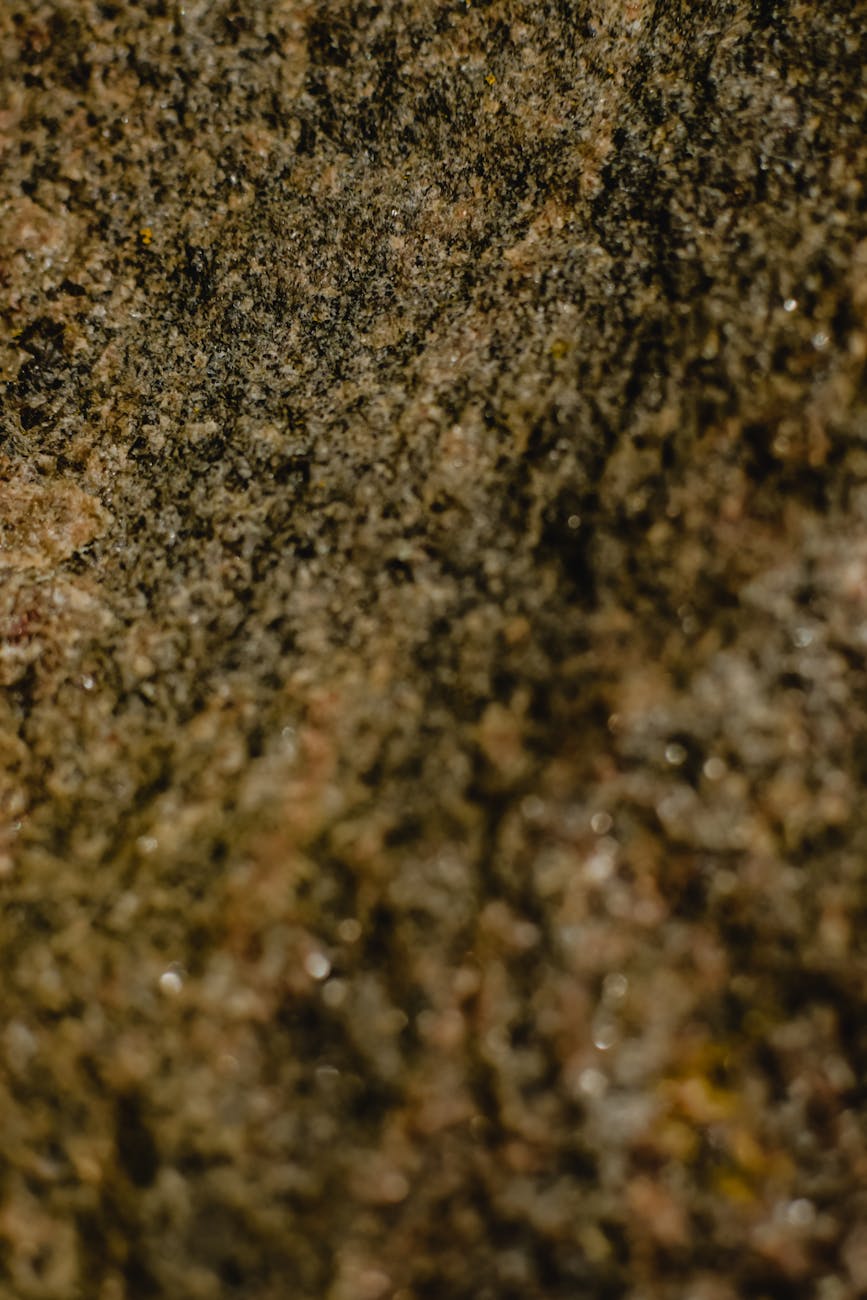
People Thought It Was Black
For a long time, the Rosetta Stone was described as black basalt. But cleaning revealed that it is actually dark grey granodiorite granodiorite with a crystalline sparkle and even a pink vein.Rosetta Stone Appearance and Physical Secrets
Museum Touch-Ups Changed Its Look
After the stone reached London, its inscriptions were filled with white chalk to make them easier to read. A coating of carnauba wax carnauba wax then darkened the surface and helped create the mistake.Rosetta Stone Appearance and Physical Secrets
