Full article · 6 min read
Africa’s Living Giants: Why the Continent Still Has So Much Megafauna
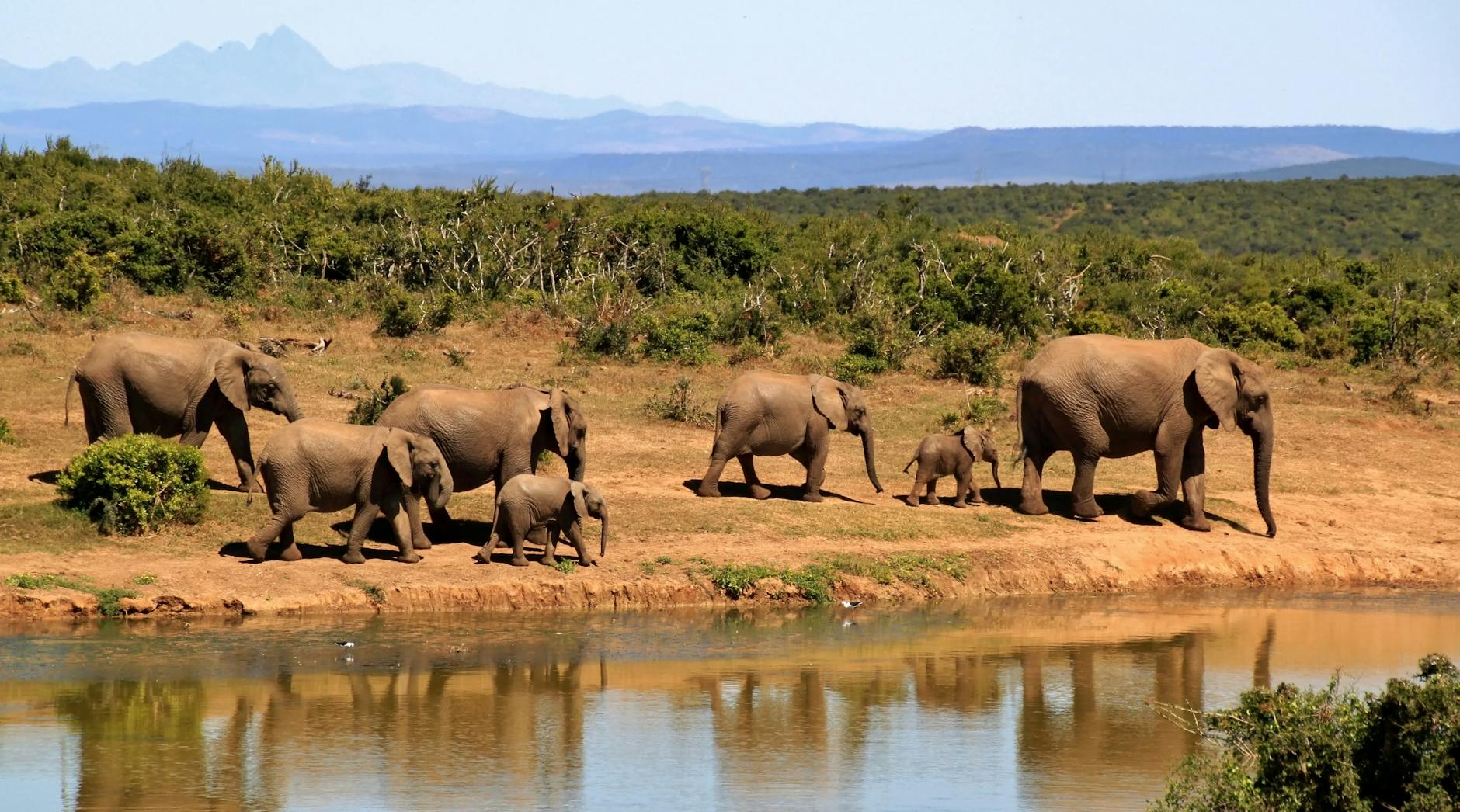
Africa remains one of the last places on Earth where truly enormous wild animals still roam across broad landscapes. Lions, elephants, giraffes, buffalo, hyenas, cheetahs, crocodiles, and many other large species continue to survive there in remarkable variety. One major reason is that Africa was less affected than other continents by the extinction of the Pleistocene megafauna.
Megafauna simply means very large animals. The Pleistocene was the most recent Ice Age era, and many giant animals disappeared around the end of that period in different parts of the world. Africa stands out because it kept the largest number of these megafauna species. That helps explain why the continent is still famous for its density and range of wild animal life, especially large carnivores and herbivores moving across open plains.
But this survival story comes with a warning. Africa is also heavily affected by environmental pressures, including deforestation, desertification, water scarcity, pollution, habitat destruction, human encroachment, civil unrest, and poaching. Climate change is expected to worsen many of these problems, and the UN Intergovernmental Panel on Climate Change has identified Africa as the continent most vulnerable to climate change.
Why Africa still has so many large wild animals
Africa is highly biodiverse, meaning it supports a wide variety of living species and ecosystems. Its wildlife ranges from open-plains animals such as elephants, giraffes, lions, hyenas, cheetahs, and buffalo to rainforest and “jungle” species including snakes and primates, along with aquatic animals such as crocodiles and amphibians.
What makes Africa especially striking is not just the number of species, but how freely many of them still range. The continent has perhaps the world’s greatest combination of abundant wild animal populations and space for them to move. In many places, large herbivores and carnivores still occupy open non-private plains rather than being confined entirely to small isolated pockets.
That living abundance is tied to deep history. Because Africa was least affected by the extinction of the Pleistocene megafauna, it retained more of its giant species than other continents did. In practical terms, this means Africa preserved a richer community of very large animals while many other regions lost much of theirs.
Protected areas: a huge conservation network
Africa has built a vast conservation footprint. The continent has more than 3,000 protected areas, including 198 marine protected areas, 50 biosphere reserves, and 80 wetlands reserves.
A protected area is land or sea set aside for conservation. Marine protected areas focus on ocean and coastal ecosystems. Wetlands reserves protect water-rich habitats such as marshes and floodplains. Biosphere reserves are especially interesting because they aim to balance conservation with human use, rather than treating nature and people as totally separate.
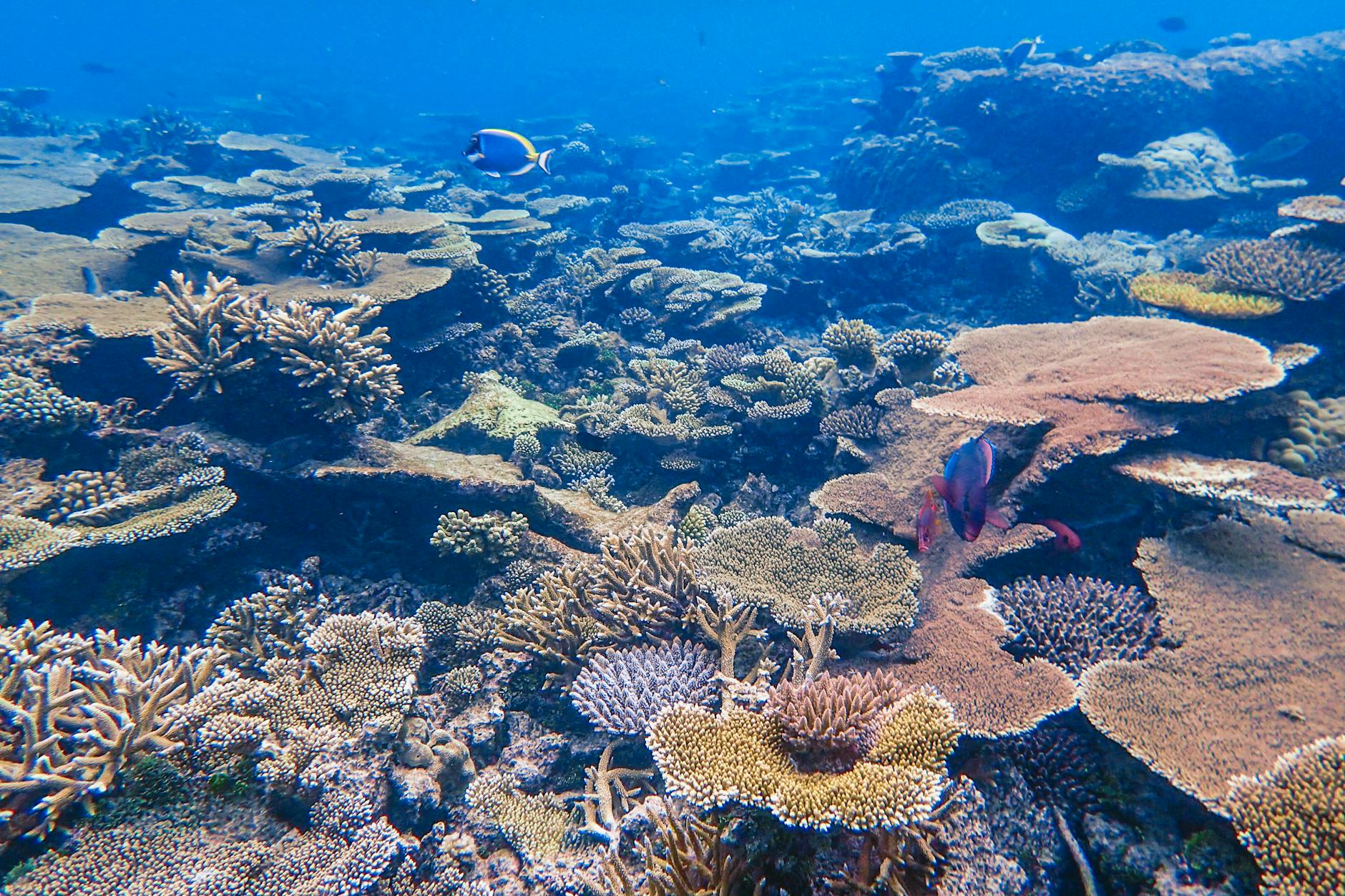
This network matters because it helps preserve habitat for wildlife across many different environments, from savannas and forests to coastlines and islands. Africa includes mainland ecosystems as well as major islands and archipelagos, most famously Madagascar, which adds even more ecological richness.
Still, the size of the protected-area network does not mean the danger has passed. Conservation areas exist alongside severe and growing pressures on land, water, forests, and wildlife.
Deforestation is moving at double the global rate
One of the clearest threats is deforestation, the large-scale loss of forests. According to the United Nations Environment Programme, deforestation in Africa is happening at twice the world rate.
The numbers are stark. Africa is losing more than four million hectares of forest every year, and 19% of its forests and woodlands are classified as degraded. Degraded land is land whose ecological quality has been damaged, reducing its health and productivity.
In West Africa, some sources estimate that about 90% of the original virgin forests have been destroyed. “Virgin forests” refers to forests that existed in their original state, without major human alteration.
Madagascar presents one of the most dramatic examples. More than 90% of its original forests have been destroyed since the arrival of humans 2,000 years ago. Since Madagascar is part of Africa geographically and is one of the continent’s best-known biodiversity hotspots, that scale of forest loss is especially alarming.
The problem goes beyond trees. Forest destruction affects biodiversity, shrinks habitat, and can undermine arable land, which is land suitable for farming. Across the continent, about 65% of agricultural land suffers from soil degradation, adding another layer of environmental stress.
Habitat destruction has many causes
Wildlife loss is not driven by one single factor. Significant habitat destruction, increases in human population, and poaching are all reducing Africa’s biological diversity and arable land. Human encroachment also plays a major role. That means people expanding settlements, farming, roads, and other activity into places that had previously supported wildlife.
Civil unrest can make things worse by weakening protection systems and disrupting conservation work. Non-native species, meaning species introduced from elsewhere, also threaten biodiversity in some areas.
Even when the need for conservation is widely understood, practical barriers remain. Administrative problems, inadequate personnel, and funding shortfalls have all been identified as obstacles to protecting Africa’s ecosystems effectively.
Climate change raises the stakes
Africa is already dealing with entrenched environmental concerns such as desertification, deforestation, water scarcity, and pollution. Climate change is expected to intensify these problems.
Desertification is the process by which fertile land becomes more desert-like, often through drying, land degradation, and loss of vegetation. Water scarcity means reliable access to water becomes more limited for people, agriculture, and ecosystems. When these pressures combine, they can hit wildlife habitats hard.
The continent’s vulnerability is especially serious because Africa contains many drylands and deserts already. It is the hottest continent on Earth, and 60% of its entire land surface consists of drylands and deserts. Its climate ranges from tropical conditions to arid desert zones, with savanna, steppe, and rainforest regions in between.
That diversity of climate creates extraordinary ecosystems, but it also means shifts in temperature and rainfall can have sweeping effects. The IPCC’s judgment that Africa is the most vulnerable continent to climate change underlines just how urgent the challenge has become.
A continent of biodiversity under pressure
Africa’s wildlife story is both triumphant and fragile. On one hand, it still holds the world’s largest number of megafauna species. On the other, many of the ecological systems supporting those animals are under strain.
This tension defines the continent’s environmental future. The same Africa that still supports free-ranging lions, elephants, cheetahs, giraffes, buffalo, crocodiles, and primates is also losing forests rapidly, facing habitat destruction, and confronting worsening climate risks.
Protected areas provide hope, and the scale of that network shows that conservation is not a minor effort. Yet the pressures are broad and interconnected: degraded land, shrinking forests, poaching, human encroachment, water stress, pollution, and climate vulnerability all interact.
Why this matters beyond Africa
Africa’s wildlife is globally important not only because of its beauty, but because it represents one of the planet’s greatest reservoirs of large-animal diversity. The continent preserves a living version of something much of the world has lost: ecosystems where giant animals still shape the landscape.
That makes Africa’s environmental future significant far beyond its borders. When forests disappear at twice the world rate, when habitat shrinks, and when climate risks intensify on the continent most vulnerable to them, the consequences are not local trivia. They affect one of Earth’s richest stores of biodiversity.
Africa’s giants are still alive. The real question is whether the habitats that sustain them can endure the pressures building around them.
Sources
Based on information from Africa.
More like this
Keep your curiosity as wild as Africa’s giants — download DeepSwipe and roam through powerful stories every day.