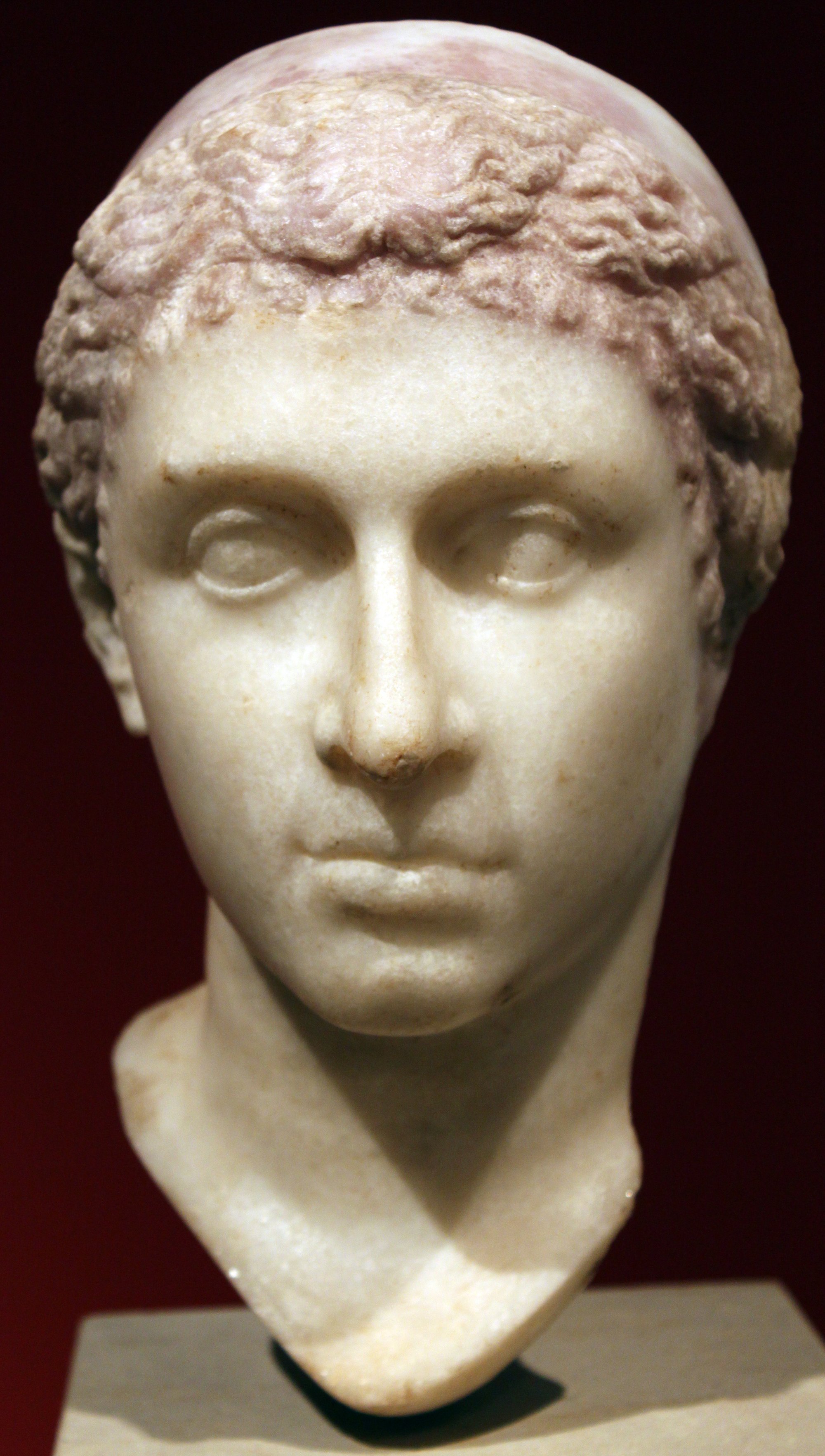
More Than a Love Story
Behind the legends of seduction stands a sovereign with absolute authority over one of the ancient world’s richest lands. Cleopatra ruled according to Macedonian royal tradition: she was Egypt’s sole lawgiver, supreme judge, and chief priest, presiding over ceremonies for both Greek and Egyptian gods.
A Sacred and Political Role
In Egypt, kingship was a religious office. Cleopatra oversaw the building of temples to deities of both cultures, and even a synagogue for Egypt’s Jews. She founded the Caesareum of Alexandria to honor Julius Caesar, blending personal devotion with state cult, and tied her image to goddesses like Isis and to Venus through statue and ritual.

Governing Through Crisis
Her reign opened under a shadow: drought and weak Nile floods triggered famine, while Egypt staggered under the debts her father had piled up to court Roman favor. Cleopatra ordered granaries to feed the starving, a rare surviving glimpse of a monarch intervening directly in relief.
At the same time, she faced a domestic menace—Roman troops left behind by Gabinius, the Gabiniani, turned from garrison to lawless mercenaries. When they murdered the sons of a Roman proconsul, she turned them over for punishment, only to be sharply rebuked by Rome for overstepping—a reminder that even an absolute queen ruled beneath the shadow of the Republic.
Counting Every Drachma
To keep Egypt afloat, Cleopatra leaned into a command economy. Her administration attempted tight price controls, state monopolies on key goods, fixed exchange rates, and strict rules binding peasants to their villages during planting and harvest.
The reality was messier than the theory. Financial strain eventually forced her to debase silver and bronze coinage—no gold issues under her—stretching precious metal reserves as she bankrolled Roman alliances and ambitious building projects.
The Queen as Manager
Seen from her treasury rather than her bedchamber, Cleopatra emerges as a pragmatic, even austere figure: a ruler fighting drought, debt, and imperial pressure with every tool a Hellenistic monarchy could muster.