Long before container ships, airports, and digital payments, human societies were already building vast exchange networks that tied distant regions together. In the Bronze Age, cities rose near rivers, trade routes stretched across land and sea, and goods moved astonishing distances. Along with raw materials came ideas, inventions, and political power.
This was one of the earliest great moments of interconnection in human history: a world in which waterways functioned like highways, bronze depended on faraway supply chains, and new transport technologies changed how states fought and traded.
Watch the story on DeepSwipe
Why early cities needed trade
The Bronze Age saw the development of cities and civilizations, especially near major rivers. Early civilizations first appeared in Mesopotamia along the Tigris and Euphrates, then in Egypt along the Nile, in coastal Peru, in the Indus Valley, and in China along the Yangtze and Yellow Rivers.
These societies shared several important traits: central government, complex economies, social hierarchy, and systems for keeping records. They also developed or used technologies such as the wheel, mathematics, bronze-working, sailing boats, the potter’s wheel, woven cloth, monumental building, and writing.
As cities grew, they became centers of trade, manufacturing, and political power. Urban life required regular flows of food, raw materials, labor, and finished goods. A city could not thrive on isolation. It depended on exchange with nearby countryside for agricultural products and with distant regions for materials it could not produce itself.
That need helped create large commercial systems linking different societies. What makes this so remarkable is not just that trade existed, but that it connected very different communities over great distances.

Rivers and seas were the superhighways of the ancient world
In a world without engines, paved roads, or railways, water was one of the most efficient ways to move people and cargo. Rivers and seas made travel easier, cheaper, and faster than hauling goods over land.
Waterways did more than help merchants. They also allowed states to project military power and to spread goods, ideas, and inventions. A river system could feed a city, support trade, and help rulers control territory. A sea lane could connect multiple regions into a shared economic zone.
That is why so many early civilizations appeared close to rivers. Proximity to navigable water gave them access not only to irrigation and fertile land, but also to communication and transport. These routes became the arteries of ancient economies.
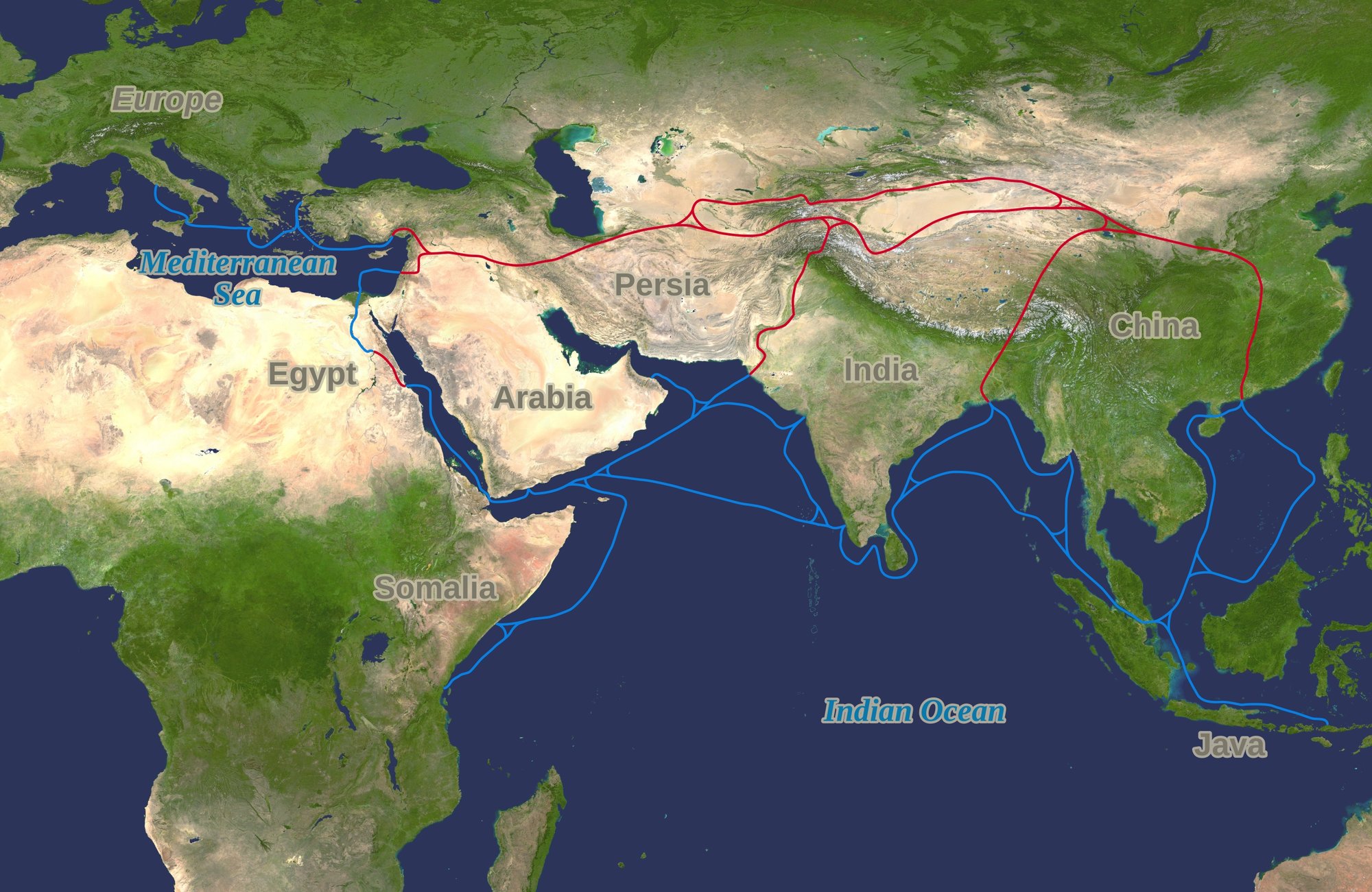
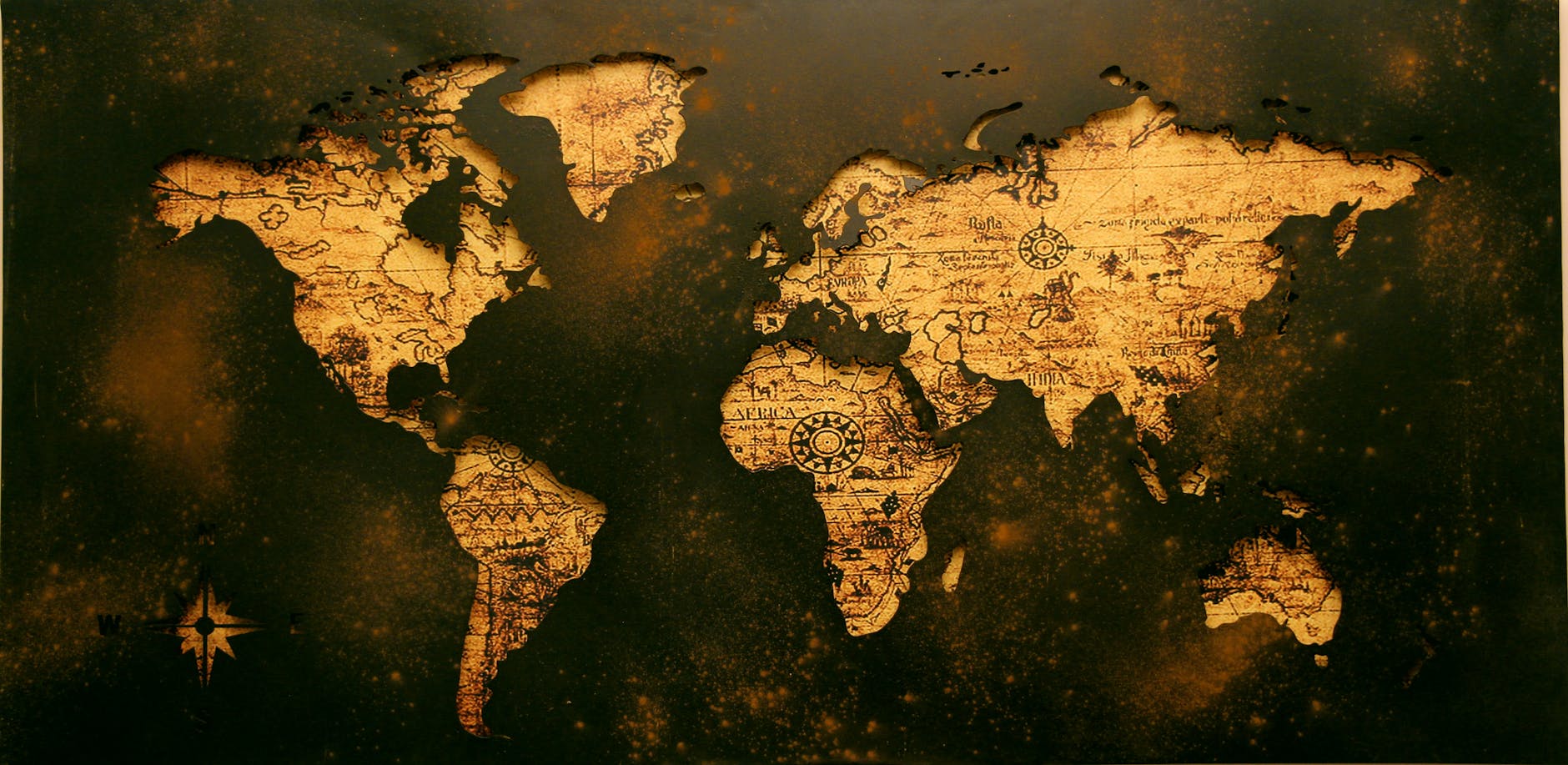
Maritime links in the Mediterranean and over rivers and coastal waters helped urban societies exchange raw materials and manufactured goods. Over time, these links formed what can fairly be described as the beginnings of archaic globalization: long-distance interdependence among societies.
Bronze was a technology built on supply chains
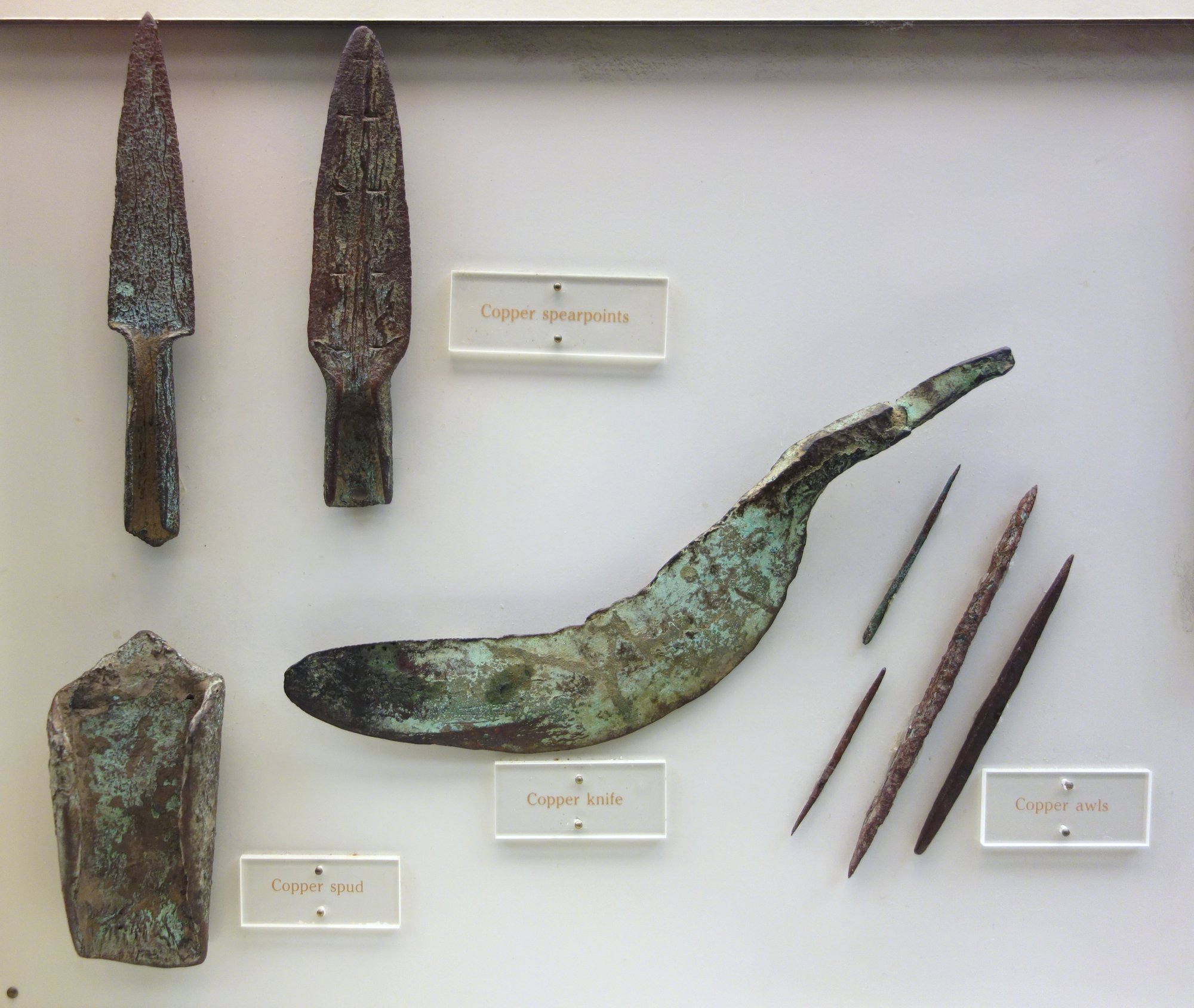
Bronze may sound simple today, but in historical terms it represented a major technological system. Bronze is an alloy, meaning a metal made by combining other metals. In this case, it is copper and tin.
Metalworking first appeared in the creation of copper tools and ornaments around 6400 BCE. Gold and silver followed, mostly for ornaments. The earliest signs of bronze date to around 4500 BCE, though it was not widely used until the 3rd millennium BCE.
What made bronze so important also made it demanding: it depended on access to the right materials. Copper and tin were not always found together. That meant production often required organized procurement from different regions.
A striking example comes from Southwest Asia, where bronze production required the import of tin from as far away as England. That single fact reveals the scale of Bronze Age exchange. To make tools, weapons, and other bronze goods, societies could rely on supply lines extending across enormous distances.
This was not casual barter between neighboring villages. It was long-distance exchange involving planning, transport, and trust across many links in a chain. Bronze production therefore helps show how technically sophisticated and economically connected ancient societies had become.
Trade moved more than goods
Ancient trade networks did not just circulate raw materials. They also helped spread ideas, inventions, and cultural practices.
The Bronze Age civilizations developed many foundational technologies and systems, including writing, sailing boats, the wheel, bronze-working, and woven cloth. As societies exchanged goods, they also encountered new techniques and ways of organizing life.
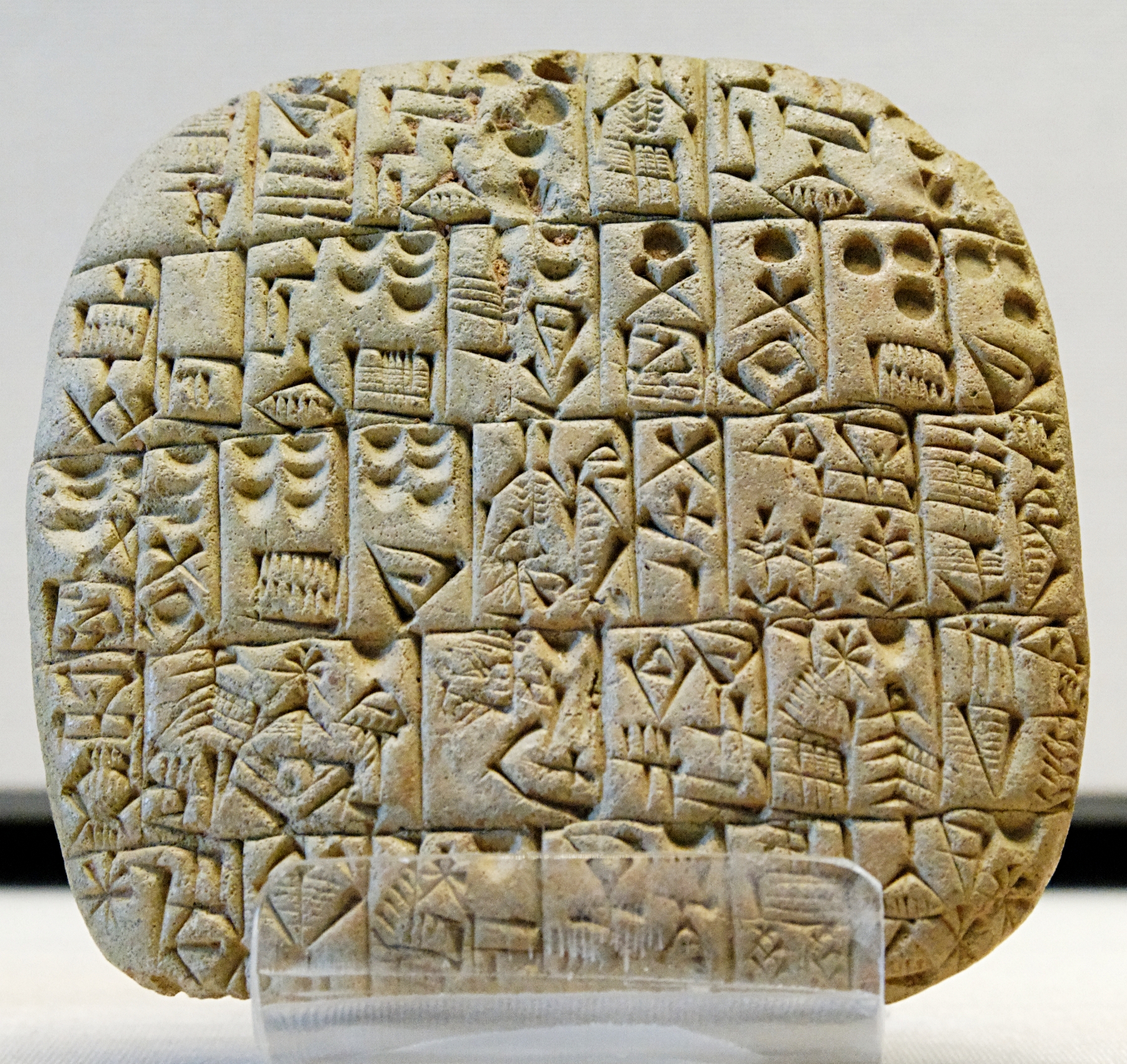
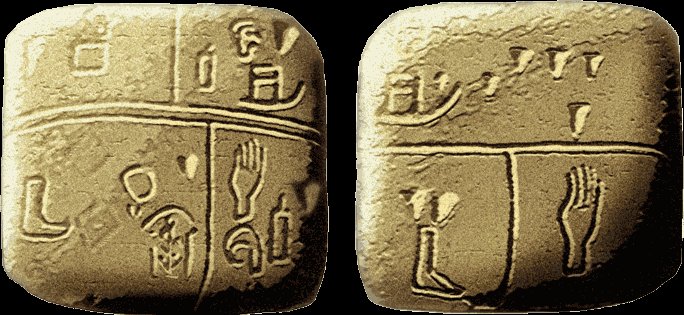
Writing is a good example of a transformative tool within expanding complex societies. It facilitated the administration of cities, the expression of ideas, and the preservation of information. Systems of writing developed in several places, including Mesopotamia, Egypt, China, and lowland Mesoamerica. The earliest known writing system was Mesopotamian cuneiform, which began as pictographs before becoming more simplified and abstract.
For trade, record-keeping mattered enormously. Complex exchange requires memory that outlasts any one person: lists, quantities, obligations, deliveries, taxes, and stored goods. Writing made larger-scale administration possible, and larger-scale administration in turn supported bigger urban economies.
In that sense, trade routes were not merely roads for merchandise. They were channels through which whole packages of knowledge could travel.
Horses, cavalry, and chariots changed movement on land
Water transport was crucial, but overland movement also advanced. The Bronze Age saw important new land technologies, especially horse-based cavalry and chariots. These allowed armies to move faster than before.
That speed mattered militarily. Faster movement meant quicker strikes, wider reach, and more flexibility in war. It also mattered politically, because the ability to move armed forces could help rulers defend trade routes, intimidate rivals, and maintain control over larger territories.
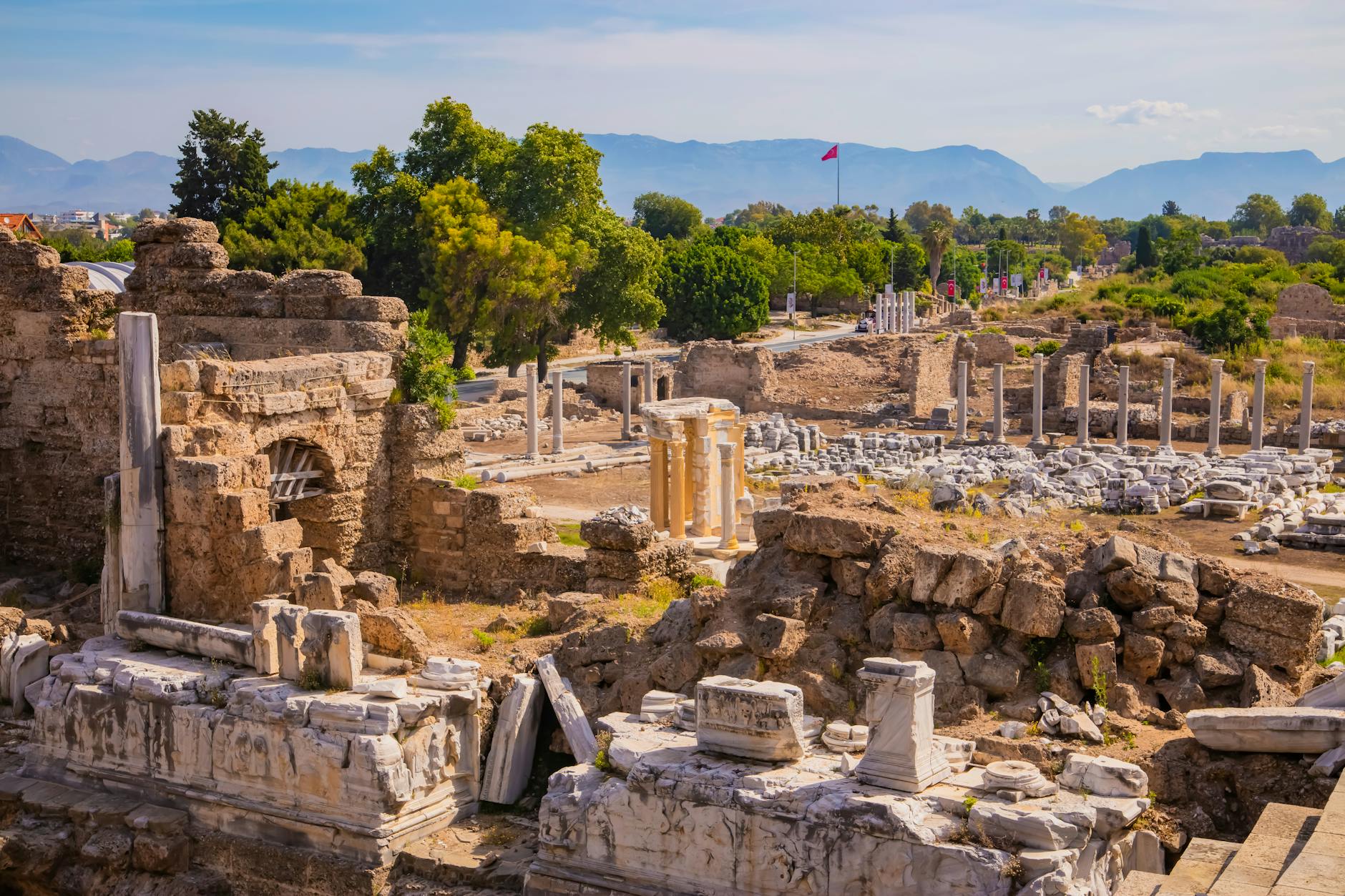
The growth of cities was often followed by the rise of states and empires. In Mesopotamia, frequent wars between city-states led to repeated shifts in hegemony. In Egypt, the valley was unified around 3100 BCE. Over time, the expansion of transport capacity by land and water supported the emergence of larger political systems.
So when horse-based transport improved, it was not just a military curiosity. It became part of the wider machinery of power that shaped ancient regional orders.
The first global networks were not truly global — but they were huge
Calling these systems “early globalization” does not mean every part of the world was tightly linked in one single network. Different civilizations still developed in separate regions, and many innovations arose independently.
But large trade webs undeniably existed. Urban societies exchanged manufactured goods for raw materials from distant lands. Rivers, seas, cavalry, and chariots improved movement. Record-keeping supported administration. Cities concentrated demand, skilled labor, and political authority. Step by step, these ingredients created broad interregional systems.
This is why the phrase “archaic globalization” fits so well. It captures a world that was not yet globally integrated in the modern sense, but was already defined by long-distance dependency and exchange.
A city could consume materials from faraway places. A technology in one region could influence another. A water route could carry commerce and conquest together. Inventions did not always stay local.
Why this moment in history matters
The Bronze Age networks reveal a basic truth about human history: connectivity is ancient. Long before the modern era, societies were already solving the hard problems of distance, logistics, and coordination.
The first large urban civilizations were not closed worlds. They were linked by rivers, seas, and overland routes. They relied on imported materials. They exchanged techniques and ideas. They developed transport systems that accelerated both commerce and war.
In other words, some of the defining features of later world history were already visible: supply chains, infrastructure, technological diffusion, and competition for strategic routes.
If modern globalization feels like a dramatic break from the past, the Bronze Age reminds us that its roots run deep. The scale was smaller, the speed was slower, and the technologies were simpler, but the underlying pattern was familiar: distant places becoming connected through need, opportunity, and innovation.
From river valleys to world history
The rise of early civilizations in Mesopotamia, Egypt, the Indus Valley, China, and Peru marked more than the birth of cities. It marked the beginning of increasingly complex networks of exchange.
Those networks helped spread goods, ideas, and inventions across great distances. They turned rivers and seas into strategic highways. They made bronze production dependent on astonishingly long supply chains. And they encouraged the development of systems, from writing to transport, that allowed societies to operate on a larger scale.
Seen this way, the ancient world was not static or isolated. It was dynamic, experimental, and deeply interconnected for its time. The first global networks were already in motion.