The Industrial Revolution marks one of the biggest turning points in human history. For most of the past, people lived in worlds shaped by agriculture, hand labor, and local limits. Then, around 1770 in Great Britain, a new mode of production began to transform how goods were made, how societies were organized, and how different parts of the world became linked together.
This was more than a story of new machines. It was a shift in the basic structure of economic life. Factories, mass production, and mechanization made it possible to manufacture goods faster and with less labor than before. Over time, that change helped launch the modern period and contributed to a dramatic rise in trade, globalization, imperial expansion, and scientific and technological growth.
Watch the story on DeepSwipe
What “mechanization” actually means
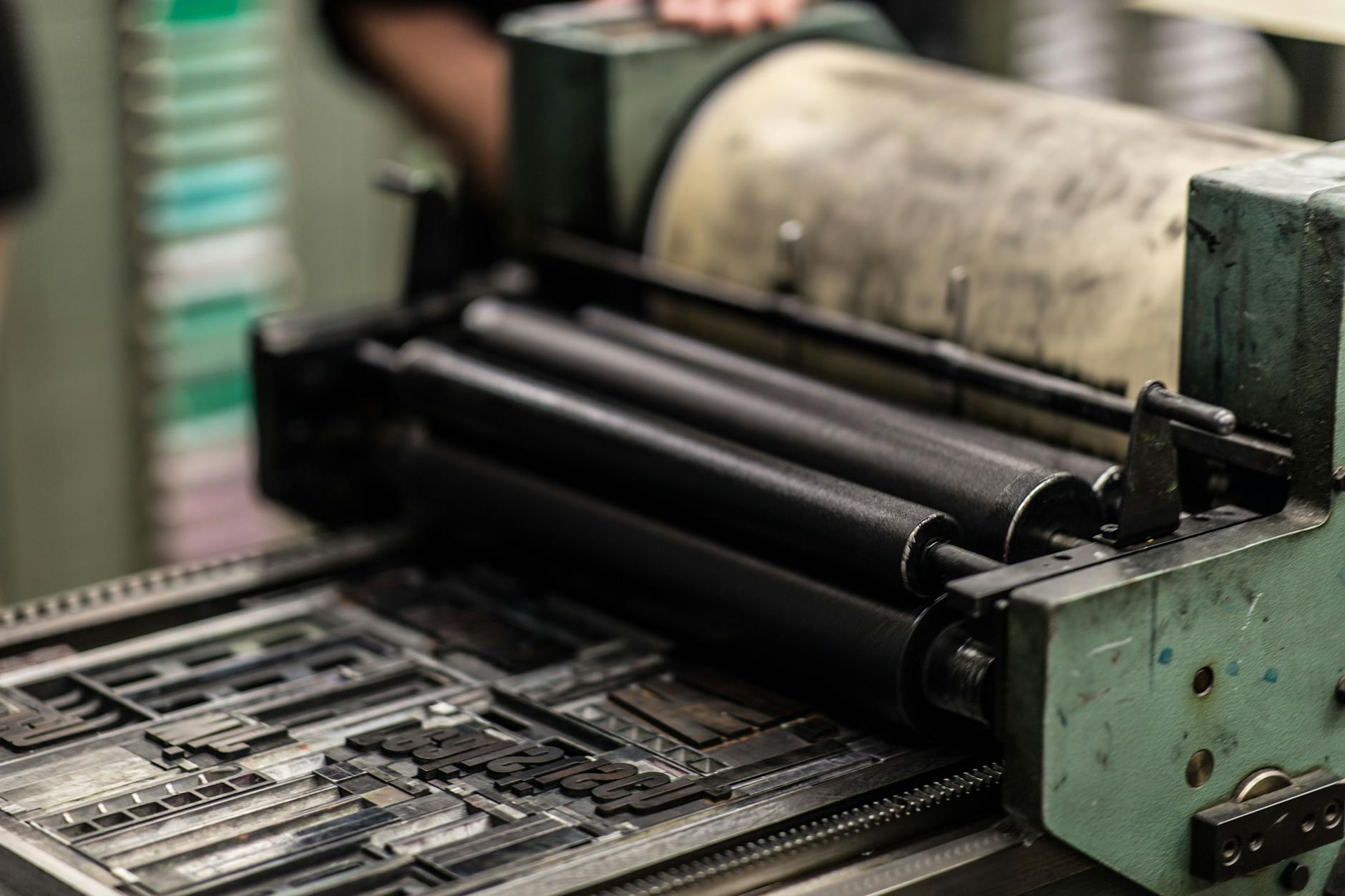
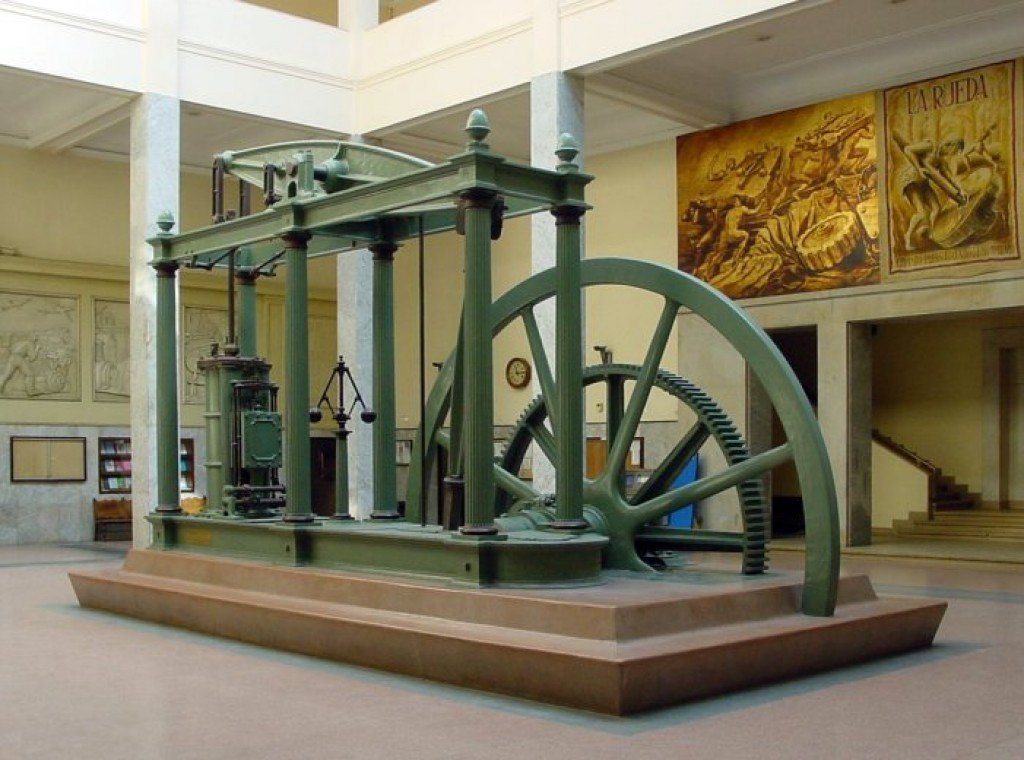
Mechanization means replacing or reducing manual labor with machines. Instead of relying mainly on human hands or simple tools, production increasingly used machine-driven processes. In practical terms, that meant goods could be produced more quickly, more consistently, and often on a larger scale.
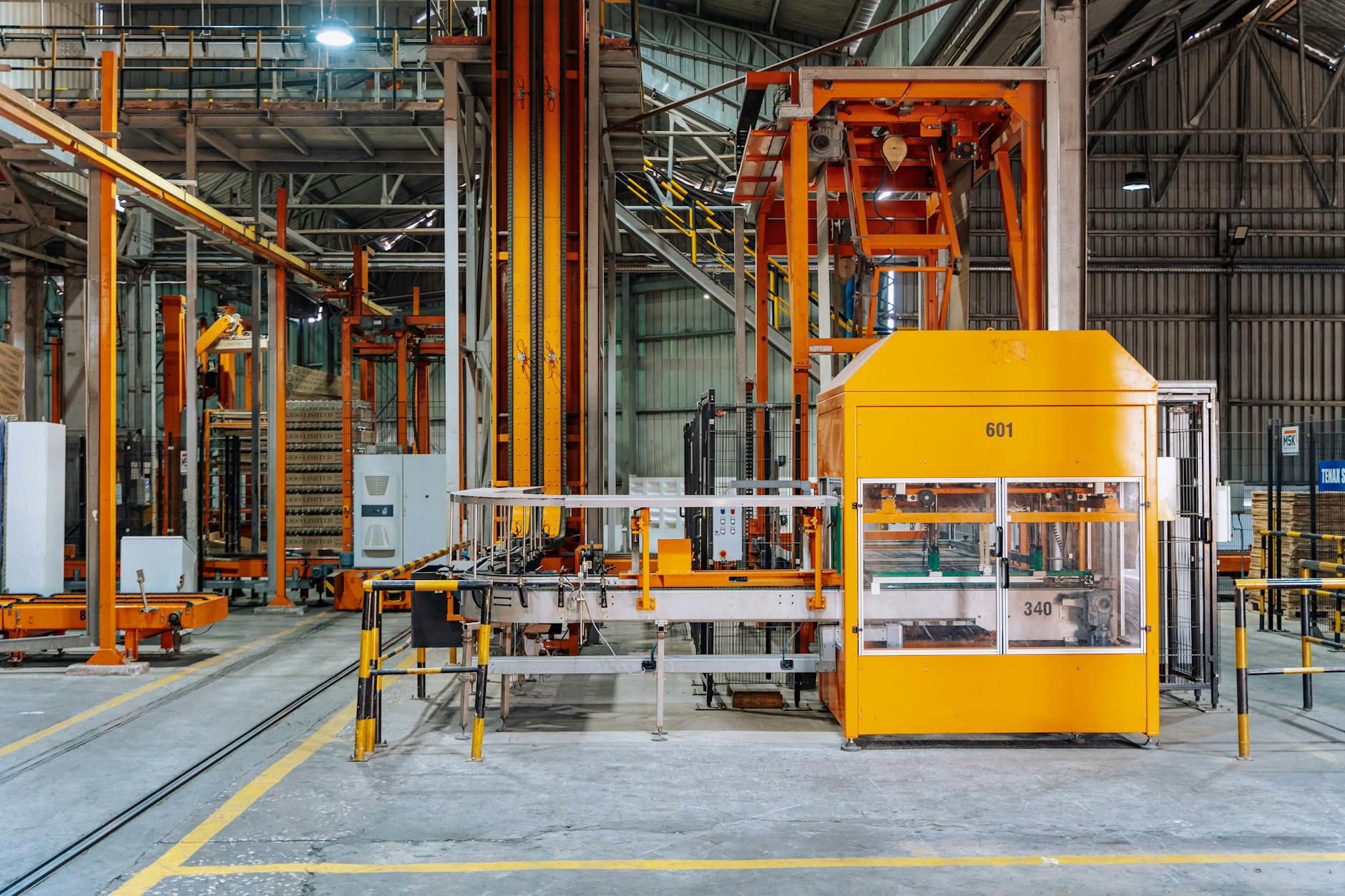
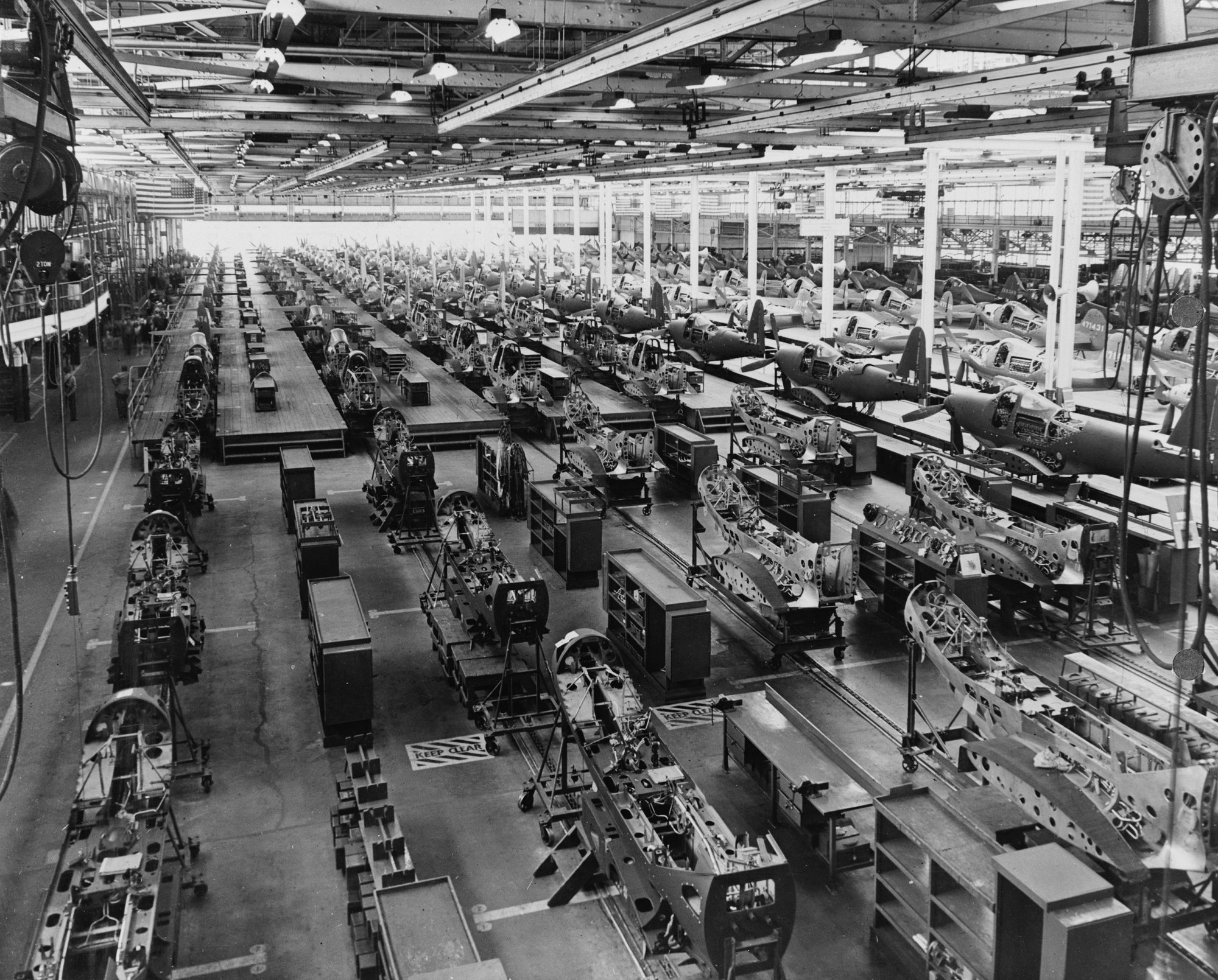
The Industrial Revolution used new modes of production centered on the factory, mass production, and mechanization. A factory brought workers and production processes together in one place. Mass production meant making large quantities of goods in a more standardized way. Together, these changes allowed manufacturers to produce a wide array of goods faster while using less labor than had previously been required.
That increase in productive power was so significant that it is described as the greatest transformation of the world economy since the Neolithic Revolution, the earlier shift when humans moved from hunting and gathering toward agriculture and animal husbandry.

Why it began when it did
By the 18th century, the accumulation of knowledge and technology had reached a critical mass. In other words, enough practical know-how, technical skill, and useful innovation had built up that a major breakthrough in production became possible. This tipping point brought about the Industrial Revolution and helped underpin what is called the Great Divergence.
The Great Divergence refers to the period when Europe pulled ahead economically and technologically in ways that reshaped the balance of global power. The Industrial Revolution did not emerge in isolation. It came after earlier intellectual and cultural changes in Europe, including the Renaissance, the Reformation, the Scientific Revolution, and the Enlightenment. These developments formed part of a broader age of change that altered how people approached knowledge, institutions, and the natural world.
Why historians see it as the start of a new age
Human history is often divided into large periods, and the Industrial Revolution is one of the clearest markers of a major transition. One influential way of organizing history identifies two especially important economic turning points: first, the rise of agriculture and husbandry, and second, the Industrial Revolution.
That comparison shows just how important industrialization was. Agriculture changed how humans got food. Industrialization changed how humans produced goods more broadly. It reorganized labor, intensified trade, accelerated urban and economic change, and helped define the modern era from around 1800 onward.
Factories and the new scale of production
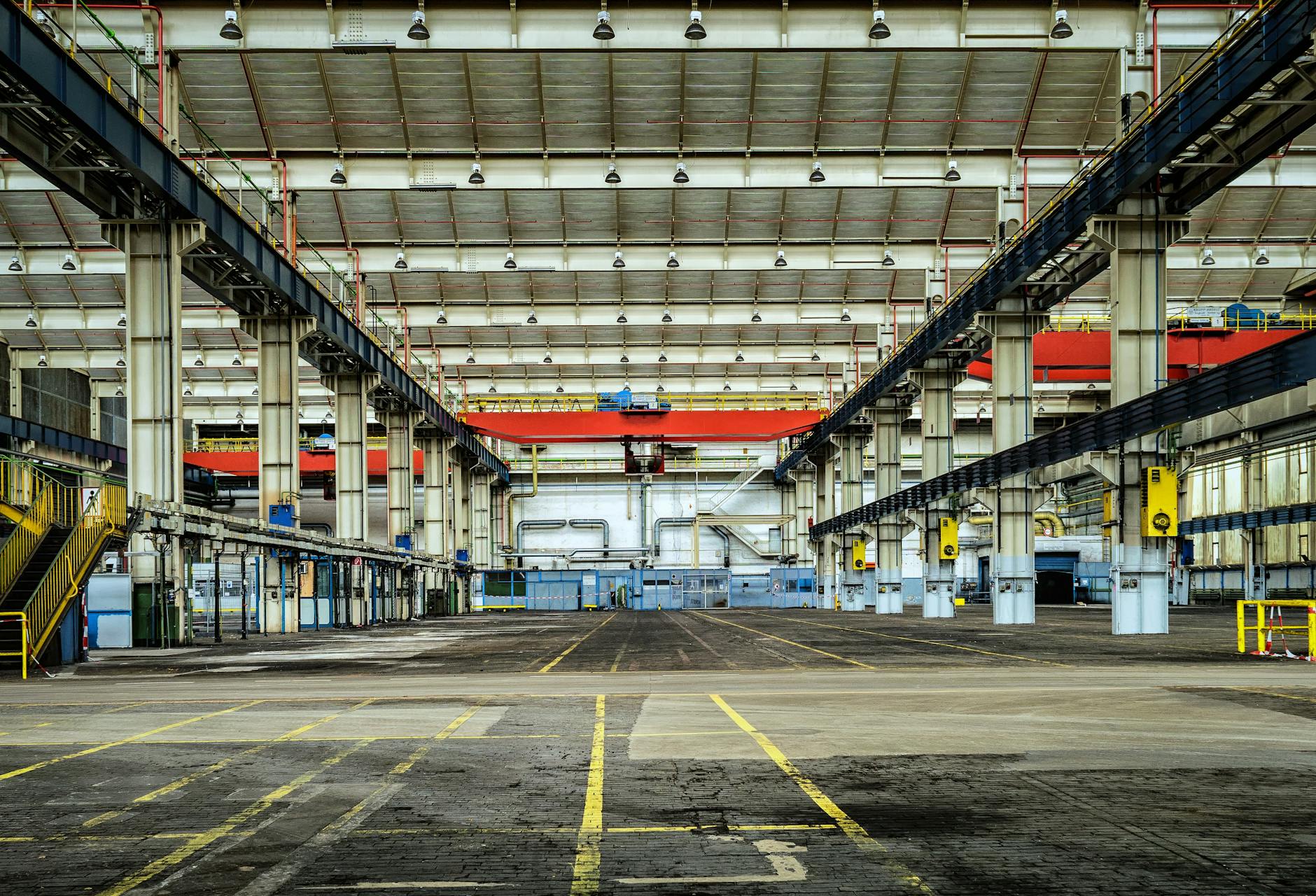
Factories were not just buildings full of machines. They represented a new social and economic system. Work that had once been scattered across households, workshops, or small local settings was increasingly concentrated in centralized sites of production.
This concentration made it easier to coordinate labor, use machinery efficiently, and expand output. It also fed the rise of mass production, a system in which large volumes of goods could be manufactured with greater speed and regularity. The result was a dramatic increase in productive power.
That productive surge changed daily life and reshaped societies. Industrialization raised the global standard of living, but it also caused upheaval. Factory owners and workers clashed over wages and working conditions, showing that industrial growth brought tension as well as prosperity.
The Industrial Revolution and global interconnection
Industrialization did not only transform individual countries. It tightened the links between world regions. The modern form of globalization began in the early 19th century, and improved transportation technologies such as railroads and steamships helped make that possible.
Globalization here means increasing interconnection between different parts of the world in economic, political, and cultural terms. As productive capacity rose, international trade expanded. Colonization also intensified, linking civilizations more tightly, though often under unequal power relations.
European powers had already begun building maritime empires in the early modern era, but industrial economies gave them a further advantage. During the 19th century, European dominance became increasingly entrenched. Britain gained control of the Indian subcontinent, Burma, Malaya, North Borneo, Hong Kong, and Aden. France took Indochina. The Dutch cemented their rule over Indonesia. European empires also expanded across Africa, and by the late 19th to early 20th century, nearly the whole continent had been conquered and colonized by European powers, with only Ethiopia and Liberia remaining independent.
Why industrial power shifted the global balance
Industrial economies could produce more goods, move resources more efficiently, and support stronger state power. That made industrialized countries more formidable in trade, war, and empire-building. The rapid growth in productive power increased international trade and colonization, and this process linked different civilizations more closely while strengthening European dominance throughout the 19th century.
This global tilt was not simply economic. It changed politics, military capacity, and the reach of states. Within Europe, economic and military competition drove the consolidation of nation-states. Outside Europe, many societies responded to Western pressure with programs of industrialization and reform. Japan’s Meiji Restoration led to industrialization and the establishment of a colonial empire. In contrast, reforms in the Ottoman Empire did little to stop Ottoman decline. China pursued the Self-Strengthening Movement with some success, though it was badly damaged by the Taiping Rebellion.
A chain reaction of technology
The Industrial Revolution opened the way to later waves of innovation. By the end of the 19th century, the United States had become the world’s largest economy. During the Second Industrial Revolution, further technological advances increased productivity even more. These included electric power, the internal combustion engine, and assembly-line manufacturing.
Other innovations changed communication and culture as well as production. Photography, sound recording, and film created new forms of artistic expression. Improved transportation reshaped movement across long distances. Balloon flight had appeared in the late 18th century, and by the beginning of the 20th century powered aircraft were developed.
These developments built on the industrial transformation rather than replacing it. Once societies learned to organize production on a mechanized, large-scale basis, technological change could spread faster and affect more parts of life.
Two centuries of acceleration
The last roughly 250 years have seen an extraordinary acceleration in many spheres. Human population, agriculture, industry, commerce, scientific knowledge, technology, communications, military capabilities, and environmental degradation all increased rapidly.
Some of the most striking numbers from modern history reflect this acceleration. During the 20th century, the world’s population quadrupled to six billion, while world economic output increased by a factor of 20. Public health measures and advances in medical science raised global life expectancy at birth from about 31 years in 1900 to over 66 years in 2000.
Cold War-era technological development further accelerated change. Advances in jet aircraft, rocketry, and computers led to jet travel, artificial satellites with applications including GPS, and the Internet. Communications expanded even more in the early 21st century, when smartphones and social media became widespread around the world.
The darker side of industrial growth
Industrialization brought major benefits, but it also carried enormous costs. The same productive power that raised living standards also intensified pollution and environmental degradation. The modern era has seen a drastic acceleration of industrial pollution, and environmental degradation has become one of the defining features of recent history.
The link between industrialization and global conflict also matters. Industrial technology made older military tactics obsolete in World War I. In World War II, industrial-scale warfare contributed to destruction on an unprecedented scale. Over time, industrial and post-industrial technology expanded not only production and communication, but also military capability.
By the early 21st century, environmental degradation and global warming had become increasingly evident, even as mitigation efforts made gradual progress.
Why the Industrial Revolution still matters
The Industrial Revolution matters because it helps explain the modern world: why production happens at enormous scale, why the world economy is so tightly connected, why some countries gained vast global influence, and why growth has come with both dramatic benefits and severe costs.
It was not just an episode of clever inventions. It was a deep transformation in how humans organize labor, knowledge, and power. Like the Neolithic Revolution before it, it changed the relationship between people and the material basis of life. From factories and mass production to globalization, imperial expansion, scientific acceleration, and environmental strain, much of modern history unfolds from that turning point.
To understand the Industrial Revolution is to understand why the last two and a half centuries feel so different from almost everything that came before.