Human History: Polynesians—Masters of the Open Ocean

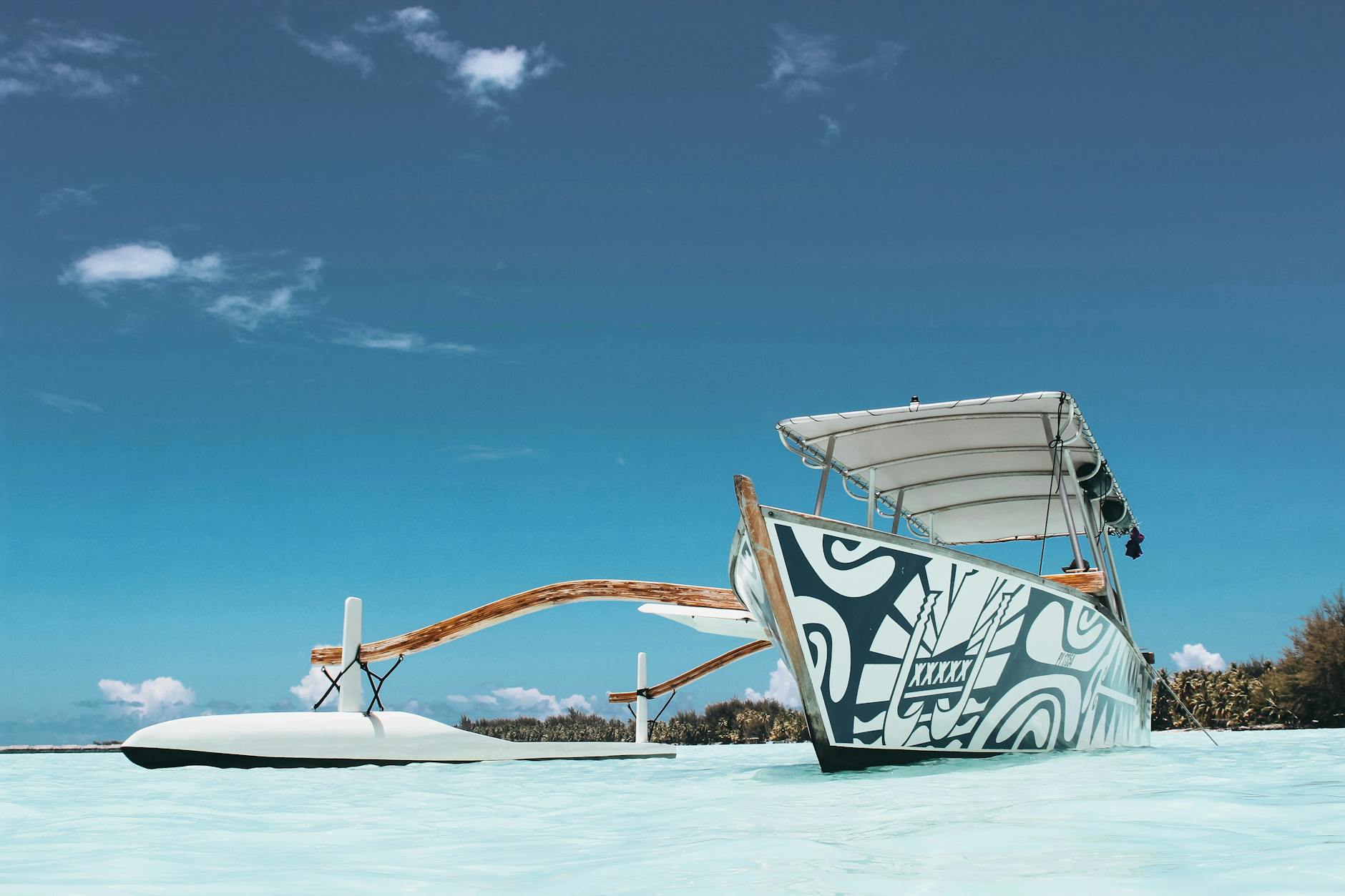
Long before European contact, Polynesian voyagers crossed enormous stretches of the Pacific and settled some of the most remote islands on Earth. Their story is one of movement, adaptation, and far-reaching cultural influence across Oceania.

The roots of Polynesian expansion lie in the Lapita culture, which emerged in the Bismarck Archipelago near New Guinea around 1500 BCE. Lapita communities went on to colonize many previously uninhabited islands of Remote Oceania, reaching as far as Samoa by 700 BCE. From these seafaring foundations, later Polynesian societies expanded across vast areas of the Pacific.

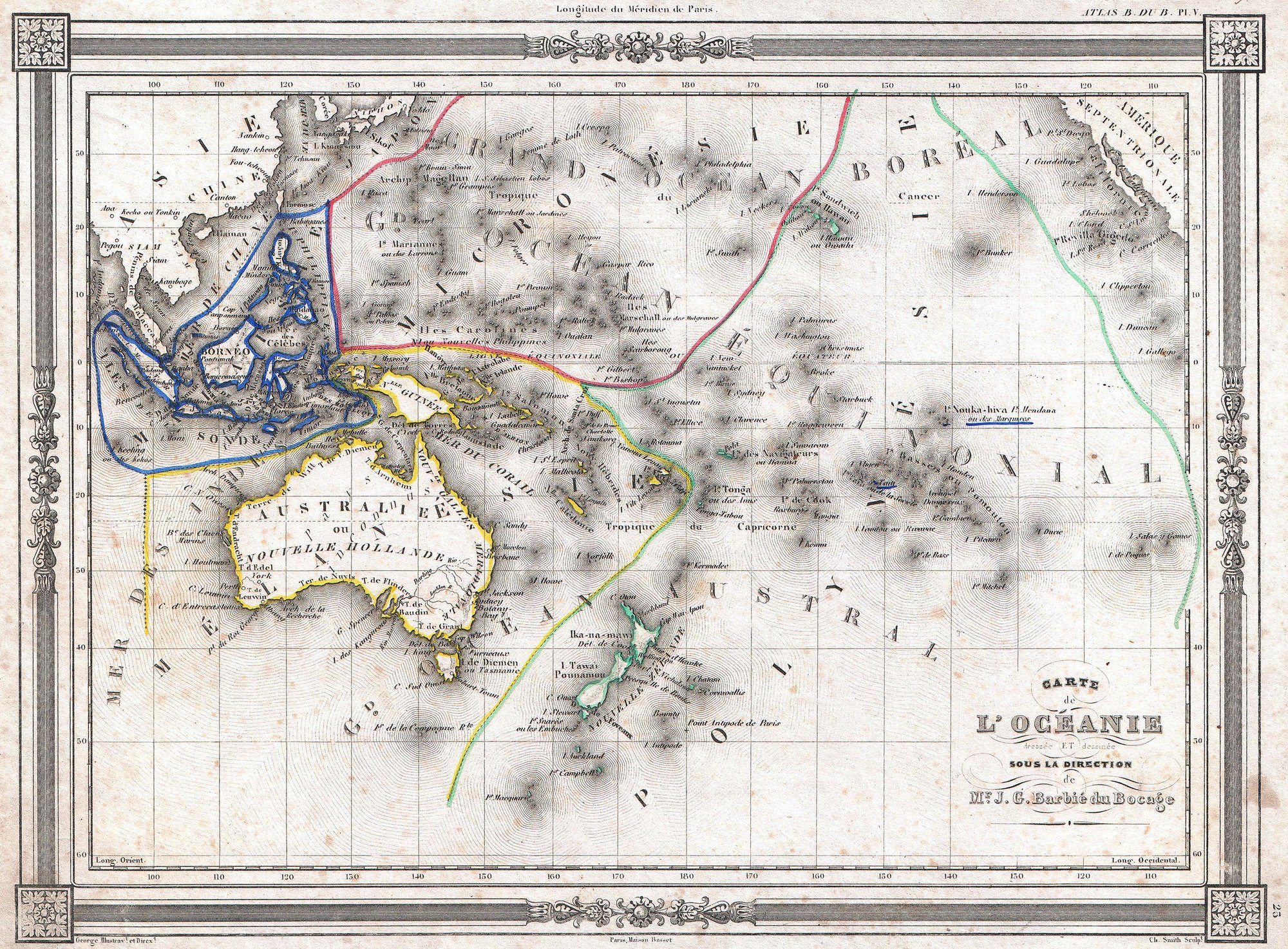
Beginning around 1000 CE, the Polynesians, descendants of the Lapita peoples, colonized huge stretches of Remote Oceania. This expansion was extraordinary in scale. Their voyages led to the settlement of hundreds of islands, including the Marquesas, Hawaii, Rapa Nui, also known as Easter Island, and New Zealand.

Remote Oceania refers to the far-flung islands of the Pacific that are separated by great distances of open ocean. Reaching them required not just travel, but repeatable systems of navigation, planning, and social organization. The settlement of these islands shows that Pacific voyagers created long-distance ocean networks centuries before modern navigation tools existed.

DeepSwipe app banner

Finding the world’s most remote islands

What makes Polynesian voyaging so remarkable is the sheer geography involved. The Pacific Ocean contains immense spaces between island groups, yet Polynesian navigators managed to reach and settle islands scattered across this oceanic world. Their expansion was not confined to a local chain of islands. It stretched to places as far apart as Hawaii in the north, Rapa Nui in the southeast, and New Zealand in the southwest.

These settlements were not random accidents. They formed part of a wider human story in which people spread into new environments, but Polynesian expansion stands out because it involved moving across open sea to islands with no nearby continental landmass. In world history, many societies expanded along rivers, coasts, or across connected land regions. Polynesian voyaging, by contrast, linked islands separated by vast maritime distances.

This achievement places Polynesian sailors among history’s great explorers. Their successful colonization of hundreds of islands shows that the Pacific was not an empty barrier. It was a connected world shaped by travel, exchange, and cultural continuity.

The Tuʻi Tonga Empire and an oceanic sphere of influence

Polynesian history was not only about migration. It also included the rise of powerful political systems. One of the most important was the Tuʻi Tonga Empire, founded in the 10th century CE.

The Tuʻi Tonga Empire expanded between 1250 and 1500. Based in Tonga, it spread Tongan culture, language, and hegemony widely through eastern Melanesia, Micronesia, and central Polynesia. In this context, hegemony means a form of dominance or leading influence, not necessarily direct rule over every place in the same way as later land empires.

The Tuʻi Tonga sphere influenced east 'Uvea, Rotuma, Futuna, Samoa, and Niue, as well as specific islands and parts of Micronesia, Vanuatu, and New Caledonia. This shows that the Pacific was tied together by more than isolated settlement. It was also connected by influence, prestige, and regional power.

Calling this an “empire of waves” is fitting. Unlike empires built around roads, river valleys, or large continental armies, the Tuʻi Tonga system operated across sea routes. Its influence spread through island networks, demonstrating that political power in the Pacific could be maritime as well as territorial.

Ocean networks before European contact

Long before Europeans entered the Pacific, Oceania already contained established systems of interaction. Polynesian voyages linked distant islands, and those links mattered culturally and politically. These connections are part of a broader pattern in human history: societies often grow through exchange networks that move people, goods, and ideas.

In Oceania, the sea served as the medium of connection. Rather than separating communities, it joined them. This perspective is important because island societies are sometimes imagined as isolated by nature. The history of Polynesian voyaging shows the opposite. Across Remote Oceania, the ocean could function like a highway.

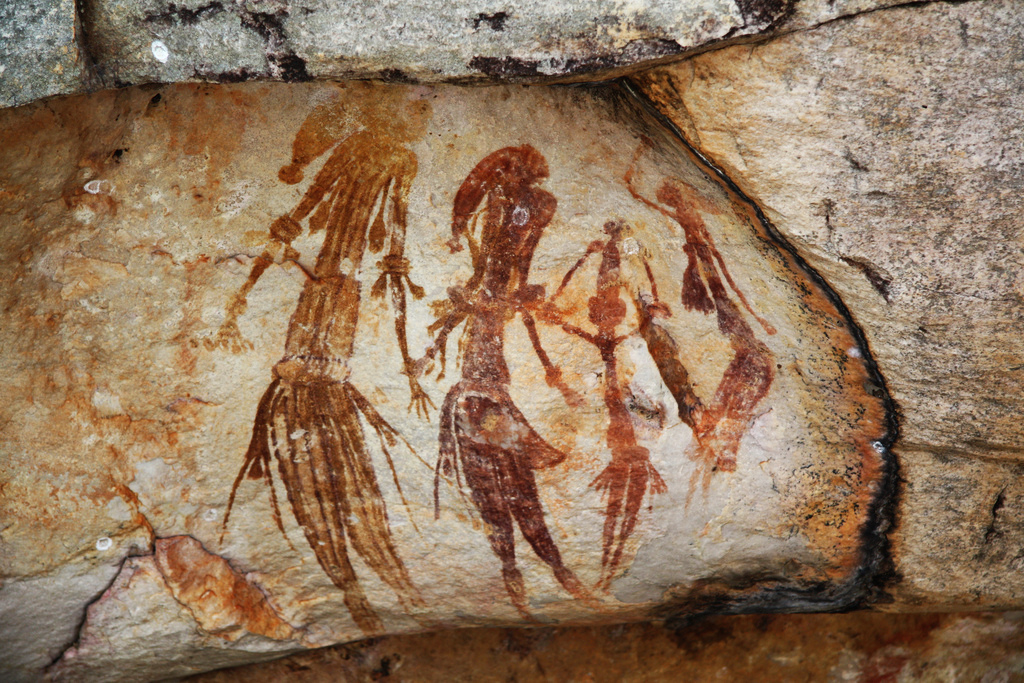
The wider history of Oceania also includes other examples of maritime contact. In Northern Australia, there is evidence that Aboriginal Australians regularly traded with Makassan trepangers from Indonesia before the arrival of Europeans. This helps place Polynesian voyaging into a larger regional picture in which the seas around Australia and the Pacific hosted movement and exchange long before modern colonial exploration.

Different ways of organizing Pacific societies

Polynesian societies also had distinctive forms of social structure. In Polynesian societies, social organization was characterized by hereditary chiefdoms. A chiefdom is a political system led by chiefs whose authority is often connected to kinship and inherited status. The term hereditary means that leadership passed through family lines rather than being chosen only by individual achievement.

This differed from Aboriginal societies in Australia, where leadership was based on achievement. That contrast highlights the diversity of human societies across Oceania. Even within a broadly connected region, communities developed different ways of organizing power, status, and leadership.

The success of long-distance Polynesian settlement and the reach of the Tuʻi Tonga Empire suggest that hereditary leadership structures could support large-scale coordination across islands. Such systems likely helped maintain continuity, alliances, and influence over large maritime spaces.

Why Polynesian voyaging matters in world history

Polynesian expansion is one of the clearest examples of humans pushing into new frontiers through skill, organization, and persistence. In the larger human story, people spread across nearly all ice-free parts of the globe by the end of the Ice Age. Much later, Polynesian voyagers extended that story across some of the last and most distant habitable islands on Earth.

Their achievement also challenges familiar assumptions about exploration. In many global histories, the spotlight falls heavily on the voyages of European powers during the early modern age. But the Pacific had already been explored, connected, and settled by expert ocean navigators long before European contact.

The settlement of the Marquesas, Hawaii, Rapa Nui, and New Zealand shows a level of maritime accomplishment that deserves recognition alongside any of history’s great migration stories. And the Tuʻi Tonga Empire reveals that Pacific island societies did not merely survive in isolation. They created influence, networks, and political reach across the ocean itself.

A seafaring legacy across the Pacific

From the Lapita foundations in the Bismarck Archipelago to the later colonization of Remote Oceania, Polynesian history is a story of movement on a grand scale. It includes the settlement of hundreds of islands, the spread of language and culture, and the rise of a maritime power centered in Tonga.

Seen this way, Polynesians were not simply island dwellers. They were navigators of an interconnected oceanic world. Their voyages helped shape Oceania long before European arrival, leaving a legacy written not in continental borders, but across the islands and sea lanes of the Pacific.

Stories About Human history

Human History: Out of Africa and the Ice Age Expansion

Human History: Out of Africa and the Ice Age Expansion

Human History: The Neolithic Revolution—How Farming RemadeUs

Human History: The Neolithic Revolution—How Farming RemadeUs

Human History: The Invention of Writing—and Why It Spread

Human History: The Invention of Writing—and Why It Spread

Human History: The Axial Age—Ideas That Rewired Civiliz atio

Human History: The Axial Age—Ideas That Rewired Civiliz atio

Human History: Bronze, Boats, and the First Global Networks

Human History: Bronze, Boats, and the First Global Networks

Human History: The Black Death—When Europe Stopped Breathing

Human History: The Black Death—When Europe Stopped Breathing

Human History: The Mongol Shockwave

Human History: The Mongol Shockwave

Human History: The Columbian Exchange—Worlds Collide

Human History: The Columbian Exchange—Worlds Collide

Human History: Printing, Gunpowder, and the Spread of Power

Human History: Printing, Gunpowder, and the Spread of Power

Human History: The Industrial Revolution—The Second Great T

Human History: The Industrial Revolution—The Second Great T

Otehr Stories like this

Micronesia’s Ocean Code: Stick Charts and Stone

Micronesia’s Ocean Code: Stick Charts and Stone

Oceania’s Ancient DNA: Two Waves and a Ghost

Oceania’s Ancient DNA: Two Waves and a Ghost

Oceania: A Continent Linked by Water

Oceania: A Continent Linked by Water

The World’s Longest Art Tradition: Aboriginal Rock Art

The World’s Longest Art Tradition: Aboriginal Rock Art

New Guinea: Oceania’s Hidden Rainforest

New Guinea: Oceania’s Hidden Rainforest

Oceania’s Weather on Overdrive

Oceania’s Weather on Overdrive

Africa: Cradle of Modern Humans

Africa: Cradle of Modern Humans

History of Japan — Jōmon Pottery and Japan’s Deep Past

History of Japan — Jōmon Pottery and Japan’s Deep Past

History of Japan — The Yayoi Revolution: Rice, Iron, and a人口

History of Japan — The Yayoi Revolution: Rice, Iron, and a人口

Prehistory and the Invention of Writing

Prehistory and the Invention of Writing

History of Japan — Edo’s “Closed Country,” Open Minds

History of Japan — Edo’s “Closed Country,” Open Minds

Small Continent, Giant Footprint: Europe’s Global Reach

Small Continent, Giant Footprint: Europe’s Global Reach

Ride the waves of history — download DeepSwipe and explore big ideas, one swipe across the ocean at a time.